Category: Vinyl Records

  • Can Vinyl Records Get Wet? (Let’s Find Out!)

    Can Vinyl Records Get Wet? (Let’s Find Out!)

    If you’re an avid vinyl collector, you probably do all you can to keep your records in pristine condition. When it comes to cleaning, can vinyl records get wet? 

    Vinyl records can get wet, and water won’t damage them because they’re made of polyvinyl chloride (PVC), a water-resistant material. However, you should avoid exposing your records to too much water over a prolonged period. In addition, you should avoid getting the label wet. 

    The following sections in this article will explain the effect of water when it comes in contact with your vinyl records. I’ll also discuss some of the best ways to clean your vinyl records without water and the reasons behind this. Lastly, the article discusses how to dry vinyl records and what you shouldn’t use to clean them. 

    What Happens if Vinyl Records Get Wet?

    Vinyl records are made from polyvinyl chloride (PVC), which is a plastic. Plastics aren’t very absorbent, so most contact with water is harmless. However, polyvinyl chloride isn’t the only material used when making vinyl records.

    If you get the label on your vinyl record wet, you may ruin it. The label is made from paper, which is very absorbent. The manufacturer probably used ink on the label, which will most likely smudge once it comes in contact with water. 

    In addition, the glue on the label might also begin to lift. 

    How To Dry Your Vinyl Records

    It is best to use a microfiber cloth to dry your vinyl records. Microfiber cloth is lint-free and made from fibers that are extremely fine. They leave fewer fibers behind than regular cloths. 

    Here is the best way to dry your vinyl records: 

    1. Gently shake your record to remove the excess water. 
    2. Using a clean microfiber cloth, gently wipe (but don’t rub) your record. 
    3. Allow it to air dry and only store it back in its sleeve when it’s completely dry. 

    How to Clean Your Vinyl Records

    There are various ways to clean vinyl records, and if your chosen method involves water, it’s recommended that you use distilled water instead of tap water because the minerals in tap water could remain on the record after you dry it. 

    Let’s take a look at some effective yet gentle ways to clean vinyl records: 

    Water 

    All you need for this method is some distilled water and a microfiber cloth. A microfiber cloth is essential because it won’t leave tiny pieces of lint on your records, and it’s soft enough not to damage the vinyl. 

    Here’s what you need to do: 

    1. Dip your microfiber cloth into some distilled water.
    2. Wring out the excess water. 
    3. Wrap the cloth around two fingers and gently wipe your vinyl record. 
    4. Repeat this process for the other side of the record.
    5. Allow your records to air dry before storing them away. 

    Record Cleaning Solution

    If your records are particularly dirty, distilled water and a microfiber cloth might not be enough to remove all the dirt and grime. In this case, a record-cleaning solution would be ideal. 

    You can buy record cleaning solution online or in specialty music stores. Lasermedia Professional Cleaning Solution from Amazon.com comes in a handy 8 oz (237 ml) spray bottle and will effectively remove dirt build-up from your vinyl. 

    If you decide to use a record-cleaning solution, here is what you should do: 

    1. Gently wipe the record with a microfiber cloth to remove dust. 
    2. Spray some record-cleaning solution onto the record and wait for two minutes. This allows the solution to work its magic on the vinyl. 
    3. Wipe the solution off with a microfiber cloth, and allow the record to air dry before storing it. 

    Record Cleaning Kit

    For a more thorough and professional clean, consider using a record-cleaning kit for your vinyl. 

    These kits come with several items, including: 

    • A soft velvet brush
    • A lint-free cloth
    • A bottle of record-cleaning solution

    To use a record-cleaning kit, follow the same steps for using a record-cleaning solution, but use the brush to dust your records. 

    Record Cleaning Machine

    This is probably the most expensive but effective method to clean your vinyl records. However, if you’re serious about preserving your vinyl collection for many years to come, it’s worth the investment. 

    These machines also offer protection for the label on your vinyl records. Amazon.com has an instructional video for those who don’t know how the Pro-Ject Record Cleaning Machine works. 

    Record Vacuum Wand

    Another method for cleaning your vinyl is to use a record vacuum wand. These devices attach to your vacuum cleaner and help you to remove surface dirt and dust from vinyl. You don’t need to use water to clean your records if you do this, but you can go over the surface with water beforehand to ensure it’s 100% clean.

    The Vinyl Vac 33 (also from Amazon) is affordable and fits onto most vacuum cleaners. 

    What To Avoid Using When Cleaning Your Vinyl Records

    Now that I’ve discussed some effective cleaning methods for vinyl records, is there anything you need to avoid using? 

    You should avoid using the following substances: 

    • Acidic products. Acidic products (like white vinegar or lemon juice) are fantastic natural cleaners, but their low pH levels mean that they can damage the vinyl’s protective coating. However, this is usually only when they are used undiluted and excessively, but you should still avoid using them. 
    • Isopropyl alcohol. This product is an effective disinfectant and can effortlessly lift grime off vinyl. Unfortunately, like acidic cleaners, it can also remove your record’s protective coating. 
    • Abrasive cloths or sponges. If your vinyl is caked in grime, it can feel tempting to give it a thorough clean with an abrasive cleaning tool. Unfortunately, they can scratch your record, negatively impacting your music quality. 

    Reasons to Clean Your Vinyl Records

    Cleaning your vinyl records can seem like a drag, but any avid vinyl collector will tell you that it’s vital.

    Here are some compelling reasons to clean your vinyl regularly: 

    Vinyl Records are Valuable

    Vinyl records can cost a lot of money and are often regarded as high-value and collector’s items. In addition, vinyl records have not been mass-produced for several decades now, and are now considered something special and vintage. 

    Gently cleaning them regularly can help preserve them for many years to come. 

    The emotional value of those records is exactly why you should take care of them. After all, who knows, you might be able to pass the records on to your children one day!  

    Read this article if you want to learn more about why you’re supposed to clean your vinyl records. 

    Vinyl Records Attract a Lot of Dust

    Vinyl records are non-conductive, which is why they’re often charged with static electricity. This static charge can be a severe problem for the quality of your vinyl records, as it can affect the sound of whatever you’re playing.

    Objects with a high static charge attract a lot of dust. As you probably already know, dust on records will settle into the grooves and can affect the sound quality. Moreover, a large accumulation of dust can cause permanent damage to your vinyl records. 

    You can buy the Anti-Static Vinyl Record Cleaner Brush on Amazon.com. This tool cleans vinyl records and helps eliminate static charge simultaneously. The brush can clean dirt without scratching the records and is made with conductive synthetic fibers. You can read more about how to remove static from vinyl records in this article that I wrote. 

    Dirt Build-Up Can Scratch the Record

    Any debris on your records can cause scratches, eventually leading to crackling sounds and skipping in the music. That’s why keeping your vinyl records clean and handling them with care is vital. You might not even notice that your vinyl records are dirty until you clean them. 

    Using protective sleeves is an excellent way to minimize the amount of dirt your vinyl records can come into contact with, but it’s impossible to keep them 100% clean at all times. Regular cleaning is advised if you know how to do it without damaging your prized vinyl records. 

    Cleaning Helps Maintain the Audio Quality

    Vinyl has a distinctive scratchy sound, but excess dirt or dust can exacerbate it and negatively impact the record’s sound quality. 

    It’s good practice to give your record a quick dust before placing it back in its protective sleeve. Record sleeves are usually tight-fit, and they can press any dust or dirt into the record. 

    What To Do if Your Records Were Left in the Rain

    If you have accidentally left your vinyl records out in the rain, it’s not the end of the world. The only part likely to be damaged is the paper label in the center. 

    Here’s what you should do after discovering your records were left in the rain: 

    1. Gently remove any visible dirt or vegetation.
    2. Using a clean microfiber cloth, gently wipe the record until it feels dry, avoiding the paper label. 
    3. Gently pat the label but don’t wipe it, as this could smudge the wet ink. 
    4. Allow your record to air dry in a well-ventilated place.   

    Can Mold Grow on Vinyl Records?

    Mold can grow on vinyl records. Plastics are very durable, but mold can grow on them when they are continuously exposed to a lot of moisture. 

    Although plastic is very durable, it’s not advisable to allow mold to grow on your delicate vinyl records. The additives in plastic usually aren’t as durable, and the mold can cause them to break down. Mold is more likely to grow in the grooves of vinyl records, making it impossible for your record player to play the music on it.  

    You can prevent mold formation by always gently drying your vinyl records if they get wet. You should also avoid storing them in a humid environment. 

    Conclusion

    The good news is that vinyl records can get wet without sustaining damage; however, this doesn’t mean you should be careless with your valuable pieces around liquids either. While you can use a bit of (preferably distilled) water to clean vinyl, you shouldn’t expose the material to too much moisture, as you’ll raise mold growth. Mold can end up destroying your vinyl records altogether. 

    There are also other ways to clean vinyl records, including with a vacuum attachment, microfiber cloth, and record-cleaning machines. You can also clean the records with different substances, like specifically-designed cleaning solutions.
  • How Much Did Vinyl Records Cost in the ‘80s

    How Much Did Vinyl Records Cost in the ‘80s

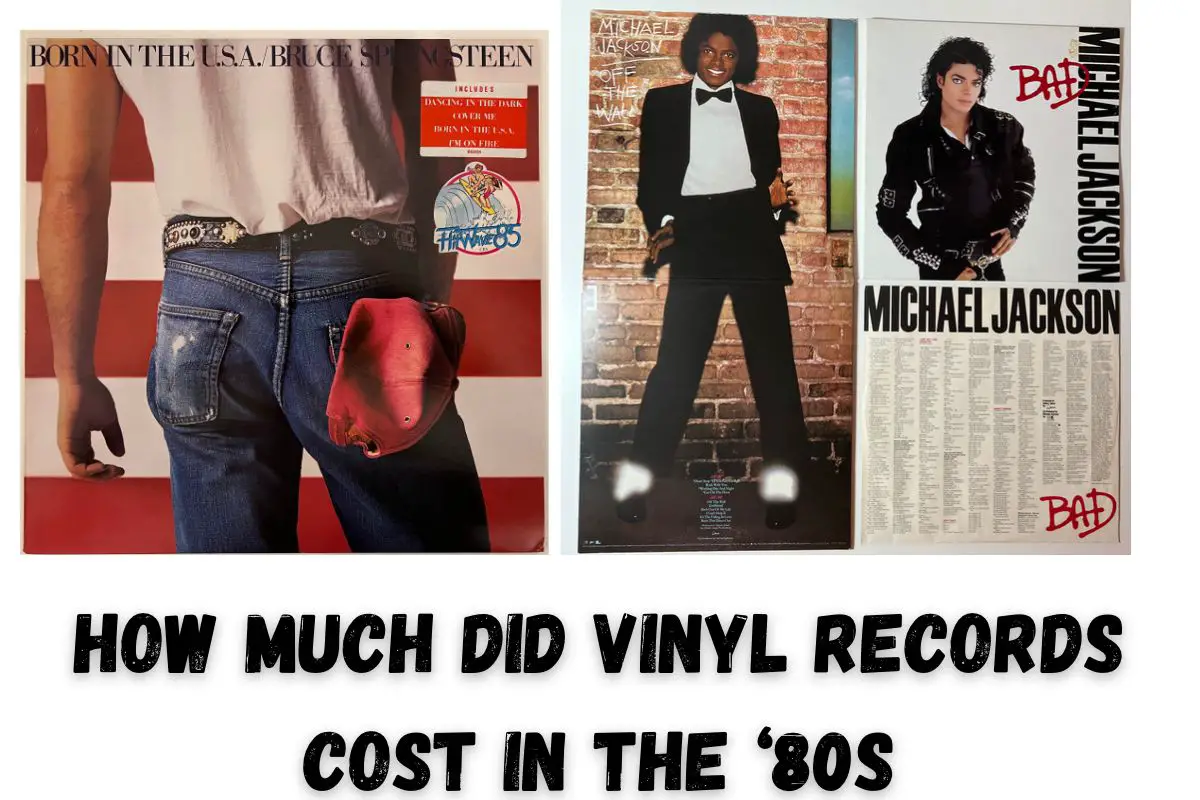
    Music was an integral part of the 1980s — the era just wouldn’t have been the same without big hair bands, Madonna and Michael Jackson. Interestingly, it was also in the 80s when cassettes and CDs began outselling vinyl records despite costing roughly the same. So, how much did vinyl records cost in the 80s?

    Vinyl records cost an average of $7 to $10 in the 1980s when purchased brand new. Used records were priced between $4 to $5, with indie bands or less popular albums dropping for less. Retailers set prices, so they varied, but average prices for vinyl records rarely exceeded $10 from 1980 to 1989.

    This article discusses the price of vinyl records in the early, middle, and late 1980s. It also covers factors that influenced vinyl record prices and briefly touches on the newfound popularity of vinyl records and their prices based on inflation. Read on to learn more.

    The Price of Vinyl Records in the US From the Early to Late 80s

    Although cassette tapes were eating up a large portion of the vinyl record’s market share from 1980 to 1989, LPs still enjoyed moderate success up until around 1987. This was the year when compact discs really began taking the market by storm as portable players became more affordable to the average consumer.

    So, how much did vinyl records cost in the 80s? Let’s look at the prices of vinyl records during the early, mid, and late-1980s to see how and why they adjusted over time.

    Vinyl Record Prices from 1980-1983

    During the beginning of 1980, the average consumer still preferred vinyl records and 8-tracks over cassette tapes and compact discs. However, the market share for vinyl records had dropped to 66 percent.

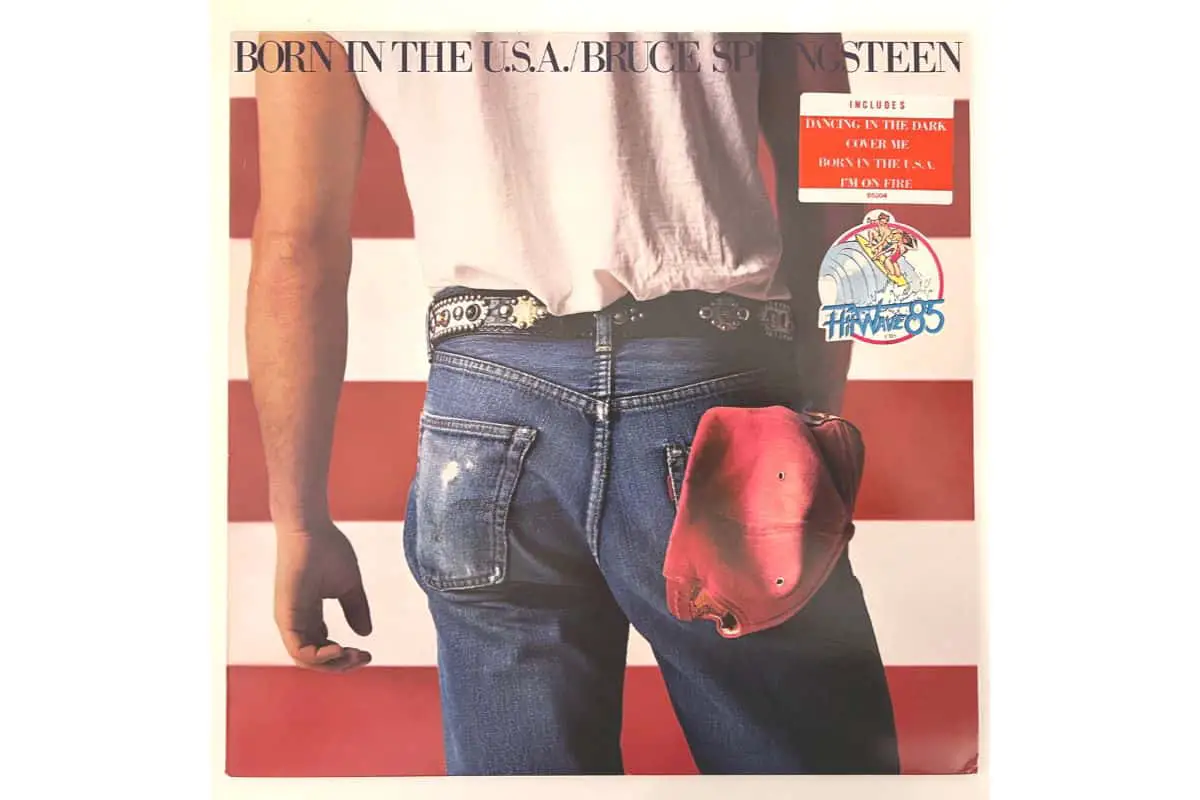
    The decrease in market shares wasn’t enough to stop producing vinyl records at this point. Bruce Springsteen released “The River” in 1980, retailing for an average of $8. That equates to $28.90 in 2023, accounting for a 261.3 percent rate of cumulative inflation.

    Most record labels pushed a suggested retail price, but the ultimate price was set by retailers. Therefore, some stores in 1980 may have sold new releases for as low as $7, whereas others may have listed them for $10 or more.

    By 1981, vinyl shares had dropped again, this time sitting at 63 percent. Despite this, record labels in the United States wanted to mark up the price of major new releases by a dollar. At the time, the average cost of new vinyl albums was $9, so companies wanted to push it to $10 per record.

    Tom Petty was one musician who was up in arms about this proposed price increase. He considered it price gouging the fans and took to fighting his record label to prevent it. Petty went so far as to refuse to hand his album over to his label. Eventually, he won the argument, even choosing cover artwork for the album that hinted at his victory.

    By the end of 1982, even consumers were becoming aware of the decrease in vinyl sales. Cassettes were becoming the norm as people flocked toward more portable music-listening devices. This is evidenced by the cassette’s 42 percent market share as 1982 came to a close. The suggested retail price of vinyl records around this time was approximately $8, with only major new releases or premium albums being listed at this rate.

    In 1983, cassette sales surpassed LPs in the United States for the first time ever. Vinyl shares sat at a meager 44 percent, with cassettes taking a ten percent lead. The price of vinyl now dropped to approximately $6 to $7 per album. Cassettes were hands down the clear winner in 1983. 

    During this time, CDs were also around. However, they were still viewed as very costly and impractical items, and they still weren’t accessible to the average person, as CD players cost upwards of $800. Even if you had the money for a CD player, the average music store stocked very few CDs. 

    1984-1986

    How much did vinyl records cost in the 80s? Well, vinyl continued its downward trend in the market in 1984, falling to a market share of 36 percent, with CDs rising 9 percent the same year. It was evident at this point that vinyl had reached the end of its lifespan; new technology was at the forefront of music, and it was taking over. Prices for vinyl albums averaged around $6 at the beginning of 1984, even for some new releases.

    Interestingly, by the end of 1984, prices of vinyl records began to trend upward despite no increase in market trends. It’s speculated that prices rose to match competitor pricing of cassettes and CDs. Unfortunately, this only seemed to hasten the demise of vinyl. The price increase is also attributed to the release of major tracks from artists like Paul McCartney. That said, the average retail price at the end of 1984 was $9.

    Cassettes remained the dominating force throughout 1985, but the price of CD players also began to drop, contributing to their boost in popularity. The average price of a vinyl record in 1985 was around $6 during the year, with vinyl market shares sitting at only 26 percent.

    1987-1989

    According to a Redditor who owned a record store in 1987, the average price for a new vinyl release was around $8. That said, several factors played a role in vinyl sales in the 80s, including location, artist, retailer, and more.

    Around this time, cassettes and CDs truly began to showcase their popularity. In fact, CDs had proven so popular (or at least so promising) that a Toronto man opened a facility where people could hang out and listen to music on CD before committing to a purchase. It may have seemed silly at the time, but it was a sign of what was coming.

    The market share and prices of vinyl began a rapid descent throughout the late 1980s. By 1989, Sony stopped pressing vinyls, and right before the 1990s, vinyl records sat at a bleak market share of one percent.

    Factors That Influenced Vinyl Costs

    Costs listed in the previous section are based on suggested retail prices and averages throughout the United States. Of course, consumers could find budget re-issues for less or limited edition albums for more. Sometimes, record stores had clearance sections with albums selling for pennies on the dollar.

    That said, the average price throughout the country was based on how much it took to make the record — and making vinyl records wasn’t exactly a simple, inexpensive process. Let’s examine what goes into creating a vinyl record, as well as a brief workup of the costs involved.

    Making Vinyl Records

    Interestingly, the process of making vinyl records has stayed pretty much the same since the 1960s. They’re still constructed using plastics, including PVC (polyvinyl chloride) and PVA (polyvinyl acetate), and the process involves the mixing of materials, heating, and pressing. This lengthy process forms several chemical reactions which lead to the formation of vinyl resin.

    From there, there is test pressing, and then the resin is cut, plated, and labeled. Some musicians wanted their vinyl colored, which also ups the cost factor. The design process includes choosing the artwork or photography for the inner sleeve and jacket. All of this doesn’t even factor in the equipment used.

    The average cost of producing 100 vinyl records can be over $1,000. That means that each record would need to sell for at least $10 each just to break even on production costs. When you add in novelties, like additional colors or fancy artwork, that price increases. Of course, many record companies have more economical options available, as well as better equipment to handle mass-scale production of vinyl to reduce costs and maximize profits.

    When pricing vinyl to sell, the popularity of the artist and the record play a role in the price, as well as when it’s being listed. For example, you’d likely pay more for vinyl on its release date than you would if you waited a year and purchased it later.

    The Vinyl Comeback

    Since 2014, vinyl records have been making a comeback. Today, you’ll see records that cost around $8 in the 1980s go for around $25 to $30 or more, depending on their features.

    While this may seem like a lot, once you consider inflation, it appears that the cost of vinyl hasn’t actually increased much over the past several decades. Things have remained pretty steady, including production techniques. It seems that demand and technology haven’t significantly impacted price, which is interesting, considering that vinyl is now produced in lower numbers. However, that doesn’t mean that the value of vinyl won’t rise in the future.

    For the most part, most vinyl collectors would love to see the price rise if it means earning money. However, some want to see the current fair pricing remain the same. They believe that when accounting for inflation, it should cost what it did way back when. Of course, there are exceptions for novelty albums, like autographed copies or limited editions.

    To reiterate, when you ask, “How much did vinyl records cost in the 80s?” You can see that the value is roughly the same.

    Top Albums of the 1980s

    Imagine living in the 1980s. You want to buy the most popular albums of the era and bring them back to the current year. What albums would you buy? Here, we’ll look at some of the most coveted albums (and likely the most expensive) that you’d see in the 1980s.

    1980 – Back in Black by AC/DC

    You’re walking past your local record store in your acid-wash jeans and mesh top when something in the window catches your eye. It’s the glossy black cover of AC/DC’s new album, “Back in Black.” This album would define the decade, going on to sell over 50 million copies.

    Back in Black [Vinyl]

    The fiery metal album features some of the band’s most popular tunes, including “You Shook Me All Night Long,” and was a must-have if you wanted to throw the gnarliest house party. You grab the album for $9 and look inside to see black-and-white photographs of the band live in concert.

    1981 – Greatest Hits by Queen

    After skateboarding to the arcade, you go inside to play Pacman when you hear Queen playing on the radio. The incredible vocals of Freddie Mercury just resonate in your soul, and the harmonies are instantly recognizable. Everyone in the place is vibing to the song, which reminds you that the Greatest Hits album just dropped, so you head to your local record store.

    Greatest Hits I [2 LP]

    In 1981, you could pick up Queen’s Greatest Hits for around $9. It was the year’s best-selling album, with classics including “Another One Bites the Dust” and, a fan favorite, “Bohemian Rhapsody.”

    1982 – Thriller by Michael Jackson

    When Michael Jackson set out to create the greatest album of all time, he really outdid himself with the release of Thriller. This album features some of Michael’s most beloved songs and best work, including “Billie Jean,” “Beat It,” and the album’s namesake, “Thriller.” Only a year after its release, Thriller broke record after record.

    Thriller

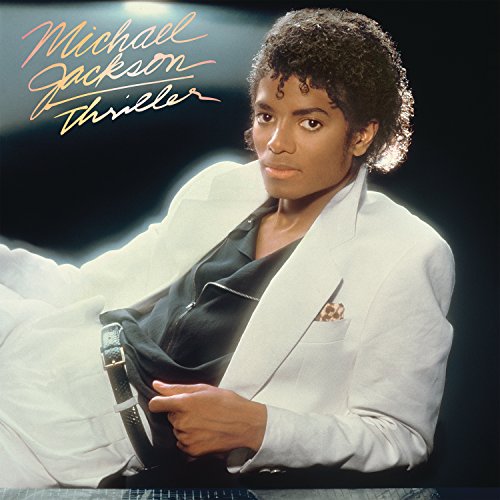
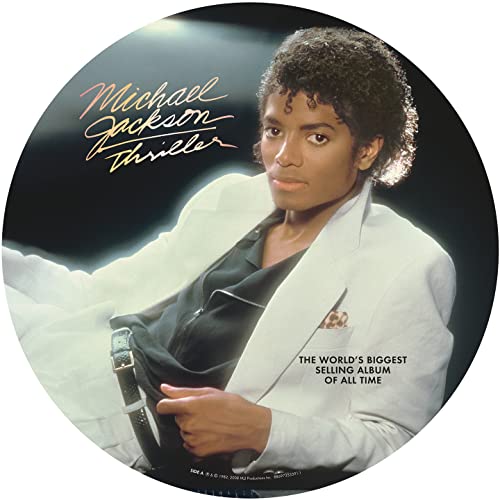
    Back in 1982, you could pick up the vinyl for around $9. Upon opening the vinyl sleeve, you’d be greeted with a foldout photograph of Michael Jackson lying on the ground with a feline cub, proving that he had a knack for out-of-this-world music and content that sold.

    Conclusion

    There’s no comparison between a cassette or CD to a vinyl record. There’s an authenticity and warmth that comes out as the needle scratches the surface of the vinyl and an emotion that you simply don’t hear in other formats. The nostalgia simply cannot be beaten, the reason we’re seeing such a resurgence in popularity among LPs.

    It may seem silly to pay $25 or $30 for vinyl when they originally sold for $7 to $10, considering inflation, they’re around the same value. So, if you’re interested in joining the vinyl craze today, the time is now.

  • Spotting Fake Vinyl Records: A Comprehensive Guide to Authenticity

    Spotting Fake Vinyl Records: A Comprehensive Guide to Authenticity

    Buying vinyl records is exciting and rewarding if you don’t purchase fake, low-quality records. It can be difficult to differentiate an official record from a counterfeit one, but it is possible. How do you identify phony vinyl records and save yourself some money?

    You can spot fake vinyl records from details that imitate an official release. Check that the print on the record jacket and label is high quality. The matrix numbers and words must be consistent with a genuine record, which you can verify using officially released images. 

    This article explains how you can check the physical characteristics of a vinyl record to identify fakes or verify an authentic product. After reading this article, you’ll be a pro at checking every little detail before investing in any vinyl record. 

    1. Understand What a Fake Vinyl Record Is

    There are two types of fake vinyl records: bootleg and counterfeit vinyl. These two terms are used interchangeably, but there are differences between them that you need to be aware of when searching for genuine records. 

    Bootleg Records

    Bootleg records are unauthorized and unreleased recordings of a performance sold without the artist’s or record label’s consent, which is illegal under copyright law. If the label releases an album digitally or on a CD, and they haven’t released an original pressing, then the vinyl record of that album will be considered a bootleg copy.  

    Bootleg releases don’t pretend to be originals because they are produced and marketed by third parties unrelated to the artist or record label. If a performance was never officially released, any product that benefits from it is fraudulent. 

    Only the copyright holders can approve the sale of original creations, as they are the only ones who can legally profit from their hard work. The artist has no control over the sales and recordings of a bootleg because these fakes are often edits of the actual performance. 

    However, you can identify a bootleg record by researching whether the artist or record label has released a vinyl of a performance.  

    Counterfeit Records

    Counterfeit records are illegally reproduced pressings that imitate official releases but aren’t associated with the record label in any way. These are hard to differentiate from official records because they are intentionally sold to fool music lovers into thinking they are getting an original pressing.  

    Counterfeits are also hard to distinguish if you judge them solely by their audio quality. Unlike bootlegs, which are third-party unauthorized releases, a counterfeit record holds an official studio recording previously released by a recording company or artist.

    You’ll encounter counterfeit records when looking for rare or expensive vinyl. Forgery can take time and money, so making fake records of cheap official copies wouldn’t be very lucrative for the seller.  

    It is more common to see fakes from a vintage collection or titles from a major artist that has long gone out of print. However, you may still see imitations from current trending artists and bands. Always inspect a vinyl record carefully before purchasing it.  

    2. Check the Jacket Sleeve

    A vinyl record’s jacket sleeve holds general product information about the record inside. With a fake record, the details on the sleeve are different from the original product. When you inspect a sleeve, you need to check the following information:

    • Matrix number
    • Font
    • Stickers
    • Material  
    • Texture (i.e., matte or glossy)
    • Barcodes

    Discogs is a website that frequently catalogs official vinyl releases and publishes the physical characteristics of their packaging on the same page. These notes can help you identify and differentiate official records from counterfeit versions, as you can compare the product you want to buy with details about the official record. 

    The vinyl’s Discogs page also allows you to browse different pictures of the vinyl record and jacket sleeve. For example, check out this Discogs page for Madonna’s ‘Like A Virgin’ vinyl.

    However, not all vinyl releases are cataloged on Discogs. If you don’t find the record you’re looking for, you will need to search for information on official record sleeves yourself. 

    Used Vinyl Records

    You can tell the condition of a vinyl record from its sleeve. Used records will show signs of age, and poor-quality counterfeits will show wear more evidently

    You shouldn’t buy a record if the jacket has been printed with very soft colors unless it’s part of the official design. Printed colors can start to fade if the vinyl record is a vintage release, but this is usually due to fading over time. If you’re holding a recent release, a sleeve with soft and weak colors is likely a low-quality print.  

    If you’re interested in buying older or used vinyl records, check out this article with tips to help determine the quality and condition of used records. 

    3. Compare Matrix Numbers

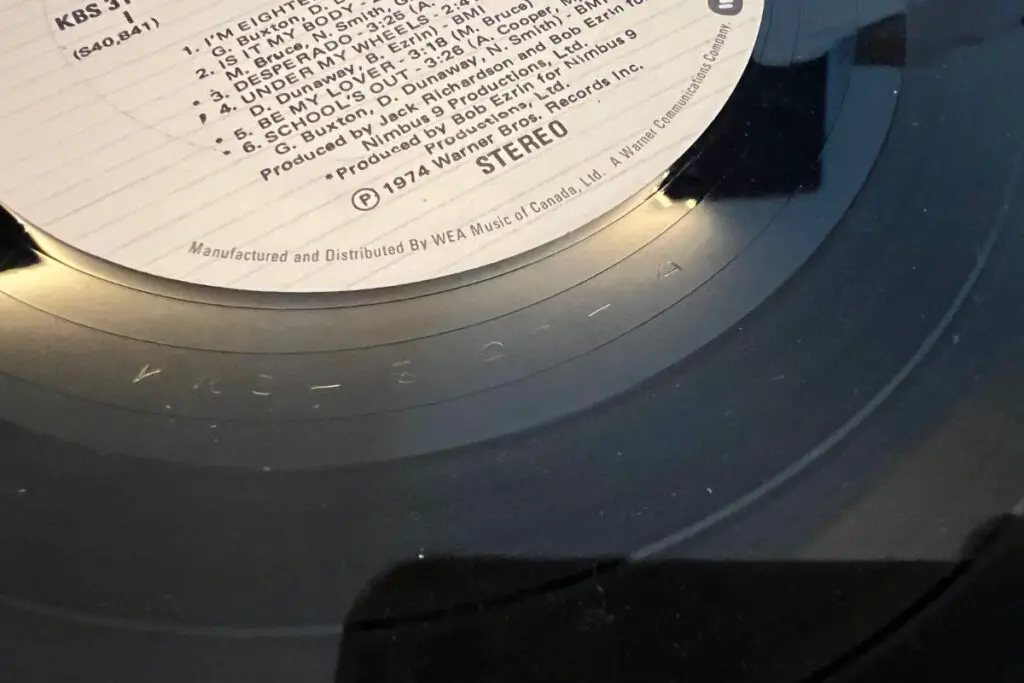
    The matrix number is a combination of numbers and letters specific to a particular vinyl record. This number is stamped into the center of your vinyl record, also known as the run-out groove or deadwax.  

    The Matrix Number is stamped into the center of your vinyl record, also known as the run-out groove or deadwax.  

    Sometimes, the matrix number is etched into the vinyl record by hand, but this doesn’t mean the record is fake. Both sides of the vinyl disc have different identifying numbers, which you can find online to check a record’s authenticity. 

    Matrix numbers have no specific meaning, so deciphering what each letter and number means won’t help you identify a fake vinyl record. However, it is an excellent tool for determining whether an album is an authorized and official release. 

    Check the Spacing Between the Letters and Numbers

    The size and shape of a matrix number on a specific official release should always look the same. The font size and spacing between the different letters and numbers should be consistent, which is hard to achieve on a phony record.  

    Counterfeit manufacturers don’t have the official stamps explicitly made for a particular vinyl record, so reproducing a perfect copy is impossible. 

    You must carefully check the matrix numbers on a record, as the difference between fake and authentic can be minimal. Always search for the original pressing’s matrix number online and compare before you buy. 

    Inspect the Etched Numbers

    The matrix number on an actual, high-quality record is usually a deep stamp into the vinyl, resulting in clear and neat etchings that users can easily identify and read. Matrix numbers that are superficial and hard to read often indicate forgery. These presses are hastily made and have a different quality than the officially released vinyl records. 

    4. Quality of the Vinyl Record

    Thickness and Flexibility

    You can tell a genuine vinyl record from a fake one by testing its flexibility and measuring the disc’s thickness. Professionally made pressings use good quality material to ensure the product’s longevity, and less flexible discs mean they are less prone to breakage. Increased thickness means increased stability on your record player, but it’s also more costly.

    Counterfeits preceding the 70s were often much thinner and more flexible than their original counterparts. Using cheaper materials in fake records production cut effort and cost for manufacturers, so more counterfeits could be sold on the market. This is why there are more fake vintage records than modern ones, as vinyl albums were the only way people could listen to music recordings back in the day.  

    Sound Quality

    Fake vinyl records usually feature lower sound quality than original releases, so test the audio quality of the record you want to buy whenever possible. For this reason, purchasing vinyl from a physical store is much better than ordering one online, as most stores have listening stations for customers. 

    The first editions of a vinyl record have the best sound out of all reissues and counterfeits. If you don’t think a record sounds crisp when you listen to it, it may be better to leave it on the shelf and continue your search.

    Online Reviews 

    Big online retailers, like Amazon.com, usually filter out counterfeit products. When you try to buy vinyl online, Amazon will make sure that the copy is not an illegal duplicate. Additionally, the review section allows customers to write product reviews if they have a terrible experience with a record’s quality or packaging.  

    When a customer notices that they have received a counterfeit product and mentions this in a review, Amazon will put the product on hold and inquire into the seller and their products.  However, that is only sometimes the case, so you can’t assume that a product is genuine because it’s available on the website.  

    5. Look at the Label

    Similar to the sleeve, the label for an official vinyl record should be a professional-quality print. Labels on all original pressings are identical, including the position of the play hole in the center. Inspect the label for the following qualities: 

    • Print material 
    • Font size and spacing
    • Color

    Fake record manufacturers often make tiny mistakes in printing the label as they rush to produce copies, so minor inaccuracies are assumed to go unnoticed by the customer.

    Final Thoughts

    In conclusion, you can determine the authenticity of a vinyl record by comparing it with details and images of original pressings. You can get a lot of information about official vinyl releases online. Still, it helps if you know what to watch out for when shopping for record albums.   

    Here are some things you should look out for when trying to spot fake vinyl records:

    • The color quality of the print on both the label and the record jacket. 
    • The accuracy of the matrix number, including the font and spacing between characters.  
    • The position of words and numbers on the record sleeve and label. 
    • The sound quality. 
  • 9 Michael Jackson Albums You Should Own on Vinyl

    9 Michael Jackson Albums You Should Own on Vinyl

    If you’re an audiophile, you know the value of listening to music on vinyl. You may wonder what vinyls are worth buying, which ones are worth scavenging, and which ones you can do with them. Michael Jackson’s music is so iconic you’ll need vinyl or two (or ten), but which ones should make the cut if you can’t have them all?

    Off The Wall, Thriller, and Dangerous are all Michael Jackson records you should have on vinyl. If you can find a copy of Live at Yokohama Station and are a fan of live vinyl, it would be a great one to add to your collection, too. This Is It is a great album if you are a fan of compilation albums.

    Michael Jackson’s music was made to be played on vinyl. The man himself said so in an interview with Oprah in 1998: “I’m such a believer in vinyl. It’s the most natural way to hear music.”

    1. Michael Jackson’s “Off the Wall” Album

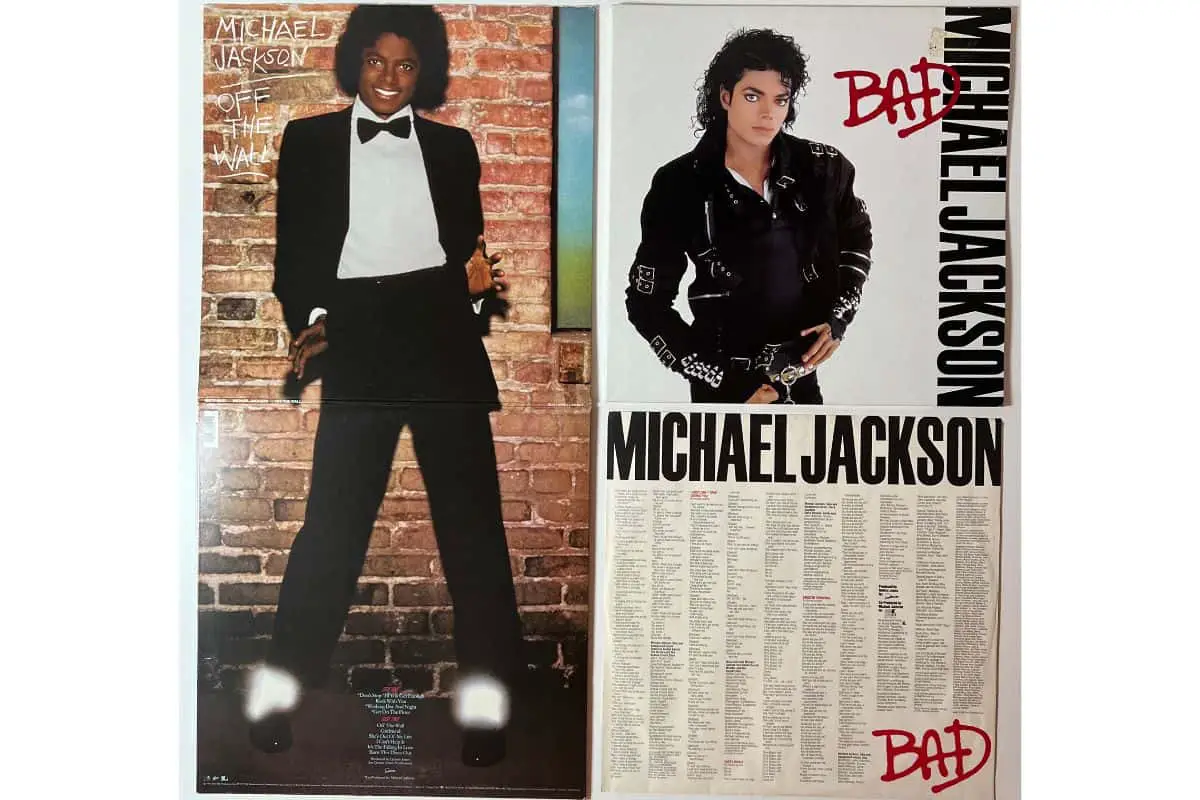
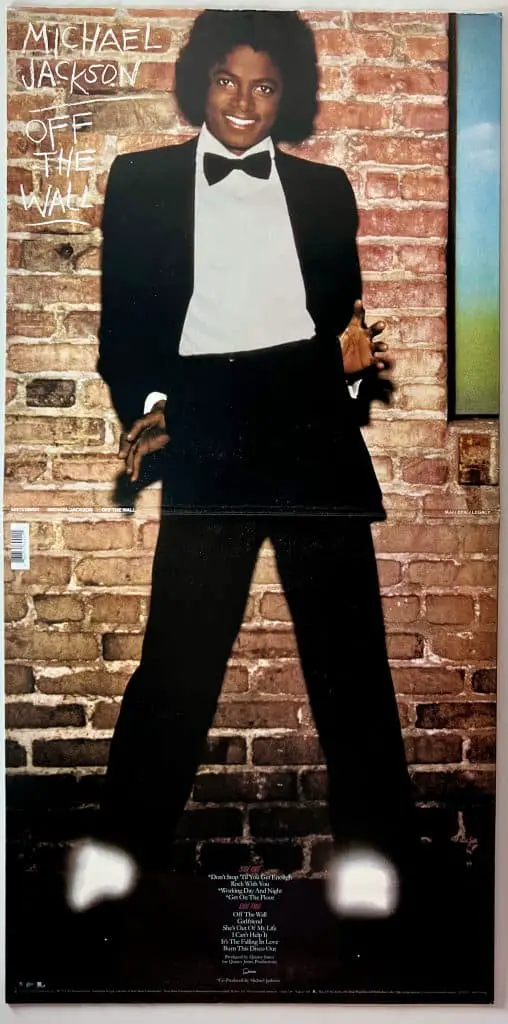
    The Off The Wall album cover is a classic photo of MJ with his afro, looking intense. He’s wearing a black tuxedo, which really pops against the stark background.

    Off The Wall by Michael Jackson

    It was released in 1979 by Epic Records on LP, cassette, and 8-track tape formats. This album surpassed “old school” forms with its timelessness. It’s also available on CD, digital download, and streaming services like Spotify and Apple Music (but if you want to own it on vinyl—and you should—it can be found at your local record store or online for a pretty affordable price).

    Off The Wall

    The recording studio used for Off The Wall was Henson Recording Studio in Hollywood, California, owned by Jim Henson Productions. The producer of Off The Wall was Quincy Jones, who also produced Thriller.

    Off The Wall

    Michael Jackson

    Off The Wall

    2. Michael Jackson’s “Thriller” Album

    Let’s face it – Thriller is an essential part of any music collection. The album was Michael Jackson’s fifth studio album and was released in 1982. It is the only album to ever have seven singles released from it that reached #1 on Billboard’s Hot 100 chart. The album was recorded at Westlake Recording Studios in Hollywood, CA, owned by Quincy Jones, who (as mentioned above) also produced Off The Wall.

    Thriller

    The record achieved incredible success during its 37 weeks at number one on the Billboard 200 chart and has sold over 110 million copies worldwide. You most likely know most of the songs on this album, too–making it the perfect record to add to your collection!

    Thriller

    Michael Jackson

    Thriller

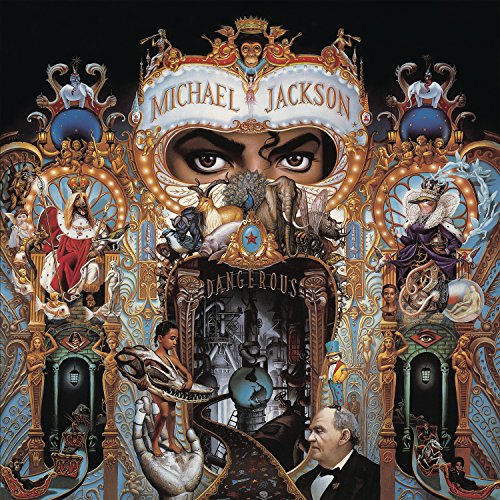
    3. Michael Jackson’s “Dangerous” Album

    What makes Dangerous so good? Well, for starters, it was the first record where Michael Jackson really took control over his music career after leaving Motown Records in 1975, thanks to his management team working their magic behind closed doors during negotiations with Epic Records executives about how much money would be invested into creating an album worthy enough for Michael himself. 

    Dangerous

    Let me tell you right now: when someone invests millions upon millions of dollars into making sure that everything goes according to plan while also ensuring complete creative freedom over every single aspect involved with making music videos, promotional materials, and so on…

    Then chances are very high that things will turn out pretty well indeed. And Dangerous did just that. 

    Dangerous

    Michael Jackson

    Dangerous

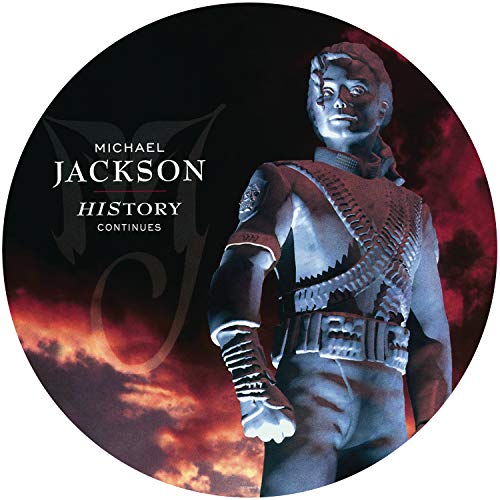
    4. Michael Jackson’s “HIStory Continues” Album

    Michael Jackson’s History Continues, released in 1995, is the second of three consecutive albums on which Michael Jackson worked with producer Teddy Riley. The album is notable for containing the singles “You Are Not Alone” and “Scream,” both of which were certified platinum by the RIAA. HIStory Continues also has many celebrity appearances, some of which may surprise you.

    HIStory: Continues

    HIStory

    Michael Jackson

    HIStory

    5. Michael Jackson’s “Live at Yokohama Stadium” Album

    You should own the album Live From Yokohama Stadium by Michael Jackson on vinyl because it’s an album that has stood the test of time, and it’s still one of the best live albums in pop music history.

    The record was recorded at Yokohama Stadium in Japan during Michael Jackson’s Dangerous World Tour. The show itself was wildly successful and sold out within minutes. The set list included classic hits like “Billie Jean,” “Beat It,” and “Bad.”

    If you love Michael Jackson’s music, then you’ll love this album! Live versions of songs always have a different flavor, and this album will be interesting to listen to on vinyl. The songs and sounds of the audience will transport you to a different place

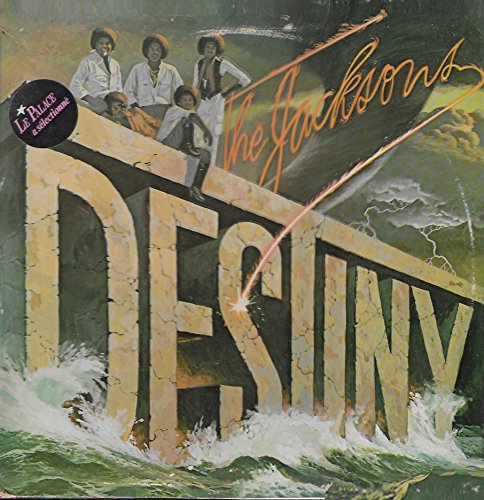
    6. The Jacksons “Destiny” Album

    It’s hard to believe that The Jacksons Destiny Remastered was released in 1980 because it feels like it’s been around forever. This is the last album to feature Michael Jackson’s brothers before his death in 2009. It’s also the last time we got to hear them perform together as a group. The Jackson 5 were one of my favorite groups growing up, and I still love listening to their music today—and if you’re a vinyl fan, there is no better way than with this remastered version on vinyl!

    Destiny

    The Jackson 5 was really the beginning of Michael Jackson’s career, so this record is a necessity for any Michael Jackson fan’s collection. You get to listen to the beginning of his music career and the talent that is the rest of the Jackson’s. This album was also made to be listened to on vinyl – because that’s all that could be listened to when this album came out. You’ll notice some beautiful things while listening to it, things you wouldn’t be able to listen to just via headphones! 

    Destiny

    The Jacksons

    Destiny

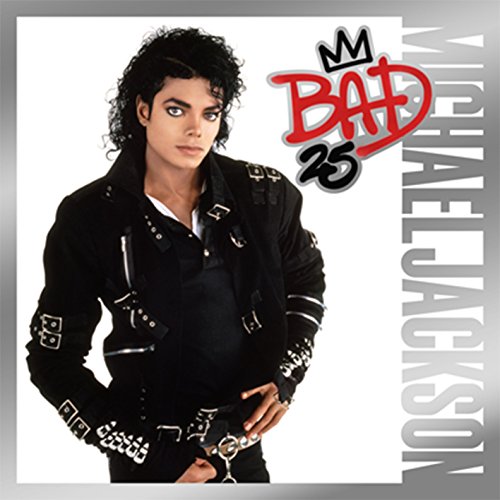
    7. Michael Jackson’s “Bad: 25th Anniversary Edition” Album

    The album is packed with hits—it’s the reason why you know all those dance moves. From “I Just Can’t Stop Loving You” to “Man In The Mirror,” this double LP will have your whole family dancing in no time.

    Bad - 25th Anniversary

    It also features some of Michael Jackson’s best work, including “Bad,” which won him his first Grammy Award for Best R&B Song in 1987, and “The Way You Make Me Feel.” If you’re looking for a record that will help keep the music alive while introducing your kids to one of the greatest artists ever, this is it!

    Bad

    Michael Jackson

    Bad

    8. The Jacksons “Triumph” Album

    Released in 1980, Triumph Remastered includes the singles “Can You Feel It” and “Torture.” This version of Triumph was remastered in 2008 by Sony Music Entertainment. The album features the hit songs “Get It Together,” “Together Again,” and “This Place Hotel.”

    Triumph

    “Thriller” and “Bad” are popular vinyls, so much so that you can find them nearly everywhere. The special thing about “Triumph” is that it’s a rarity amongst the vinyl community–only a true Michael Jackson fan will have this on their shelf. 

    Because of the way these songs were recorded, they really shine when played on vinyl. The bass is more prominent, which makes it easier to enjoy the work of James Jamerson and Louis Johnson. Triumph also has a special feel when you play it–you can listen to it all the way through while relaxing, play it while cleaning, or show it off to friends. 

    If you’re looking for a way to get into collecting vinyl records, this is a great place to start—the album has sold more than 8 million copies worldwide since its release in 1989!

    Triumph

    The Jacksons

    Triumph

    9. Michael Jackson’s “This Is It” Album

    You should own the album “This Is It” on vinyl because it is a great record, and you will want to listen to it repeatedly. The record was released shortly after Michael Jackson’s death, and it features tracks that were recorded during his last days before his passing. The album includes songs like “Beat It,” “Smooth Criminal,” “Dirty Diana,” and many more of his popular hits from the past 30 years.

    Michael Jackson's This Is It [Vinyl]

    If you are a Michael Jackson fan, then this album is definitely worth purchasing for your collection. You will not be disappointed! The album cover itself is a glorious addition to any display wall, and the album will have all of the songs everyone loves. This is an easy one to break out for those who like a classic Michael Jackson song. 

    This Is It

    Michael Jackson

    This Is It

    These Are the Top 9, but Any Michael Jackson Album Will Do

    To be completely honest—you can’t go wrong with Michael Jackson.

    If you can find a used version of any of his albums, you should pick it up and at least test it out. You never know how much of a rarity you may have found, either. Today, some Michael Jackson records are sold online for thousands of dollars (with one copy going for $8K!), but there are plenty more just sitting around waiting for someone like you to come along and give them new life by putting them onto your turntable at home or the office. 

    Some of his other classics that have been remastered for vinyl are:

    • Got To Be There
    • Dancing Machine
    • ABC
    • Music & Me
    • HIStory Past, Present, Future
    • Michael Jackson Revisited
    • Invincible

    If you can find a Michael Jackson record, you really can’t go wrong!

    Picking Vinyl That Fits Your Lifestyle

    ​​All audiophiles know that picking the right vinyl isn’t as simple as picking something with a song or two you like (though this is totally acceptable!). Picking the right vinyl has a lot to do with your set-up, your lifestyle, and what you’re buying your vinyl for. 

    In order to get the most out of your vinyl experience, you need to know what makes a good record. Your favorite song is just one part of it; there’s more to consider than sound alone. A well-made vinyl is not only pleasing to listen to but also aesthetically pleasing in terms of its packaging and quality. If your record player is old and doesn’t play used vinyl well, you’ll also need to budget for buying brand new vinyl (which can be costly). 

    First and foremost, the weight of the album matters—it should be heavy enough that you feel like you’re holding something substantial in your hands. The cover art should be visually interesting, whether that means an elaborate illustration or just some well-chosen fonts and colors. The music itself should be crisp and clear; any crackling or hissing will distract from your listening experience rather than enhance it (unless those sounds were deliberately added for effect).

    Where To Get Vinyl Records 

    You can find vinyl records in all sorts of places. They’re not just for people who have a lot of money and like to collect things; they’re also for people who love music and appreciate history – and they’re available in more places than you might think. You can order them online or even find them at garage sales and thrift stores.
    If you want to get them online, then make sure that the website has good reviews and has been around for a while. This is because there are many fake sites out there that will sell you bad copies of old albums or no copies at all!

    Check out these articles that I wrote about where to buy new vinyl (and used) online.

    If you are visiting a new city you might be interested in these vinyl record store city guides.

  • The 10 Best Christmas Vinyl Records [2022]

    The 10 Best Christmas Vinyl Records [2022]

    If you want to feel extra cozy this holiday season, consider listening to the best Christmas vinyl records of all time. There’s something special about sitting by the tree with family and listening to famous songs. And with so many albums to choose from, it’s challenging to pick the right one! 

    Here are the ten best Christmas vinyl records:

    1. I Dream of White Christmas, Norah Jones
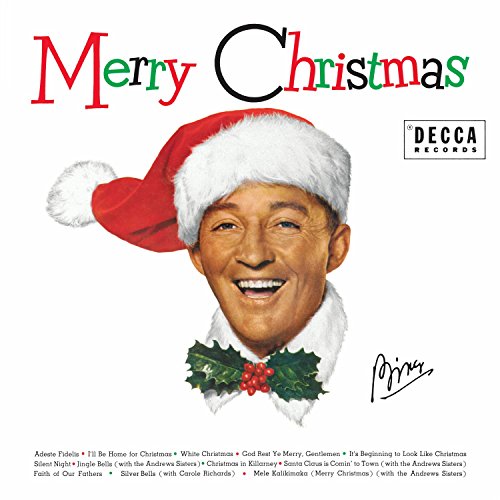
    2. White Christmas, Bing Crosby
    3. The Beach Boys Christmas Album, The Beach Boys
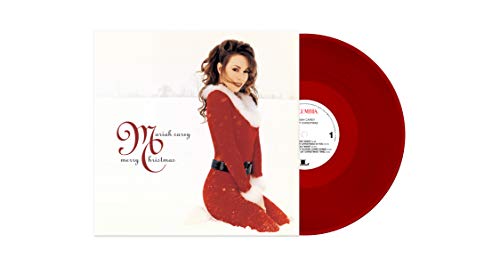
    4. Merry Christmas, Mariah Carey
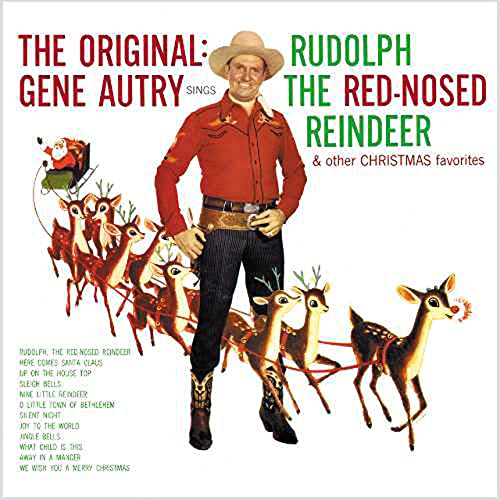
    5. Rudolph the Red-Nosed Reindeer, Gene Autry 
    6. Christmas With the Chipmunks, Alvin and the Chipmunks
    7. Elvis’ Christmas Album, Elvis Presley
    8. Soul Christmas, Various Artists
    9. A Charlie Brown Christmas, Vince Guaraldi Trio
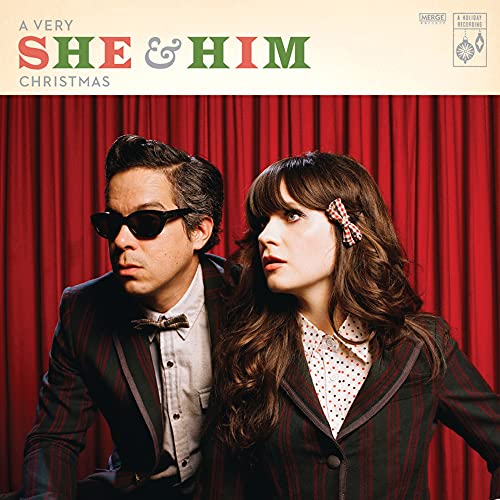
    10. A Very She & Him Christmas, She & Him

    I’ll go into more detail on these top Christmas vinyls (all available on Amazon.com) in the article below. This list will help you discover the best albums to play at home this holiday season. Let’s begin!

    1. I Dream of White Christmas, Norah Jones

    I Dream Of White Christmas, sung by Norah Jones, is probably the best Christmas album to have on vinyl this year. It’s nostalgic for most of us and contains many original songs and covers. Jones’ unique voice adds to the magic, by bringing out the best in every track.

    I Dream Of Christmas [Amazon Exclusive White LP]

    One of the most popular tracks on this record is Christmas Don’t Be Late, a cover of the song made famous by Alvin and The Chipmunks. Jones slows down the original, creating a relaxing swing tune that’s perfect for a night by the fire.

    Some other popular songs on this album include:

    • Blue Christmas
    • Run Rudolph Run
    • Christmas Time Is Here
    • Have Yourself a Merry Little Christmas

    This vinyl is a high-quality reprint of the original record, with songs that are jazzy and upbeat, creating the perfect atmosphere for your holiday at home. 

    Take your time listening to this vinyl as it’s perfect for creating happy memories as you spend your time at home with family. The songs will remind you of fireplaces, Christmas trees, and plenty of snow, and you’re sure to feel the magic in the air!

    Overall, Norah Jones on vinyl is perfect for Christmas, and her voice smoothly blends into the background, creating a beautiful, festive atmosphere. This album is warm, fun, and definitely one of the best Christmas vinyl records of all time.

    2. White Christmas, Bing Crosby

    White Christmas by Bing Crosby is another classic Christmas album you’ll want to have on vinyl. It was the best-selling single worldwide back in 2012, having sold over 50 million copies. It also happens to be the best-selling Christmas record of all time. 

    Merry Christmas

    Aside from its unique mix, this vinyl also comes with plenty of classic tracks, like I’ll Be Home For Christmas and Jingle Bells.

    The album also has exciting remakes, like Bing Crosby’s version of Silent Night, another best-selling single you don’t want to miss. You’re sure to enjoy spending time with family listening to Crosby’s soothing voice as you relax.

    Bing Crosby’s holiday tracks are iconic, and it’s best to add this album to your list this holiday season.

    3. The Beach Boys Christmas Album, The Beach Boys

    The Beach Boys created their holiday album back in 1964, and you can find plenty of classic records as well as reprints online today.

    The Beach Boys' Christmas Album [Mono LP]

    You’ll find plenty of classic carols on the tracklist, remixed with The Beach Boys’ lively and sunny style. The album gives off a summer vibe instead of a wintery one, and is ideal for an upbeat Christmas party.

    The most iconic song on the tracklist is Little Saint Nick. It sounds like a classic song by The Beach Boys, with a unique twist to the melody. You’ll also find the famous Frosty the Snowman and White Christmas on this record.

    In short, The Beach Boys Christmas Album is a must-have for avid vinyl collectors, especially if you’re into musicians of the 60s. 

    4. Merry Christmas, Mariah Carey

    All I Want For Christmas Is You can be heard on repeat throughout the holiday season. The song can quickly get stuck in your head and has been extremely popular since its release. And if you want a better quality on vinyl, the Merry Christmas album by Mariah Carey is for you.

    MERRY CHRISTMAS (180 GRAM RED VINYL 20TH ANNIVERSARY EDITION)

    The album is full of Christmas classics from the mid-90s, with Mariah Carey giving her all to singing the lyrics, making it the perfect vinyl to play at any Christmas gathering. 

    Her vocals are moving and powerful, especially in the more somber tracks like O Holy Night. 

    If you love 90s pop music, Merry Christmas is the ideal album for you. Playing Carey’s tracks on vinyl is an entirely new experience, and even if you’ve heard her sing before, you’re sure to feel something different listening to her voice on a high-quality record.

    5. Rudolph the Red-Nosed Reindeer, Gene Autry

    This vinyl has the popular Rudolph the Red-Nosed Reindeer sung by Gene Autry. It’s a classic and one of the most well-known Christmas songs of all time.

    The Original Gene Autry Sings Rudolph the Red-nosed Reindeer & Other Christmas Favorites Record Album LP Vinyl

    This particular album has a special, limited edition red vinyl to pay tribute to Rudolph and the holiday season. It’s sought after by avid collectors, but you can find modern reprints in abundance. And whether it’s the original or a reprint, the music is outstanding! 

    The record also has plenty of other iconic Christmas tracks, perfect for bringing in those exciting Christmas mornings. If you love the classics, such as Up On the Housetop, you’re sure to enjoy this album.

    Rudolph The Red Nosed Reindeer And Other Christmas Classics

    Additionally, Gene Autry was a country-music icon, so you’ll notice plenty of country themes in the album’s tracks. This warm, country vibe is loved by many, making it one of the best vinyl albums for the holiday season.

    6. Christmas With the Chipmunks, Alvin and the Chipmunks

    Christmas With the Chipmunks is one of the best albums to own when you have kids at home. Most kids love listening to the voice of The Chipmunks and you can use this vinyl to spice up their winter break.

    Christmas With The Chipmunks [LP]

    Ross Bagdasarian, creator of Alvin and the Chipmunks, experimented with pitch and meddled with voices until he achieved the “chipmunk effect” you’ll hear on this album. This effect allowed the Chipmunks to become a significant part of pop culture in the 50s and 60s. 

    This album contains plenty of holiday songs, and there’s a second volume as well, with an additional eleven tracks. 

    Christmas Don’t Be Late is a Chipmunk original and was extremely popular when the album was first released. Today you’ll find plenty of Christmas albums with unique covers of this song. 

    Alvin And The Chipmunks is a nostalgic journey to many people, making it one of the most coveted albums on this Christmas list.

    7. Elvis’ Christmas Album, Elvis Presley

    The King of Rock and Roll released a Christmas album containing plenty of tracks in 1957. You can find many reprints and originals in good condition today.

    The Christmas Album - Colour Vinyl [VINYL]

    The album is a classic, and can still set the Christmas mood today, with a mix of fun, upbeat songs, and slower religious tracks. There are two main themes on either side of the vinyl, so you can switch things up depending on the mood you want at your gatherings. 

    Elvis Presley was at the peak of his fame during the mid-1950s when this vinyl came out. This time was characterized by great change, and you’re sure to love the nostalgic, vintage feel that his Christmas music gives off.

    Elvis’ vinyl is an essential part of any Christmas collection, so you don’t want to miss out on this one. All the tracks are recognizable, and you can sing along while baking holiday sweets or wrapping presents.

    8. Soul Christmas, Various Artists

    This vinyl contains plenty of soul songs from various artists, one of them being Clarence Carter’s Back Door Santa, which is a fun and funky piece that’s perfect for the season. 

    Many vinyl lovers consider this album a must-have just for that particular track. Aside from this song, the vinyl contains a vast collection of music with plenty of songs from the soulful 60s.

    You’ll find between eight and eleven classic songs on the vinyl (depending on if you get the original or the reprint). And the album is ideal for those looking for an RnB vibe on Christmas.

    It’s a classic vinyl that you’ll want to run in the background while everyone is enjoying Christmas dinner.

    All the songs on this album are considered essential for the holiday season. You’ll also find this vinyl in a variety of different pressings, in case you’re particular about getting yourself an original.

    9. A Charlie Brown Christmas, Vince Guaraldi Trio

    The Charlie Brown Christmas Special airs on TV every year and is a movie for people of all generations. 

    The songs from the show contain happy memories for the older generation, and you can replicate these warm feelings at home with your family by playing the vinyl.

    Vince Guaraldi Trio ‎– A Charlie Brown Christmas Limited Edition Red Vinyl LP [VG+/NM-Condition]

    The album contains plenty of jazz and swing music, which can have a relaxing effect when played in the background. The songs are highly recognizable, making the album a delight at any Christmas party you plan on hosting.

    On the whole, this music brings to mind winter scenes from the famous Charlie Brown movie. You can enjoy the sounds of this album from the comfort of your home with your loved ones. It’s a great accompaniment while decorating the Christmas tree and will help create happy memories with the family.

    10. A Very She & Him Christmas, She & Him

    A Very She & Him Christmas is a modern pop-and-rock album featuring Zooey Deschanel and M. Ward. The pair covers 12 classics, with Baby It’s Cold Outside being one of the most popular on record.

    A Very She & Him Christmas - Exclusive Club Edition Candy Cane Colored Vinyl LP (Only 500 Copies Pressed Worldwide!)

    The deluxe edition comes with a silver tinsel vinyl, while some other versions of the record include a pair of mittens. However, if you’re looking to find the original or a reprint, you should be able to locate them online with some research. 

    Deschanel has a smooth-sounding voice, which lends itself beautifully to the Christmas songs. And whether you’re a fan or not, you’re sure to love the tracks produced by this duo! 

    A Very She & Him Christmas comes packed with plenty of classics with a modern spin. The best part is that you can hear the vocals more in-depth on vinyl than through other types of media.

    Where To Find Christmas Vinyl

    If you’re looking for the best Christmas vinyl, you have plenty of options. You can check local record stores for the best deals. Plus, you’ll get to check out the records in-person before you buy them. However, not everyone has one of these shops in their area.

    With vinyl skyrocketing in popularity over the recent years, you can now find records at various stores. Amazon also now carries plenty of Christmas albums for you to browse. It’s easy to find vinyl online today when it was more difficult in the past.

    That way, you can find the best Christmas vinyl easily from home! You won’t need to leave and brave the cold to scout out the newest holiday albums to add to your collection. If you do decide to check out stores in person, you can also check their web page first to ensure they have the vinyl you want before you arrive.

    Overall, vinyl and record players are more popular now than in previous years. You can find plenty of high-quality records, no matter where you live.

    Why Choose Christmas Vinyl

    Christmas music is essential around the holidays! These songs carry feelings of comfort and nostalgia, so many families love playing them during Christmas events. Vinyl helps you enjoy your music, so it’s also the most popular choice for holiday albums now.

    Vinyl records offer better audio quality than digital formats, like streaming music or CDs. You’ll get better-sounding Christmas music overall and an added richness and depth to the music. These features make vinyl the best option for listening to holiday tracks!

    In short, many people prefer how vinyl records sound. Suppose you want to listen to your favorite Christmas songs with the best possible audio quality.

  • Original vs. Reissue Vinyl Records: Which One To Buy?

    Original vs. Reissue Vinyl Records: Which One To Buy?

    If you’re a music lover and a vinyl enthusiast, you may often find yourself facing the dilemma of whether or not to buy an original pressing of a record or a reissue. You want your records to sound the best they can, so this is no small question. Both options have their pros and cons, so the choice is ultimately up to you and your priorities. 

    You should buy an original vinyl record if you’re particular about the way you want your music to sound, are a seasoned collector, or simply want to showcase the vinyl. If you’re more of a casual listener or on a tighter budget, buy a reissue vinyl record instead.

    Let’s take a closer look at the differences between these types of vinyl records and the pros and cons of each. By the end of this article, you’ll have a better idea of which kind of vinyl record is best for you and which to buy the next time you find yourself in this conundrum. 

    What Are Original Vinyl Records?

    Original vinyl records are records that were made from the initial batch of lacquers in the production process and cut using the original master recordings. 

    Many record collectors hold original vinyl records on a pedestal because they are more valuable and rare than reissues. However, it is important to note that just because a record is an original does not necessarily mean that it is the best quality; this depends on the year the album was released and who mastered the original. 

    To understand this, let’s look at how vinyl records are made. The first part of this process is preparing the tracks for pressing. To do this, musicians bring a digital audio file of the track to mastering engineers. These engineers then optimize the quality of the file by adding levels and limiting, sequencing, equalizing, splitting, and selecting the rotation speed. 

    After the digital files are optimized, the files are imprinted onto a lacquer plate. After this master is created, it goes through Electroforming or Direct Metal Mastering. Then, the stampers are taken to a press, where they’re stamped onto pre-heated vinyl. 

    This process has undergone various changes throughout the years, which explains why the quality and consistency of records change between decades. 

    In general, original vinyl records that were created before the 1970s are considered the best original pressings available. The pre-1970s were a golden age for record production, and because records were practically the only way people could purchase music, much effort and care was put into their production. 

    Additionally, because so many people were buying records, there was a lot of competition amongst the record companies to create the best-sounding records possible. These companies used the best mixes and techniques and brand-new production plants to create records that sounded incredible. 

    In the 1970s, energy consumption problems forced production companies to reduce costs, so some began to melt down unsellable records and use the scraps to make new records, reducing sound quality. Additionally, the companies began to reduce the thickness of the record discs to cut down on costs. 

    After cassettes and CDs became the primary way to listen to music in the 1980s, vinyl sales declined, and engineers stopped putting as much effort into the original record pressings. If reissues were ordered, even less effort was put into this production process. 

    Records started becoming more popular again in the late 1990s and early 2000s, so more vinyl records were being made. Still, there were fewer knowledgeable engineers, and the processing plants and technologies were out-of-date. Nowadays, there are more skilled engineers and updated equipment, so original pressings are back to the quality they once were. 

    Because of this history, original pressings can sound absolutely incredible or less-than-ideal, depending on the album’s release date and who mastered it. Still, many audiophiles and serious record collectors consider an original pressing to be superior to a reissue no matter what. 

    Pros and Cons of Original Vinyl Records

    Let’s take a look at some of the benefits of purchasing original vinyl records: 

    • Original vinyl records usually have superior sound quality. True audiophiles will be able to tell the difference between a first pressing and a reissue, and almost always, they prefer the original. If you’re picky about sound and want a record that was definitely made from the master recordings, the original pressing is the way to go. 
    • You’re listening to an authentic version of the album, the way it was intended to be listened to. When an album is reissued, the engineer can change how the original sounded. This means that you’re not hearing the album the way the original artists and engineers intended for it to be heard, which takes away from the authenticity of the experience. 
    • The pressing is made from the original master tapes. Some reissues also use the original masters, but if you have an original vinyl, you’ll know for sure that you have a record made with the originals if you get vinyl from the first pressing. 
    • You get the original album art. The album artwork is an important part of the overall record, and sometimes reissues change the art. 

    As incredible as original vinyl pressings are, they come with some disadvantages: 

    • Original recordings can be extremely expensive. Because original pressings are limited and rare, they are higher priced, occasionally by a lot, depending on how desired the record is. Original pressings of classic albums can cost thousands of dollars, whereas big labels reissue these classics for a fraction of the price. For example, an original stereo copy of Yesterday and Today will set you back $25,000.  
    • Older originals were pressed on thin vinyl. Thin vinyl is more likely to warp, which ruins the listening experience. On the other hand, most reissues are made with 180-gram vinyl, making it more likely to sit flat on a deck and play as it should. 

    What Are Reissue Vinyl Records? 

    Reissue vinyl records are records that are being rereleased, and they don’t necessarily use the original master recordings. They can feature different materials than the original vinyl. 

    The term reissue applies to a variety of releases. Typically, these reissues vary from the original in many ways, including the sourcing of the masters, packaging, cover design, format, and country of origin. Reissues tend to come with bonus tracks and other bonus items, including inserts and posters. 

    Serious record collectors may look down on reissues, but they are more accessible and available than original pressings.  

    Pros and Cons of Reissue Vinyl Records 

    Many serious record collectors prefer original pressings; however, purchasing a reissue comes with its own set of advantages. Here are some of the pros of reissued records: 

    • Reissues are more affordable than original pressings. Reissues aren’t as rare, so you can usually get a reissue for far less than the original. A reissue of an album can cost $12-$40, while originals can cost hundreds or even thousands of dollars, depending on the record’s rarity. 
    • Reissues are more widely available and accessible than originals. It’s possible that you won’t be able to find an original version of the album that you want, especially if it is old and rare. You’ll have to go through the trouble of tracking down the original if you want it, and you may not be able to do this. 
    • Sometimes, engineers improve the sound quality of the original. Original pressings, while more authentic, may have various sound problems that engineers can improve on in a reissue. Remastered versions are often easier to listen to, and the sounds are more balanced. 

    However, there are some drawbacks. These are the disadvantages: 

    • A reissue can feel like a less authentic experience because engineers and producers can chop and change things from the original and alter the way the record was meant to be heard. Engineers tend to increase the loudness in remastered versions, which results in a “loudness war.” Additionally, reissues can sound more polished than the original version. 
    • Some reissues source a pressing from a CD or a digital method. If a reissue does this, the record will almost always sound worse. This is common for pirated records. 

    Original vs. Reissue Vinyl Records: Which Is Better 

    The kind of vinyl you should buy will ultimately depend on your priorities and preferences. Both kinds of records have their advantages and disadvantages. However, here are my suggestions for which record to buy depending on the following circumstances: 

    When To Buy an Original Pressing

    • You’re a serious record collector. Collectors of vintage vinyl will naturally want the earliest possible pressing they can get. Original vinyl is the closest to the original master recording, making for a special listening experience that is a snapshot of a moment in time. Additionally, the visual aesthetics of an original are important to many collectors. 
    • The record you want to buy is important to you or holds sentimental value. If the record you’re looking for is special to you, you’ll want it to be as authentic as possible. Generally, if you’re willing to track down an original pressing of a record and pay the price for it, you should. It’s something you’ll be able to keep and admire forever.  
    • You’re picky about how your music sounds. The original pressing is usually as pristine a listening experience as possible. Originals are without the degradation that comes from decades of remastering and remixing. Some reissues use a CD or a digital copy of the music, which can have disastrous results. Ask any vinyl enthusiast about Amy Winehouse’s Back in Black, and you’ll get an earful about this.  
    • You want to put the record on display. Some people frame their record artwork or display it in some other way, and if this is your goal, you’ll definitely want the original artwork and the visual effect of the original. 

    When To Buy a Reissue

    • You’re on a tight budget. The reality is that if you can’t afford an original pressing of an album, the next best option is to get a reissue. Reissues are available for a fraction of the cost, so if the original is out of your price range, the reissue probably won’t be. 
    • An original pressing of the record you want isn’t available. Some original pressings of older and more classic records simply aren’t available. For example, you probably won’t be able to get an original pressing of a Beatles or Elvis Presley album. Therefore, if you want to be able to listen to the King on vinyl, you’re going to have to be happy with a reissue. 
    • You just want the record to listen to, not necessarily to show off. For casual listening, spending less and getting a reissue makes more sense. If you’re not going to be showing off the aesthetic of the album or bragging about it to your friends, a reissue will get the job done. 
    • You can listen to both versions and can’t hear the difference. If you’re buying your record in person at a record store (which you should try to do if you can, to support local music businesses), there’s a chance you’ll be able to listen to both versions of the record in the store before purchasing. If you do and can’t hear a difference, why not go for the cheaper option and save some money? 
    • You prefer quantity over quality. If you’re just starting with your record collection, or if you love a wide range of genres and want to have lots of options for listening at home, you will want to buy more records. If you blow your entire budget on one original pressing, this may not be possible. You can probably snag five or more reissues for the cost of one original. 

    Conclusion 

    Ultimately, whether to purchase an original pressing or a record reissue depends on your budget and personal preferences. An original vinyl record may not be accessible to you for various reasons, but there’s something special about owning an original version of a record you love. On the other hand, reissues are more affordable and available, but they may not sound as good or feel as exceptional.  

  • What Are Blank Vinyl Records? (Let’s Find Out)

    What Are Blank Vinyl Records? (Let’s Find Out)

    Maybe you happened upon a box of blank vinyl at the record store or are researching how to make your own vinyl mixes. Whichever the case, information about blank records is few and far between. 

    Blank vinyl records can be used as decoration or turned into your own personalized vinyl. You’ll need some expensive equipment to add music to a vinyl (it’s not as simple as burning a CD), but it is possible. More often than not, though, bulk blank vinyl is used as decoration. 

    You can use blank vinyl records for either of the above usages, but know that the latter will be a bit more difficult. Below, I’ll discuss the uses of blank vinyl records and where to get them. 

    Pressing Blank Vinyl Records

    Blanks are not pressed on vinyl. They’re not produced by a record company. They don’t come with cover art or barcodes and aren’t sold in stores. So why would you want one?

    If you’re an audiophile, there’s a chance you like to listen to music on vinyl records and you already own the equipment needed to play them (a turntable). You know that the best way to listen to music—even better than CDs or streaming—is on vinyl records. So you might be thinking that if you can’t find an album available on vinyl from your favorite artists or bands, then making your own custom compilation of songs from your favorite albums is the next best thing!

    Unfortunately, the process isn’t as cut and paste as burning CDs. 

    Special Equipment Is Required 

    The journey of pressing a vinyl is going to be a long one. If you’ve found a blank vinyl record, the first thing you’ll probably notice is that there aren’t any raised lines on it, like on one that has music. It’ll be flat and shiny, like the fake ones you may see used as decorations. 

    This video shows the entire process and explains how music gets put on a vinyl:

    As the video shows, it’s not a process suited for doing at home. You’d need the room, the time, the space, the money, and the electrical capacity! 

    You’ll need some pretty expensive equipment to record a sound onto vinyl. But it’s not impossible if you have found a box of blank vinyl!

    Blank Vinyl Records Are Usually Pressed at Specific Businesses 

    A vinyl press is required for putting any music on vinyl, and they are difficult to come by. 

    Recording studios often have the equipment, and some Etsy storefronts even offer services for adding music to vinyl. You’ll also likely need tons of electricity in your home to keep one running. 

    As the video showed, there are places where you can press your own vinyl, but the rates will vary. You’ll also have to press your own music at a vinyl pressing business, as adding other songs (mix-tape style) would raise some copyright and legal red flags. 

    I’ve seen ways around this, though, to make blank vinyl records usable for even those who don’t make music. Some will record important moments or use them as guest books at their wedding and then have those pressed to vinyl. Again, doing this at home is no joke! Here is a step-by-step video of the process:

    If you have a master all ready to be pressed, you have a good head start.

    Other Ways to Use Blank Vinyl Records

    If you’re just excited about finding blank vinyl records and have no interest in pressing them, there are other creative ways to use them. 

    You can use blank vinyl records as gifts. I’ve seen Etsy storefronts or friends write song lyrics on vinyl records, then frame them or even make furniture. You can find blank vinyl records at most party stores for sock-hops or themed parties—these ones are made of plastic, though. 

    The furniture possibilities are endless. I’ve seen blank vinyl records used as:

    And these are just the things you can look up tutorials for! You can use blank vinyl records for most anything if you don’t plan to add any music. Better to use blank vinyl records than records with music on them from the dollar bin—it’s blasphemous to destroy a vinyl record and use it as furniture just because you don’t like the music!

    Blank vinyl records are basically like blank CDs–back in the day. We used to “burn” CDs and add things to them. You could add music, video, or even programming. Add stuff to it, and you’ll be able to play it! For the younger kids, it’s essentially a blank playlist.

    However, making vinyl is a little more tedious and requires expensive equipment. For this reason, you’re more likely to find people using blank vinyl records as decoration.

    Where To Buy Blank Vinyl Records

    Blank vinyl records are sold in various ways, from bulk purchases to individual sleeves.

    The cost of blank vinyl records depends on a few factors. If you’re looking for a cheap way to make your own custom record collection or just want to experiment with turntable technology, most blank LPs will be pretty affordable. 

    You can find them online and in stores at places like department stores. Prices will go up accordingly if you want something more high-quality or if you need a specific size.

    Remember, though, that the equipment to press your vinyl will be expensive. Depending on your budget, you may be better off finding a service or going into a local recording studio with a vinyl press. 

    Conclusion

    If you’re looking for a way to preserve your own music, or if you want to give someone an unforgettable gift, blank vinyl records may be the perfect option. They can be used with any type of audio format and come in various colors and styles, but it’s a bit of a hassle to add music to them. You’ll need to find the right place to print it out, or invest in expensive equipment and find a place to print them yourself.

  • What Is a Picture Disc Vinyl? Let’s Find Out!

    What Is a Picture Disc Vinyl? Let’s Find Out!

    I love music, from the acapella at church to the sound of my surround sound system. Yet, one memory impossible to replicate is the joy of listening to my grandpa’s vinyl collection. The sounds from my childhood memories are difficult to duplicate with any other type of music.

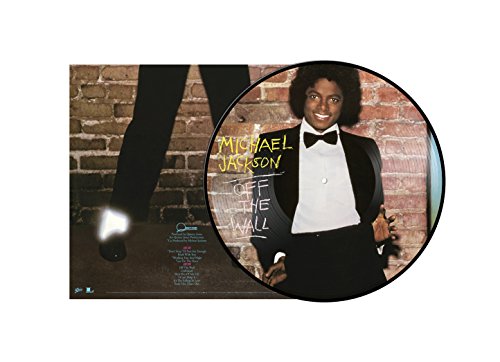
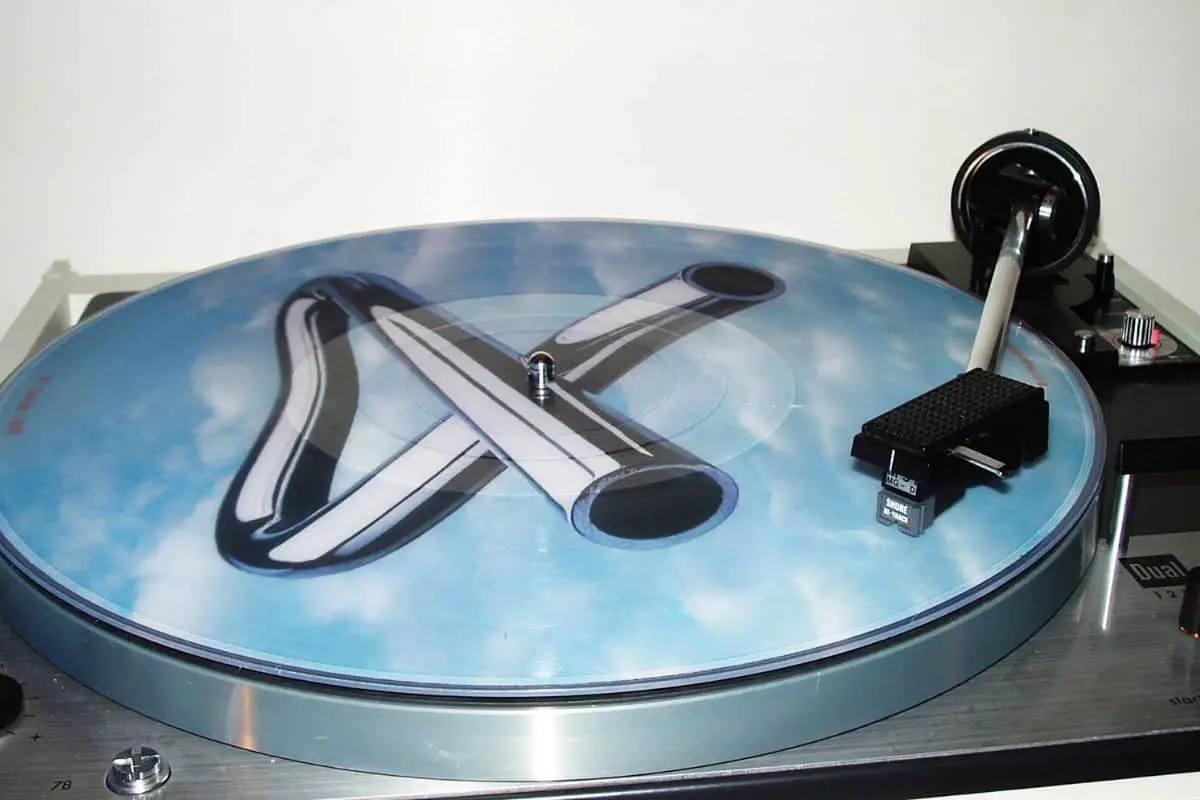
    A picture disc vinyl is a custom vinyl record with images on the disc’s playing surface, unlike a regular vinyl record with a black background. The images are usually of the artist or band that recorded the music or other things related to the album or band.

    The vinyl record format has been around for decades, but this format is seeing a resurgence in popularity. In this article, I’ll discuss the reasons behind the vinyl revival and how people are rediscovering the joys of listening to music on wax.

    Understanding the Resurgence of Picture Disc Vinyls

    Vinyl records are old school, but the format is seeing a revival. While CDs and digital formats have taken over the music world, there’s something to be said for vinyl’s warm, rich sound. Plus, there’s the cool factor of holding a record in your hands, looking at the album art, and dropping the needle on the record player. For many music lovers, there’s nothing like it.

    Many people are buying turntables and collecting records, saying it’s a fun way to listen to music. According to the Record Industry Association of America, in 2020, there were more vinyl records than CDs sold in America. Considering CDs have dominated sales for decades in the physical format category, this accomplishment is no small feat.

    You can read more about the statistics in this article that I wrote.

    Although commercially available picture discs were in the late 1970s, picture discs date back to the 1920s. Most of these picture records were given to record stores and radio stations as incentives or gifts to promote musicians. 

    A lot of these picture disc vinyls were well designed, with the images chosen to create an optical illusion, or reinforce the message of the song when they were played. 

    The stores and radio stations gave these picture discs as rewards or gifts to attract customers and increase sales. People often received them as rewards for watching specific programs.

    At Last [Picture Disc]

    These promotional copies were never mass-produced, and sometimes fewer than 100 copies were released worldwide, leading to high demand for them by collectors and fans.

    How a Picture Disc Vinyl Is Created

    Picture discs are a hot vinyl trend that has made its way onto the shelves of record stores everywhere. Their popularity is because they look fantastic. You can see the artwork on the front and back of your record, so you know which record you’re playing when you place it in your record player.

    The process of creating a picture disc vinyl record is a fairly straightforward one. It begins with creating the master copy of the album, specifically for vinyl release.

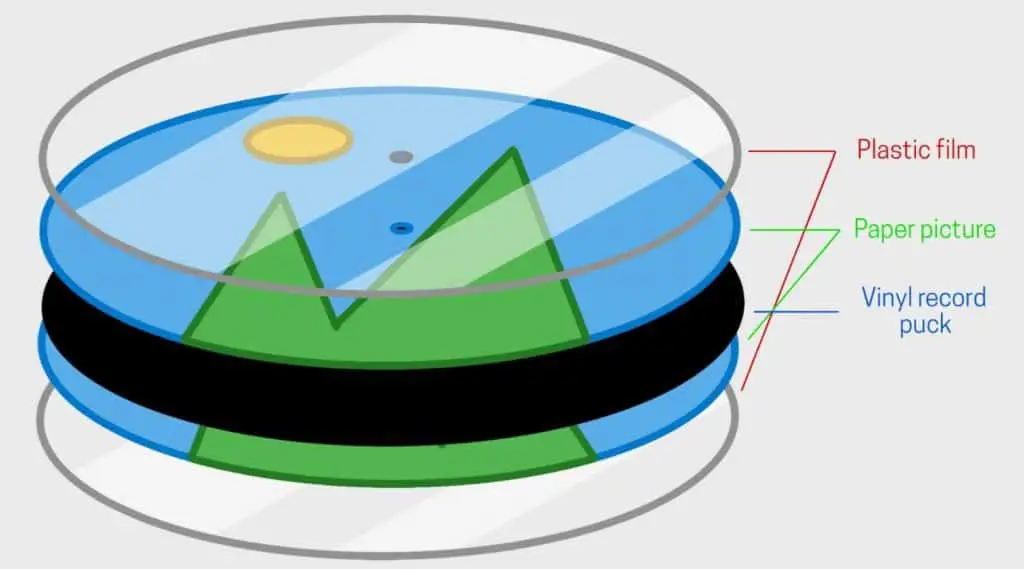
    In brief, a picture disc record is made by placing an image between the vinyl surface and a thin layer of polyethylene (PVC) foil vinyl on both sides. They are then heated and compressed together to form a picture disc record.

    Lyaers of a Picture Disc: TwentytwoAugCC BY-SA 4.0, via Wikimedia Commons

    How does the process work? Let’s find out.

    1. Cutting the track onto a lacquer. A lathe with a special sapphire tip creates grooves on the lacquer (an aluminum surface coated in a thin dark paint) surface. And it makes a negative impression of the song’s sound waves as the track plays.
    2. Electroplating to make the mother plate. The lacquer is coated with silver and dipped into a liquid chloride solution.
    3. After drying, the silver is removed from the surface. The silver is removed frim the lacquer, and what remains is a positive layer version of the track remains.
    4. Setting up the PVC materials for pressing. First, you need to have a base PVC, then attach two artworks on both sides. To finish, cover both sides with a transparent layer of PVC.
    5. Vinyl pressing stage. Within the pressing machine are stampers and a set of PVC. Then the PVC set is positioned between the stampers to press the grooves from the mother plate to the surface of the clear PVC.
    6. Trimming. Finally, the disc is trimmed to produce a circular disc with a smooth edge.

    Picture vinyl discs are a great way to display images. They look great on walls, cabinets, desks and can be used as art or as part of a display. But how good is the sound when played?

    Is a Picture Disc Vinyl Meant To Be Played?

    Picture discs are one of those retro trends that are making a comeback. But are they meant to be played? Some people believe they are not; keep reading to learn more about this trend.

    A picture disc vinyl is meant to be played on a turntable just like any plain vinyl record, but you need to be careful not to damage the disc. You don’t need any special equipment. Similar to vinyl records, you can play them on a standard record player.

    Although picture vinyl records are a fun and unique way to listen to music, there’s always the debate about whether you can play them. To play this kind of vinyl record, you only need a regular turntable and, of course, your vinyl record, nothing special. Just make sure your turntable’s calibration is correct so it doesn’t damage the disc.

    Picture discs are a great way to listen to music while showing off your personality. Sure, they’re a little different, but the only real difference is that they have images on the playing surface instead of a black background.

    Since these vinyl discs have images on them, it follows that they need special care. You need this care regarding handling so that the pictures don’t fade or get scratched.

    How To Take Care of a Picture Disc Vinyl

    If you’re a fan of this music format, you know that picture vinyl records are fragile and easily damaged. I’ll now discuss how you can take care of your vinyl discs so they last for long and offer tips on protecting them from damage.

    When you buy one of these picture disc vinyls from an online store or your local music store, you want it to serve you for a long time. And that’s where care comes in.

    Firstly, picture discs are vinyl records; therefore, they require the same care as standard vinyl records. Keep them clean and free from dirt to prevent damage.

    Here are some tips:

    • Cleaning your picture disc vinyl. Dirt on the surface can damage the playing surface and affect output quality. You can remove dirt from the vinyl using a brush or wiping with an anti-static solution. If unsure, consult an audio professional for the correct type of cleaning solution like the Vinyl Styl Ultimate Record Cleaning Care Kit available on Amazon.com, which is a great and affordable all in one cleaning kit .
    • Record playback. To preserve picture discs, the condition of the playback equipment is vital. It would help if you had a well-calibrated turntable that plays records at the correct speed during playback.
    • Durability. You should be aware that the more you play your picture vinyl record, the more the image layer erodes. So to save your picture discs, play them sparingly.
    • Handling picture disc vinyl. Handle vinyl with clean hands and avoid touching the playing surface, as this could introduce dirt into the grooves.
    • Storage. Keep your vinyl discs in a cool, dry area away from direct sunlight or heat sources. Use an anti-static sleeve to protect the images on vinyl discs. After listening to your record, please insert it into one of those sleeves before slipping it into the cardboard cover.

    Do Picture Disc Vinyl Records Sound Bad?

    There are mixed feelings about picture discs. Some people love them, and others don’t. The consensus is that sonically they don’t sound better than standard vinyl records. However, harsh critics will go as far as to label their sound as bad, which is unfair to say the least.

    Picture disc vinyl records don’t sound bad. However, the manufacturing process limits their ability to be as good as standard vinyl records. Instead of only vinyl, picture discs have layers of materials to produce a color image. These layers affect the sound quality of the record.

    Though picture disc records sound fine in principle, they have several limitations that make them inferior to standard vinyl records in terms of sound quality. First and foremost, due to the pressing process, picture discs can’t reproduce similar quality output as their counterparts, plain vinyl.

    Even though standard vinyl is still a significant part of the disc’s composition, there’s the additional layer of images encased in polyethylene foil that contains the music. The result is a recording that is slightly imperfect, but still not bad.

    As seen earlier, even though a picture disc vinyl is of considerably inferior quality compared to regular vinyl records, they are still popular. What makes them so popular? Let’s make this our next discussion point. Read on.

    Why People Still Like Picture Disc Vinyl

    Although vinyl records were once the most popular way to enjoy music, when compact discs became the norm, they instantly became a thing of the past.

    You’ve seen the trend of people buying CDs, downloading music files, or even streaming music, but there was a time when you had to go to a record store to buy a vinyl record.

    As a music fan, you have probably come across these records at some point in your life. You might have even bought one for yourself or as a gift for your friends. But what makes these records so special?

    Benefits of a Picture Disc Vinyl

    Encanto Soundtrack Picture Disc

    • They are fun to own. The discs offer a great way to show off your love of music and have something more memorable than CDs or standard vinyl. For music lovers who want to discover new ways to listen to their favorite music, this is a great option.
    • Ideal for collectors. Picture disc vinyl records are designed to look like an actual album cover, with the artwork printed directly onto the vinyl. Because of this, they are ideal for collectors who are looking for something different. There’s something special about them that stands out from other formats.
    • In terms of physical music formats, this is the best. I grew up in the era of CDs, but I have always been fascinated by my grandparent’s vinyl records. The artwork, the black background with thin, barely visible grooves, and the fun of flipping a record to play side B just can’t be matched by digital advancements.
    • A unique listening experience. Aside from being visually appealing, the discs also provide listeners with a unique sound experience. Vinyl enthusiasts perceive it as having a richer, warmer sound than CDs or digital files. When fans of vinyl records discuss the perceived warm sound of vinyl, they’re most likely referring to the distortions in the vinyl format that gives a unique sound to some listeners.
    • Emotional connection with the past. Although, there is no evidence to show that vinyl records produce a warmer sound than any other digital audio format. What is referred to as a warm sound is probably an emotional response: which isn’t bad. Emotion is one of the things that makes music so wonderful.
    • The physical feel of a picture disc is very satisfying. People love the look and feel of vinyl records, even if they’re not diehard audiophiles. Many people love the idea of having something physical to hold on to, something they can see and touch. It makes them feel more connected with the music.

    Conclusion

    Picture discs are a great way to add a bit of personality to your music collection, especially with the record artwork. I love listening to vinyl music because there’s just something about the analog sound that I find irresistible.

    Vinyl records are definitely making a comeback, and it’s great to see that there is still a market for physical music formats. Consider picture discs if you’re a music lover looking to add new unique, collectible, and stylish sounds to your collection.

    Featured Image: 32bitmaschine, CC BY-SA 3.0, via Wikimedia Commons

  • Vinyl vs Digital: Which Sounds Better?

    Vinyl vs Digital: Which Sounds Better?

    If you’re a music lover, you may have come across people arguing over whether digital or vinyl music is “better.” Although it can be argued that the answer ultimately depends on who’s listening, going into more detail on both might help settle the debate once and for all. 

    Vinyl records use analog storage methods to record and playback audio. These records are played on a record player or phonograph. On the other hand, digital music uses digital audio files that are stored and played back electronically. Both have their benefits and drawbacks.

    The rest of this article will expand on the pros and cons of each musical medium, so you can better understand which is better for your personal needs and preferences. Read on for more information about vinyl vs. digital music, and which sounds better.

    What Is Vinyl?

    Vinyl is a type of audio storage that uses analog methods to store music in round discs or vinyl records. This stored audio is then read and amplified by a phonograph.

    How Vinyl Works

    Vinyl records are essentially audio files stored in large discs. When these discs are played back on a phonograph, the record player’s needle (also known as the stylus) will read the grains and produce a signal from the sound vibrations, which will then be played through the phonograph’s amplifier.

    If you’re a visual or auditory learner, this helpful YouTube video explains how vinyl records work in simple terms:

    Now that we’ve discussed what “vinyl” means in a musical context, let’s take a deeper look into how it performs. These next sections will expand on the pros and cons of vinyl, so you can better understand this method of audio storage.

    Benefits of Vinyl

    Here are some benefits of vinyl:

    • Vinyl sounds more similar to live music.
    • Vinyl audio is completely lossless.
    • Vinyl records produce a unique sound.

    Let’s expand on these benefits in more detail.

    Vinyl Sounds More Similar to Live Music

    Vinyl records receive a lot of praise for their overall sound. One of the most common reasons for this is their ability to provide listeners with an immersive audio experience that makes you feel as though you’re listening to a live performance. There’s something more tangible about analog sound compared to its digital counterpart. 

    Vinyl Audio Is Completely Lossless

    Lossless audio is available in analog and digital audio playback forms, but vinyl is often considered the only form of analog audio storage that’s completely lossless. When audio is lossless, this essentially means that quality isn’t lost during the compression process. 

    In other words, lossless audio contains all the details initially present during the recording process, so you don’t miss anything when the audio is played back. Because of this feature, vinyl records are known for their pristine and detailed sound quality. 

    Vinyl Records Produce a Unique Sound

    Another advantage that vinyl records have over digital music is that they produce a unique sound that can’t be replicated digitally (at least, not exactly). A recognizable feature of vinyl records is the classic popping and cracking noise vinyl often makes. 

    While this aspect might seem like it should be considered a flaw in the audio playback, it really isn’t. There’s something so special about hearing the sound of vinyl, and it can’t be replicated with digital audio.

    The sound of vinyl records is completely different from anything else you’ll ever hear. It’s what often makes people prefer the sound of analog music playback over digital.

    Downsides of Vinyl

    Vinyl is a timeless method of music playback with a highly distinctive sound. It’s known for its quality and individuality.

    However, while vinyl is highly favored, this method of listening to music isn’t completely drawback-free.

    Here are some downsides of vinyl:

    • Vinyl records can be damaged
    • Vinyl records have a limited volume range

    Let’s discuss each of these points further below.

    Vinyl Records Can Be Damaged

    Vinyl records are physical products, so they’re prone to wear, tear, and aging, which can decrease the sound quality and compromise the disc’s ability to play back audio without errors. Vinyl records can also be permanently damaged, which usually means they’re ruined for good.

    Unfortunately, even without accidental damage, a vinyl record wearing down is inevitable. They won’t last forever, and after a certain amount of plays, the audio quality will start to deteriorate.

    Another thing to note is that you must be very careful when storing your vinyl records to ensure they won’t be damaged. How you store your vinyl can directly affect the audio quality of your records.

    If you have a hundred vinyl records on hand, you can protect them using the ZICOTO Decorative Vinyl Record Storage Box Set of 2 (available on Amazon.com). Not only can it help you categorize your favorite records, but you can also collapse or stack the box depending on your space.

    You might also be interested in this article about storing Vinyl Records on IKEA shelves.

    Vinyl Records Have a Limited Volume Range

    When using a phonograph to play music with vinyl records, you just can’t play it as loudly as you would with digital music. Phonographs have a limited volume range because they must work harder to amplify the sound. Vinyl audio playback is just naturally quieter.

    What Is Digital Music?

    Digital music refers to audio files stored digitally on computers and valued numerically. This method of music storage turns analog audio data into digital with the help of computers.

    When people talk about digital music, they typically mean music that can be played back over a computer or mobile device such as a smartphone. The audio stored in these devices is usually amplified with the help of car audio systems and other speakers.

    How Digital Music Works

    Digital audio essentially refers to analog audio data that has been transformed into digital audio files. These files are stored in computers in many different formats — the most common being MP3. To create digital audio, you simply play your music and record it using a computer.

    Benefits of Digital Music

    Here are some benefits of digital music:

    • Digital music files can’t decay over time.
    • You can play digital music louder.
    • Digital music is not flawed like vinyl.
    • You can easily find and stream millions of songs.

    Let’s talk about these benefits in more detail.

    Digital Music Files Can’t Decay Over Time

    Unlike vinyl records, digital music files can’t decay over time, which is a huge plus. This has a significant impact on the overall sound quality of digital audio files compared to analog music. Vinyl records are susceptible to scratches and dust contamination, which can make the sound grainy or permanently flawed.

    Fortunately, with digital music, you don’t have to worry about physical damage or contaminants compromising the sound quality. Digital music can’t get dusty, and it can’t get scratched either. The initial quality of the file stays the same no matter how many times you listen to it.

    You Can Play Digital Music Louder

    You can play digital music at much louder volumes than you can with a vinyl record. As previously mentioned, vinyl records can only be played so loud with a phonograph. In contrast, with digital music, you can amplify the audio files at much higher volumes with the help of good speakers.

    Digital Music Is Not Flawed Like Vinyl

    As I’ve said earlier, a distinctive quality of vinyl is the popping and crackling sound produced when vinyl records are played back over a phonograph. While this characteristic makes vinyl unique, it can sometimes get in the way of the overall sound quality.

    With digital music, you don’t have to worry about flaws in the sound because digital audio files cannot be affected by physical factors the same way vinyl can.

    Downsides of Digital Music

    Here are some downsides of digital music:

    • You need a good speaker to get good sound.
    • The sound of digital music can’t compare to vinyl.

    Let’s explore these downsides.

    You Need a Good Speaker To Get Good Sound

    One downside of digital music is that you need a good speaker to get adequate sound. Playing music directly from your phone or computer produces quieter and less robust audio quality. To achieve a richer sound with digital music, you need to amplify your files through a good speaker or headphones.

    This can be a downside if you don’t have the right equipment. There are definitely cheap speakers and headphones you can buy, but they can severely compromise the overall quality of your digital audio files.

    The Sound of Digital Music Can’t Compare to Vinyl

    One of the most common complaints about digital audio vs. vinyl is that digital sound simply can’t compare to vinyl. There’s something so rich and charming about vinyl music that can’t be replicated digitally. This difference in sound is very distinguishable and is often what leads some people to prefer vinyl over digital music.

    Vinyl vs. Digital Music: Which Has a Better Sound?

    Vinyl and digital music both have excellent qualities. In terms of convenience, digital music definitely takes the cake. It is easy to store digital files, and they cannot be damaged like vinyl. However, in terms of sound, vinyl audio is preferable to digital.

    Final Thoughts

    Vinyl vs. digital is an argument as old as digital music itself. This debate has been going on for decades, and as technological advancements make digital music better and better, it can be trickier to determine which method of audio storage is truly the best.

    Digital music is more convenient and lasts longer than analog, but in terms of sound, vinyl music has that distinct inimitable quality.

    However, it’s perfectly alright to prefer one method over the other. You know your personal needs and preferences better than anyone, so the final conclusion is ultimately yours.

  • 10 Best Vinyl Record Stores in New York City

    10 Best Vinyl Record Stores in New York City

    While digital music has now become the norm, few experiences compare to the thrill of sifting through a stack of vinyl records. New York City is home to the most extensive collection of vinyl record stores in the world. Whether you’re an audiophile looking to add to your collection or a casual browser missing the feel of records, here are the best record stores to visit in the Big Apple.

    1. Turntable Lab
    2. Academy Records
    3. A1 Record Shop
    4. Generation Records
    5. Halcyon
    6. Captured Tracks
    7. Heaven Street Records
    8. Brooklyn Record Exchange
    9. Good Records NYC
    10. Jazz Record Center

    In this article, I’ll take you through each of these excellent record stores and the products and experiences they have to offer.

    1. Turntable Lab

    Turntable Lab prides itself on being selective with the quality of the products they offer. The store started by catering to DJs and providing high-quality audio equipment, including turntables and sound mixers.

    Today, they continue to cater to aspiring DJs while housing a unique collection of vinyl records. If you’re a hip-hop lover, few record stores can offer the solace you’ll find here at Turntable Lab. Aside from records and audio equipment, they also provide streetwear, production gear, and vinyl toys, including an action figure of the late J-Dilla.

    As a record store, TTL focuses primarily on new releases and reissues rather than old records. So if you’re digging for the classics, you may not find many at this store. However, TTL caters to a wide variety of music tastes, and you’re sure to be pleasantly surprised by the wide range of genres they carry.

    Aside from audio equipment and vinyl records, this store also sells books and magazines related to music and the art of DJing. And while it’s recognized primarily as a record store, TTL was instrumental in uplifting the DJ movement in its early stages.

    2. Academy Records

    Academy Records dubs itself ‘NYC’s one-stop music and movie destination.’ And considering their extensive collection of LPs, CDs, DVDs, and types of vinyl, they’re not far from the truth.

    At Academy Records, you can sell records you want to get rid of and choose from an incredible collection of vinyl. While you’re sure to find records of all genres here, Academy Records specializes in jazz and rock LPs. Fans of these genres can spend hours browsing through their collection and quickly find several of their favorite artists.

    They also happen to be one of the oldest record stores in NYC and pride themselves on giving customers fair prices for old records. While they host an impressive collection of genres, Academy Records is always looking for new pieces of vinyl, especially in the following categories:

    • Soul
    • Punk
    • Rock
    • Jazz
    • Metal
    • Reggae
    • Funk Disco
    • House
    • Techno

    If you’re in New York and planning to visit a record store, be sure to check out Academy Records, where you’ll find one of the most extensive collections of vintage vinyls.

    3. A1 Records

    Started by founder Isaac Kaufman in 1996, A1 Records is home to records of every genre imaginable. Here you’ll find vinyls of all types and decades, including Calypso, Techno, and even Spoken Word! So if you’re digging for something unique, A1 Records is the place to be.

    However, this store is primarily geared towards DJs, with an extensive collection of Hip Hop, Jazz, and Soul music to choose from.

    Many customers describe shopping at A1 Records as a therapeutic experience with crates of records to browse through and friendly staff to help whenever you have a query. One of the best things about A1 Records is that it’s frequented by famous DJs digging for new sounds to add to their arsenal. So don’t be surprised if you bump into a famous DJ or two while shopping at the store. 

    Some customers have claimed that their records can be pretty pricey, and perhaps a few of them are. However, A1 also has three turntables set up in the store so you can test out your records and see that they run correctly before making a purchase.

    4. Generation Records

    Located on Thompson Street, NY, Generation Records has been around for over two decades and is home to a vast collection of punk, metal, and rock records. While they also house several other genres, this store is best known as a haven for rock and metal enthusiasts.

    Generation Records is also famous for holding rare records that customers probably won’t find elsewhere. For example, at the beginning of June, they were giving out the last few clear vinyl copies of ‘No One Rules’ by Agnostic Front.

    This particular vinyl was sold only during specific days of Agnostic Front’s New York City Tour. The store still continues to provide its patrons with one-of-a-kind offers like this throughout the year.

    Aside from an impressive and unique record collection to browse through, GR also hosts live Q & A sessions and signings with today’s popular artists. So if you’re looking to enjoy a unique musical experience, be sure to check out Generation Records.

    5. Halcyon

    From humble beginnings in a small shop on Smith Street, Brooklyn, Halcyon has grown to become one of NY’s most beloved record stores. Initially, Halcyon would provide not just records but also music memorabilia and knick-knacks like clothing and collectibles.

    This record store caters to more popular genres, like dance, jazz, hip hop, funk, soul, and house, and is known as a haven for today’s music lovers.

    However, Halcyon isn’t famous for its extensive record collection but rather for the communal feeling it has fostered among music lovers in the city. The staff at Halcyon describes themselves as ‘hopeless music nerds,’ and many of them are part-time DJs or music producers.

    Aside from simply selling records for profit, Halcyon wishes to create a community of music lovers. Their motto, “United Against Silence,” was successful in inspiring the musicians and aspiring producers of today.

    6. Captured Tracks Shop

    The famous Brooklyn label ‘Captured Tracks’ decided to open a store in the area, and they’ve been a hit ever since!

    The best part about Captured Tracks is that they primarily sell records from their own label. As such, you’re sure to find vinyl records from plenty of new artists that you probably won’t find elsewhere.

    The label supports and promotes budding talent, offering new artists a chance to get their music out there in the mainstream media.  Knowing that your purchases here are helping an upcoming artist on their career path can make the experience that much more fulfilling.

    Aside from its own records, this store also sells a variety of used vinyl pieces and cassettes across various genres.

    7. Heaven Street Records

    Sean Ragon opened this minivan-sized record shop inside a vintage store, Fox & Fawn. While this shop is compact and tucked away inside the back room of a clothing store, you’re sure to find plenty of hidden gems when browsing.

    The neatly-organized space is home to a wide variety of genres but focuses exclusively on hardcore punk and experimental music. So if you’re looking to switch up your music taste, Heaven Street Records will take you on the trip of a lifetime.

    Most records here are also relatively inexpensive, which in turn helps to promote the underground, experimental music scene.

    One of the most attractive features of this record store is the handwritten notes attached to each vinyl. Most of these notes were written by the founder and reflect his dedication to truly listening and understanding the music he propagates to customers.

    These notes contain information about the album, the kind of listener who should buy it, and Ragon’s personal recommendations based on his taste. These cute notes add to the overall charm and allure of this cozy record store.

    For hardcore vinyl collectors, the store even offers a collection of rare records sold at a premium. All you have to do is ask the staff for these hidden records, and they’ll be more than happy to show you.

    8. Brooklyn Record Exchange

    Brooklyn Record Exchange was recently opened through a collaboration between record label Mexican Summer and the founders of Co-Op 87 (another famous vinyl outlet in NYC). While the store was opened in 2019, it has quickly become one of the city’s most popular record stores, catering to various music genres.

    The store houses many new releases by Mexican Summer, along with several reissues of electronic albums. They also sell new LPs and products like memorabilia for music enthusiasts.

    The Brooklyn Record Exchange is recognized as a solid store to buy, sell, and trade records, primarily rock reggae and funk records. However, they also carry a wide selection of other genres, including house, techno, and other electronic music.

    This store also publicizes new arrivals every weekend, so you can bet you’ll find something different every time you visit. Aside from the classics, you can find the latest genres here, like modern synth and chug. However, if you’re digging for gold, there are plenty of nuggets to be found here.

    9. Good Records NYC

    Founded in 2005, Good Records has carved a name for itself in the record store space by housing records from the 1950s onward. Good Records is known for its plethora of record types, with genres spanning from hard metal to international pieces with their own vibe.

    However, most frequent visitors claim that if you’re looking for great jazz music, Good Records is the place to be. They’ve got an exciting collection of jazz records from the 1950s and even some of the latest tracks released on vinyl.

    This store also sells a wide range of posters and music books if you’re looking for memorabilia to set up at home. Non-vinyl products sold at the store include books, posters, and audio equipment like speakers and turntables.

    10. Jazz Record Center

    Set up back in 1983, the Jazz Record Center has been trading in LPs, CDs, books, magazines, and other jazz-related music memorabilia for decades. This little store tucked away on the eighth floor is home to several records created by jazz musicians you probably haven’t heard of. However, they’re also home to music made by today’s jazz musicians and some jazz icons.

    The Jazz Record Center also focuses on educating music fans about vinyl records and how to handle them. Through their experience, they have created an exhaustive guide on identifying what is and what isn’t an original Blue Note pressing. You can find both the hard copy and soft copy of this guide on their website or in the store.

    Their dedication to music and adherence to certain norms make this shop a favorite among staunch jazz lovers. Their knowledge of the genre and recommendations make it the ideal record store for collectors of modern Jazz LPs.

    Through their expertise, they wish to keep buyers from making costly mistakes when investing in LPs and strengthen their collection by purchasing original pieces.

    You may also be interested in these articles: