Category: Record Players

  • Record Player History: The Rise And Fall (And Rise) Of Turntables

    Record Player History: The Rise And Fall (And Rise) Of Turntables

    The record player history is a long topic to tackle. Still, many people are interested in it since it is among the most significant inventions in home entertainment history. That said, how did record players evolve through the years?

    The history of record players began in 1877 when Thomas Edison invented the phonograph. Alexander Graham Bell upgraded the phonograph into the graphophone so it could record sound waves. The record player was brought out to the market in 1895. Record players seem to be coming back to the mainstream these days. So, apart from knowing the history, it is equally essential to understand why the vinyl resurgence.

    When Was The Record Player Invented?

    The Record Player was invented in 1877, but as we mentioned before it was actually a Phonograph, but it’s considered to be the first record player. The record player was brought out to the market in 1895

    The Record Player History

    There is no denying that the invention of the record player is a significant step in home entertainment. From a simple turntable, this invention evolved into numerous restatements. The creation of the record player is also the reason why we enjoy digital music today.

    Moreover, the record player history can be divided into six periods:

    • the invention and rise of the first record player
    • Emile Berliner took record players to a new level
    • bringing the record player into the commercial market
    • the golden age
    • record players for the hip-hop scene
    • the fall of record players

    Looking at each period will help you understand how the invention of the record player led to how people consume music today.

    The Beginning And Rise Of The First Record Player

    The very first version of the turntable came out in 1857. That is when Edouard-Leon Scott de Martinville created the phonautograph device in France. However, his invention was not capable of audio playback. Instead, it could only transcribe airborne noise into paper for visual study purposes.

    That said, the phonautograph’s purpose was mainly used for lab settings.

    In 1887, Thomas Edison invented the phonograph. This device popularized him as the man behind the record player invention. That said, it is safe to say that Thomas Edison is responsible for why people can enjoy music today.

    The phonograph worked by recording and playing sound by inscribing audio to a cardboard cylinder wrapped in tinfoil. As a result, Edison’s invention played continuous playbacks.

    In the same year, Alexander Graham Bell upgraded the phonograph by adding wax to its design.

    Graham Bell called his invention the graphophone. Such is a device that can record sound waves, which is a significant improvement to record players back then.

    Taking Record Players To A New Level

    Emile Berliner took record players to a whole new level when he created the gramophone. It consisted mainly of shellac and hard rubber before manufacturers used vinyl.

    Berliner’s invention was also called the turntable. Unlike the graphophone that used a cylinder, the gramophone interpreted grooves on a flat disc. The device has a cone-shaped needle that reads the grooves of the record as it spins.

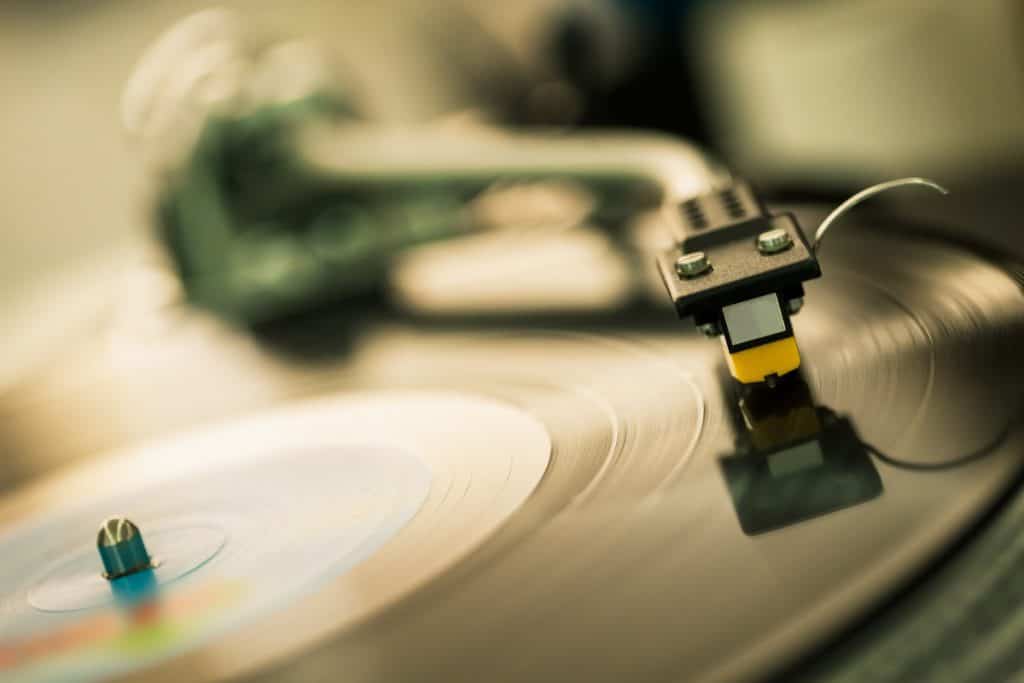
    In addition, the needle, which is usually made from diamond or sapphire, hangs at the end of the tonearm. The tonearm moves across the vinyl, allowing the needle to follow the grooves on the record. This way, the needle was able to pick up vibrations and transmit them to the coil.

    The coil would then turn the vibrations into electrical signals, which would travel to the amp. Finally, the speakers would turn the signals into sound, thus producing music.

    Moreover, Berliner secured a patent for the gramophone in 1887.

    The Mass Production Of Record Player

    The record player history achieved another milestone in 1895. During this year, manufacturers released the first record player to the commercial market.

    However, the gramophone record player was only popular until the emergence of the radio. The popularity of radio did not make the record player obsolete. But it indeed took away the spotlight for some time.

    The advent of radio in the early 1920s made the record player industry face new challenges. It posed significant competition to record players. The reason is that the radio made the airway broadcast of music possible.

    More than that, the radio’s audio quality was a lot better than the sound of record players. Such is due to a difference in the electrical sound pickup.

    Moreover, the sales of record players did well in the 1930s and 1940s. But it only hit the mainstream tipping point after approximately a decade.

    The Golden Age Of Record Players

    Record players experienced extreme popularity in the 1960s and 1970s. This period is another milestone for the record player history. The reason is that Dual released the first turntables that have stereo playback.

    It was also during this period when high-fidelity sound reproduction went out commercially. The sound quality of devices this time motivated many people to purchase a record player.

    Additionally, the automatic Hi-Fi turntable also became a massive hit in the early 1960s. This era had also seen when Electrohome released the famous Apollo Record Player. (source)

    Using The Record Player In The Hip-Hop Scene

    The modernization in the record player history began in the 1980s and beyond. It was when hip-hop DJs creatively used turntables. They connected the record players to audio mixers and used their hands to guide the records.

    That way, they could scratch the vinyl record against the needle. Doing such allows them to produce a rhythmic instrument.

    Moreover, many people still use record players for their original purpose. Similarly, many hip-hop artists used turntables and mixers to add rhythm to the music. (source)

    The Fall Of Record Players
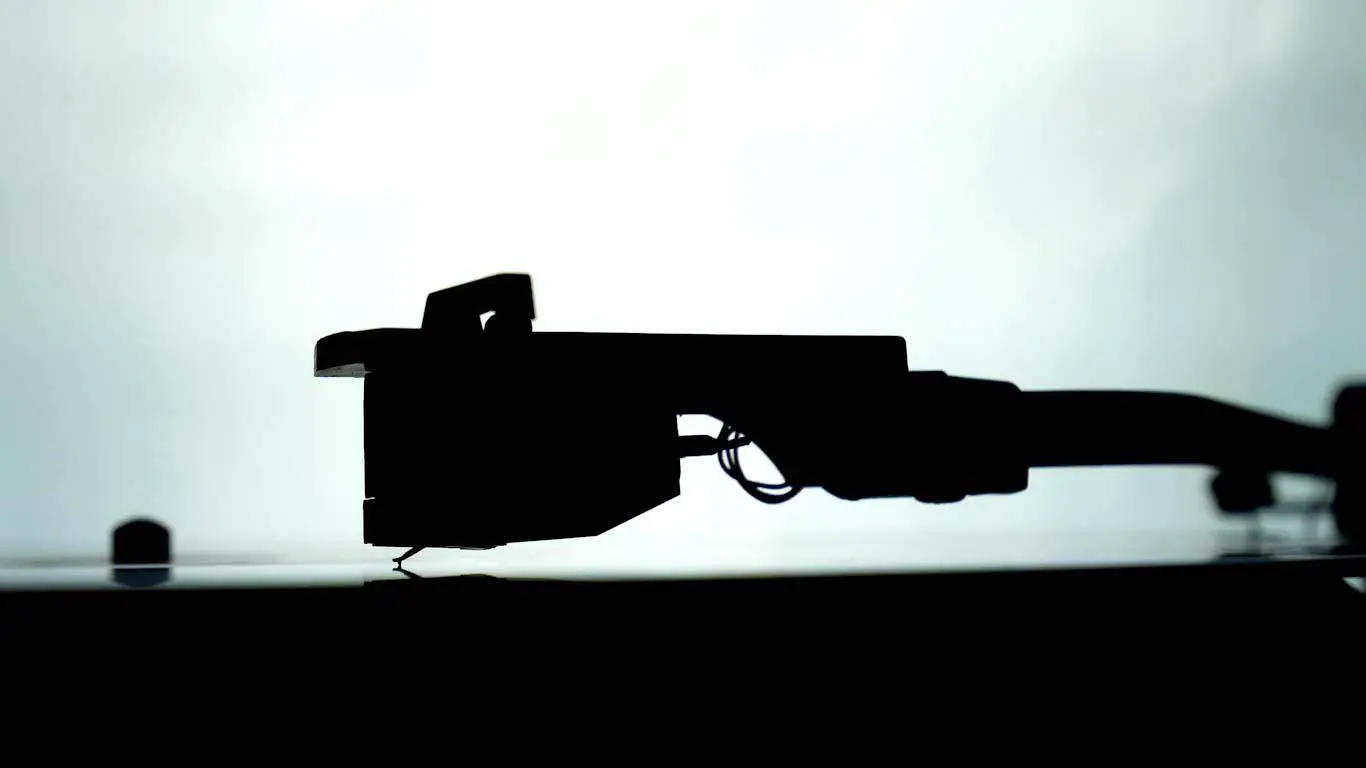
    By the 1980s, many families had a record player in their homes. The record player history was ongoing for a century. For this reason, these devices had gone from primitive.

    However, time keeps going on, and technology progresses continuously. As a result, digital technology and compact disks made their way to the music industry.

    This advancement brought a huge benefit. But it also resulted in a sharp decline in record player sales.

    Still, many music enthusiasts did not let go of record players. For instance, DJ turntablism kept the format alive until the 1990s and early 2000s. (source)

    More Of The Record Player History: The Vinyl Resurgence

    The invention of the first record player and its improvements made modern music consumption possible. Record players turned to CDs and digital music due to various advancements.

    But after years of digital music consumption, vinyl records are coming back to life. In fact, many major artists now release their albums in LP forms. For this reason, the young generation can experience the 100-year-old record player history.

    Moreover, the increasing interest in vinyl records resulted in the need for modern record players. Many casual listeners and music enthusiasts alike want to experience music using vinyl. However, they also want some of music devices’ modern features, such as connecting to their smartphones and USB recording.

    But regardless of the changing needs of music consumers, it is clear that record players are here to stay.

    Today’s Vinyl

    Looking at the record player history, you will see that vinyl only became a thing years after record players became popular.

    Vinyl records made the rubber discs created by Berliner obsolete. Such records were easier to produce in high numbers. Additionally, manufacturers could easily recreate the vinyl master copies using lacquer on the cutting machine.

    The master copy of a record will use the cutting head to transmit the electrical signals to the cutting machine. The said cutting head has a needle on its end. That needle cuts the grooves into the lacquer wrapped around the center of a disc.

    After the cutting process, manufacturers will send the lacquer to a company that will cover it with metal, thus making the final master copy. That said, you can say that the master copy is somewhat a form of negative for a record. The reason is that manufacturers can use it every time they mass produce a record.

    Moreover, companies use the metal copy of a record to create a stamper. They put it onto a hydraulic press placed with vinyl in the middle of the plates. They also use steam to soften the vinyl before stamping it.

    Finally, the pressed vinyl is cooled using water, which is the final step in creating a copy of a record. (source)

    The Modern Record Players

    As mentioned, along with the vinyl resurgence is the need for modern record players. A lot of audiophiles and casual listeners want to experience the vintage way of listening to music. Such is proof that the record player’s history is alive and thriving in the modern-day.

    However, they also want a touch of modernity and better functionality in their record players.

    For this reason, companies integrated the following features to modern record players:

    • USB recording
    • Bluetooth connectivity
    • aux and RCA connections
    • speed options

    Moreover, the reproduction of vintage record players has also become a big thing. These models look exactly like the vintage ones on the outside. But their interior consists of various modern features.

    For instance, some of the modern record players feature built-in speakers. This way, music listeners can plug in the unit and start listening to music without the need for additional speakers and an external preamp.

    Even better, many of the modern turntables sound better than the vintage ones produced in the early days of record player history. (source)

    A Comparison Of Vintage And Modern Record Players
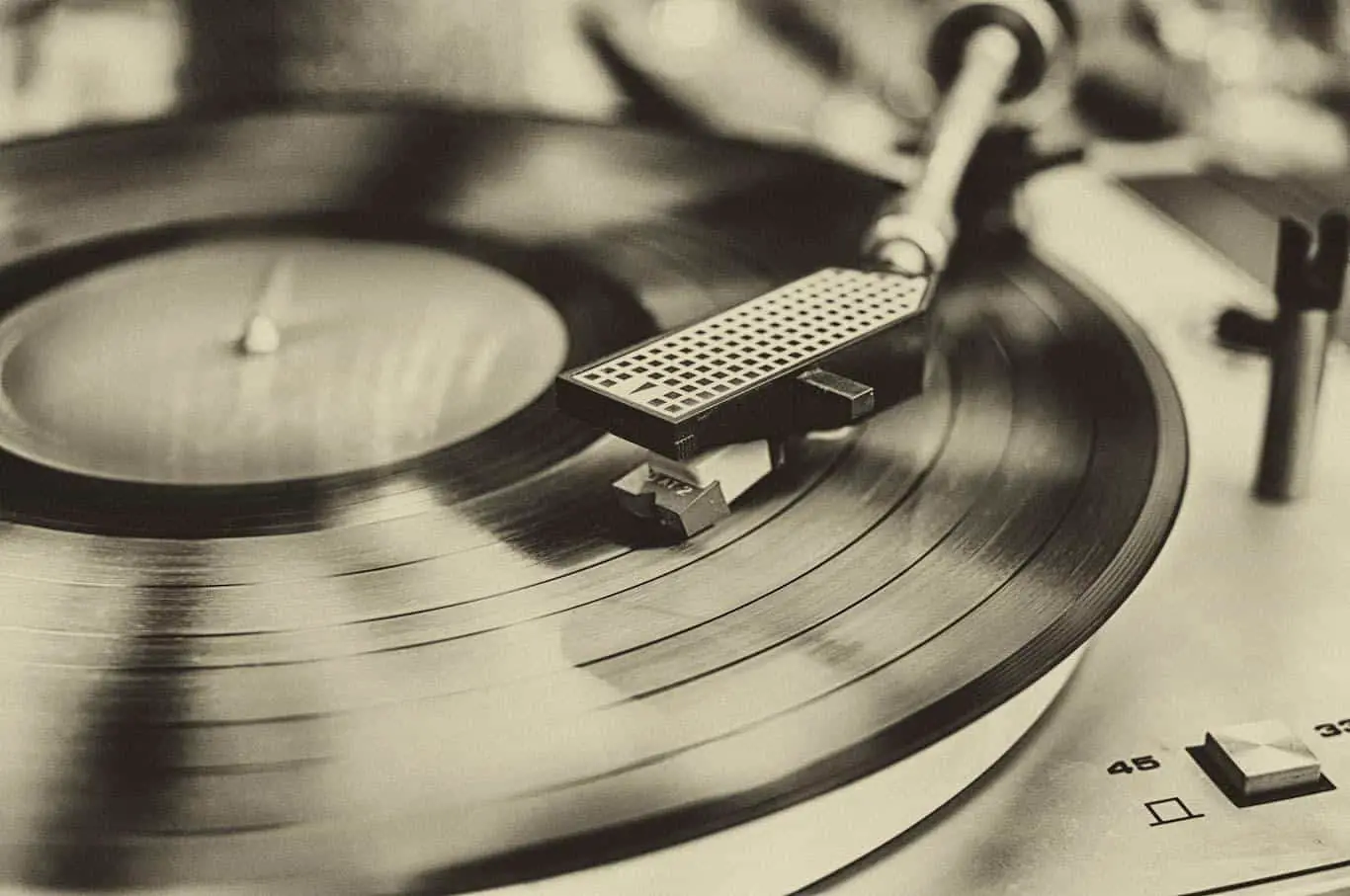
    Record players have been alive for a very long time. But the invention of the cassette, the radio, and other music forms emerged. Such resulted in record players going out of fashion. Later on, vintage record players became an item for audiophiles to collect.

    Still, it seems that the record player history is still not over. As mentioned, vinyl records and records players came back to life. However, there are differences between vintage and modern turntables that we need to tackle.

    1. Appearance

    The record player history allowed vintage turntables to have a modern counterpart. Vintage and modern record players do not have many differences in their appearance. However, vintage turntables were usually massive and had a preamp connected to them.

    On the other hand, companies equipped modern record players with portability. For this reason, owners can easily place them from one place to another anytime they want.

    2. Audio Quality

    If you will spend money on record players, it is essential to know which sounds better between the vintage and modern ones.

    There is a long record player history. For this reason, vintage turntables experienced various improvements as time passed by. So, the superior construction of vintage record players will generally produce better sound than the modern ones.

    However, the sound quality of vintage turntables depends on the state of the device you have. If there is damage to a feature like a subpar stylus, the sound quality will become a mess.

    On the other hand, new record players feature a mix of:

    • particle boards
    • alloys
    • carbons and other metals.

    For this reason, there is no shortage in the construction quality of these modern turntables. Thanks to the turntable’s great cartridge and stylus combination, there is also no shortage of sound quality.

    What sets vintage and new turntables apart is the motor sound. Even the lower-end modern turntables do not have audible sound coming from the deck spin. For this reason, they produce warm and crystal clear sounds.

    That said, modern record players sound better than vintage ones. Though the vintage ones have a long record player history, the modern turntables have more technological advancements that make them sound better.

    3. Technology

    A lot of technologies were not available when vintage turntables became popular. Still, some vintage record players have more advanced features than others. However, they are still primitive compared to the features possessed by modern turntables.

    But depending on your needs, the features of modern record players may be irrelevant. The reason is that some of these features are not necessary for people who want to listen to music.

    That said, modern record players have more features. But if you do not need these features, it is ideal to go for modern turntables.

    4. Repairs

    One significant thing to consider when buying a record player is if you can repair it or not. They are likely to break at least once in their lifetime, which requires you to have them repaired.

    Vintage turntables are extremely durable. They do not break easily, and you will have a hard time having them repaired once they do.

    The reason is that vintage record player parts are hardly available. While vintage turntables survived the long record player history, only a few companies manufacture their spare parts.

    Meanwhile, new record players are also sturdy. Once they have damage, it is easy to find their spare parts and have them repaired.

    So, if you want an easy repair when it comes to your turntable, you should go for modern record players. Both of them are highly durable. But new record players are a better option since there are manufacturers that produce their spare parts.

    5. Prices

    One significant difference that vintage and modern record players have is their prices. A good quality vintage record player will have you spend about $300 if you buy one these days. Such is already an excellent deal considering the century-long record player history.

    On the other hand, a modern turntable costs approximately $300 for its most basic settings. Yet, you will not have much playtime with the audio on a device this cheap.

    Moreover, you need to spend about $1000 if you want a high-quality modern record player.

    So, the best option in terms of the price for turntables is the vintage ones. Still, buying a vintage record player means that you need to get extra speakers and an amplifier, thus increasing the cost. But if you will go for a modern record player, you will have to spend double the amount of money.

    6. Ease of use

    Another essential feature for professionals and amateurs alike is system usage. That said, vintage turntables are extremely easy to use. They possess straightforward settings and uncomplicated usage processes.

    Vintage turntables are also fully automated despite the record player history going on for more than a century. For this reason, there isn’t much for users to do except configuring the device’s basic settings and enjoy music.

    The new record players have all their features in manual mode. So, these modern versions of turntables are not even partially automated. That means you need to lift the platter a lot of times when you are using the device.

    In addition, you need to set all the features with maximum knowledge. For this reason, modern record players may not suit amateur users.

    Furthermore, it should seem those modern record players are the most convenient to use. But the truth is they are not. Vintage record players are easier to use despite the century-old record player history.

    In addition, vintage music devices are much more automated than modern ones. (source)

  • 15 Best Record Players With Bluetooth (Wireless Turntable)

    15 Best Record Players With Bluetooth (Wireless Turntable)

    If you are looking for the best Bluetooth record players, then you have come to the right place. Having a Bluetooth turntable is ideal because it removes the hassle of having to deal with multiple cords and wires, and instead makes it wireless. However, there are many Bluetooth record players that are currently available on the market, which makes it difficult trying to decide which one is the best to purchase.

    Thankfully, the fifteen best wireless turntables have been listed below for your convenience. To discover which record player is the best for you individually, you will want to read each brief description of the turntables below. This list has been derived by taking into consideration customer reviews, ratings, price, and durability.

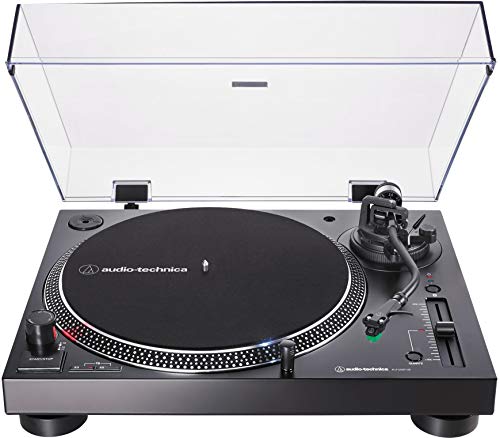
    1. Audio-Technica – ATLP120XBT Bluetooth Stereo Turntable

    First on the list for the best wireless record players is the Audio-Technica – ATLP120XBT Bluetooth Stereo Turntable. This turntable will take you back in time, however, it has updated technology that makes it more efficient and easier to use. The Audio Technica will be long-lasting due to its durable build.

    The Audio-Technica – ATLP120XBT Bluetooth Stereo Turntable has over 5,000 ratings and it is rated five stars. For having so many reviews, it is almost guaranteed that there will be someone who is not satisfied with their purchase. However, every person who has rated this turntable has left a raving review. So far no one has been disappointed with this record player, and it is not expected that anyone will.

    Audio-Technica AT-LP120XBT-USB-BK Wireless Direct-Drive Turntable, Black

    Details about the Audio-Technica – ATLP120XBT Bluetooth Stereo Turntable:

    • Costs around $350 at the time of writing
    • Pitch controls
    • Detachable dust cover
    • Plays 78, 33-1/3 and 45 rpm

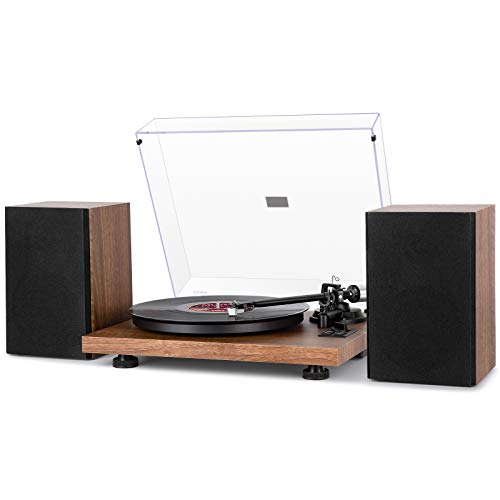
    2. 1 BY ONE Wireless Turntable 

    Second on the list is the 1 BY ONE Wireless Turntable. Although this turntable is expensive, it is well worth the price. It has an iron platter, which maximizes stability. No matter your Bluetooth device, you will be able to connect it to this turntable. The high-quality audio will not be compromised even when playing the records from off your smartphone.

    Details about the 1 BY ONE Wireless Turntable:

    • Costs around $269 at the time of writing
    • Easy installation
    • Adjustable counterweight and anti-skating weight

    1 BY ONE Wireless Turntable HiFi System with 36 Watt Bookshelf Speakers, Patend Designed Vinyl Record Player with Magnetic Cartridge, Wireless Playback and Auto Off

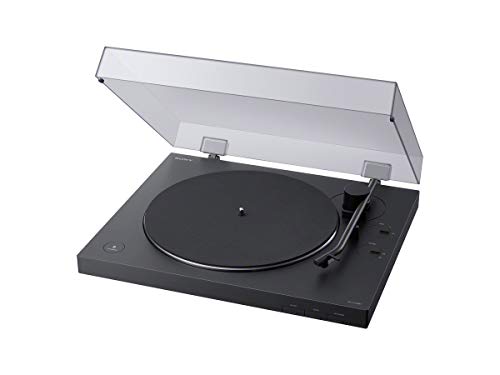
    3. Sony PS-LX310BT

    Third on the list for the best wireless record players is the Sony PS-LX310BT. Users can choose to connect the turntable to any Bluetooth device including speakers or headphones. No matter what you connect this turntable to, the audio will not suffer.

    The wireless technology allows this record player to maintain its sleek look, and it will match the aesthetic of any room it is put in.

    The Sony PS-LX310BT has a rating of over 4.5 stars. Many applaud this record player and exclaim how it will last for a long time. The price is well worth it, especially because it will not have to be replaced anytime soon.

    Sony PS-LX310BT Belt Drive Turntable: Fully Automatic Wireless Vinyl Record Player with Bluetooth and USB Output Black

    Details about the Sony PS-LX310BT:

    • Costs about $228 at the time of writing
    • Weighs 7.9 pounds
    • Comes with a removable dust cover, vibration dampening slip mat, 45 adaptor, and a USB B cable

    Sony PS-LX310BT Belt Drive Turntable: Fully Automatic Wireless Vinyl Record Player with Bluetooth and USB Output Black

    4. Crosley C62B-WA

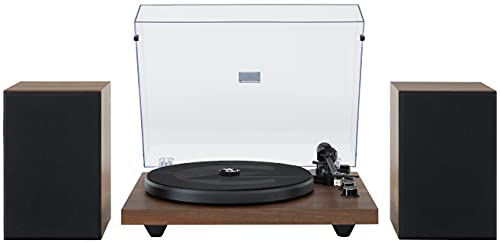
    Fourth on the list for the best wireless record players is the Crosley C62B-WA. It comes in nine different colors, which makes it possible for every customer to find a color they like. Whether a customer wants a plain record player or if they want one that has a special design, there will be an option for them.

    Customers commonly report how once they begin using this record player, they find it difficult to stop. They are pleased with the quality audio the turntable produces, and they are overall very happy with their purchase.

    This record player was designed to make it simple to use. Its two knob design eliminates any confusion that could come from using a record player, and even those who struggle with technology will be able to use it.

    Details about the Crosley C62B-WA:

    Crosley C62B-WA Belt-Drive 2-Speed Vinyl Bluetooth Turntable with Included Speakers, Built-in Amplifier, and Anti-Skate, Walnut

    • Costs $229.95
    • Weighs 22 pounds
    • Available in nine colors
    • Included dust cover

    5. Vinyl Record Player Bluetooth Turntable

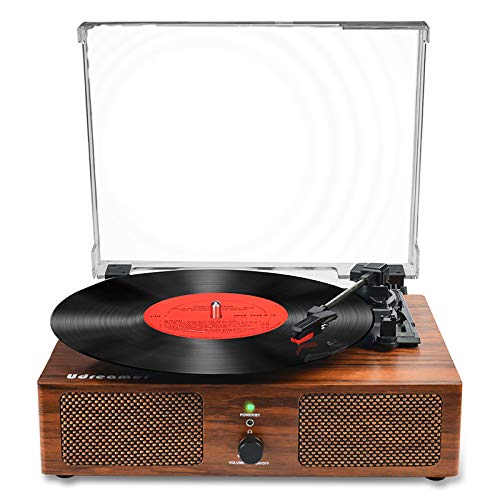
    Fifth on the list for the best wireless record players is the Vinyl Record Player Bluetooth Turntable. This turntable tries to be compatible with all different records. It is able to fit 7, 10, and 12-inch records, and there are three different listening speeds available.

    The customer service with the VInyl Record Player Bluetooth Turntable is unmatched. If a customer has any questions, then someone will be able to help them within 24 hours. There will be no waiting with unanswered questions for days on end.

    Guaranteed one on one support will be given within a day time period. If there are any questions or concerns regarding this record player, all a customer has to do is reach out and they will be happy to help in any way they can.

    Vinyl Record Player Bluetooth Turntable with Built-in Speakers and USB Belt-Driven Vintage Phonograph Record Player 3 Speed for Entertainment and Home Decoration

    Details about the Vinyl Record Player Bluetooth Turntable:

    • Costs $59.98
    • 33-1/3, 45 and 78 RPM listening speeds
    • Compatible with 7″, 10″, and 12″ records
    • Support Bluetooth input, not support output

    6. House of Marley Stir It Up Wireless Turntable

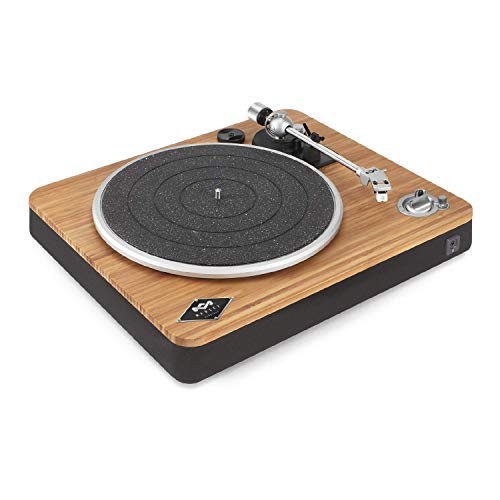
    Sixth on the list for the best wireless record players is the House of Marley Stir It Up Wireless Turntable. If you are a Bob Marley fan, then you will want to consider this turntable. It is the perfect record player to listen to all of your favorite Marley songs with.

    Even if you are not particularly a Bob Marley fan, there are other reasons that you will want to purchase this turntable. One of the largest reasons non-Marley fans purchase it is because it is made with eco-friendly materials. This company does everything in its power to aid the environment, and so its products are all made to be environmentally safe.

    House of Marley Stir It Up Wireless Turntable: Vinyl Record Player with Wireless Bluetooth Connectivity, 2 Speed Belt, Built-in Pre-Amp, and Sustainable Materials

    Details about the House of Marley Stir It Up Wireless Turntable:

    • Costs $249.99
    • Fully manual belt-drive turntable
    • Eco friendly
    • Has a two year warranty
    • Weighs 8.9 pounds

    8. Heyday 153 Turntable

    Eighth on the list for the best wireless record players is the Heyday 153 Turntable. This turntable encompasses the modern aesthetic. It has a sleek grey finish that will make any room appear more stylish. Customers highly recommend this turntable, due to its quality make and inexpensive price. It has a rating of over four stars, which is outstanding for a turntable of this price.

    The Heyday Turntable is an excellent purchase, however, customers do have to be wary of how fragile it is. It can break easily due to the materials it is made out of, so customers must handle it with care.

    Details about Heyday 153 Turntable:

    • Costs $99.99
    • One year limited warranty
    • Comes with a 45 adapter, phono cartridge, and RCA cable

    9. Victrola Parker Bluetooth Suitcase Record Player

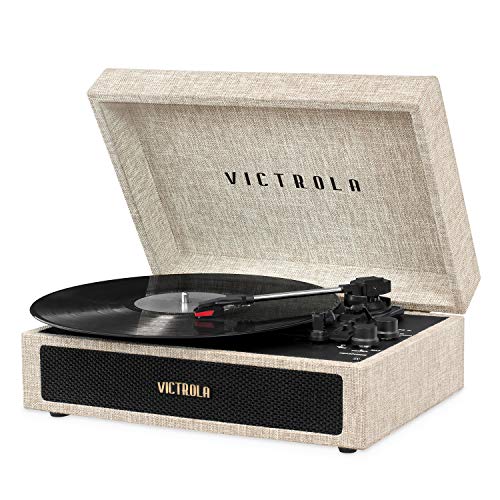
    Ninth on the list for the best wireless record players is the Victrola Parker Bluetooth Suitcase Record Player. Its design is meant to resemble a suitcase, and its light color will blend into any room. This record player pays homage to the first Victrola, which was released in 1906. The current record player tries to capture the same magic that the original had, just with more updated technology. So far it has proved to be successful, as it currently has a rating of almost five stars.

    Even if you do not have a Bluetooth device, this record player comes with a 3.5 mm aux-in jack that makes it possible to play music from non-compatible devices.

    Victrola Parker Bluetooth Suitcase Record Player with 3-Speed Turntable, Light Beige (VSC-580BT-LBB)

    Details about the Victrola Parker Bluetooth Suitcase Record Player:

    • Costs $44.49
    • Has three speeds
    • Comes with a 3.5 mm aux-in jack

    10. Victrola The Eastwood

    Tenth on the list for the best wireless record players is the Victrola The Eastwood. This turntable is able to play at three different speeds, 33 1/3, 45, and 78 RPM. Connect this record player to any Bluetooth compatible device, and you will be able to stream music straight from your turntable.

    Just as the Victrola above, this turntable was inspired by the original 1906 record player. The Eastwood has a rating of over four stars, making it a popular option for wireless record players.

    Victrola Eastwood 3-Speed Bluetooth Turntable with Built-in Speakers and Dust Cover | Upgraded Turntable Audio Sound | Black (VTA-72-BAM)

    Details about the Victrola The Eastwood:

    • Costs $99.99
    • Three speeds
    • Includes a dust cover

    11. JAM Spun Out Bluetooth Turntable

    Eleventh on the list for the best wireless record players is the JAM Spun Out Bluetooth Turntable. When you connect this turntable to a Bluetooth device, you can be up to thirty feet away and it will still work. This is impressive as many other turntables require the Bluetooth device to be in much closer proximity. In addition, there is a headphone jack that makes it possible for only you to hear the music if others in the room do not want to listen to the same artist as you.

    JAM Spun Out Bluetooth Turntable - 33-1/3, 45, and 78 RPM Speeds, Vinyl Digitization Capable, 30 ft. Range

    Details about the JAM Spun Out Bluetooth Turntable:

    • Costs $99.99
    • Three speeds: 33-1/3, 45, or 78 RPM
    • Includes a headphone jack

    12. Victrola VTA-250B

    Twelfth on the list for the best wireless record players is the Victrola VTA-250B. This five star Victrola has a great value and quality. If you want a turntable that does not cost a great deal, then this is one of your best options. There are three speeds available with this turntable and there is a 3.5mm auxiliary input.

    Victrola 4-in-1 Nostalgic Bluetooth Record Player with 3-Speed Record Turntable and FM Radio, Farmhouse Oatmeal

    Details about the Victrola VTA-250B:

    • Costs $69.49
    • Three speeds
    • Manufacturer Warranty: 1 Year Parts, 90 Day Labor
    • Includes a headphone jack

    13. iLive ITTB1000B Bluetooth Turntable

    Thirteenth on the list for the best wireless record players is the iLive ITTB1000B Bluetooth Turntable. The Bluetooth feature allows users to connect a Bluetooth speaker.

    Some customers regard this turntable as the best record player on the market, due to the features it has available. This four-star turntable has a great reputation, so no hesitation is needed when deciding to purchase it.

    Details about the iLive ITTB1000B Bluetooth Turntable:

    • Costs $79.96
    • Three speeds
    • Includes ITTB1000B turntable, 45 RPM adapter, turntable platter mat, power adapter, and RCA stereo audio cable

    14. Crosley Gig Turntable System

    Fourteenth on the list for the best wireless record players is the Crosley Gig Turntable System. This turntable has speakers included, and it is obvious that it is not a vintage record player. It is evidently new, so if you want a more classic design, then this may not be the best option. If that does not matter to you, however, then you will want to continue reading below about all of its features.

    Details about the Crosley Gig Turntable System:

    • Costs $141.49
    • Includes speakers, slip mat, 45RPM adapter, 3.5mm to RCA cable, and power adapter
    • Two speeds available: 33-1/3 and 45RPM
    • 1-year Limited Manufacturer’s Warranty

    15. Audio-Technica AT-LP60XBT-BK Fully Automatic Wireless Belt-Drive Turntable

    Fifteenth on the list for the best wireless record players is the Audio-Technica AT-LP60XBT-BK Fully Automatic Wireless Belt-Drive Turntable. This wireless turntable allows users to connect the record player to Bluetooth devices such as smartphones or speakers. The high-fidelity audio shines through no matter what this record player is connected to. The increased audio will be obvious once you purchase this turntable.

    This turntable is shockingly lightweight. Most record players weigh at least ten pounds, with many being much heavier. However, the Audio-Technica AT-LP60XBT-BK Fully Automatic Wireless Belt-Drive Turntable weighs just one pound. This makes it possible to place the record player nearly anywhere, as it does not need a strong platform.

    Audio-Technica AT-LP60XBT-BK Fully Automatic Wireless Belt-Drive Turntable (Black) (ATLP60XBTBK)

    Details about the Audio-Technica AT-LP60XBT-BK Fully Automatic Wireless Belt-Drive Turntable:

    • Costs $149
    • Weighs one pound
    • Includes a dust cover
    • Anti-resonance, die-cast aluminum platter
  • The Best Record Players With Integrated Speakers

    The Best Record Players With Integrated Speakers

    Record players are a fun, novel way to play your favorite music. Music fanatics have said that vinyl records have a much better sound than digital music players, so it’s important to buy a quality record player with high-quality integrated speakers. There are a lot of great options out there, so it can be difficult to find the one that is best for you.

    We have gathered a list of the best record players on the market. Some have the best speakers, some are the highest rated by customers, and some look the best, so keep reading to find the best record player for you!

    Victrola Portable Suitcase Record Player

    This record player is arguable the best one with integrated speakers out there, and for good reason. Every aspect of it is well made and there are few complaints from customers. It is one of the highest rated record players on Amazon, it has a great sound, it looks vintage and classy, and it is one of the cheaper options! It is almost too good to be true! While we can say a lot about this record player, lets dive deeper into its capabilities and features.

    Victrola Vintage 3-Speed Bluetooth Portable Suitcase Record Player with Built-in Speakers | Upgraded Turntable Audio Sound| Includes Extra Stylus | Black, Model Number: VSC-550BT-BK

    The very first thing you notice when looking at this record player is the beautiful vintage design and how it is made to look like a suitcase! This is a very cool design that looks great open or closed and makes it easy to take on the go. They come in a huge variety of colors and patterns as well. It has vintage detailing that fanatics are raving about, but it is clearly a sleek, classy, and clean record player that will look good anywhere.

    The next major detail of this record player is the speakers, which are such an important when it comes to playing music on any device. The speakers have a great “stereo” sound and play the sound clearly and loudly. This record player also features three speed options so you can listen to records that are 33 1/2, 45, and 78 rpm, giving you endless listening options!

    Victrola Vintage 3-Speed Bluetooth Portable Suitcase Record Player with Built-in Speakers | Upgraded Turntable Audio Sound| Includes Extra Stylus | Black, Model Number: VSC-550BT-BK

    In addition to the sound and technology being modern and high-quality, the Victrola Suitcase Record Player has several connectivity options if you are tired of only playing vinyls that you own. This player features Bluetooth, AUX, RCA, headphone jack, and external speaker connection options. You can connect music from your phone and play it through the high quality speakers on this player, giving you a lot more music to listen to without needing to buy more vinyls!

    Finally, this record player has over 40,000 reviews on Amazon, and it sits comfortably at four and a half stars! That is an amazing amount of praise for this record player and customers are very happy with it. One of the best parts is that it only costs about $50 on Amazon, making it one of the best deals for a record player you can get! Check the product here!

    WOCKODER Wireless Record Player Turntable

    If you are not a fan of the suitcase look and you want something a bit more classic, the WOCKODER Wireless Record Player Turntable is a great option. It is a standalone turntable that has a more classic look than the Victrola Suitcase Record Player. While it has a more classic look, it does not skip out on the modern benefits of record players nowadays and it features great speakers, several playing speeds, Bluetooth, and more!

    Record Player Turntable Wireless Portable LP Phonograph with Built in Stereo Speakers 3-Speed Belt-Drive Turntable Vinyl Record Player with Speakers

    The first thing to cover is the appearance of this record player. It comes in a few wood tones to add to the vintage, classic look and they are all beautiful. This player is a standalone record player, meaning it is mainly meant to be placed somewhere and is not meant for travel. However, that is only the appearance. It is actually a very portable record player and it has a simple, clear, acrylic lid to make traveling with it easier without losing its vintage charm.

    The WOCKODER Wireless Record Player has high-quality stereo speakers integrated in it and they sound great. They play any vinyl clearly and loudly so that it fills the room with sound. In addition to the great speakers, this record player also features three speed options so you can play any seven inch, ten inch, and twelve inch vinyls.

    Finally, this record player has a lot of connectivity options, making it easy to connect a phone to the speakers, or to connect different speakers to the record player. These options are RCA, AUX, headphone jack, and Bluetooth so no matter what device you need to connect, the player is able to do it. The WOCKODER record player is pretty cheap as well, selling for about $60 on Amazon, and with a four star rating from over 6,000 reviews, it is definitely one to seriously consider. You can check out this record player here.

    ION Audio-Ford Record Player

    This record player has quite a different style to it than the other ones, but its unique look is part of what makes it such a cool piece of decor that also serves a purpose. The reason this record player is so unique is because it is designed to look like the radio on the interior of an old Ford Mustang! This record player is definitely different from the rest, but it still captures that vintage look that so many enthusiasts are looking for.

    In addition to the appearance of this record player, it has a lot of great features and does not leave out anything important that you might miss otherwise. The sound is great, the connectivity options are all there, and it is enjoyed my most people who have purchased it.

    ION Audio-Ford LP-4-in-1 Classic Car Styled Music Center, Black (Mustang LP

    The speakers on this player have a good sound quality and it plays any record clearly and accurately. This player also includes three speed options so you can play any size vinyl, which is essential for a good record player. The connectivity options for this record player are all there so you can connect with RCA, AUX, headphones, USB, and radio. In addition to connecting to a USB, it can also convert a vinyl into digital through a USB.

    All of the features on this record player make it well worth looking at when shopping around for a new record player. If you like Mustang, or know someone who does, this could be the perfect gift for them or for yourself! It has 422 reviews on Amazon, but its rating is four and a half stars which is high praise for this record player. It is about $100 on Amazon but it can be up to $120 depending on the color you get. You can look at your options for this record player here.

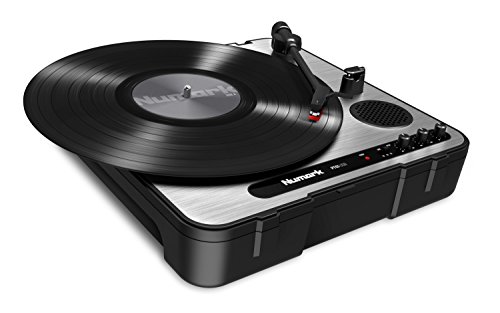
    Numark PT01USB Turntable

    While this record player is quite the jump in price from the other options we have explored, it is important to include for those that want a more modern looking record player to display. This player is more of a turntable, meaning that it is flat and looks more simplistic. However, this is not to say that it does not come with amazing features, and it can be the perfect look for your new record player.

    The sleek, black design of this record player is something that would look great in any modern home. sits flat and is not too showy while still being an interesting piece of functional decor. While it looks great in any home, it is also a more durable record player, so it is easy to take it on the go with you! The sleek design is not the only thing that this record player offers though.

    Numark PT01USB | Portable Vinyl-Archiving Turntable for 33 1/3, 45, & 78 RPM Records

    When it comes to function, this record player has it all. It includes a USB connection option in addition to RCA line outputs, headphone outputs, and a stereo input. You can play music to and from this record player in a variety of ways, giving you a lot of listening options. It also includes three speed playing options like many of the other record players do, so you don’t have to worry about not being able to play a smaller or larger record.

    There are clearly a lot of great aspects of this record player when it comes to sound, and the speakers are nothing to laugh at either. The build in speaker is great for putting a vinyl on quickly, and they have a great sound to them. Because of all of the inputs, you can connect to any other speaker for an even better sound if you want to.

    The Numark PT01USB Turntable is a great option for a record player, and while it only has 179 reviews on Amazon so far, the ratings are ones of high praise and it stands at four and a half stars! It is about $130, but the extra cost can be totally worth it if it is the style of record player you are looking for. You can check out the Numark PT01USB Turntable here!

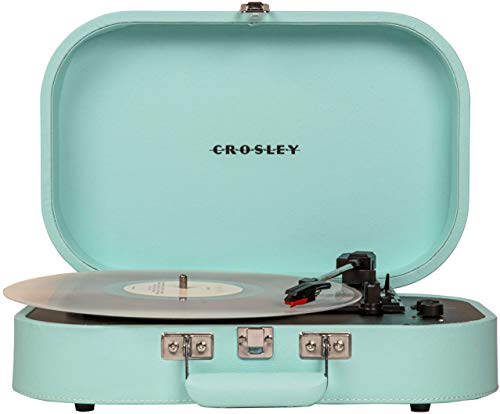
    Crosley CR8009A-GLC Suitcase Turntable

    The Crosley CR8009A-GLC record player is another great option if you love the suitcase look, but want something has a bit softer of an appearance than the Victrola suitcase record player. This record player is a nice, oval shape and it is made with a soft leather material on the outside to really give it that 50’s look. It is a clearly vintage option that is great for any home, whether it is more modern or not.

    It is a suitcase record player, so it is easily portable with its lid that closes and latches, and a handle for easy carrying. In addition to its beautiful, vintage appearance, the Crosley CR8009A-GLC has a lot of the necessary features for any high-quality record player. The sound quality and features are up to par with a lot of the other record players we have talked about.

    Crosley CR8009A-TU Discovery Vintage Bluetooth 3-Speed Belt-Driven Suitcase Turntable, Turquoise

    This record player has built in stereo speakers so it is ready to play right out of the box with crisp, clear sound. It also has all of the RCA, AUX, and headphone ports that you need to connect to nearly any device. One of the most beneficial features of this record player is that it has Bluetooth so you can use those stereo speakers to play music from your phone as well, so you’re not limited to just the vinyls that you own.

    This record player does not leave you hanging if you have different sizes of vinyls either. Like the rest of the record players we have covered, the Crosley has three speeds that you can play your records on. It allows for all sizes of vinyls to be played, seven inch, ten inch, and twelve inch vinyls alike.

    This record player receives great reviews for its soft, vintage appearance and modern technology. It has nearly 600 reviews and they ultimately average out to four and a half stars. This is a great deal for such a high quality record player as well because it is only $60-$70 depending on which color you choose. You can check out this product on Amazon here.

    Victrola 8-in-1 Bluetooth Record Player & Multimedia Center

    The last record player we will look at is the Victrola 8-in-1 Record Player. This is meant for people who want that very old, vintage look instead of a modernized, vintage look. It is quite large, but contains a lot of great features that many of the other record players do not have.

    Victrola 8-in-1 Bluetooth Record Player & Multimedia Center, Built-in Stereo Speakers - Turntable, Wireless Music Streaming | Espresso

    This record player has a three speed turntable, Bluetooth connectivity, FM radio, USB, cassette, CD player, RCA output, and a headphone jack. It is meant to play any music from anywhere. All of these features make this one of the best record players for those that really love that large, vintage look. It even comes with a remote control so you can change settings from a distance.

    The speakers on this record player are very clear and very high quality so that anything you play will fill the room with clean sound. It has over 10,000 reviews on Amazon and is another four and a half star record player. It is quite pricey though, at $130 to $150 depending on the color of wood it is made out of. You can look at this record player here!

  • Are Old Record Players Valuable? Everything You Need To Know

    Are Old Record Players Valuable? Everything You Need To Know

    Are old record players valuable? Suppose you plan to collect vinyl records and turntables. In that case, you may have already asked this question or searched for the answer on the internet. Considering how old record players are, what value can they offer?

    Old record players vary in sound qualities, yet many audiophiles treasure them. But several factors determine how valuable your vintage player is:

    • Brand
    • Condition
    • Model
    • Design
    • Rarity

    Apart from that, record players are also valuable on a sentimental level. (source)

    Moreover, you also need to know the factors that make a vintage record player valuable. 

    Are Old Record Players Valuable? Why?

    Record players were trendy back then. They were the top music-playing device for many music enthusiasts, so it’s no surprise that they provide an unmatched music experience. 

    Right now, the music industry experienced a surge in sales of vintage record players. The reason is that collectors and audiophiles flocked to the vintage appeal of old record players.

    As a result, old record players are worth something nowadays. 

    So, why are old record players valuable? 

    The sound

    One of the essential reasons why old record players are valuable is the way it plays music. Generally, record players have an analog sound that reverberates way better than their digital counterparts. In record players, especially the old ones, the vocals, and music are closer to the real deal than those produced by digital audio formats. 

    In digital audio, such as iTunes, Spotify, and MP3, the sound quality of a song reduces. The reason is the compression of the files to fit into the memory of your device. 

    On the other hand, old record players offer excellent audio quality. If your old record player is still in good physical condition, it will still be valuable despite its age.

    Manufacturing

    To answer the question, “are old record players valuable,” you also need to look at how brands manufactured the turntable. Vintage record players have small yet complex internal components, making their manufacturing process so complicated. Manufacturers need to meet certain adjustments and requirements when producing record players. 

    For instance, one of the most challenging parts of the manufacturing process is ensuring that you will not hear too many vibrations and resonance while a vinyl record is playing. 

    It is also essential to note that manufacturers created vintage turntables for them to last a long time. So apart from precision in manufacturing, they also ensure that they use high-end components. For this reason, old record players are still valuable today. (source)

    Vintage Record Player Components That Make Them More Valuable

    One of the things that answer “are old record players valuable” is their parts. Vintage record players contain intricate pieces that are highly sensitive and follow exact standards when produced. These parts need to work together for the record player to convert the sound picked up by the stylus. 

    Are old record players valuable? That depends on the condition of their intricate parts. 

    1. Cartridge or stylus

    The stylus is the part that tracks the grooves. It is the needle that you put on the surface of a vinyl record to produce sound. The stylus should be appropriately aligned and have an exact weight to avoid damaging the vinyl record. 

    Additionally, the stylus connects to the cartridge, which allows it to move without any disturbance and do its job correctly. 

    The cartridge and stylus are two of the essential parts of the record player. The reason is that they have the most significant impact on the sound quality produced by your turntable. 

    Moreover, the quality of cartridges varies depending on their prices. However, you need to note that the cheaper ones can easily damage your vinyl records.

    2. Bearing

    The bearing is responsible for ensuring that the turntable’s platter will rotate consistently and stay level. It also ensures that the stylus will track the record correctly. For this reason, manufacturers need to produce bearings precisely as a bit of deviation can significantly affect the turntable’s performance. 

    3. Platter

    This part is where you place your vinyl record. A platter usually has a rubber mat or felt as its top component, which prevents the record from resonating too much. The platter’s top mat also ensures that the record will not slip around while on the play. 

    4. Motor

    Another component that answers “are old record players valuable” is the motor. It is the heart of the record player as it is responsible for making the platter and vinyl record turn. If the motor is in bad condition, a vintage turntable will not be that valuable. 

    An essential aspect of the turntable motor that needs to be precise is its speed. The motor must be speed consistent, so the type of drive that connects it to the platter is also a crucial factor. The drive should either be a belt drive or a direct drive.

    5. Tonearm

    The tonearm is the pivotal or radial arm that holds the cartridge. It is generally adjustable when it comes to height. The tonearm also has a counterweight that balances the cartridge at the right height, allowing it to put just enough pressure on the record. 

    With enough pressure and counterweight, a record player’s tonearm can provide you with optimal tracking. It can also prevent your vinyl record and cartridge from getting any damage. 

    Are old record players valuable? The answer depends on the condition of its individual parts. The components mentioned above need to work together despite how old the record is. This way, it will still be able to produce high-quality audio. 

    If the components of your old turntable are in excellent condition, they may have a high market value. (source)

    How To Determine The Value Of A Record Player

    People experience music differently depending on the system that they are using. Right now, the most convenient form of music is the digital format, which you can access through different music streaming platforms. 

    However, such a format involves compressing the music files into smaller sizes. While digital music is utterly convenient, this convenience often outweighs the quality of music for reduced quality. But for audiophiles who want to get the best out of their music experience. 

    Such is the reason why record players are still valuable regardless of how old they are. But how exactly do you find the answer to “are old record players valuable?”

    Brand

    A lot of manufacturers produced record players in the 90s. But it is essential to note that some brands are better than others in terms of the quality and look of their record player. 

    Moreover, the most valuable record players in the 90s are created by:

    • Micro Seiki
    • Dual
    • Thorens 
    • Linn
    • Technics 
    • Rega
    • Kenwood
    • Marantz
    • Garrard 
    • Denon

    In addition, Bang & Olufsen were also popular for making exceptional record players. If you have a record player made by any of these brands, chances are you own a high-value device. 

    Condition

    The brand is not the sole thing that answers “are old record players valuable.” No matter how popular the brand that created your record players is, its value will decrease if it is in poor condition. 

    The condition of your device is highly essential when you are determining its value. A record that physically looks good but is no longer working might be a good vintage decoration. However, it will not have the same value as a record player that is working perfectly. 

    A record player that is already in bad shape will ruin a delicate vinyl record.

    So, how are old record players valuable? If your player has a flat base, turns freely, and the arm moves without friction, then it has a high value. 

    Additionally, the cartridge and stylus of your record platter should also be in good condition. This way, you will be able to touch them without causing any damage. 

    Model

    Are old record players valuable? Well, some record player models have an extremely high value. For instance, the Linn Sondek LP12 is an invaluable record player among collectors. Another iconic model is the Garrard 301/401 was also a record player of choice among audiophiles. The reason? Their features.

    Record PlayerWhy it is valuable
    Linn Sondek LP12launched in 1972has a wooden exterior that’s is aesthetic and valuable among the most expensive record players launched in the market the price, which is more or less $800, can increase with modifications and adding parts
    Garrard 301/401ranked among the best vintage Hi-Fi record players still popular up until today can sell for more than $2340

    Moreover, old record players sold by exclusive brands can sell for over $11,670. 

    Design

    Damaged record players and the ones that no longer work may not be as valuable as those that play perfectly. But that does not mean they do not have any value at all. However, it is essential to note that there are marketplaces that will not accept broken records. 

    Moreover, some old record players still hold value due to how they look. Record players created in the 60s and early 70s focused primarily on sound quality. Manufacturers did this by producing high-quality speakers and amplifiers. 

    On the other hand, the focus of record players shifted in the late 60s and 70s. Instead of focusing on the sound, brands put their emphasis on the designs of their players. 

    So, are old record players valuable in terms of design? Yes.

    Moreover, some examples of old record players with rare designs are:

    • Michell Transcriptors
    • Audio Research XA
    • Dieter Rams Design

    The Audio Research XA is among the most straightforward and best turntables in history in terms of design. On the other hand, the other two were famous for their high-quality construction and minimalistic design. If you have any of these record players, you may have a highly collectible piece. (source)

    Top 6 High Valued Vintage Record Player and Brands

    Even before the resurgence of record players, many audiophiles are already collecting vintage turntables. The primary reason is that vintage turntables are very reliable despite how old they are. They have an excellent sound quality and robust construction, which define their value in the market. 

    Record players were trendy in the mid-90s. So, the industry had a lot to offer, and each of those models competed for dominance. For this reason, finding a valuable vintage record player today can be a challenge.

    That said, check out the turntables below to find out why our old record players are valuable:

    1. Linn

    Linn Products is popular for its Linn Sondek LP12 record player. This vintage turntable was popular due to its chassis design. Linn created a single-bearing suspended sub-chassis, which offered excellent performance.

    Additionally, the brand created the said bearing precisely, which allowed it to deliver smooth operation. 

    On the practical side, the Linn Sondek LP12 was popular as people recognized its quality very quickly. Up until now, this vintage record player still holds a place in the list of popular turntables.

    Apart from quality, the LP12 appeals to audiophiles because you can purchase it for approximately $700 – $800 in its basic configuration. But this record player possesses an impressive potential in terms of an upgrade. That means you can spend how much you want for it to have a better power supply, tonearm, as well as other components. (source)

    2. Technics

    If you want a record player with vintage gear yet can support a modern upgrade, you should go for Technics turntables. This brand is developing some of its legendary record players into impressive current models. 

    For instance, the vintage Technics SL-1200 now has a modern counterpart, the Technics SL2-1200 MK7. 

    The MK7 maintains the classic look of its vintage predecessor. However, the difference lies in the fact that it features a coreless direct-drive motor. This feature offers better torque. It even comes with the classic S-shaped tonearm, which made the SL-1200 popular back then.

    Similarly, the Technics SP-10 was also popular back in its days. The turntable industry debated about belt drive versus direct drive, causing it to become polarized. While both sides showed strong arguments, belt drive slowly took the lead.

    But when Technics launched the SP-10, it was able to lay down the law simply. Another proof of why are old record players valuable is the pure engineering excellence of this vintage turntable. 

    The SP-10 has a direct drive system that even the best belt-driven record players found difficult to counter. Today, a decent Technics SP-10 costs around $2000, highly valuable considering its unattractive format. (source)

    3. Garrard

    Garrard is one of the record players that has classic and timeless designs. The company was first seen in the market in 1915 and closed in 1992. Within this timespan, Garrard produced one of the most iconic record players that we know today.

    That record player is the famous Garrard 301/401. 

    The two designations were the representations of two nearly identical models. In addition, they were also the embodiment of elite Hi-Fi, making them two of the most sought-after Garrard turntables up until today. 

    Moreover, the Garrard 301/401 costs more than $5000. So, if you ask, “are old record players valuable,” this vintage turntable is a perfect answer. (source)

    4. Thorens

    Thorens is also another legendary vintage turntable brand. It is a Swiss-based manufacturer known to deliver impressive record players equipped with high quality and excellent performance. 

    One of the most sought-after turntables by this brand is the Thorens TD-124. This model, launched in the mid-’50s, has a belt drive that gives it high-definition audio. There are also several torques connected to its heavy platter, allowing it to provide fantastic performance. 

    The TD-124 is a bit outdated today, but it can still keep up with other younger turntables. This vintage icon costs approximately $1000. (source)

    5. Kenwood

    Kenwood is no longer a stranger to vinyl enthusiasts who have already experienced music in various ways, shapes, and forms. This manufacturer is still among the top authorities in the industry today and is producing various audio equipment apart from turntables. 

    But before this brand produced fantastic audio devices, it was manufacturing excellent record players. For instance, the Kenwood L-07D is a model that received a lot of praises back then. 

    For people asking, “are old record players valuable,” the L-07D proves that they do. Its performance can even go against some of the modern record player giants available today. The L-07D features a direct drive and a triple layer platter, ensuring that you can get high-quality audio without too much vibration. 

    Moreover, the popularity of this vintage Kenwood turntable will require you to spend $2000 at the very least. (source)

    6. Marantz

    This record player manufacturer was behind some of the most legendary record players that the world has seen. For instance, the Marantz Tt 1000 is one of the most iconic turntables the brand has ever produced. This brand is another manufacturer that answers, “are old record players valuable.”

    The Tt 1000 is a direct drive model that conquered the industry from about 1980 to 1990. Up until this day, this record player is one of the most popular vintage turntables. The older the unit, the more valuable it will be. 

    Audiophiles who want to purchase a decent Marantz Tt 1000 will need to spend at least $4000. But it is essential to note that you need luck in tracking one down. (source)

    How to Maintain Your Vintage Record Player

    Are old record players valuable? The answer not only depends on their brand and model. Instead, the condition of the equipment is also a factor to consider. 

    Record players, particularly the vintage ones, require care and maintenance. The reason is that even the most minor damage can affect how your turntable delivers sound. Fortunately, these devices are created with precision, making them durable.

    But regardless of how high-quality your vintage record player is, you need to know how to take care of it properly. The reason is that proper maintenance will allow you to keep your vintage record player valuable. 

    Use a table that can adequately support your turntable

    If you want to maintain the value of your record player, the first way to do it is to place it on the right platform. 

    Without the right platform, record players tend to have a jarring effect of your footsteps when suspended. This jarring effect can lead to your turntable producing distorted audio. For this reason, you need to place it somewhere that prevents it from vibrating.

    In addition, you need to place your vintage turntable somewhere where nothing can interfere with its signal. You need to keep any unwanted force away from your equipment unless it is good enough to absorb vibration even before it gets to the needle and the vinyl record. 

    Calibrate the anti-skate, tracking force, and height settings correctly

    Are old record players valuable? Well, a vintage turntable must not have any visible sign of wear and tear for it to be valuable. In order to achieve this, proper calibration is essential. 

    Your record player’s tracking force, anti-skate, and you must set the height adjustment correctly to prevent the needle from skipping. 

    Additionally, you should always check the tonearm of your vintage record player to ensure that it puts enough pressure on a vinyl record when in use. 

    Clean the stylus using a carbon fiber brush

    A record player is prone to distortion and skipping once the stylus has accumulated dirt and dust deposits. For this reason, you must have a high-quality stylus brush that can remove the buildup without damaging the stylus. 

    A carbon fiber brush is the best choice for cleaning a stylus. You can also use mild liquid cleaners to keep it in excellent condition. In addition, it is ideal for replacing the stylus every 3,000 hours to ensure that the record player will have a fantastic audio quality. 

    The stylus is one of the most critical parts of your turntable. So, making sure that it is well-kept will answer yes to “are old record players valuable.”

    Align your anti-skate counterweight correctly.

    The anti-skate counterweight is a part of a record player that is responsible for positioning your stylus correctly in the center of the groove. Proper alignment is crucial as it can significantly affect how your stylus sits in the groove of a vinyl record while it is spinning. Therefore, it can also affect the quality of sound that your record player produces. 

    Replace the record player’s belt every few years

    If you own a vintage belt-drive record player, one way of keeping it in good shape is to replace its belt once every few years. Once you start seeing it slip on its pulley lower than the usual, that is an indication that it needs a new one. 

    Another sign that you need a new belt for your turntable is when you hear it slip every time you turn your record player to the on position.

    Clean the surface of your record player

    Cleaning your record player will help you keep it in good shape. But to ensure that you will not cause any scratches or damage when you are cleaning your turntable, you have to use a clean, lint-free cloth.

    If there are fingerprints, alcohol is the best cleaning material. You should never use cleaners with harsh chemicals as they can ruin the surface of your record player. 

    Once completed with removing any dust, dirt, and fingerprints, rub the surface of the turntable with a dry, antistatic cloth once again. 

    Moreover, it is essential to note that you should never use your bare fingers to clean the turntable.

    Make sure that the insides of the record player are clean

    As mentioned, turntables have complex parts on the inside. If those parts are kept clean, you will have a positive answer to “are old record players valuable.” For this reason, you need to clean the insides of your turntable every once in a while. 

    Cleaning the internal parts of your record player will help it sound better and have a longer lifespan. Such is especially true if you have a belt-drive record player. 

    To clean your turntable on the inside, the first thing you need to do is to remove the rubber mat and platter. To ensure that you are doing this step correctly, make sure that you look for your unit’s operating instructions online. Once you successfully remove the platter, take off the belt carefully and clean it with a cloth and alcohol. 

    Next, wipe the underside of the platter to remove any dust and deposits. Once done, wait until each part is completely dry before assembling the record player again.

    This process can seem complicated. Fortunately, you only need to do it once or twice a year to keep your record player in its perfect shape. It is also ideal to use a dust cover to protect your device. (source)

  • Buying a Record Player or Turntable? 8 Things You Must Know

    Buying a Record Player or Turntable? 8 Things You Must Know

    Vinyl records have been around for a while, and they are still a wonderful and high-quality way to listen to music. They are classy and retro, and are most definitely coming back into style. Vinyl record player sales are certainly going up. But before you go get yourself a record player, here are 8 things you definitely need to know. Maybe a turntable would actually be a better fit for you!

    Difference Between a Record Player and a Turntable

    Technically record players and turntables are two different things. A record player is a machine that reads records and turns the vibrations into music. Typically, they contain all that you need to play your records, including speakers. A turntable is part of a record player. It’s the part that spins the record and uses the stylus to read the grooves etched into the vinyl.

    You can either buy the whole record player or customize your own with a turntable and other additions. However, the words turntable and record player are used interchangeably a lot because they are so similar. It’s important to recognize their differences before you buy one or the other though.

    Necessary Additions to a Turntable

    Most record players don’t need any add ons, but some require additional speakers. However, if you get just a turntable, you will definitely need some other components before you can start listening to your records. The turntable reads the record and turns it into vibrations, but it still needs other equipment to turn those vibrations into glorious music. Some other add-ons you need for your turntable are a preamp, an amplifier, and speakers.

    The preamp helps boost the signal from the turntable so it can be received by the amplifier. Some turntables have preamps already built into them. But if your turntable doesn’t have a built-in preamp, you will need to purchase a separate one.

    Like the preamp, the amplifier helps strengthen the signal even more so that the speaker can use it. Without this, the signal will be too weak. Luckily, some speakers have amplifiers built into their system.

    And finally, you need speakers. Speakers are essential because without them it would just be electrical signals, not music. There are many different styles and shapes of speakers. There are stereo speakers or floorstanding speakers. Some record players even come with Bluetooth capabilities and can be used to play with any Bluetooth speaker.

    So if you buy a turntable with a built-in preamp and a speaker with a built-in amplifier, then that will be everything that you need.

    Manual vs Automatic vs Semi-automatic

    There are three different types of record players. There are manual, automatic, and semi-automatic. The big difference between these relates to the tonearm. The tonearm is the mobile part of a record player that holds the needle or stylus that picks up the grooves in the record. For all record players, the tonearm needs to be moved so that the stylus rests on the vinyl record. Once the song is over, the tonearm needs to be moved off of the record. The difference between manual, automatic, and semi-automatic record players is how this tonearm is moved.

    Manual

    Manual record players are record players where you have to place and remove the tonearm from the record to start and stop the music.

    Automatic

    On the other hand, automatic record players will place the tonearm at the push of a button and automatically remove it once the song is done. This makes the record player a lot easier to use.

    Semi-automatic

    Finally, Semi-automatic are record players that you have to manually place the tonearm on the record, but it will automatically remove the tonearm once the record is finished. You just have to get it started and the machine will do the rest.

    The biggest reason to consider one style over another is that placing the tonearm on the record incorrectly can hurt a record. If you don’t put the tonearm on correctly then the stylus might scratch the record, permanently damaging or destroying the item. Also, placing the tonearm wrong can make a terrible screeching sound, which totally ruins the effect of a soothing song.

    In addition, a manual record player will keep going after the song finishes. If you don’t remember to take the tonearm off, it will keep playing, which could cause problems down the road.

    Overall, deciding which style you should get all depends on your personal preference and how confident you are in using your record player.

    Storage of Your Record Player

    Some record players are very portable, specifically suitcase styles ones. But others need a permanent home. Style is important, but there are a lot of other factors that should go into where you put your record player.

    The first thing to do when finding a good place to put your record player is safety and stability. Because they can be so expensive, you never want to put a record player in a place where it could be bumped or knocked off its resting place. Record players need to be placed on a stable and heavy surface. If the player causes the table or shelf it sits on to vibrate, it can mess up the record player and cause it to skip or cause tracking issues. One way to help mitigate this is the use of isolation platforms, feet, or pads. These add-ons will help reduce the vibrations that affect your record player.

    The next thing to consider is whether the player will be level or not. Record players and turntables should always be placed on flat surfaces. Make sure you test to see if the surface you picked out is uneven or not. If the surface isn’t level then it could cause unnecessary wear and tear on your equipment.

    Finally, you need to figure out where to place your speakers. Because sound is composed of vibrations, speakers cause a lot of vibrations. Placing your speakers too close to or even on the same surface as the record player can cause problems. Like placing it on an unsteady surface, extra vibrations can cause the record player to have tracking problems.

    A good way to prevent this is to put speakers on a different surface, like a separate shelf. Another option is floorstanding speakers, which are speakers that just sit on the floor. Also, there are speaker isolation pads that will reduce vibrations caused by the speaker.

    A lot of this depends on your available space and how you want your setup to look. But these factors are crucial for the safety of the player and the quality of the sound. You need to keep these things in mind as you plan where to put your record player.

    Price

    You can buy a turntable for a fairly cheap price, but a cheap one can hurt your records. Not all record players and turntables are made equal. You get what you pay for, and sometimes it’s best to pay a little more.

    A starter turntable usually costs between $100 to $400. A high-quality model turntable will cost closer to $400 and $700. (Source) Keep in mind that turntables also require additional parts, like speakers, which will increase the overall price.

    On the other hand, record players can cost from $50-$300. Again, there is a strong correlation between price and quality. The lower the cost, the more likely it is to both hurt your records and to fall apart before its time.

    Which Brand is Best?

    There are so many different styles and brands of record players that are available to buy. Some of the best brands to buy record players and Turntables from include Pro-Ject, Fluance, and Audio-Technica. Each of these brands has its own different benefits. Audio-Technica is the most affordable of the three. Fluance and Pro-Ject are a little more pricey, but they are worth the extra money.

    There are plenty of other good brands out there, but there are also some brands and styles that aren’t the best. Some record players aren’t very good and can actually cause damage to your records. Crosley and Victrola brand players aren’t as good and the same goes for Denver suitcase models.

    Each of these brands have different downsides. For example, the Crosley brand record players sometimes use cheaper styluses that are rougher on your records and can shorten the life span of that record. If you want your vinyl to last longer, it’s worth the extra money to get a better quality record player.

    Size of Records You Want to Play

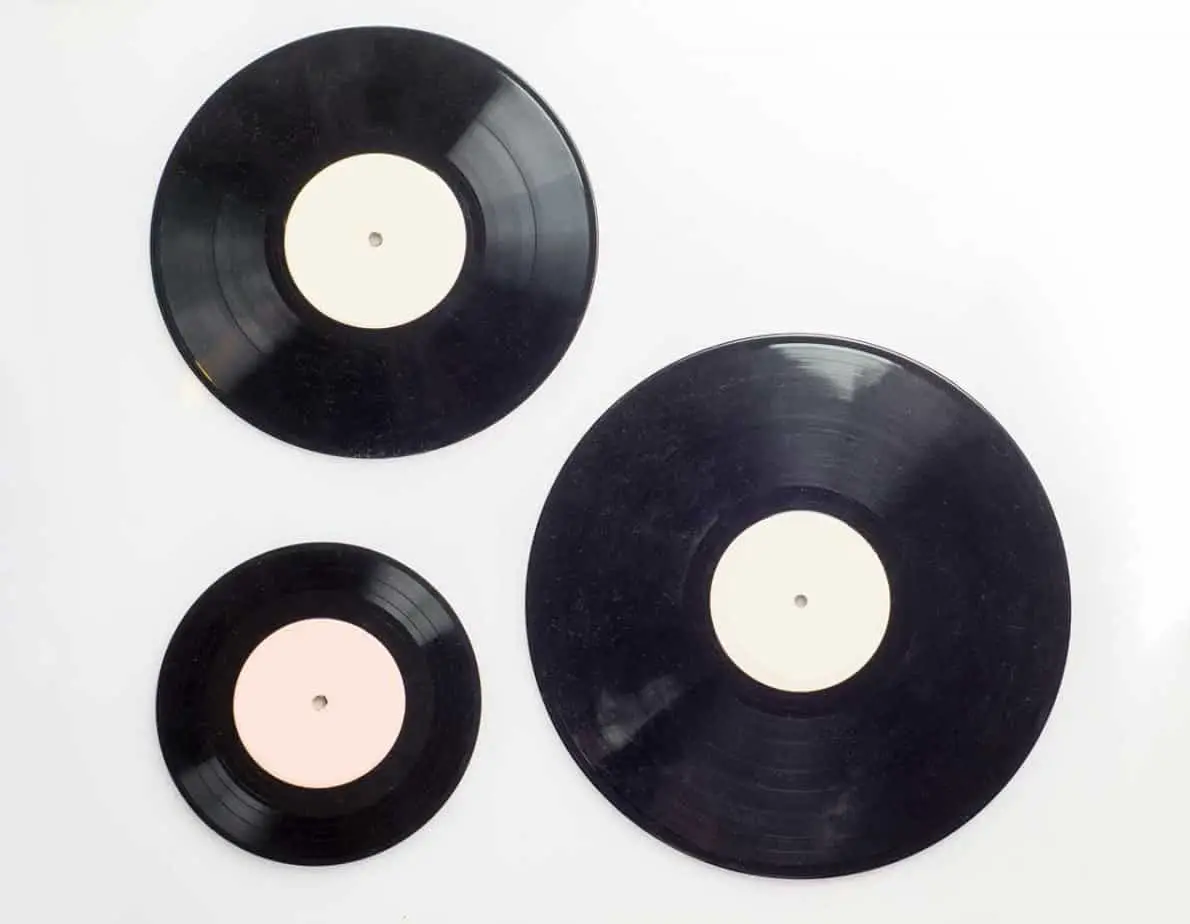
    Not all vinyl records are the same. There are three different possible sizes of records. This is important to know because not all record players can play all sizes of records.

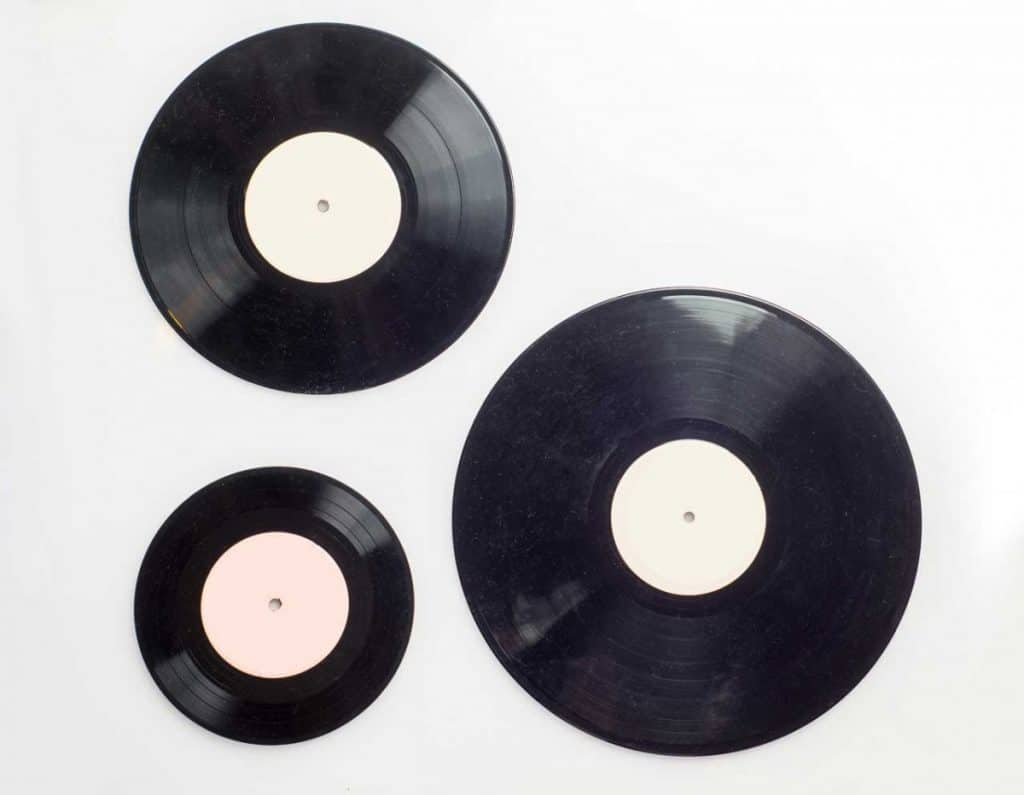
    The different sizes are 12-inch diameter records, 10-inch diameter records, and 12-inch diameter records. The 10-inch size is the least common size, typically the records you will see will be 12-inch or 7-inch records. All record players can play a 12-inch record and a 7-inch record. However, not all can play a 10-inch record. If you want to play a 10-inch record you will need to make sure that the record player or turntable that you are buying is capable of playing a record of that size.

    One thing that size can affect is how fast your record player should be going. The speed of a record player is determined by RPMs or rotations per minute. There are three different possible speeds, 33 1/3 RMs, 45 RPMs, and 78 RPMs.

    Normally, your records should say what speed they should be played at. Typically 12-inch records should be played at 33 1/3 RPMs, 10-inch records should be played at 78 RPMs, and 7-inch records should be played at 45 RPMs. However, the speed can vary depending on the specific record. Playing a record at the wrong speed will not cause any lasting damage to it, but the song will not sound the way it is supposed to.

    The final thing that size affects is how much music it contains. Records that have a 7-inch diameter will only last for about 5 minutes for each side while 10-inch records will last about 8 minutes per side. Finally, 12-inch records will last about 22 minutes for each side.

    Long Term Care

    The last thing you need to know about record players and turntables is how to clean them. Cleaning your record player is critical. If you ignore cleaning your record player, then it will end up hurting your player and your records. Dirt and dust builds up over time and can cause many problems. It can interfere with the playing of the music and ends up scratching your records and causing permanent damage to the vinyl. A little cleaning every time you use your record player can save you a lot in the long run.

    First, you should dust your record player every time you use it with a lint-free or microfiber cloth. However, if you only use your record player every now and then, you should try to dust it twice a week. If you need a bit of a deeper clean, use rubbing alcohol on the microfiber cloth before you dust. If you do use rubbing alcohol, go over the player again with a dry microfiber cloth to remove any excess moisture.

    Another thing you need to take care of is the stylus. There are special brushes for cleaning stylus, but if you don’t have them a fin small paintbrush would work. You should wipe the stylus with this brush every time you use your record player. If you want a more in-depth cleaning, use rubbing alcohol. Be very careful as you clean the stylus. It is very fragile and can bend easily. (Source)

    One good way to make cleaning your record player easier is to use a dust cover between uses. Some record players have dust covers built into them. Some dust covers are plastic while others are cloth. Using a dust cover will limit the amount of dust and dirt that will accumulate on your player. Dust covers aren’t perfect and dust will still get on your record player, but it will make cleaning a lot easier. You can also just use a cloth if you don’t have a dust cover. (Source)

    Now that you know these important things, you’re ready to enjoy your record player.

  • The History of Record Players, Turntables, and Vinyl Records

    The History of Record Players, Turntables, and Vinyl Records

    Music is a staple for all of human civilization, and it plays a large role in culture and history. In the scope of all of human history, it is astounding that we have only been able to record sound for the last century. It is nearly impossible to imagine a time of not being able to listen to your favorite song at will, and it is obvious we have come a long way from live music being the only way to enjoy it.

    Record players were invented in 1877 by Thomas Edison. After Edison’s invention of the phonograph, other inventors improved his design to make the machine more effective. In the 1950s when vinyl records were mass-produced, record players became the main method of listening to music.

    The history of record players is fascinating, and there is much to be known about it. Although every individual has experience with the record player, there are few that know about its rich history. If you want to learn more about the history of record players, turntables, and vinyls, then you will want to continue reading below.

    The Phonautograph

    Although Thomas Edison is credited with the invention of the record player, it is important to note that he was inspired by other inventions.

    One of these includes the phonautograph, which was invented by Edouard-Léon Scott de Martinville, twenty years prior to the phonograph. Without the phonautograph and knowing that recording sounds were possible, Edison would have found it difficult to invent the phonograph.

    Edouard-Léon Scott de Martinville had the idea of recording sound. In layman’s terms, he viewed recording sound the same as photographing a word. Although no one had done it yet, he knew it was possible.

    Scott began to work on his creation, and by 1857, an association for new technologies, SEIN, became interested in his concept. Scott began working with them and eventually others to make the phonautograph. By 1860, Scott had successfully made a machine where self-recording was possible.

    The Phonograph

    Due to the phonautograph that was invented by Edouard-Léon Scott de Martinville, it was known that recording sounds was possible. However, playing back these sounds had not yet been done. Sounds were visualized and produced on paper, however, they could not yet be heard. It was not until twenty years after the invention of the phonautograph that sounds could be played back.

    In 1877, the phonograph was invented by Thomas Edison. The invention was a cylinder that was wrapped in tin foil and that was turned by hand with a crank. The machine consisted of two different needles, one that was for recording sounds to the tin foil, and the other that was used for replaying the sounds originally recorded. Although the tin foil was far from ideal, it was the best option currently known. Indentations were made into the foil, and it was effective at its purpose. Over time it underwent revisions that made it even more worthwhile.

    It was not until Edison reversed his original process that he was able to hear the words he recorded play out loud. Edison first recorded the nursery rhyme “Mary Had a Little Lamb”, which was an impressive feat for its time. In 1878, he became officially patented with the invention. The patent was well deserved, as Edison carved the way for future record players.

    Despite how important this invention was, it was not Edison’s most profitable discovery. The phonograph was not nearly as popular as Edison expected. Edison suspected that the phonograph would do well and was surprised when it did not. He was proud of his invention, however, he moved on to other projects in hopes that one of them would succeed.

    Although the phonograph was not especially popular, it laid the foundation for record players. Other inventors took what Edison did with the phonograph, and perfected it in a way that made it desirable to the public.

    Thomas Edison’s invention was undoubtedly a monumental discovery. Because of him, other inventors now knew that the playback of sound was possible. After Edison’s invention did not prove to be as popular with the public as expected, others took it upon themselves to improve the machine so more people would be interested in it.

    One of these inventors was Alexander Graham Bell. Bell’s intentions were to improve the design of the phonograph and make it more effective for users. Edison and Bell had always been competitors. They oftentimes played off of each other’s inventions, and it was no different with the phonograph. Bell once wished to work with Edison on the improvement of the phonograph, but Edison stubbornly refused.

    Because of Edison’s refusal to collaborate, Bell was forced to work on the improvements himself. Bell sought a more durable machine, which is exactly what he got. The current design was using tin foil, and this was less than desirable. The tinfoil was fragile, and so Bell immediately wanted a better medium. Rather than using foil, Bell used wax, which proved to be successful in terms of durability.

    There was fierce competition when it came to the phonograph. Everyone was surprised by how Edison made it possible to playback sounds, and so they were all trying to perfect the machine. This made is as to where multiple credible inventors were competing against each other at the same time. Because of the phonograph, Edison had created a culture of competition amongst fellow inventors. It was only a matter of time before one of them hit the mark and would further escalate the capabilities of the record player.

    The Gramophone

    According to the Library of Congress, Emile Berliner is credited with the invention of the gramophone. Berliner was fascinated by Edison’s invention of the phonograph, and also by the graphophone. He used a combination of the techniques that were used for these machines and also used his own unique methods to create what is now known as the gramophone.

    By 1896, the gramophone was available for purchase. The Berliner Gramophone Company of Philadelphia was created, and its goal was to sell and distribute the product.

    However, on September 29, 1897, a tragic fire occurred at the laboratory of the gramophone company. All the gramophones were burned, and all the equipment had to be replaced. This was an unexpected setback for the gramophone, and it was difficult for the company to recover.

    Although the fire was a setback for the gramophone, the company eventually recovered. The gramophone become a success and was eventually sold throughout the world. The gramophone caught the attention of many, and Berliner began to face many competitors. Despite multiple lawsuits revolving around the gramophone, its invention remained influential. Due to Berliner’s gramophone, the record industry was transformed.

    When Were Vinyl Records Popular?

    Records existed long before the classic vinyl. What we know today as a vital part of the record player did not always exist. Instead, other types of records were used until the vinyl was discovered.

    Before vinyl records, shellac records were used. However, shellac records were only able to hold two songs. One song could be recorded on each side, which made records in general very ineffective. Those who were passionate about music made it work, but they longed for a more practical way of listening to music.

    Thankfully, Peter Carl Goldmark came to the rescue in 1948. Goldmark invented the Long Play records, which allowed more music to be held on records than ever before. Not only did he allow for more music to be held on a single record, but he also increased the overall sound quality. Vinyl records quickly replaced the original shellac records, and thus began the popularity of records.

    The Downfall of the Record Player

    Record players transformed how music lovers could listen to music. They were now able to listen to music whenever they wanted with ease, as long as they were in their home. However, individuals could not yet listen to music when they are on the go. Although they could listen to music in the comfort of their homes, there still was room for improvement when it came to listening to music in various locations.

    The downfall of the record player came when the Sony Walkman was invented. On July 1, 1979, the Walkman demonstrated how it was a breakthrough technology.

    The compact size of the Walkman made it possible for individuals to listen to music wherever they were at. They quickly replaced the need for record players as cassette players could be used anywhere. Record players were more inconvenient as they were so large and could only be used in homes.

    The Sony Walkman dominated the 1980s and 1990s. Everyone had one, and those of all ages could use them. Not only the younger generation used them, but individuals of every generation could. The cassette player became a way for all lovers of music to bond, as they could be used anywhere and everywhere.

    After the Walkman, the CD started to gain popularity. CDs were invented in 1979 just like the Walkman, but they did not become available to the public until 1982. The CD was extremely effective, even more so than the Walkman. During the 1990s, CDs began to climb in popularity. Once more people learned about them and realized how much music they could hold, they stopped using cassette players. By the 2000s, CD players replaced cassette players. This was of no surprise, due to how much storage is available on CDs.

    The CD player overtook both record players and cassettes. Rather than having cassette players, cars became furnished with CD players. No matter where you were, you could find a place to play your CD, and that continued to be the main form of listening to music until online music was invented.

    Record Players Today

    In most cases, once newer technology is invented, the old one never comes back. It goes extinct, because the more advanced machines overpower the old ones, and there is no reason to downgrade. New technology is always up and coming, and individuals try to not live in the past. They want to continue moving forward and it is not common to go back and use old technologies.

    This is true for nearly every source of technology except for the record player/turntable. After nearly everyone had gotten rid of their original record player, individuals started to miss it. After thirty years of using more advanced technologies to listen to music, individuals started to long to listen to their classic vinyl records. They wanted to once again hear its classic sound, and it became a source of nostalgia for the older generation.

    Although the older generation wanted to use record players/turntables because it was what they grew up with, the rising generation had an alternative motive. For them, vinyl records were new and had the classic vintage aesthetic that is becoming increasingly popular. The younger generations did not live in an era where record players were popular, but thanks to its now high marketability, they can feel as though they did.

    Nearly every artist today releases a vinyl version of their album. Artists know their vinyls are in high demand with younger generations, so they use this to their advantage. Now they can sell their albums digitally, on CDs, and on vinyl records. This allows them to get three times the amount of sales that artists used to. According to The Manual, 2020 was the first time in years that vinyl records outsold CDs. This is a surprising time in history, as no one would have ever expected that vinyl records would be able to maintain being such an influential part of history.

    While younger generations still use more updated forms of technology, it is no question that they enjoy record players. They listen to them almost as often as individuals did in the ’50s. Record players and vinyl records making a comeback prove how influential their creations were, and makes it difficult to doubt that they will never go out of style.

    Related Articles

  • Why Your Record Player Is Playing High Pitch And How To Fix It

    Why Your Record Player Is Playing High Pitch And How To Fix It

    Why is my record player playing high-pitched? If you have a vinyl record at home, you have probably asked this question a few times now. Of course, the high-pitched sound produced by your vinyl record can ruin your music experience. 

    Your vinyl record is producing a high-pitched sound due to two reasons:

    • The belt is in the wrong position
    • The turntable is spinning too fast

    Even the belt’s slightest slip will cause a high-pitched sound. So, a fast turntable plays a role in causing this problem. (source)

    Your record player is sensitive equipment, so the changes in its parts can cause a huge effect. If your record player is playing high pitch, you need to fix it when you notice the problem. 

    Why Does Vinyl Sound Higher Pitch?

    Like in any other sound source, the sound produced by your vinyl record results from air vibrating. So, if your record player produces sound at a faster rate than the record is recorded initially, the vibrations will hit the listeners’ ears faster than the original rate as well. Such is why a vinyl record is playing more quickly than the actual speed sounds higher in pitch. 

    So, if you wonder, “why is my record player playing high-pitched,” the answer is straightforward. Doubling the speed that musical notes play at raises the pitch of every note by an octave. Meaning if your turntable is spinning too fast, it causes the vibration to increase in speed. The notes of the music playing also raise, causing it to sound pitchy. (source)

    Another culprit behind your record player playing high-pitched sound is a slipping belt. If the belt moves away from its correct position, the speed of the turntable will be off. As a result, your vinyl record will sound high-pitched. 

    A turntable’s belt is a rubber band. That said, two problems can cause it to slip from its position:

    • The belt is stretched out too much
    • It is riding up too far on the spindle

    No matter which of the two is the problem with your belt, the best thing to do is replace it. The reason is that the turntable belt will not get in the wrong position if it is not stretched too far. 

    But there are still other measures that you can take if you want to try and fix a stretched belt. 

    Moreover, belts last a long time, so you will have to replace them if you notice that they are too loose, stretched, or crack. But these issues will not happen for at least a few years after you bought your record player. 

    But once your record player’s belt shows some issues, you should not think twice about replacing it. Some manufacturers offer belt upgrades, which ensure that your belt does not have irregularities. (source)

    Why Is My Record Player Playing High-Pitched, And How Do I Fix It?

    One indication that your record player is spinning too fast is if it makes high-pitched sounds. Sometimes, the increase in speed is not instantly noticeable, so you need to train your ears to observe if your record player is playing high pitch.

    If you feel that something is off with your record player, the best thing to find the problem is to test its speed. You have to methods to do that:

    Strobe Discs

    Strobe Discs is an application that you can download from the internet. All you need to do is to download and print off the disc with markings. Once the printed copy is ready, carefully place it on your platter. 

    You will need to purchase a strobe light to test the speed of your record player using this method. Additionally, the lines on your strobe disc will be set depending on your country. For North America, the lines will be set for 60Hz. Meanwhile, Europe has a strobe disc line set for 50Hz. 

    After preparing the materials, turn on your record player and let it get to speed. Next, direct the strobe light at the spinning probe disc. If your turntable is spinning at the right speed, the strobe lines will look stationary instead of moving even when the disc is spinning. (source)

    Once you ensure that the turntable is spinning at a slightly faster speed, you can proceed to solve “why is my record player playing high-pitched.”

    Mobile Applications

    Another thing that can help you answer is, “why is my record player playing high-pitched.” These applications are cheaper, more accessible, and easier to use than a strobe disc. However, some may argue that they are not as accurate as the previous method.

    If you want to test your turntable speed, you can get your phone and download an application like the one called “RPM Speed & Wow.” 

    All you need to do is open it and set it on the stationary platter to use this app. However, it is essential to note that the counter on the phone should be at zero before you start. 

    Now, turn on your record player and let it get on its full speed. Then, observe your phone until it displays the RPM of your equipment. (source)

    Fixing The Speed Of Your Turntable

    By now, you already know the answer to “why is my record player playing high-pitched.” So, the next thing you need to do is bring it back to the correct speed. 

    The speed of your record player has something to do with the belt. So, you will need to focus on that when regulation the spin speed. If you are a beginner, you can opt to have professionals sort things out for you. But if you feel like you can do the fixing yourself, here are some things that you can do:

    Boil The Belt

    Take a look at the belt of your turntable. If there are no cracks and the belt only seems a little stretched, you can bring it back to its original size. 

    To do it, fold the belt in half, measure the size, and note the measurement. Then, put the belt in a container where you can soak it. Boil some water and add it to the container where the belt is. 

    Finally, leave the belt to soak for approximately five minutes. Once the soaking time is done, take it out of the water and dry it. 

    Next, fold it in half and measure the size again. By now, the belt should be a little shorter than before you boiled it. 

    Furthermore, put the belt back in place, turn on your record player, and observe whether it no longer plays a high-pitched sound.

    Check If Your Record Player Has Adjustment Screws

    As mentioned, the answer to “why is my record player playing high-pitched” is due to the loose or incorrect position of the belt. Fortunately, some turntables have adjustment screws. If your record player is one of those, you can turn the adjustment screws counter-clockwise to slow down its spin.

    After adjusting the screws, play your record player and see if the high-pitch sound is gone. 

    Make Sure That The Belt Is Not Rubbing Against Anything

    If you did the steps above and non seem to work, the last thing you can do is make sure that the belt is not rubbing against anything. Take a look at the motor and platter to see if there are any blockages. 

    If the record player continues to make a high-pitched sound, take the belt off and add a few drops of oil or lubricant to the rotor shaft. By then, you should be able to have a solution to “why is my record player playing high-pitched.” (source)

    Related articles:

    A Quick Explanation Of Pitch Control For A Turntable

    Sources

    1. Paul G. Nataraj, You Sound Like A Broken Record, University of Sussex, https://core.ac.uk/reader/159011500/ Accessed September 7, 2021. 
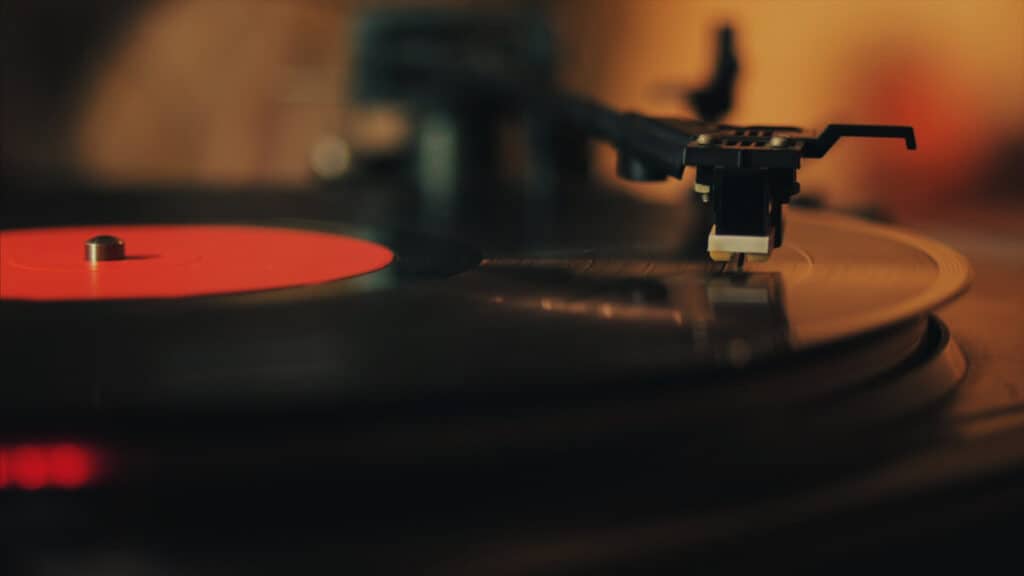
    2. Ammar El-beik And Wokingham, Why Does A Recording Increase In Pitch When Sped Up?, Science Focus, https://www.sciencefocus.com/science/why-does-a-recording-increase-in-pitch-when-sped-up/ Accessed September 7, 2021. 
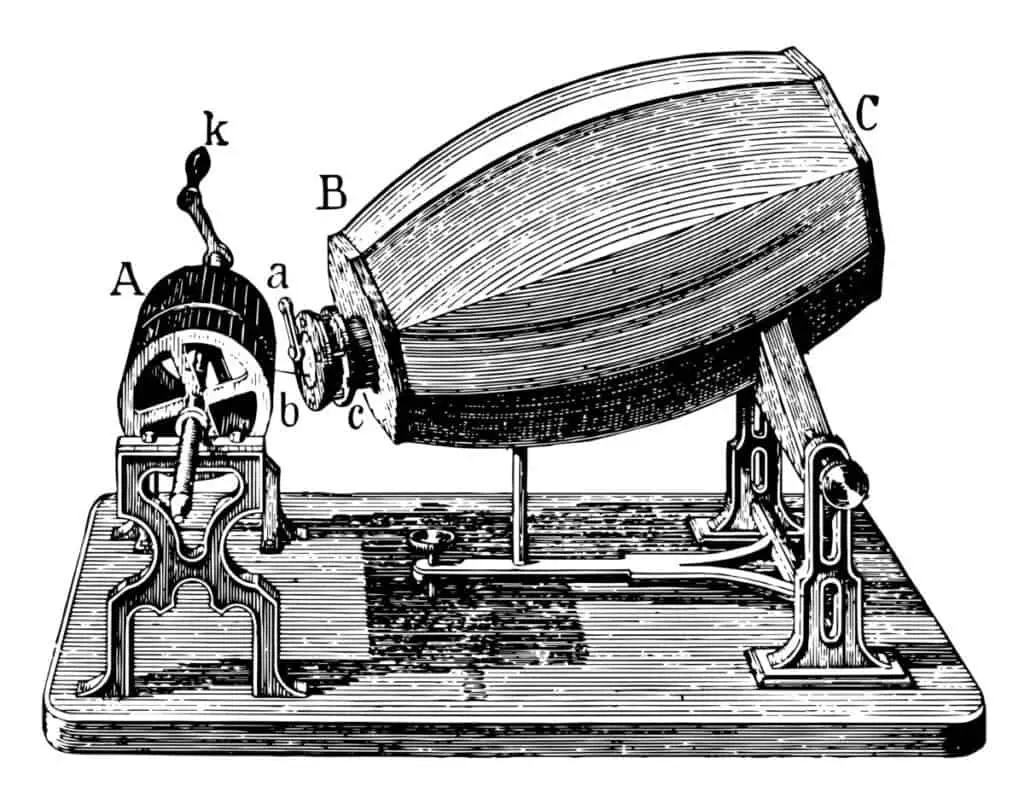
    3. Andrew Murphy, Belt Drive And Direct Drive Turntables: Everything You Need To Know, What Hi-Fi, https://www.whathifi.com/advice/belt-drive-and-direct-drive-turntables-everything-you-need-to-know/ Accessed September 9, 2021. 
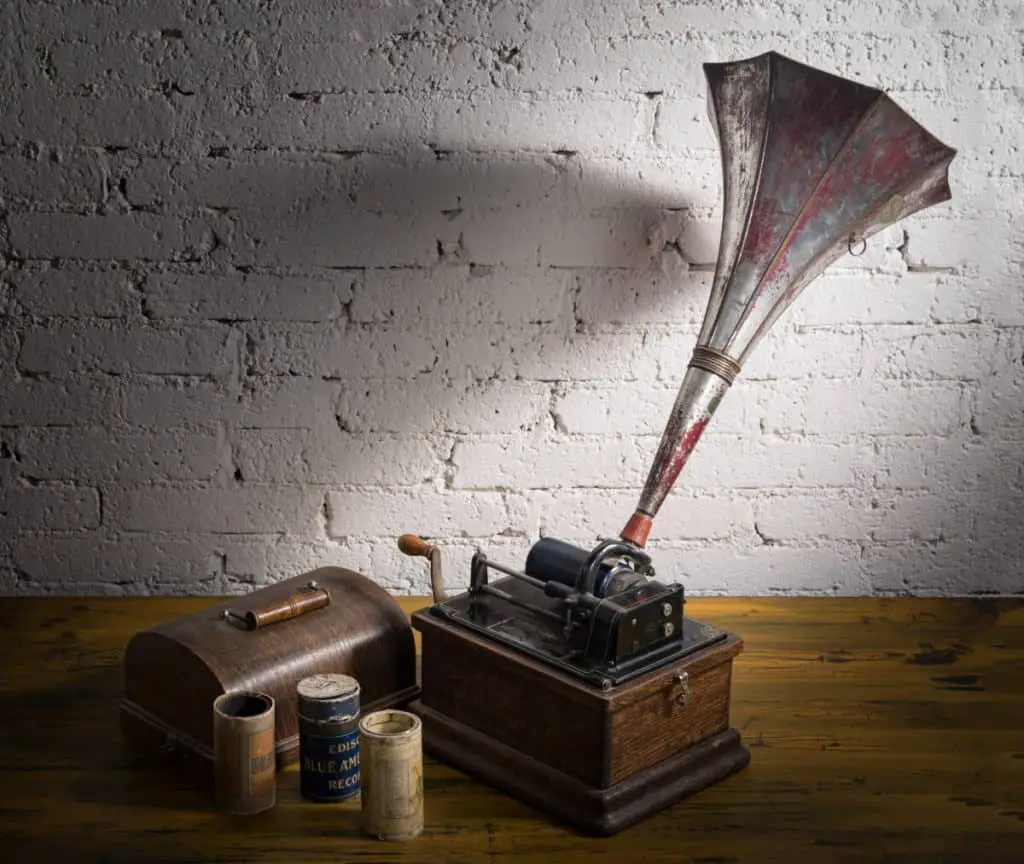
    4. How Can I Measure The Speed Of My Turntable?, Fluance Serious Performance, https://support.fluance.com/s/article/How-to-accurately-check-your-turntable-speed/ Accessed September 9, 2021. 
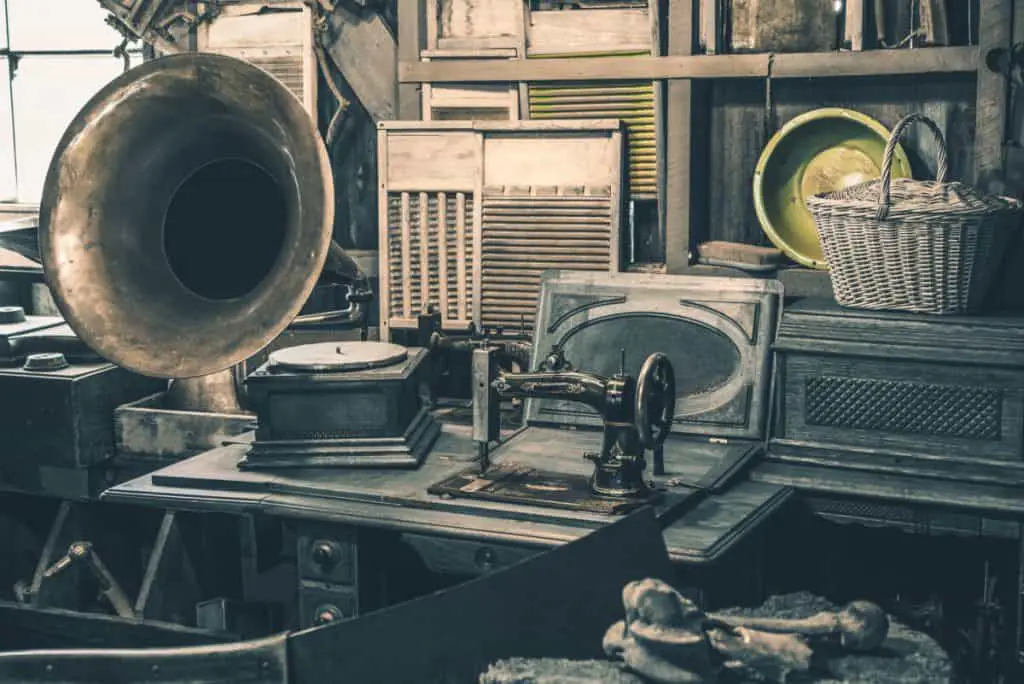
    5. Andrea Martignano, RPM Speed & Wow for Android, Cnet.Com, https://download.cnet.com/RPM-Speed-Wow/3000-2141_4-78136121.html/ Accessed September 9, 2021. 
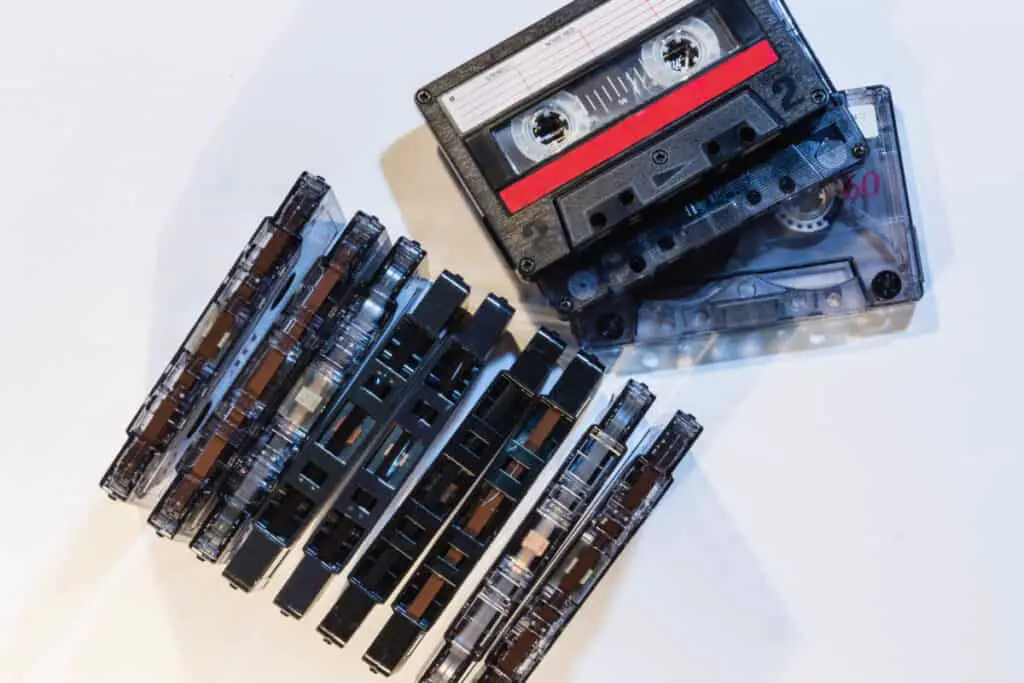
    6. Martin Do, et. al, Vinyl Player 2.0, Google Scholar, https://www.ece.ucf.edu/seniordesign/fa2017sp2018/g15/documentation/Final_Report.pdf/ Accessed September 9, 2021. 
  • Putting A Penny On A Record Player Finally Explained!

    Putting A Penny On A Record Player Finally Explained!

    As a child, I was always fascinated with the penny on top of our turntables. This fascination was not because of its peculiar position but because I wanted to grab that penny and use it to buy candy. However, today, I am still plagued by the same question for a different reason: why do we put them there in the first place?
    Pennies can act as an anchor, helping ground the needle or stylus to the vinyl record. This “penny on the record” action usually happens when the needle in the turntable is already damaged or has suffered some stress, causing it not to thread to the vinyl’s grooves properly.

    Read on to find out more about putting pennies on a record player. 

    What’s The Rationale?

    A turntable and a vinyl record are excellent mediums for listening to your favorite music tracks. However, the trouble with them is that they are not necessarily the most durable, nor are they degradation-free. Unlike the modern digital MP3s, which do not degrade and can be listened to from device to device, vinyl records, due to their analog processes, are heavily affected by physical changes and manifestations due to stress.

    Due to this, many people encounter problems regarding vinyl records, from record playback issues to issues within the hardware itself. Even worse is that these hardware problems may manifest themselves from the external and internal components of the turntable to the vinyl itself. One of the banes for these turntables is the needles.

    The turntable needles are an intricate part of the turntable, which, when harmed, can heavily affect the overall quality of the audio. We must understand how the needle of the turntables work and slowly work ourselves up to the central question of why there are pennies on a turntable.

    What’s With The Needle?

    A turntable’s needle may look like one of the most boring things out there, but trust me, it is much more interesting than it seems. There is a lot of science within that needle’s tip, especially considering it needs to work hand in hand with different types of vinyl records.

    We already know that the grooves in a vinyl record are essential as it holds the information which will then transform as the music we hear from the turntable. However, not many people question the process of how the transmuting of the physical grooves into audio works, not realizing that the needle is the show’s star. 

    As the turntables turn the vinyl at a constant pace, the stylus touches the surface of the vinyl as it trudges through the grooves of the vinyl, bouncing along the groove. What happens is that the vibrations created by the grooves get changed into electric energy and are transformed then as audio, the same music we hear with our ears. (2)

    Now that we know the importance of the needle or stylus, let us discuss why there are pennies on your record player– most specifically on top of the needle’s cartridge.

    Why Was The Penny There?

    Pennies are acting as anchors that help ground the needle or stylus to the vinyl record. This “penny on the record” action usually happens when the needle in the turntable is already damaged or has suffered some stress, causing it not to thread to the vinyl’s grooves properly.

    When the needle is not grounded correctly, troubles may arise, such as skipping tracks or the stylus not detecting the grooves on the vinyl. Because of this, people tried to solve the issue by putting some “weight” on the needle. It was a penny, probably because it was the easiest thing to find that had consistent mass.

    There are other use cases as to why the penny was there too. It didn’t necessarily have to do with a broken needle in the turntable; sometimes, it had something to do with the vinyl or parties (yes, the kind of party you are thinking of).

    In clubs where a lot of movement is present, the turntables’ needles may jump off from one groove to another, causing it to skip a track. This “jumping tracks” action is a problem for obvious reasons. Additionally, some deejays do this to create some scratch or gritting sound to the overall mix.

    However, one of the main reasons many people put pennies on their turntables’ needles is that the vinyl records they have been using have sustained some damage that can increase the likelihood of it jumping a track. These damages have manifested from different variables. For example, some vinyl damage is not necessarily considered as damage but does cause audio distortion. 

    One of the most common examples is when some dirt or solid matter is in the vinyl record itself. When this happens, make sure to clean the matter with appropriate tools such as a carbon fiber record brush. In my experience the carbon brushes are the best cleaners for dust and light debris. However, when using coarse materials, make sure to do the cleaning operation with intense care.

    Another possible reason as to why a track may randomly skip is due to record damage. When this happens, sometimes, putting a penny on a record player can help, if not fix the problem as a whole. However, we do not guarantee that a simple penny will solve all your needle-related, skipping-inducing problems.

    To Put Or Not To Put, That Is The One Cent Question!

    Although the tradition of putting a penny on a record player has been practiced way before our time, that does not mean that it is a perfectly safe practice. It is quite the opposite. To the question, to put or not to put, we highly recommend you not to put.

    There is a reason why the practice of putting a penny on a record player is not as common as it used to be: and one of the primary reasons? It is just not that good in the long run, especially for your record player, as it may be very detrimental to your record player’s health, and even to your vinyl record as well!

    Let us talk about what happens when we put a penny on the record player. When a penny stands at the stylus, its weight drags down the entire needle mechanism, which in the short term, helps you prevent unwanted skipping. However, it can induce unnecessary stress in the long run, which may damage the record player. Especially if you find your record player unreplaceable, you might want to double think about putting a penny on your record player’s stylus. (4)

    Another problem that is induced by the penny is putting unnecessary stress on the vinyl record itself. What does this imply, exactly? When extra pressure is placed on the needle, this is distributed directly to the vinyl, damaging the grooves.

    The grooves are an integral part of a vinyl record as it is the grooves that represent the song inside the record player. Damage to the grooves would mean that the track inside the vinyl record will be altered forever! How horrifying is that?

    The actual biggest reason why you should reconsider putting a penny on a record player is that record players have an adjustable knob that accomplishes the same things as a penny, minus the external stress. It will save you time and effort, but it will also save you from a lot of stress.

    Instead of weighing the pros and cons of a penny on a record player, you should use the built-in features of the record player itself. It will surely help you with the problems related to track skipping.

    Frequently Asked Questions About Pennies On A Record Player

    Do Record Players Have A Warranty?

    While these policies may vary from the distributor to the manufacturer, most record players have a one-year warranty covering all problems related to factory defects.

    Is It Normal To Put A Penny On A Record Player?

    While this was considered as standard practice back in the day, in contemporary times, this is no more than an unnecessary practice that may induce possible damages to your record player or record.

    What Should I Do If My Stylus Is Damaged?

    If it is due to factory defects, contact your distributor to avail your warranty. Moreover, you can also visit an expert to handle the problem better. If it is beyond repair, you might need to buy a new one.

    Sources

    1. https://ilovemusic.edu.in/blog/turntable-needle-stylus-guide/
    2. https://forums.stevehoffman.tv/threads/for-those-who-play-vinyl-do-you-tape-a-coin-to-the-arm-of-your-record-player.94491/
    3. https://dvdyourmemories.com/blog/how-to-prevent-skipping-on-your-vinyl-record-lp/
    4. https://www.dubstepforum.com/forum/viewtopic.php?t=152595
  • Can Record Players Play All Sizes Of Records?

    Can Record Players Play All Sizes Of Records?

    Can all record players play a 7-inch? If you’re new to vinyl and record players, you may have many questions regarding how record players work. This article will give you the answer to that question and more.

    The vinyl record industry consists of different types of record players. But which record players will play which vinyl records? Here’s how it works:

    1. Two-speed turntables play both 45 rpm (7 inches) and 33.3 rpm.

    2.Three-speed turntables play 45 rpm, 33.3 rpm, and 78 rpm.

    3.Select vintage will play four speeds: 45 rpm, 33.3 rpm, 78 rpm, and 16.66 rpm.

    As you continue reading, get ready for more information to get you up to speed with the fundamentals of vinyl records and record players. 

    Can Record Players Play All Sizes Of Records?

    You can choose to categorize record players in terms of speed. In my experience, I find this sorting process much, and you’ll understand why in a bit. 

    First things first is to explain the concept of rpm. 

    What is RPM?

    RPM breaks down to revolutions per minute. It refers to the speed at which a record spins on the turntable or the record player. 

    So why is rpm so important? The ability of vinyl records to play the sound or music depends on the types of speeds the turntable or record player can play.

    Different turntables or record players have different types of speeds they can play. The manufacturers are the reason for this feature. Some manufacturers will develop a record player with two speeds, while others will develop record players with three speeds. 

    It’s essential that you check which speeds a record player can handle and correlate that information to the types of vinyl records you’ll be owning or collecting. 

    How Do You Set Up A 45 Rpm Or 7-inch Vinyl Record?

    During the 1950s and the 1960s, there was a controversial cold war between music producers in the US and the UK. Because of this unspoken war, the 45s or the 7-inch vinyl records came in two formats:

    • 7-inch vinyl records with a 1.5-inch hole (the US version)
    • 7-inch vinyl records with a 0.25-inch hole (the UK version) 

    The 1.5-inch hole 45 is the most common 7-inch vinyl record. You can still find a 45 with a 1.5 -inch, but it’s best to know what’s the most common in the market. 

    So how do you set up a 1.5-inch hole 45? You will require an adaptor. The adaptor must have a diameter of 1.5 inches and a hole of 0.25 inches. 

    45 RPM Adapter - Aluminum, for 7 inch Vinyl Record Dome 45 Adapter, Stability and Durability, for All Turntables

    This adaptor is the only way to play a 7-inch vinyl record. There are three types of adaptors:

    • Traditional adaptors 
    • Aluminum adaptors 
    • Plastic adaptors 

    Here’s one thing to note at this point in the article, if you have a 7-inch vinyl record with a 0.25-inch hole, you will not require an adaptor. You can place it like the 33.3 rpm vinyl record. 

    Now that the issue of adaptors is out of the way, it’s time to delve into how you set up using a 7-inch vinyl record. It’s pretty easy. 

    1. If you have a 45 with a 1.5-inch hole, take the adaptor and place it over the center spindle. You’re essentially placing it at the core of the turntable.
    2. After placing the adaptor, you place the 45 over the adaptor. 
    3. Finally, switch the speed of the record player to 45. Once you’ve done this, it is all about releasing the needle, and voila, mission complete. You have set up and played music from your 45. 

    Can You Play A 45 With A Different Speed?

    Yes, you can play a 45 with a different speed. It will not harm the vinyl record, but the vinyl record won’t sound like it’s supposed to. It may sound like it’s too fast or too slow, depending on which random speed you decided to try out. 

    Always note that you should play vinyl records at their designated speed. Too fast or too slow, and it will sound a lot less more like music and more like background music at an animated TV show. You could compare it to having the Powerpuff girls opening song but more vintage and less joyful. Reality can be disappointing. 

    How Much Music Can Fit On A 7 Inch?

    A 7-inch vinyl record can have two songs—one song on either side of the player. One unknown fact is that a lot of people call 7-inch vinyl records 45s. 

    Well? The standard is that majority of 7-inch vinyl records will play at 45rpm. However, some 7-inch vinyl records have a speed of 33.3rpm.

    It’s best to conclude that rpm does not equate to the size of the vinyl record. The 33.3 rpm 7-inch vinyl records prove this exception to be true. 

    If you want to change the song on a 7-inch vinyl record, turn the vinyl record and play the other side. It’s fast and effective.

    Are You Interested In What Other Like-minded Individuals Are Asking On The Internet? Here Are Some Extremely Helpful Faqs.

    1.Do all record players use the same size vinyl? If they don’t, how do you know what size to use? 

    No, not all record players use identical-sized vinyl records. How do you know what size to use? You’ll have to check the manufacturer’s speed on the specific product or version.

    Different record players will have different speed settings. These settings will determine which size or vinyl record rpm to use. If you don’t have a manual to guide you, you can always check online or on vinyl community forums. 

    The vinyl records community is helpful on numerous platforms. However, you can find most of this information with a simple Google search.

    2.Are there different sized vinyl records?

    Generally, vinyl records come in two sizes:

    7-inch vinyl records, which can play at a speed of either 45 rpm or 33 rpm. 7-inch records only contain two songs. You can find each of these songs on either side of the vinyl record.

    12-inch vinyl records. You can play this vinyl record at a speed of 33 rpm. Moreover, they also contain an entire album. You can find the songs on this vinyl record on either side of the record. 

    Please note that for you to play a 7-inch vinyl record, you will need an adaptor. Moreso, if the 7-inch has a 1.5-inch hole. The 12-inch vinyl record does not require an adaptor, and you can play it comfortably. 

    3.How can you tell that a vinyl record is a 33, 45, or 78 rpm?

    Fortunately, vinyl records come with a label that informs the user of the speed of the vinyl record. It may seem easy just saying that a record is a 7-inch or a 45, but if you’re new to the industry, it’s good to know that the vinyl records come with a label.

    Another method you can use to check on the rpm of a vinyl record is by putting it on the record player and letting it play. Remember that no harm will fall upon the vinyl record while it’s rotating at the wrong speed. 

    By switching between speeds, you can figure out which rpm and size a vinyl record falls. This method may seem a bit longer, but it will still get the job done. You can think of it as a trial and error method. 

    Try till you get it right. Nevertheless, most vinyl records, whether old or new, will come with a label. Be sure to check the label, confirm the rpm, and play the music that you love. 

    Sources 

    1.Jenna Miles, The Beginner’s Guide to Vinyl Records: How to Build, Maintain and Experience a Music Collection in Analogue (Massachusetts: Adams Media,2017) 256.

    2.Victrola, A Guide to Vinyl Record Sizes, Victrola, https://victrola.com/blogs/articles/a-guide-to-vinyl-record-sizes Accessed July 28th, 2021.

    3.Rich Tozzoli, Here’s What You Need to Know About Vinyl, Yamaha https://hub.yamaha.com/audio/vinyl/heres-what-you-need-to-know-about-vinyl/ Accessed July 28th, 2021.

    4.Audio Technica, What Do I Need to Know About 45 RPM Records? Audio Technica, https://www.audio-technica.com/en-us/support/audio-solutions-question-of-the-week-what-do-i-need-to-know-about-45-rpm-records/ Accessed July 28th, 2021. 

  • How To Clean A Record Player’s Dust Cover

    How To Clean A Record Player’s Dust Cover

    The purpose of a record player’s dust cover is to protect your turntable from dust and debris. Keeping it clean, shiny, and ever-ready for use (2).

    The steps in cleaning your turntable’s dust cover are:

    • Take off the dust cover.
    • Create a cleaning mixture.
    • Submerge microfibre cloth.
    • Wipe the surface.
    • Clean off the mixture.
    • Leave the dust cover to dry.
    • Polish surface.

    This article will look at the steps involved in cleaning a dust cover, the best restoration products for dust covers, and how to lighten scratches on dust covers.

    How To Clean A Record Player’s Dust Cover – Part 1: Dust Cover Cleaning Steps 

    Your turntable dust cover protects your record player; however, it also gets covered in dust or debris (3). It can get worn out, scratched, and need restoration because a dirty dust cover can ruin your record player and vinyl record. 

    Items Needed:

    1. Dishwashing liquid.
    2. Clean microfibre cloths.
    3. Plastic polish.
    4. Warm water.

    Step 1: Remove the dust cover.

    When you want to restore your dust cover, the first thing to do is take off the dust cover from the turntable. This step is not compulsory, and based on my experience with turntables, it is better to clean the dust cover while attached to your record player. However, if you find it difficult, taking off the dust cover is your first step, but it should be done with extreme care to avoid damaging the hinges.

    Step 2: Create Cleaning Mixture.

    The next thing to do is create your cleaning mixture. Using two cups of warm water and ¼ tablespoon of dishwashing liquid, mix the contents until it forms enough lather. The measurements above are not strict about following measures, so you can use any bar you desire. In my experience, this measurement has been the most effective on any brand of the dust cover.

    Step 3: Submerge Microfibre Cloth.

    After creating your soap mixture, your microfibre cloth comes into the scene. Place your soap mixture on a flat surface to avoid spilling, then submerge your microfibre cloth in it. Do this until it is damp; it should not be soaking wet to avoid dripping the mixture into your turntable or vinyl grooves. It should also be moist enough to clean your dust cover.

    Step 4: Wipe Surface.

    Using your damp microfiber cloth, wipe the entire top and bottom surface of your dust cover. Ensure to submerge the microfibre in the soapy mixture if it gets dry, do this to remove dirt, debris, or dust from the outside without leaving scratches on the plastic. Put the fragile nature of your dust cover into consideration when wiping, so you don’t apply too much pressure that can lead to permanent damage.

    Step 5: Clean Off Mixture.

    When you are sure that you have entirely wiped every surface of your dust cover with the soapy mixture, the next thing is to clean off any additional residue or dust stuck onto the plastic. Using another clean microfiber cloth, submerge it in plain water without soap until it is damp, and wipe off the dust cover’s entire top and bottom surface to remove the soap mixture. Do it several times carefully until you completely wipe off the soap residue from the surface of the dust covers and any part of your turntable the soap might have touched.

    Step 6: Dry Dust Cover.

    After the fifth step, leave your dust cover to dry completely. It is important to note that the surface must be dry before carrying out the next final step. Carrying out this step on a wet dust cover will create unpleasant results and sticky grime on your dust cover.

    Step 7: Polish The Cover

    The next and final step is the polishing part of the whole process. After your dust cover gets dried, apply your plastic polish on the entire surface of your dust cover in overlapping circles, using another clean microfiber cloth. This time, you will wet your microfiber cloth with the plastic polish and not submerge it. The work of your plastic polish is to make it shiny and attractive like it was when you purchased it.

    Part 2: How to Lighten Scratches on Dust Covers

    If you have a plastic or acrylic turntable dust cover, scratches are inevitable. They make your dust cover look old, unattractive and can store dirt in their grooves. In cases where you have blemishes on your dust covers, the following steps can help remove scratches while also polishing your dust covers:

    Tools Needed:

    1. Clean and dry cloth.
    2. Toothpaste.
    3. Car wax.
    4. Polish. 
    5. Warm water.

    Step 1: Wet Your Dry Cloth.

    The first step to carry out is wetting the dry clean cloth with your warm water. This process removes any dirt or specs of dust on the fabric that you might have missed. Ensure to wet it enough to be damp or moist and not too wet to the point of dripping.

    Step 2: Apply Toothpaste to the Cloth.

    After getting the cloth damp enough, apply the toothpaste to the moist cloth. Any brand of toothpaste works, but from my experience, using toothpaste that is not gel works better and faster. 

    Step 3: Rub Cloth on Your Dust Cover.

    The next step is rubbing the cloth on your dust cover’s top and bottom surface. Ensure to rub it multiple times on the body, covering all edges and parts of it. Rub it gently, too, so you don’t break it or cause more damage.

    Step 4: Rinse Off Residue.

    After getting satisfied with the previous step, rinse off the residue of the mixture from the dust cover. Ensure to use clean, warm water to rinse off the substance and leave it to dry correctly. 

    Step 5: Apply Car Wax and Polish.

    Finally, apply your car wax and polish to the dust cover, rubbing them on all corners and edges of the body. When you are satisfied with this part, you leave it to dry out a bit, and your dust cover will be as good as new.

    Part 3: Best Dust Cover Restoration Products

    There are many products used to restore dust covers, both acrylic and plastic (3). Below are some of our best picks:

    Novus 7100 Plastic Polish Kit – 8 Ounces is a plastic polishing kit used to polish dust covers made from plastic. It helps protect, clean and polish your plastics, making them free from dirt, dust, and scratches. When you use it frequently, it serves as protection against future scratches. Click here for more price information.

    Chemical Guys BUF612 TORQX Random Orbital Polisher is a polishing kit that removes scratches, swirls, and defects from your dust covers. It works fast, comes with pads that can be switched quickly, and can handle any level of scratches on your body. They also come with the appropriate cloth for carrying out your cleaning steps and can be used for plastic and acrylic covers. Click here for price information.

    Gloss Poly Wax is a car wax used to remove scratches from dust covers. They protect your surfaces from damage and have synthetic polymers. You will get a removal towel and hand wax pad on purchase to help make waxing easier. Click here for price information.

    Frequently Asked Questions (FAQ)

    How Do I Avoid Getting Fibers on My Turntable?

    The best way to achieve this is to ensure that each time you take off your cloth dust covers, brush your turntable with a carbon fiber brush.

    In cases where the fibers from your dust covers are becoming too much, it is probably time for you to change it. However, you can always dust them properly away from the record play before covering them after each use.

    Can I Use a Cloth and Plastic Dust Cover at Once?

    One turntable dust cover is enough, but you can use both plastic and cloth dust covers if you want extra protection for your turntables.

    You can use both dust covers to protect your turntable at once, but they are not necessary at all. It is a personal preference, but they are not compulsory and do not hold any technical significance. 

    Summary 

    Cleaning your dust cover is very important and should be done frequently depending on how much you use your turntable. Do this to keep your record players safe and free from damaging external factors. For further questions and information, drop a comment below.

    Related Articles

    Sources

    1. Technica, Audio. “Audio Solutions Question of the Week: How do I Clean My Audio-Technica Turntable’s Dust Cover Without Scratching It?” Audio-Technica, 2018, https://www.audio-technica.com/en-us/  Accessed 12 July 2021.
    2. Zinski, Jaimie. “How to Polish a Dust Cover on a Turntable.” HomeSteady, 2017, https://homesteady.com/how-12020337-polish-dustcover-turntable.html  Accessed 12 July 2021.
    3. Siu, Jason. “Top 10 Best Plastic and Trim Restorers.” AutoGuide, May 2021, https://www.autoguide.com/ Accessed 12 July 2021.