Blog

  • 15 Best Vinyl Record Stores in Philadelphia

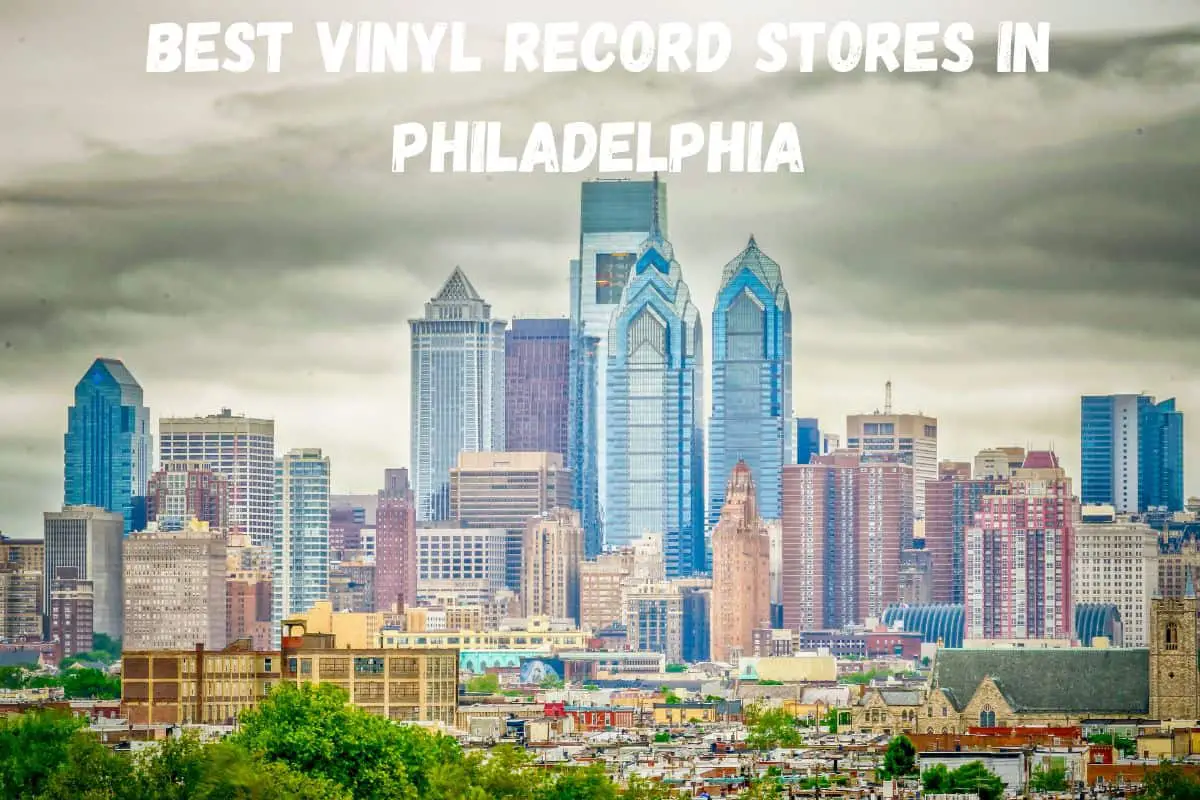
    15 Best Vinyl Record Stores in Philadelphia

    Philadelphia is known as an East Coast cultural center with a rich history, but few may also know it as an oasis for music lovers. Between its concert venues and music stores, Philly is always on the cutting edge of music culture, including the massive vinyl resurgence. Record enthusiasts have a plethora of stores to choose from for all of their vinyl needs. 

    Here are the fifteen best vinyl record stores in Philadelphia:

    1. Repo Records
    2. Digital Underground
    3. Philadelphia Record Exchange
    4. Long in the Tooth
    5. Main Street Music
    6. Common Beat
    7. Brewerytown Beats
    8. Sit & Spin
    9. Cratediggaz Records
    10. Creep Records
    11. Beautiful World Syndicate
    12. Wild Mutation Records
    13. Milkcrate Cafe
    14. Borderline Records and Tapes
    15. Val Shively’s R&B Records

    Whether you appreciate old-school bangers or are looking for a vinyl copy of some of the latest new albums, Philadelphia records stores have what you’re looking for. Keep reading to learn about the 15 best vinyl record stores in Philadelphia.

    1. Repo Records

    Repo Records is a South Street institution. Buying and selling a wide range of vinyl records since 1986, the store carries everything from classic albums to new releases.

    A local music section immediately greets entering visitors and used records sell cheap in the back-costing between one and five dollars.

    You can also sell your used records and tapes to Repo Records. Repo buys used:

    • Records
    • CDs
    • Tapes

    In addition to records and CDs, the store also sells:

    • Band shirts
    • Posters
    • Pins
    • Patches

    Repo also hosts numerous shows, cultural events, and album signings.

    2. Digital Underground

    Digital Underground specializes in metal, goth, and industrial music. Digital Underground collects the obscure and unexpected.

    Located in Queen Village, the store caters not only to metal fans but also to adventurous listeners seeking out unusual finds. 

    The shop has a vast and comprehensive selection of metal and techno, as well as an array of novelty records and imports of Playstation game soundtracks. While Digital Underground only accepts goth and metal records as trade-ins for store credit, the employees can happily suggest other stores that accept different genres.

    3. Philadelphia Record Exchange

    The Philadelphia Record Exchange is musical chaos that rewards patient searchers. The Fishtown gem isn’t exceptionally organized, so shoppers must be prepared to explore and spelunk through the piles of reasonably priced vinyl. Philadelphia Record Exchange offers store trade credit for used:

    • LPs
    • Vinyls
    • CDs

    The store keeps a generous inventory of Philadelphia bands. The Roots played outside the store in the ’80s, and anyplace good enough for Questlove is good enough for me!

    4. Long in the Tooth 

    Long in the Tooth appeals to every interest. Their catalog is extensive, so the store is beholden to no particular genre or niche. 

    The proprietors order new inventory daily and are always willing and happy to place a special order. Long in the Tooth has reasonable prices and offers bargain prices for used merchandise. 

    Finding a specific record takes patience, but the various stacks are ideal for making happy discoveries. Long in the Tooth keeps an impressive collection of rarities behind the counter. 

    The store buys your used vinyl in exchange for store credit to keep you coming back.

    Long in the Tooth also sells out of print books.

    5. Main Street Music

    Main Street Music fits into Manayunk’s general, quaint aesthetic, part of Philadelphia County.

    The store opened in 1991 and immediately started amassing loyal customers.

    Main Street Music carries:

    • Used and new vinyl.
    • Rare vinyl reissues.
    • Vinyl box sets.
    • A wide selection of CDs.

    Like many of the establishments on this list, Main Street Music buys used CDs and vinyl. The store appraises carefully and offers fair prices for your music. 

    Main Street Music also hosts local and national band performances. 

    6. Common Beat

    Common Beat is excellent for music lovers and music makers alike. 

    Established in 2017, the Baltimore Avenue institution carries an impressive array of vinyl, including: 

    • Classic used vinyl.
    • Rare limited editions.
    • New releases.
    • 7-inch singles.

    The shop also buys and sells cassettes. 

    Common Beat doesn’t stop at vinyl, however. They also sell turntables, making them an excellent resource for beginners to cultivate and explore their new love affair with vinyl.

    They’ll buy your old records and equipment so you can afford to feed your habit.

    Common Beat also sells musical instruments and accessories. Everything from strings and straps to amps and instruments is available.

    7. Brewerytown Beats

    Brewerytown Beats was founded by Max Orchester, a co-distributor of Jamie/Guyden Records, one of Philly’s original soul records labels.

    While the shop carries the expected rock and mainstream albums, they also have a superior selection of:

    • Soul
    • Funk
    • Hip-hop

    The store carries a wide array of used and new: 

    • Vinyl records
    • Cassettes
    • 45s
    • CDs
    • Books 

    The prices are superior, and Brewerytown is always ready to buy your used records, no appointment necessary. 

    8. Sit & Spin

    As the name might suggest, Sit & Spin specializes in punk records, with a strong showing in metal as well. Located in South Philly, Sit & Spin sells: 

    • Used vinyls.
    • Rare punk seven-inch singles (the store is transparent about the steeper price tags on these records).
    • T-shirts.
    • Jigsaw puzzles.

    The store is incredibly niche and streamlines its merchandise to adhere to its chosen genres. As a result, they are highly selective about the records they’re willing to buy. They do, however, pay well for vinyl that compliments their oeuvre.

    They’ll even do house calls to assess your record collection and whether or not they’re interested in purchasing from it! 

    In addition to your records, Sit & Spin buys:

    • CDs
    • Cassettes
    • Books
    • Magazines
    • Posters
    • Concert Shirts
    • Other music memorabilia
    • Address:2243 S. Lambert St., Philadelphia, Pennsylvania
    • Phone: 267-773-8345
    • Website: https://sitandspinrecords.com/
    • Hours: Monday, Wednesday, Thursday, and Sunday: 12 p.m. to 5 p.m., Friday and Saturday: 12 p.m. to 7 p.m.

    9. Cratediggaz Records

    Cratediggaz sells an impressive array of mainstream and underground hip hop.

    While rap and hip hop is their specialty, the shop also has an impressive collection of jazz, funk, and some rock and used records.

    The store buys used LPs.

    • Address: 711 S. 4th St., Philadelphia, Pennsylvania
    • Phone: 215-279-7667
    • Website: https://www.instagram.com/cratediggaz_philly/
    • Hours: Monday, Wednesday, Thursday, Sunday: 12 p.m. to 5 p.m., Friday and Saturday: 12 p.m. to 6 p.m.
    10. Creep Records

    Creep Records is as hip and inviting as its Northern Liberties location.

    The shop functions on three fronts: as a record store, a smoke shop, and as a concert venue. Creep is committed to creating a communal music experience, holding: 

    • Listening parties.
    • In-store concerts.
    • Tours of their DIY recording studio.

    The store houses a collection of obscure punk records and indie albums

    • Address: 1050 N. Hancock St. #76, Philadelphia, Pennsylvania
    • Phone: 267-239-2037
    • Website: https://shopcreep.com/
    • Hours: Sunday through Thursday: 11 a.m. to 8 p.m., Friday, Saturday: 11 a.m. to 9 p.m.

    11. Beautiful World Syndicate

    Beautiful World Syndicate carries a wide selection of contemporary releases, ordering new inventory on a weekly basis. 

    Beautiful World Syndicate is the shop for you if your musical taste errs towards more popular, mainstream, and modern music.

    The East Passyunk store also carries every genre and buys your used vinyl.

    You can peruse the store’s entire catalog on their website.

    • Address: 1619 E. Passyunk Avenue, Philadelphia, Pennsylvania
    • Phone: 215-467-0401
    • Website: https://www.philadelphiamusic.net/
    • Hours: Wednesday through Sunday: 11 a.m. to 7 p.m.

    12. Wild Mutation Records

    Record stores are often beautifully chaotic oases for shoppers hoping to stumble on an album they didn’t even know they wanted as they dig through the stacks.

    Wild Mutation Records, however, provides a Type A option for those who know exactly what they want. The inventory is rigidly organized both by genre and alphabetically. 

    The brick-and-mortar shop is currently shut down, but the shop has migrated online and is now housed on Discogs. 

    Wild Mutation offers shoppers deals and buys your old vinyl.

    13. Milkcrate Cafe

    Milkcrate Cafe combines two hip hangouts: a record store and a coffee shop.

    Milkcrate Cafe has a surprisingly extensive, vegetarian-friendly food menu and a comprehensive coffee and tea selection.

    Check out Milkcrate’s record selection once you’ve had a snack to build up your strength. You’ll find:

    • New rock
    • Old rock
    • Soul
    • Jazz

    Milkcrate also carries new and used audio equipment: record players and speakers. The store buys certain vinyl and equipment, but they are selective about what they purchase. 

    14. Borderline Records and Tapes

    Located in Philadelphia’s fashionable Northern Liberties neighborhood, Borderline Records and Tapes is the platonic ideal of a record store: eclectic and cluttered. Older, vintage finds dominate Borderline’s catalog. Be prepared to dive through the unorganized stacks to find classic albums! 

    15. Val Shively’s R&B Records

    Val Shively’s R & B Records may be the most eccentric shop on a list brimming with oddballs. The store claims over four million records in stock, all of which are old doo-wop and R&B albums. 

    There’s no indicator of organization in sight. Val Shively founded the store and is a fascinating character. a jovial vulgar born-again Christian with a hair-trigger, the shop is his baby.

    The Smithsonian called the Upper Darby store “The World’s Greatest Record Store” in 2021, awed by the breadth of the collection. 

    R&B Records encourages shoppers to submit want lists they will strive to fulfill.

    You may also be interested in these articles:

  • 8 Best Vinyl Record Stores in Houston

    8 Best Vinyl Record Stores in Houston

    Going shopping for vinyl records is one of my personal favorite things to do while visiting a new city. If you’re currently in the Houston area and wondering which vinyl stores are worth your time, I’ve created a list of some of the best record establishments around. Whether you’re new to Houston or just browsing during a visit, these vinyl record stores are sure to help you find what you’re looking for.

    Here are the 8 best vinyl record stores in Houston:

    1. Sig’s Lagoon Record Shop
    2. Vinal Edge Records
    3. Sound Exchange
    4. Memo Record Shop
    5. Sound Revolution
    6. Cactus Music
    7. Sweet Spot Studio
    8. Soundwaves

    The rest of this article will expand upon each of these selections, so you can gain a better understanding of what Houston has to offer for music lovers like yourself. Read on for more information.

    1. Sig’s Lagoon Record Shop

    Sig’s Lagoon Record Shop is a popular destination amongst vinyl record enthusiasts in Houston, Texas.

    With 4.8 stars on Google and over 400 reviews, you can be sure you’re visiting a trusted establishment loved by the local community and tourists alike. Known for their excellently broad selection of music to choose from, I’m certain you’ll find something to love at Sig’s.

    Located right on Main Street, this store sells a wide variety of vinyl records for you to browse in an artistically appealing environment. In addition to vinyl, Sig’s Lagoon Record Shop also sells a wide variety of other merchandise such as art prints, mugs, books, and other fun collection items.

    Next time you find yourself in Houston, I highly recommend checking out Sig’s. 

    2. Vinal Edge Records

    Another excellent Houston record store you should visit is Vinal Edge Records.

    Vinal Edge has been adored by the music lovers of Houston for decades. They initially opened in 1985 and have been selling vinyl ever since, so you know Vinal knows what they’re doing. Located on 19th street, this shop has over 500 positive reviews and 4.5 stars ratings raving about its broad selection, vintage items, and fair pricing.

    Like many record stores, Vinal Edge doesn’t exclusively sell vinyl records. Additionally, they sell shirts, cassette tapes, posters, and more. They also buy used records and stereo equipment, so keep them in mind if you’re looking to find a place to sell some old musical belongings.

    Another great thing about Vinal Edge is the atmosphere. Reviews say this shop has an excellent environment, friendly staff members, and a welcoming vibe overall.

    So, if you’re looking for a good vinyl record store in Houston, I definitely recommend Vinal Edge.

    3. Sound Exchange

    Another one of the best vinyl record stores in Houston includes Sound Exchange.

    Known for being one of the oldest music stores in the city, Sound Exchange has been around since 1979. For decades, they have established trust as a record store and continue to provide outstanding service and products to their customers.

    Sound Exchange is also proud of its excellent selection of records to choose from, including music from different places around the world. According to their website, here are some of the locations they especially love:

    • Mexico
    • South America
    • Africa
    • India
    • Japan

    While they have a very wide variety of vinyl, here are some of the genres they love the best (which just happen to be my own favorites too):

    • Rock
    • Soul
    • Jazz
    • Psychedelic
    • Punk

    In addition to selling excellent merchandise, Sound Exchange will also take your used records off your hands for a fair price. They also purchase and fix turntables, making them the place to go if you need to replace or repair your own record player.

    If you need to buy or sell records in Houston, Sound Exchange is the place for you.

    4. Memo Record Shop

    Memo Record Shop is another wonderful option if you’re looking for a great vinyl record store in Houston, Texas.

    This establishment is located on 75th street and has been serving Houston for years. Memo Record Shop is known in the community for having a “quirky” and “sizable” collection of records, especially in the Latin music genre.

    One distinguishing feature of the Memo Record Shop at Houston is the decorative front of the store. Paintings of music notes across the front exterior wall really make visiting the store a fun experience.

    Next time you’re looking for a record store in Houston, check out Memo. You won’t be disappointed.

    5. Sound Revolution

    The next Houston record shop on this list is Sound Revolution.

    Sound Revolution is a family-owned and operated vinyl record store that has been running for decades. It initially opened in 1976 and is one of the oldest record stores in Houston. They also opened an additional location in 2014.

    What distinguishes Sound Revolution from other similar establishments is definitely the wide variety of merchandise they sell. In addition to vinyl records and clothing, they also offer smoke and skate accessories, which makes their location really unique.

    If you’re interested in a good experience and a broad selection of products, Sound Revolution at Houston is the place for you.

    6. Cactus Music

    Another wonderful vinyl record store in Houston is Cactus Music.

    Cactus Music takes pride in being the oldest independent music store in Houston and has served the community for over three decades. They have almost 900 reviews on Google and a high rating of 4.6 stars.

    Cactus Music is known for having a vast selection of records to choose from. They have vinyl in all sorts of genres to appeal to many different tastes.

    In addition to having a wide variety of music, Cactus is also described in reviews as “meticulous” in the way they organize their products, which makes any vinyl shopping experience a lot more enjoyable for fans of all genres.

    If you want vinyl record shopping without the headache, I highly suggest checking out Cactus Music next time you’re in Houston, Texas. You won’t be disappointed.

    7. Sweet Spot Studio

    Sweet Spot Studio is another beloved part of the vinyl record store community in Houston.

    While Sweet Spot opened in 2010, they take pride in its strive to give customers a place that replicates the “old style” record shopping experience. They focus on vintage vinyl but offer a selection of newer releases and reissues as well.

    Sweet Spot Studio provides customers with a healthy selection of music to browse through, all displayed in a pristine and aesthetically pleasing environment.

    Additionally, Sweet Spot Studio also has a lovely collection of audio equipment to choose from, both new and used. Here are some examples of the equipment they offer:

    • Receivers
    • Amps
    • Turntables
    • Speakers

    If you’re looking for the closest thing to a vintage vinyl record shopping experience in modern times, Sweet Spot Studio is definitely the place for you.

    8. Soundwaves

    Soundwaves at Houston is one of the more unique items on this list.

    Soundwaves is not only a record store but a surf and skate shop as well. Located on Montrose, this retailer offers a wide variety of vinyl records, CDs, and DVDs for customers to choose from. In addition to selling these products, they sell used items as well.

    Another really cool thing about Soundwaves is the size of their location. The store itself is rather big, which makes for an interesting experience when browsing through their record selection.

    If you’re a music, surf, or skate enthusiast, then Soundwaves is definitely the location for you. Next time you’re in Houston, check it out.

    Do People Still Visit Vinyl Record Stores?

    In our current age, technology is constantly advancing. With this in mind, many people favor digital media. We always seem to be making improvements in many areas, including music. However, while lots of people have made the switch to digital music, there are still many people out there who prefer analog audio playback.

    People still do visit vinyl record stores. In fact, there has been an increase in vinyl record sales over the past few years. More people are purchasing vinyl now than they have in a very long time.

    Let’s put this into perspective for a moment. In 2021 alone, approximately 2.11 million records were sold, which is a significant increase from even 2020. Vinyl has grown in popularity, but it’s still growing as we speak.

    So to answer your question, yes: it’s still considered very cool to frequent vinyl record stores, especially the sweet Houston locations I’ve discussed in this article.

    Understanding What Makes a Good Vinyl Record Store

    There are many factors that can make or break a vinyl record store, and I’ve kept these in mind while curating this list of the best vinyl establishments in Houston.

    Let’s talk about some things that make a good vinyl record store:

    • The environment.
    • The selection.
    • The staff.
    • Specializations.
    • Additional merchandise.
    • The experience.

    Below I will discuss each of these factors in greater detail.

    The Environment

    The environment is definitely a key factor that determines whether or not a record store is worth your time.

    Ideally, a good record store will be clean, organized, and visually appealing in ways that inspire your love for music. Don’t forget—part of the joy of record shopping is being able to take in all of the unique store environments!

    The Selection

    The selection is probably the most important part of any vinyl record store. After all, what fun is record shopping if you can’t find any of the music you like?

    You should look out for stores that have a wide variety of options to choose from, so you can be sure they’ll have what you’re looking for.

    The Staff

    In any retail establishment, the staff is extremely important. If a store is known for having staff that isn’t very welcoming, kind, or knowledgeable enough to help you find what you’re looking for, the store is probably not worth your time.

    This is why you might want to read through reviews beforehand so you know what to expect.

    Specializations

    An additional factor you should consider is whether or not a particular store has any specializations.

    Sometimes, record stores will specialize in certain genres so they can narrow down their selection in a way that draws in customers with a particular taste.

    If you’re looking for records in a particular genre of music, you should consider a store’s specialization (if present) to see if it correlates with your personal needs.

    Additional Merchandise

    Additional merchandise available for purchase is another factor that can make a vinyl store great.

    While this isn’t a necessity, it’s definitely a plus. Many good record stores also sell additional merchandise such as stickers, shirts, posters, and more, which can be fun to shop for while looking for new records to take home.

    The Experience

    The overall experience is another really important thing to consider while searching for a good vinyl record store.

    Any good shopping trip is usually about the experience itself. This usually includes all of the previous factors we’ve already discussed. Environment, selection, staff, specializations, and additional merchandise all play a part in the overall experience that a record store provides to its consumers.

    If you feel like a certain store provided you with a good experience overall, you should definitely put it on your list of vinyl record shops to visit again.

    You may also be interested in these articles:

  • 20 Best Vinyl Record Shops in London

    20 Best Vinyl Record Shops in London

    With music app downloads skyrocketing over the past years, you’d think they have overtaken the music industry. And true enough, vinyl has taken quite a hit. However, against all odds, it seems that because vinyl shops offer a much more immersive musical experience, they continue to thrive despite many setbacks.

    Here are 20 of the best vinyl record shops in London:

    1. Honest Jon’s Records
    2. All Ages Records
    3. Reckless Records
    4. Sounds of the Universe
    5. Alan’s Records
    6. Casbah Records
    7. Phonica Records
    8. Supertone Records
    9. Atlantis Records
    10. Rat Records
    11. Love Vinyl
    12. Maestro 
    13. Rough Trade East
    14. Banquet Records
    15. Flashback Records
    16. Dreamhouse Records
    17. Sounds That Swing
    18. Sister Ray
    19. Vinyl Pimp
    20. Yo-Yo Records

    If you’re planning to take a vinyl tour of the city, read through this guide to find out what each of these shops has to offer and why many agree that they deserve a spot on the top 20 list.

    1. Honest Jon’s Records

    Undeniably a London favorite, Honest Jon’s has definitely made a name for itself in the music scene ever since it opened its doors in 1974. It has not only become a hub for music lovers with its wide range of selections (specializing in the exotic tracks that you may not find in other shops), but also an informal music school.

    But did you know that the store was once a butcher’s shop? Yep, that’s right. If you happen to drop by Honest Jon’s, don’t be surprised to find meat hooks still lingering inside the store. Interestingly, they add to Honest Jon’s exotic vibe.

    2. All Ages Records

    Are you into punk, rock, and heavy metal? All Ages Records definitely is the place for you. This store carries records that date all the way back to the 70s and is also known to have plenty of cassette tapes in stock. If you’re into the hard rock scene, you might want to get your hands on some of those.

    All Ages Records opened its doors in 2003 and is located in Camden Town, London. If you don’t have the time to go to the physical store, though, they have an online store as well.

    3. Reckless Records

    There’s something so charmingly old-school about secondhand vinyl. And Reckless Records is one of the few record stores that still sell those. Plus, you can get rare records at exceptionally low prices. Tough to beat that. Ever since Reckless Records opened in 1984, it has become a musical landmark in Soho. In fact, it is the oldest record store in the area. 

    If you’re interested, you can even sell your old CDs and vinyl to them. Their music-loving and friendly staff will make sure that you have a pleasant visit.

    4. Sounds of the Universe

    One of the best places to go if you’re looking for soul music is Sounds of the Universe, known by many as Sotu, in Soho. It was once a tiny, nondescript stall in Camden Street, until owner Stuart Baker decided to move to Soho in the 1990s. 

    Sotu’s collection focuses on jazz, blues, dubstep, funk, disco, Latin American, and African music. Here, you can find both second hand records and brand-new ones at fair prices. However, I find the store’s 90s radio vibe quite endearing too.

    5. Alan’s Records

    If you just want to browse through some records without any idea what you want exactly, Alan’s Records is a great place to start looking. The store has a wide-ranging collection of records from different genres and periods. Plus, you are sure to get fresh stocks every week, as they refresh their collection of over 700 records weekly.

    You can also browse through musical memorabilia and even enjoy refreshments so you can take your time. The staff are also not your typical sales clerks, because they know their music maybe even more than the average music-loving customer does.

    6. Casbah Records

    Like Sounds of the Universe, Casbah Records opened in 1986 as a small stall in Greenwich Market. 20 years later, it moved to a permanent store in Creek Road where it features rock, punk, electronica, and indie records. If you’re looking for collector’s items and rare records, chances are high that you’ll find what you need here. 

    Additionally, if you’re interested in other memorabilia like vintage comics, you will find a sizable collection here. You might to schedule your visit on Record Store Day, as they put out new releases during this time of the year.

    7. Phonica Records

    A bridge between a record store and a daytime club, Phonica Records is the absolute go-to place for new and old dance music. From retro dance to old-school disco to fresh club mixes, you will find it all here. And did I mention that the place is basically a club? 

    Yep. Phonica features some of the biggest DJs in London. So not only can you get your hands on good dance records, but you can also feel like you’re killing it on the dance floor as you browse through the store’s wide range of vinyl collections.

    8. Supertone Records

    Ready to dance to the beat of reggae music? You’ll find the best reggae collections in Supertone Records in Brixton, London. The store is the oldest record store in this part of London and is considered one of the biggest cultural hubs in the UK. The store is a small, humble establishment, so much like the quiet and simple personality of its owner, Wally Bryant.

    But don’t let the humble facade fool you. Supertone has long cemented its reputation in the industry, and the store has even been visited by some of the biggest names in music, including Dennis Brown and The Twinkle Brothers.

    9. Atlantis Records

    Unlike other record stores mentioned here, Atlantis Records is a newer establishment. The store’s stocks are made mostly of Travis’s personal collection on vinyl and cassettes. According to Travis, the whole goal behind opening the store is to give customers the opportunity to get their hands on records of all genres. 

    The small store in Hackney has an eccentric, small-group feel that invites all sorts of music lovers, from hardcore collectors to youngsters that are up for a new discovery. If you want to catch a glimpse of what the community looks like, you can check out their Instagram page.

    10. Rat Records

    If you’re someone who loves a fresh drop of records every week, you will surely enjoy Rat Records. This place has a massive collection of used vinyls priced very affordably and which they refresh every week. 

    The store is so popular among music enthusiasts in Camberwell that you need to come early to get a spot at the front of the long queue of customers every Saturday when new stocks are brought to the store. Sure enough, people continue to flock to the Rat for the rare finds that can be purchased here.

    11. Love Vinyl

    Love Vinyl in Pearson Street, London has one of the biggest record collections in the country, with thousands on display in its two-story shop. With stocks ranging from vintage to fresh drops, such as house music and techno, Love Vinyl opened in 2014 as the perfect balance between traditional and modern.

    If you’re lucky, you might even stumble upon one of the musical events and live shows that the store usually holds in-store. The crowd is typically a mix of music old-timers and party-loving youth, which makes these events pretty electric.

    12. Maestro

    Ever wonder if there was a record store in London that’s just funky enough for the whole family? Maestro in Peckham is the place. The oldest record store in this part of London, Maestro is considered a family-friendly store where it’s common to see whole families browsing through the collections.

    For decades, Maestro has prided itself in its varied collection of records, which include reggae, hip hop, and dancehall.

    13. Rough Trade East

    This store is the perfect hangout spot for those who want access to vinyl, coffee, and a study or workspace. The first Rough Trade store was opened in 1976 by George Travis, the same person who owns Atlantis Record, in Notting Hill. The store also hosts live performances and shows.

    However, if you prefer the quaint, hole-in-the-wall vibe, you can go instead to its sister branch, Rough Trade West.

    14. Banquet Records

    Another place where you can not only buy vinyl but also enjoy gigs and live acoustic performances is Banquet Records in Kingston upon Thames. If you’re lucky, you might even catch some big names in the music industry performing to a small but enthusiastic audience here at Banquet. To do so, make sure to check their events schedule first!

    The store boasts of fresh collections of new music as well as vintage and even rare records. 

    15. Flashback Records

    Flashback Records has three branches in London, but the most notable one is the branch in Essex. Opened in 1997, it’s the oldest branch in the franchise and proudly displays a wide variety of record collections, from tropical music and krautrock to movie soundtracks. 

    Here, you won’t have a problem spotting what you’re looking for, as the store is neatly organized by genre.

    16. Dreamhouse Records

    Enjoy a chill afternoon at Dreamhouse Records where you can access vintage records, brand-new vinyl, and secondhand records–together with a lovely cup of coffee. Dreamhouse is a charming record store slash coffee shop slash gift shop that was intended to be a hub for music lovers and musicians.

    While the store offers an updated collection of records that cover old-school classics as well as fresh drops, it also has a quiet, vintage feel that’s perfect if you want to spend some downtime.

    17. Sounds That Swing

    A true-blue rock n’ roll and blues spot, Sounds That Swing is definitely for those who want to go rocking to the musical stylings of Elvis Presley and The Beatles. This quaint store on Camden Street is a paradise for vinyl lovers. You will see all sorts of vinyl plastered on the walls and filed neatly in the racks.

    And if you spend enough time browsing, you might even get your hands on a rare find.

    18. Sister Ray

    Sister Ray is one of those record stores that has thrived through the decades. It’s been in Soho since 1987, although occupying different addresses before finally settling in its current location in Berwick Street. 

    If you’re looking for a proper vinyl place, you will definitely enjoy Sister Ray. They sell not only vinyl records but also flexi discs and football records, which are quite rare and hard to find in most record shops.

    19. Vinyl Pimp

    One of the reasons why this store is on this list is its huge collection of records–and we’re talking about thousands both in its online and physical store catalogs. An interesting thing about Vinyl Pimp is that while most record stores are transitioning from physical stores to online shops, this one seems to be going way around.

    20. Yo-Yo Records

    Unlike most quaint record stores, Yo-Yo Records is pretty chic. Its vinyl records are elegantly displayed on the walls and in racks. They don’t only sell records but also provide an incredible musical experience which involves friendly and welcoming staff that can surely give you a lesson on music if you want them to. They’re that knowledgeable about their stuff.

    Yo-Yo Records specializes in vintage records and genres like funk, jazz, blues, and soul. 

    You may also be interested in these articles:

  • 8 Best Vinyl Record Stores in Los Angeles

    8 Best Vinyl Record Stores in Los Angeles

    Los Angeles, the music-making capital of the United States, boasts plenty of places to buy all kinds of music records — from the latest and greatest to rare, vintage finds. However, there are so many of them that it can be difficult to decide where to find a place that’ll provide consistently high-quality discs and gear. So what are the best vinyl record stores in Los Angeles?

    The best vinyl record stores in Los Angeles are:

    1. Amoeba Music
    2. Poo-bah Records
    3. The Record Parlour
    4. Freakbeat Records
    5. Record Surplus
    6. Gimme Gimme Records
    7. Rockaway Records
    8. Cosmic Vinyl

    This article will take a look at each of these music stores and how they operate. It’ll explain what makes them unique from each another since, although they primarily sell records, they also have other things that set them apart and give them their own flair.

    1. Amoeba Music

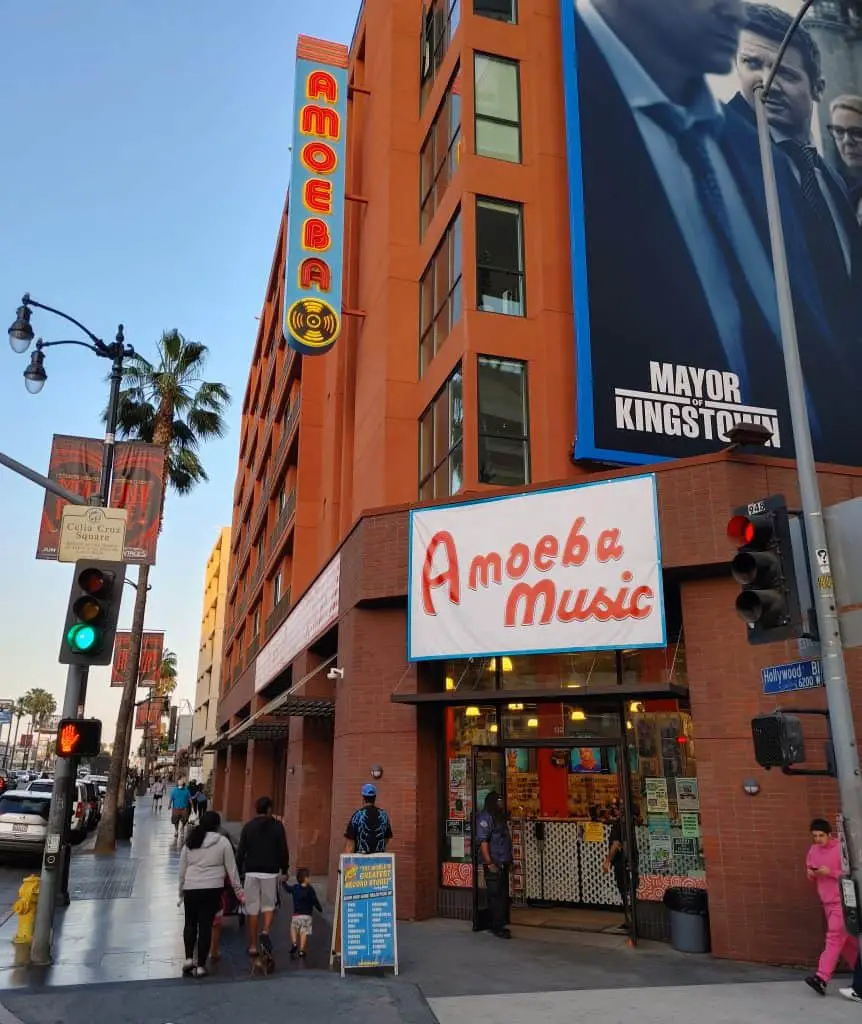
    Amoeba Music has three different locations throughout the state of California. The company was initially started in Berkeley in 1990 and later opened a San Francisco outlet before its first Hollywood location opened in 2001. In April 2021, the store moved to its current home on the Sunset Strip in the middle of the Entertainment District.

    Steveshelokhonov, CC BY-SA 4.0, via Wikimedia Commons

    Although the bestseller in this store is vinyl records of all sizes, they’re certainly not the only things you can find there. Amoeba Music is also home to CDs, DVDs and Bluray, turntables and vinyl accessories, books, pop culture- and recording artist-inspired T-shirts, and various collectibles.

    In addition to selling all sorts of exciting products, the staff at Amoeba Music are also always on the lookout for gently used items from the public. CDs, LPs, DVDs, 45s, books, and video games can be brought into the store for inspection and traded for cash or store credit if in the proper condition. This company is pretty flexible when buying extensive collections with rare titles and will make house calls for batches of 500 or more CDs and LPs.

    Amoeba Music also enjoys interacting with the Los Angeles community at large. They often have open live performances and musical events for passersby to come and enjoy free of charge. These shows give both well-known and indie artists a chance to present their latest work to the public and allow locals to find new music to listen to. As you know, in the highly competitive music and entertainment industry, underrated talents deserve their place in the spotlight.

    The store also puts aside part of its revenue for large and small charitable organizations. Amoeba Music supports several local Los Angeles nonprofits and donates to nationwide philanthropies like the American Red Cross and Humane Society of America. The company believes it’s important to give back to the community that has kept it alive and thriving for so many years. 

    So, if you’re looking for a place to support for all the right reasons, Amoeba Music is a good choice. 

    Note that each of the three branches of Amoeba Music has its own operating hours. For example, Amoeba San Francisco is open from 11:00 A.M. to 8:00 PM every day of the week, while Amoeba Berkeley and Amoeba Hollywood’s operating hours differ from Monday to Thursday and Friday to Sunday.  

    2. Poo-bah Record Shop

    Poo-bah Record Shop, the oldest shop on this list, opened in Pasadena, California in 1971. For the first few decades of its operation, the store sold music under genres such as funk, jazz, and soul music. In recent years, it’s become the leading Los Angeles store for fans of underground hip-hop and experimental music.

    Poo-bah sells different records along with CDs and concert tickets to local shows. The staff members are always looking for the next big music trend, so they’re also open to buying and trading for records from potential customers.

    The success of the Poo-bah Record Shop store prompted the owners to start a record label of the same name. Aside from the record store being a haven for those with vibrant, offbeat tastes, the label now provides an outlet for indie artists to create unique music in a comfortable setting.

    3. The Record Parlour

    Located in “the Heart of Hollywood,” The Record Parlour is a shop overflowing with all kinds of audio gear and gadgets. In addition to music discs, this company prides itself on selling new and restored equipment, including rare jukeboxes, vintage turntables, antique radios, restored consoles, guitar amps, and speakers from various brands.

    As far as its music selection is concerned, the store boasts over 20,000 vinyl records, cassette tapes, 45s, and 78s. They’re also willing to buy quality electronics and records in good condition that can then be sold to new owners.

    The Record Parlour also serves as an event and performance venue. Many emerging artists play shows there to promote their music to the locals of Los Angeles in the hopes of making it big.

    4. Freakbeat Records

    Although Freakbeat Records is located a little out of the center of Hollywood, it’s still a staple record store for Los Angeles citizens and tourists alike. This shop is in Sherman Oaks, a San Fernando Valley suburb. The website for Freakbeat Records claims that “we may not have everything you want, but we always have something you need.” 

    That bold statement certainly rings true, as the store has massive sections dedicated to old-school and recent rock’n’roll, disco, soul, hip-hop, funk, and other genres.

    A large portion of the store is dedicated to the 99-cent room, where thousands of secondhand LPs and CDs are restocked daily. This room is a haven for those who aren’t sure what they are looking for and want to find something interesting that they haven’t heard before (and won’t break their bank).

    5. Record Surplus

    With over 100,000 vinyl records and CDs, Record Surplus is one of the largest independent record stores in Los Angeles. It was founded in 1985 and has been selling music discs, along with cassette tapes and DVDs, to Hollywood denizens ever since.

    The store is known for carrying special vintage vinyl and rare first pressings of some of the most popular albums of all time. However, if you’re on a tight budget, you can check out “The Attic.” This separate room is the bargain section of the store, and it holds $1 vinyl and CDs that are continually updated every week.

    The owners of Record Surplus also have a passion for giving back to the community. A portion of the earnings the store makes goes to supporting local music nonprofit groups. The shop also works to raise funds for the public radio system and provides local professional DJs with networking opportunities and access to music from a variety of genres.

    6. Gimme Gimme Records

    Gimme Gimme Records has a slightly different origin story than the rest of the shops on this list. The owners originally opened a store of the same name in 1994 in the East Village of New York City — all the way across the US of A! During that time, they prided themselves on selling vinyl even though CDs were more popular. 

    The brand transferred to Highland Park in Los Angeles in 2012 and now prides itself on continuing to sell vinyl after vinyl came back in fashion with younger generations.

    The store is an all-vinyl shop, meaning they only sell LPs and 12″ and 7″ singles. There are no CDs or cassette tapes here since the store wants to keep its stock the way it has been since it opened.

    The store is proud of its wide variety of music genres, ranging from mainstream choices like rock, jazz, and hip-hop to more eclectic choices like movie and Broadway soundtracks, gospel hymns, and artists from around the world.

    The staff at Gimme Gimme Records buy used records and enjoy the hunt for rare and unusual vinyl. They’re willing to pay good money for titles that are difficult to find, along with extensive music industry collections. They’re also open to making house calls and even traveling for massive collections that include unique albums.

    7. Rockaway Records

    Located in the Silver Lake neighborhood of Los Angeles, Rockaway Records has a very different approach to selling than most of the other stores on this list. The store was founded in 1979 and sold vinyl and CDs to customers in a typical fashion for many decades.

    Rockaway Records focuses specifically on selling rock’n’roll-themed items. The store’s location in Los Angeles gives the owners access to music executives, engineers, label bosses, and promoters who are more likely to have significant collections of music and specialty items.

    In 2021, the shop completely changed the products it was selling and how it was going to sell those products. Perhaps the most notable change is that Rockaway Records no longer accepts walk-in customers. Instead, if people want to buy or sell items, they must call the store in advance and make an appointment to stop by. 

    While this was in part due to the COVID-19 pandemic, the owners also wanted to make visiting their shop more of a personalized experience.

    Of course, that may be a dealbreaker if you’re the type who enjoys window-shopping without knowing where you’ll end up. But if you’re a music fan looking for a unique shopping experience, Rockaway Records may be a good place to drop by. 

    The other significant change that occurred was that the store stopped selling CDs. Rockaway Records used to focus on CD sales, but because these are no longer trendy, they just began to take up valuable space in the store. The owners decided to utilize that space for a better purpose, and it’s now dedicated to vintage vinyl, collectibles, and high-end rock memorabilia.

    8. Cosmic Vinyl

    Cosmic Vinyl stands out on this list because it’s far more than just a place to buy records and audio equipment. It opened in 2016 as a typical vinyl shop on Sunset Boulevard in Los Angeles after the owner spent over a decade collecting and selling records.

    In October 2020, the owner decided to make the store a joint record shop and vegan cafe. Now, aside from selling vinyl, cassette tapes, audio gear, clothing, and accessories, Cosmic Vinyl also sells hot and cold teas and coffees, sandwiches, and pastries. So, you can grab a record that suits your fancy and enjoy your daily cup of joe at the same time. 

    On the music side of the store, there are dollar record bins to sift through, along with a curated collection of rare and vintage records. Hi-fi gear like audiophile systems, vintage turntables, receivers, and other components are also available.

    The staff at Cosmic Vinyl are always looking to buy out extensive collections of records in high-quality condition. If the list of titles sounds good, they will come to the seller’s house to see the collection and potentially negotiate an offer.

    You may also be interested in these articles:

  • 13 Best Vinyl Record Stores in Chicago

    13 Best Vinyl Record Stores in Chicago

    Chicago has given us a lot of great music. The city can claim Wilco, Kanye, The Smashing Pumpkins, and Warren Zevon, to name a tiny fraction of their talent. Unsurprisingly, Chicago is crawling with vinyl stores. The Windy City has a vibrant vinyl culture, rife with unusual, eclectic stores-too many to visit in one trip. 

    Here are the 13 best Vinyl stores in Chicago:

    1. Rattleback Records
    2. Bucket O’ Blood Books and Records
    3. Tone Deaf Records
    4. 606 Records
    5. Bric-a-Brac Records
    6. Hype Park Records
    7. Reckless Records
    8. Dusty Groove
    9. Laurie’s Planet of Sound
    10. Out of the Past Records
    11. Record Breakers
    12. Val’s Halla Records
    13. Dave’s Records

    This list represents a diverse collection of stores and music spread throughout Chicago. No matter your listening preferences, you’ll surely find a record store that you love from the list below!

    1. Rattleback Records

    Rattleback is a small store that can’t hold many customers at once, but the intimate experience is worth the wait. The store only allows four customers at a time, so don’t be surprised if there’s a line to get in! 

    The small store fits perfectly amongst Clark Street’s myriad cool shops and small businesses, making it an integral part of the neighborhood’s vibrant energy.

    Rattleback’s inventory includes a wide selection of both new and used LPs. While the catalog consists of some new releases, the focus is on:

    • Rock 
    • Blues 
    • Jazz 

    Rattleback fits the chaotic mold of many record stores. Plan to spend considerable time digging through the stacks. The shop even offers stools and a couch for your efforts! 

    You can also join Rattleback’s Record Club. Fill out a form indicating your musical interests, and Rattleback creates a monthly selection of vinyl. You can have the records shipped or pick them up in the store.

    2. Bucket O’ Blood Books and Records

    Bucket O’ Blood would have made our list based solely on its name. Luckily, the store’s catalog more than warrants its inclusion here. Opened in 2010, Bucket o’ Blood carries a niche collection of vinyls in the following categories:

    • Rock 
    • Punk
    • Metal 

    The shop doesn’t stop at records, though. Bucket O’ Blood also sells reasonably priced books in a variety of genres, including:

    • Horror 
    • Science Fiction
    • Fantasy
    • Literary Fiction
    • Popular Science
    • Creative Nonfiction
    • Biographies

    The shop carries used sci-fi and horror DVDs, ensuring you can find something you want in Bucket o’ Blood.

    • Address:3182 N. Elston Avenue, Chicago, Illinois
    • Phone: 312-890-3860
    • Website: http://bucketoblood.com/
    • Hours: 12:15 p.m. to 9 p.m. daily

    3. Tone Deaf Records

    Tone Deaf provides every possible need for novice and veteran vinyl lovers. The store’s stock isn’t limited to records; it also includes:

    • Record Cleaning Kits
    • Storage Accessories
    • Shirts
    • CDs
    • Stereo Gear
    • Apparel 
    • Books
    • Cassettes

    Tone Deaf offers in-store record cleaning services for a dollar per record.

    The vinyl catalog focuses on:

    • Punk
    • Metal 
    • Jazz
    • Soul
    • Indie
    • Classic Rock

    Tone Deaf opened its doors in 2019 and has accrued a loyal clientele. The shop holds movie screenings and live music events.

    • Address: 4356 N. Milwaukee Avenue, Chicago, Illinois
    • Phone: 773-372-6643
    • Website: https://tonedeafrecs.com/
    • Hours: Monday through Saturday: 12 p.m. to 6 p.m., Sunday: 12 p.m. to 5 p.m.

    4. 606 Records

    606 is designed for the adventurous. The store primarily carries independent labels, both local and international. Local bands are prominently featured in the small, sleek storefront. 

    Only ten customers are allowed inside 606’s Pilsen location. Once inside, music lovers can flip through:

    • New and used records
    • A variety of turntables
    • Gear
    • Totes
    • Books 

    606 hosts DJ sets and doubles as a local record label. The store opened in 2015 and quickly became a Chicago institution. The shop also offers online ordering and curbside pickup.

    • Location: 1808 S. Allport, Chicago, Illinois
    • Phone: 312-585-6106
    • Website: https://www.606records.com/
    • Hours: Tuesday through Sunday: 12 p.m. to 6 p.m.
    5. Bric-a-Brac Records

    Bric-a-brac is the perfect name for this eclectic memorabilia shop. So much more than simply a record store, the shop sells a wide variety of:

    • Action Figures
    • Tchotchkes
    • VHS tapes
    • Records
    • Posters
    • Branded apparel

    Bric-a-brac’s stock focuses heavily on nostalgia, specifically for the ’80s and ’90s. The shop is always ready to buy your memorabilia and albums, though you may end up putting your profits right back into the store.

    The vinyl selection focuses on garage rock, punk, and local talent. Bric-a-Brac occasionally holds in-store events, so visit their website often.

    6. Hyde Park Records

    Hyde Park Records covers a wide range of genres, but they specialize in:

    • R&B
    • Soul
    • Blues
    • Hip-hop
    • Gospel

    The store brings in new releases weekly and provides a listening booth to help you decide whether or not a record is worth your money. 

    Hyde Park’s fan base includes many local musicians and DJs. The store periodically hosts DJ sets. 

    Hyde Park isn’t terribly organized, so be prepared to dig through the stacks. Your patience will be rewarded with rare finds and 99-cent steals.

    • Location: 1377 E. 53rd Street, Chicago, Illinois 
    • Phone: 773-288-6588
    • Website: https://www.facebook.com/HydeParkRecords/
    • Hours: 11 a.m. to 7 p.m., daily

    7. Reckless Records

    Reckless Records opened the doors to their Wicker Park location in 1988. The store migrated to Chicago from London and still carries a heavy supply of international records. 

    Reckless provides a great deal of information to inquisitive record buyers. Unsure if vinyl is your jam? Check out the staff review sticker to get a feel for its content. 

    Staff picks provide suggestions and guidance for those ready to try something new. Reckless Records clearly marks every rare and recommended title so you know what you’re buying.

    The store has drawn considerable talent since its inception, including Jack White. 

    Reckless Records is a Chicago institution with an impressive selection and reasonable prices.

    • Location: 1379 N. Milwaukee Avenue, Chicago, Illinois
    • Phone: 773-235-3727
    • Website: https://www.reckless.com/index.php
    • Hours: Monday through Saturday: 10 a.m. to 7 p.m., Sunday: 10 a.m. to 7 p.m.

    8. Dusty Groove 

    Dusty Groove is an anomaly in the record store environment. Highly organized but deeply eclectic, the store started life as a website in 1996. The collection moved to a Wicker Park shop in the early 2000s and has garnered endless acclaim ever since.

    Dusty Groove carries a wide variety of inventory often overlooked by other record stores. Genres include:

    • Tropicalia 
    • Afrobeat
    • Reggae
    • Vintage Soul
    • French Pop
    • Blues
    • Jazz

    In 2010, no less than Rolling Stone magazine honored Dusty Groove’s clean corridors and neat stacks by ranking it the number three record store in America. 

    The store buys your used vinyls and CDs.

    Beyond music, Dusty Groove sells:

    • Books
    • Magazines
    • DVDs
    • Videos
    • Bags
    • Turntables and supplies
    • Clothing
    • Coffee

    You can also access the store’s inventory via their meticulously organized website.

    • Address: 1120 No. Ashland Avenue, Chicago, Illinois
    • Phone: 773-342-5800
    • Website: https://dustygroove.com/
    • Hours: 9 a.m. to 6 p.m., daily 

    9. Laurie’s Planet of Sound

    Laurie’s Planet of Sound wears its nostalgia on its sleeve. The store’s decoration is purely, lovingly 90’s, dominated by handmade signs.

    Beyond vinyl, Laurie’s Planet of Sound sells:

    • DVDs
    • Books
    • CDs

    The store also buys all of the above for either cash or store credit. The shop has a wide variety of tchotchkes and memorabilia for sale. Expect to find unusual treasures, such as Johnny Cash action figures.

    Laurie’s Planet of Sound is highly selective in what they are willing to buy and sell. A staff member posted an extensive “Do Not Buy List” in 2012 to let other employees know which bands to avoid buying from customers. 

    • Address: 4639 N. Lincoln Avenue, Chicago, Illinois 
    • Phone: 773-271-3569
    • Website: https://www.facebook.com/lauriesplanetofsound
    • Hours: Sunday through Thursday: 11 a.m. to 5 p.m., Friday and Saturday: 11 a.m. to 7 p.m.

    10. Out of the Past Records

    As the name suggests, Out of the Past is essential to Chicago’s history. One of the oldest record stores in the city, the original shop was opened in 1969 but burnt in the fires during the riots over Martin Luther King, Jr.’s assassination. 

    The store reopened better than ever and has been delighting niche record buyers ever since.

    Out of the Past is precisely what you’d expect from a vintage record store: great piles of unorganized stacks, a shop cat wandering through the aisles, and all kinds of music styles for you to enjoy. 

    Block off considerable time for your Out of the Past visit. The records aren’t organized, but if you are willing to dedicate the time and patience, you’ll find a remarkable selection of:

    • Jazz
    • Blues
    • Funk
    • Soul
    • Gospel

    You won’t find new releases at Out of the Past, but you will find a wide selection of gently-used and affordable records. 

    Beyond vinyl, Out of the Past sells:

    • Cassettes
    • CDs
    • Hats

    11. Record Breakers

    Record Breakers is the most nomadic store on our list. The original incarnation of the shop opened in 1988 in a Chicago suburb. In 2007, Record Breakers moved to the second floor of Reggies in the South Loop neighborhood. The store moved again in 2017, this time to Avondale.

    Record Breakers carries a wide variety of vinyl, covering all musical genres and eras. 

    The store buys, trades, and sells your used cassettes and vinyls.

    Use your credit card or cash to shop at Record Breakers, where you can find a variety of:

    • Records
    • Tapes
    • Band T-shirts
    • Turntables
    • Collectibles
    • Puzzles
    • Mugs
    • Record cleaning equipment

    Record Breakers is pet friendly. They have a turtle mascot and offer treats for your fuzzy friends. 

    The store was named one of TimeOut Chicago’s “20 Best Record Stores in Chicago“. 

    12. Val’s Halla Records

    Val’s Halla Recods’s history is as unusual as its name. Opened in 1972, the stores had two different Chicago locations. Val Camilletti founded the store in the exact location as a failed chain store. She built her staff of volunteers, and a Chicago legend was born.

    Val’s Halla is an inclusive space. The store strives to draw in every kind of music lover and to blend generations, races, and backgrounds. The shop values community creation more than sales.

    Val’s Halla accepts trades, donations, and sales. The store accepts:

    • Vinyl LPs
    • CDs
    • DVDs
    • Cassettes

    The store participates in annual events open to the community, including:

    • Record Store Day
    • What’s Blooming on Harrison
    • Halla-Palooza
    • Black Friday

    Make sure you check out the Elvis shrine during your visit.

    • Address: 239 Harrison Street, Chicago, Illinois
    • Phone: 708-524-1004
    • Website: https://valshallarecords.com/
    • Hours: Thursday through Saturday: 11 a.m. to 7 p.m., Sunday: 11 a.m. to 5 p.m., Monday and Tuesday: 11 a.m. to 7 p.m. 

    13. Dave’s Records

    Dave’s is the most streamlined store on this list. While many other shops carry cassettes, CDs, and accessories, Dave’s sells vinyl and only vinyl. However, their record selection is comprehensive. Every conceivable variety of vinyl is represented at Dave’s, including:

    • 7 inches
    • 10 inches
    • 12-inch singles
    • EPs
    • LPs

    The store carries every genre of music available. The inventory changes often; Dave’s is always buying used records from customers. The store has a rotating daily inventory of 40,000 titles.

    Dave’s is happy to accept customer email requests both in and out of Chicago. Chances are, the shop has the record you’re looking for.

    • Address: 2604 North Clark Street, Chicago, Illinois
    • Phone: 773-929-6325
    • Website: https://www.facebook.com/davesrecordschicago/
    • Hours: Monday through Saturday: 11 a.m. to 7 p.m., Sunday: 12 p.m. to 7 p.m.

    You may also be interested in these articles:

  • Is Vinyl and LP the Same? Let’s Find Out!

    Is Vinyl and LP the Same? Let’s Find Out!

    I was born in the 70s. Growing up, I owned a lot of records, making certain to drive my parents crazy with loud music they didn’t understand. Some of these records were LP; all of them were vinyl.

    Vinyl and LP aren’t quite the same. Vinyl refers to the material used to make records (those funny spinning discs you youngsters sometimes still see in antique stores). On the other hand, LP stands for “long play” and is directly linked to a record player’s RPM setting.

    These days it seems that vinyl records are more of a niche thing. Music enthusiasts will sometimes come to blows over what recording method sounds better and why. This article will cover what makes a vinyl record and LP record and the differences between the two, including the history of vinyl records and what LP records bring to the table.

    About Vinyl Records

    Polyvinyl chloride, or PVC, makes up over 95% of what vinyl records are made from. There are a few reasons for this. Here they are in bullet form:

    • PVC is smooth and not prone to chipping.
    • PVC can be grooved for the passage of record needles without damage.
    • PVC provides a “quiet” surface that doesn’t disrupt recordings.

    PVC is quite practical and doesn’t cost a fortune to produce, making it cost effective to manufacture.

    If you’ve ever held a vinyl record, then you know how firm they are. Their surface grooves are easily visible. These grooves are actually captured fingerprints of sound waves created by recorded music. When a record stylus moves through the grooves, it transfers vibrations down the stylus arm (cantilever), which are then amplified through a speaker.

    This is how we listened to the Bee Gees in our polyester suits. Today you can still buy vinyl records if you know where to look, and there are many specialty shops that sell them. Indeed, a massive spike in vinyl sales took place around 2016 and is still going strong here in 2022. Nor are vinyl records limited to geriatric rock stars. Taylor Swift and Billie Eilish are both big proponents of the medium.

    So that, in a proverbial nutshell, is vinyl—the material used to make turntable records. Now let’s move on to what LP is all about and why it’s so essential to sound quality.

    About LP (Long Play) Records

    LP stands for Long Play. When you buy an LP vinyl record, it’s generally a full-sized album made up of 10 or 12 songs on a 12″ disc. (Back in my day, it was more like 8 to 10 songs, but times change).

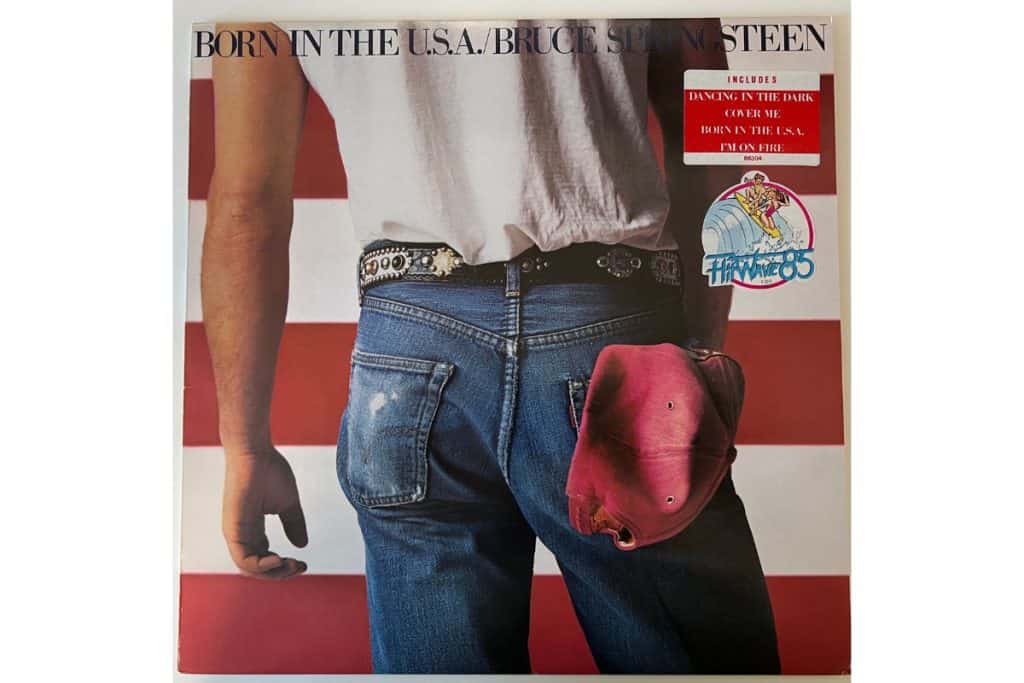
    LP – Bruce Springsteen Born in The USA.

    To play an LP record, you’ll typically need to set the turntable to 33 rotations per minute. Other settings include 45 and 78, which are used for singles, or EP (extended play records). An LP spinning at 33 RPM provides about 22 minutes of music per side. Record manufacturers were super pleased to make this discovery, because it meant they could imprint more songs on a single disc.

    The first LP record was released by Columbia records way back in 1948. Truman was still in the White House. Bread was thirteen cents per loaf. My dad was only a year old. What music occupied Columbia’s ground-breaking record? The Mendelssohn Concerto in E minor. Each side was 23 minutes long, and they sounded pretty crisp.

    You can still buy classical music on LP vinyl. Please don’t ask me to defend the shameful lowlands of my generation’s preference toward disco and pop rock. It was what it was. LP vinyl survives to this day on turntables all over the world.

    But why 33 RPM? How does the speed of a spinning record affect sound quality? The next part of this article will examine turntable RPM up close, giving you a better idea of the differences between LP and vinyl.

    Records And RPM (Rotations Per Minute)

    Earlier in the article, I mentioned that manufacturers press most vinyl records for either 33, 45, or 78 rotations per minute. The LP, or long play record, uses 33 – most of the time. Some LP records actually spin at 45 to achieve better sound quality.

    Better sound quality at higher rotations per minute? At first, it doesn’t seem to make sense. After all, when we think of adding minute details to any project, it’s almost a given that the project will need to slow down, not speed up.

    Here’s the part where I tell you that sound quality is affected not only by the speed of a vinyl record but also by the size of the record at hand. Remember that LP vinyl is typically pressed onto a 12″ disc. This, combined with the 33 RPM spin setting, allows record pressers to fit more songs into one nifty record store package. Now remember that vinyl records are made up of grooves that produce vibrations on a tonal arm.

    The depth and curvature of the grooves have a huge influence on sound quality. As the stylus on the turntable arm moves closer to the center of a record, the groove curve becomes tighter. Keep in mind that our record is still spinning at 33 RPM.

    However, with a shorter distance to travel around the center of the disc, the grooves become more narrow. The stylus needs to work harder to stay inside the grooves, which causes sound distortion and high-frequency reduction.

    On an LP spinning at 45 RPM, the grooves are more detailed and thus provide more data for the stylus to transfer up the turntable arm. These same grooves become more narrow as the stylus moves closer to the center, but not nearly as much as with an LP 33.

    Record pressers have done lots of research into getting that distance from the center to the edge just right to make an LP sound good—or at least good enough. And here, we gain a better understanding of why enthusiasts go on and on about the tip of a stylus being so influential to sound quality.

    Quite literally, we’ve got it all broken down to a science—the science of sound.

    So Any Record Can Be Vinyl, but Not Any Record Can Be LP?

    The 45 RPM single record came to us about 75 years ago. Just like the LP, companies pressed them onto a vinyl platter. But the EP—extended play—is not an LP, because a 45 single normally holds only two tracks.

    The EP and the LP are both pressed onto a vinyl platter or disc, so yes, pretty much every record you use today can be—and probably is—vinyl. Whether or not the record is considered an LP depends upon its size and, more importantly, how many tracks it’s able to play.

    Most LP vinyl records are 12 inches (30.5 cm) across and spin at 33 RPM. Both factors allow them to play an entire album rather than just one or two songs (tracks). 45 “singles”, also made from vinyl, are 7 inches (17.8 cm) across. They have a wider center, or singularity, which means the grooves don’t need to get so tight as they approach the event horizon; thus, the 45 single provides better sound quality, though the songs are fewer.

    So forget about pressing John Lennon’s Double Fantasy or anything like it onto a 45. However, said 45 will most likely be made of polyvinyl chloride. PVC remains the go-to material for turntable records today.

    LP Records at 45 RPM

    Remember this article’s section about records and RPM? I began by suggesting that most LP records are recorded for 33 RPM to fit in enough songs for an entire album: most LPs, but not all.

    You can still purchase long-play vinyl albums pressed for 45 rotations per minute. As discussed, the format kicks out better sound quality. Sometimes it’s the artist who insists upon having this format, and sometimes it’s the studio.

    In any case, when you buy an LP meant to be played at 45 RPM, you’ll almost always get two records in the sleeve. With the turntable spinning faster, there simply isn’t enough room to fit an entire album on one of these records alone.

    I owned dozens of vinyl 45s in my youth—way more than the full-length LP. The EP singles were cheaper—plus, I think I held the pole position on that cynical curve of belief which says artists will only write “two or three good songs” and about ten “fillers” for the rest of an album. Who needs fillers? I went for the quality.

    Scout’s honor: Until sitting down to write this article, I had never heard of the 45 LP. As a kid, I never would have believed in their existence. “You can’t play an LP at 45 RPM—it’ll sound like The Chipmunks!” But they’re real all right. And though the packaging is a bit heavier, the music is most certainly sweeter.

    Is Vinyl the Only Material Used To Make Records?

    The recording industry has been in the know about the benefits of vinyl for almost 80 years. Since those days, no other material has risen to knock PVC off the top of the hill. In the pre-1940s, however, things were certainly a bit different.

    Today’s LP records are made of vinyl, and it’s almost impossible to find one made of anything else. Having said that, records pressed before World War II were often made of shellac, though shellac records weren’t Long Play.

    And speaking of World War II, it turns out that conflict was something of an influence as to how shellac got replaced with vinyl. When the war broke out, then U.S. President Franklin Roosevelt ordered that shellac records be cut by 70 percent. How come? Because shellac—a resin produced by female lac bugs in India and Thailand—is also used to make explosives.

    But even had it not been convenient for blowing things up, shellac stood no chance against vinyl when it came to LP records. Not only do shellac records break much easier than PVP, but manufacturers needed to cut their grooves wider, forcing higher RPM (78) to play them. Today it’s challenging to find an unbroken, playable shellac 78.

    After the war, some record companies—Columbia and Atlantic, to name two—chose to press their 7″ 45s on a cheaper form of plastic known as styrene. Due to it being more brittle and easier to crack, styrene was not used for LP pressings.

    Modern Industry Semantics

    We’ve kicked around lots of terminologies during this article. Fingers crossed, you’re still with me. Or am I beginning to sound like a broken record? Anyway, let’s review some of this terminology to set the record straight:

    • LP stands for “Long Play”; it’s a kind of record about 12” in size that can play 12 to 14 songs at 33 RPM.
    • Vinyl is short for polyvinyl chloride; it is the type of plastic almost every LP is made of.
    • RPM stands for rotations—or revolutions—per minute, and literally measures the speed at which your turntable needs to spin to make the music sound as intended.
    • The stylus is like a needle that rides inside a vinyl record groove.
    • The cantilever is the arm attached to the stylus; as the stylus reads the sound imprint of the groove, electrical vibrations are sent up the cantilever to an amplifier.

    One more tidbit about LP vinyl before we move to the conclusion: Based on personal experience, LP vinyl tends to warp and become damaged more easily than EP vinyl. This is likely due to LP grooves being closer together and the record itself being a tad more weighty.

    Conclusion

    Vinyl and LP aren’t the same thing. Vinyl refers to the material the record is made of (polyvinyl chloride), whereas LP (Long Play) relates to the length of the recording. That’s the only real difference between the two, but of course the number of tracks supported by each can be different. 

    But hey, now you’re more familiar with why vinyl is used for these records, and why their playback speed is so imperative.

    You might also be interested in these articles:

  • The 12 Best Places To Buy Used Vinyl Records Online

    The 12 Best Places To Buy Used Vinyl Records Online

    Vinyl is back. A new era of vinyl records is taking shape and for some, it’s a whole new way of listening to music. Whether you’re looking for a gift or want to upgrade your collection, there are many places on the web where you can buy used vinyl records from sellers all over the country.

    Here are the 12 best places to buy used vinyl records online:

    1. Amoeba Music 
    2. Discogs
    3. Amazon
    4. Dusty Groove
    5. Joe’s Albums
    6. Sounds of The Universe
    7. eBay
    8. EIL
    9. Etsy
    10. Vinyl On The Net
    11. Rough Trade
    12. Wax Trax Records

    In this post, I’ll be discussing the best online stores for buying used vinyl records so that you can find the perfect selection. Whether you’re a music lover searching for rare records or want to save money, the rest of this article should interest you.

    1. Amoeba Music

    With physical shops in Berkeley, San Francisco, and Hollywood, Amoeba is a popular online record store in the United States. Their inventory ranges from country, rock, hip hop, soul, jazz, and nearly every genre out there. With the support of a special team composed of musicians and experienced staff, you can expect to find great music and professional service.

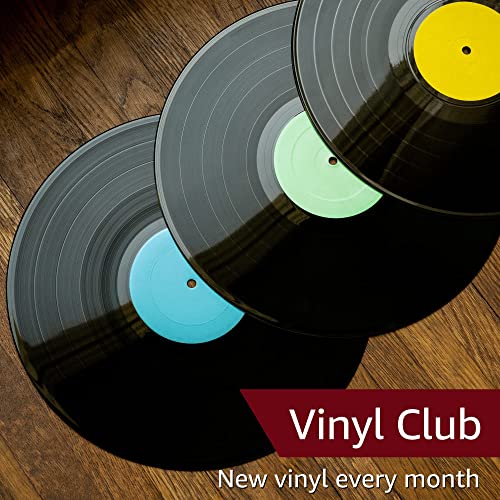
    Since this store is essentially an open market for new and used records, their stock changes daily, so you can find almost anything you need here with time. Also available at the store is a membership to the exclusive Amoeba Vinyl Club (AVC) which is a premium service for music lovers.

    The service is a partnership with Vinyl Moon, an L.A.-based indie record company. As a member, you’ll receive a beautifully colored vinyl record in deluxe packaging to add to your collection every month. 

    Photo: Steveshelokhonov, CC BY-SA 4.0, via Wikimedia Commons

    2. Discogs

    We all love to listen to music, and I’m not just talking about the radio. Sure, that’s a big part of it, but when you’re looking for something old and exciting, there’s only one place you need to go: Discogs.

    Discogs, short for discographies, is an international online marketplace where you can buy and sell used vinyl records. It has a vast community of millions of music lovers who buy, sell, and trade vinyl records. The site was started in 2000 by a group of friends who were passionate about music and wanted to create a platform where people could connect through their love for music.

    The original intention was to create a database of electronic music but with time, the site has expanded to include all music formats and genres after allowing the public to contribute.

    Discogs has over 628,000 registered users worldwide on its site, with a database that contains more than 40 million vinyl records and C.D.s at any given time.

    In addition to offering a large selection of used vinyl records, Discogs also makes it easy for buyers to locate what they’re looking for effortlessly. Use the filters to search by genre, year of release, and even record condition. 

    3. Amazon

    If you’re looking to purchase used vinyl online, it’s going to be hard to avoid the famous online giant Amazon. They also have an extensive collection of used vinyl records like other online stores, so it won’t hurt to check here. Amazon is a known brand, so you can be sure you’re buying from a trusted source. You might even find some deals that other online record stores don’t have.  

    Ensure the vinyl records on sale are in good condition before you purchase them. Regardless, they have a great return and shipping policy. 

    Additionally, if you’re a vinyl fan in the United States, you can join Amazon’s new subscription service: Vinyl of The Month Club. Each month, as a member, you will receive a classic vinyl album curated by the experts at Amazon Music from a collection of albums from the 60s, and 70s, the so-called golden era of vinyl.

    Vinyl of the Month Club: The Golden Era - Vinyl Subscription

    4. Dusty Groove

    You can check out Dusty Groove, a Chicago-based store selling vinyl records online since 1996. The record store has a lot of hidden gems depending on your taste. Every day, hundreds of records are added with clear and concise descriptions, demonstrating that they take their vinyl business seriously.

    Dusty Groove stocks a wide selection of music from all major genres, but it specializes in funk, soul, reggae, jazz, and other less popular genres as well. It’s one of those platforms where you might just come across the rare vinyl records you’ve been looking for all this time. 

    The website is constantly updated with new arrivals, making it a great platform to get used vinyl online.

    5. Joe’s Albums

    Joe’s Album is a record store that stocks all genres of music and periods. There’s something for everyone in this shop, whether you’re a fan of classic rock, 1970s soul, 1980s pop, or 1990s hip-hop.

    Joe’s also has a wide selection of used vinyl records and C.D.s, so you can explore the music you love in the comfort of your own home. If you’re looking for some new music to add to your collection, Joe’s Albums is the place to go.

    Their stock of pre-owned records undergoes a rigorous inspection process before being approved for sale. Each record is inspected under bright halogen lamps for marks that might add surface noise and is then tested to determine its quality. In order to ensure that you get the best listening experience, records are cleaned with a Pro-ject Vacuum machine. 

    6. Sounds of the Universe

    Sounds of the Universe is a shop specializing in rare original vinyl and sources new and used vinyl online from around the world. Founded in the late 1980s by Stuart Baker, the shop also has a record label called Soul Jazz Records.

    They have something for everyone: classic rock, indie, metal, and more. Sounds of the Universe is your one-stop shop for all your vinyl needs.

    Why should you get your hands on their inventory? First, they have records from all over the world. You can find out what’s truly rare by checking out their website and seeing how many artists make up their catalog. 

    Beyond stocking rare records, which is cool, all their original vinyl is 100% guaranteed. In the event you don’t like the condition of the item when you receive it, return it, and you’ll get a refund. 

    It’s usually common to get low-quality previously used goods. Thankfully, Sounds of the Universe vinyl are properly vetted to ensure there is no damage to them. 

    7. eBay

    Vinyl records are an ideal way to listen to your favorite music, but they’re not always affordable. Fortunately, there are ways to find used vinyl online on eBay.You can buy used vinyl records on eBay for as little as $2. 

    You can find a used vinyl record in mint condition for less than half of what you’d pay at a store. Plus, when you buy from eBay, you will have enough information about the record and the vendor to decide whether or not it’s worth purchasing.

    Here’s how to make sure you get a good deal.

    1. First, head over to eBay and search for “Vinyl Records.”
    2. Then you can filter your search by the condition, record type, or size.
    3. You’ll find many options, and once you’ve narrowed down the results, select the listing that seems to contain what you want.
    4. Next, look at the seller’s feedback. Does the seller have a lot of positive feedback? If so, this might be a good indication that they’re trustworthy and reliable.

    8. EIL

    If you’re a music fan, then you’ve probably heard of EIL.com. EIL is a UK-based vinyl marketplace with a long history of music. It’s a rare vinyl marketplace with over 250,000 different records in stock, and has some rare exclusive vinyl you’ll be hard-pressed to find elsewhere.

    With its massive selection and low prices, EIL offers rare European music that might be difficult to find outside of the United Kingdom. Thankfully, they have offices in multiple parts of the country for easy access.

    EIL is well-established, having been created in the ’80s by two music lovers. As a result, they have amassed a wide collection of not just vinyl but also music memorabilia, limited edition releases, and much more.

    You can be assured of quality when you purchase used vinyl online from this store. Their records are graded according to the U.K. Record Collector gradings, which are the industry standard. As a record collector, you can be assured that every item they sell is in excellent condition.

    The website is slightly-old fashioned but there is a cool retro look about it, which goes well with the records they sell. 

    9. Etsy

    Etsy is a marketplace for sellers of handmade goods and vintage items. Thousands of vendors sell their craftwork on the site, so you’ll never have trouble finding something you like. The site is one of the largest marketplaces for artisans in the world, with millions of products sold yearly by small businesses.

    Luckily, if you’re a thrifty shopper, there’s no better place to go than Etsy. Etsy is about as frugal as it gets when it comes to online shopping. There are even places on Etsy where you can buy used vinyl records in good condition. The site is a great place to shop for vintage collectibles and used vinyl records and with some time and elbow grease, you’ll find some great deals.

    The Etsy marketplace offers almost anything you can imagine; you just have to search patiently and be keen.

    10. Vinyl on the Net

    If you love punk music and vinyl, you might already know about Vinyl On The Net. It’s a British store specializing in rare punk, rock, and gothic music, the perfect spot to get punk music if you want to buy new or used vinyl online.

    While vinylonthe.net may not be the most well-designed website in the world, its collection of punk records is unmatched. It’s regularly updated with hundreds of new arrivals in other genres, including gothic, industrial, grunge, indie, Madchester, psychobilly, mod, ska, and every sub-culture. 

    In a way, it’s like an underground punk version of Amazon that sells records, and it’s extremely reliable.

    11. Rough Trade

    Rough Trade is a network of independent record retailers in the U.K. and the U.S., with headquarters in London. Rough Trade was founded in 1976 with a shop in London. Today, the company remains committed to vinyl, alternative music, and independent labels, which have a strong following.

    The company’s mission is to champion independent artists by giving them an outlet for their music. There was a considerable lack of support for independent music, so Rough Trade Records was started to provide these artists with a place where a wider audience could hear them.

    Rough Trade has evolved from just selling vinyl to providing services beyond the sale of records. The blog on the website feels like a true community effort dedicated to pushing independent artists into the mainstream. 

    Their vinyls are top quality and they feature artists like Mitski, Father John Misty and more. Of course, independently distributed music isn’t always going to be the most popular but Rough Trade has done a very good job with its selection of artists.

    Aside from getting a decent selection of used vinyl online here, you can exchange your pre-owned vinyl for cash or Rough Trade credit.

    12. Wax Trax Records

    Over 41 years have passed since Wax Trax opened its doors on Capitol Hill in downtown Denver. Established in 1975 by Jim Nash and Dannie Flesher, the store features a diverse selection of independent music.

    Wax Trax is another champion of solo artists and has out time into developing one of the most extensive inventories in the state. Throughout its history, it has served as a platform for a wide range of artists across genres, making it an important part of Denver’s music scene.

    Wax Trax’s inventory includes vinyl records, C.D.s, cassette tapes, and DVDs. Also available are new releases from all genres, such as punk rock, grunge, hip hop, metal, and more. The store features an extensive collection of rare items, including 45 RPM single records and original artwork from the label’s many releases throughout its history.

    You might also be interested in checking out these two articles that I wrote about online record stores and about selling vinyl records.

  • What Is a 45 RPM Adapter? Let’s Find Out

    What Is a 45 RPM Adapter? Let’s Find Out

    If you’re interested in vinyl records, you may have encountered the term ‘45 RPM adapter’. Knowing what it is is essential because you might need to use one when playing records. So what exactly is a 45 RPM adapter?

    A 45 RPM adapter is a device you place in the hole of a record, so it stays in place when in use. You should use a 45 RPM adapter on all 45 RPM records with a hole that’s 1.5 inches (3.81 centimeters) wide. Most 45 RPM adapters are plastic or metal. You can buy one in any music store.

    This article will discuss what a 45 RPM adaptor does. It will also discuss the essential information you should know and what happens when you don’t use a 45 RPM adapter.

    If you only want to buy an adapter, check out my two favorites (from Amazon):

    1.  Solid Aluminum Dome 45 Adapter
    2. (10 Pack) Glow in the Dark/Glowing Plastic 45 RPM 7 Inch Vinyl Record Adapter/Adaptor – 7″ Inserts

    What Does a 45 RPM Adapter Do?

    45 RPM Adapter CNC Aircraft Grade Aluminum 7 inch Vinyl Record

    A 45 RPM adapter ensures your 45 RPM vinyl record stays in place and doesn’t move around while it’s in use. Since the center hole on many records is too large for standard record players, an adapter is often necessary. Using an adapter ensures the record doesn’t get damaged.

    Most adapters are easy to put on—they click onto the record in the center, and you can place the record on the player. You’ll notice that the record will remain steady once it starts spinning if you use a 45 RPM adapter.

    Plus, it’s super easy to put one on. All it takes is a few seconds, and you can use the same adapter on all your 45 RPM records with large center holes.

    45 RPM Adapter Essential Information

    45 RPM Adapter CNC Aircraft Grade Aluminum 7 inch Vinyl Record

    Now that you know more about what a 45 RPM adapter does, it’s good to learn more about these valuable devices. For example, it’s essential to understand that not all 45 rpm records require an adapter. 

    Additionally, you should only use a 45 RPM adapter on a 45 RPM record. For example, you wouldn’t need to use a 45 RPM adapter on a 33 RPM record.

    Below are some of the essential things you should know.

    45 RPM Adapters Are Not Always Necessary

    Although they’re usually necessary, there is one instance when you won’t need to use a 45 RPM adapter on your 45 RPM record—when the hole is smaller than the standard 1.5-inch (3.81 centimeters) one.

    Only vinyl records with a 1.5-inch hole in the middle need a 45 RPM adapter. So if you have a record with a smaller hole, you can place it right on the record player without worrying about damage or movement.

    If you’re unsure, you can measure the hole before trying to use an adapter.

    They Can Be Plastic or Metal

    45 RPM adapters come in two primary materials: plastic and metal. Generally, the plastic ones are cheaper than the metal ones, so you should use one of them if you’re on a budget. However, metal adapters are more sturdy and longer-lasting. 

    You should be aware that although metal adapters are more sturdy, they can be too sturdy. According to the University of Missouri-Kansas City, some old metal adapters (like the Webster-Chicago 45 RPM Adapters) can damage records. So it would be best if you were extra careful when removing such adapters.

    If you take good care of it, a plastic 45 RPM adapter should last a long time. They also come in different shapes. For example, you can find cone and flat disc shapes.

    You Can Keep the Adapter on the Record After Each Use

    45 RPM Black Adapter Durable Solid Aluminum Center Adapter for 7 inch Records Vinyl

    It’s OK to keep the adapter on the record after using it. Of course, taking it off usually makes more sense if you only have one and listen to many different records. But if you have numerous adapters and don’t want to move them around and take them off each time you finish using a record, keep them on!

    Keeping the adapter on shouldn’t damage the record, and it will ensure you don’t lose it. If you want to remove it after each use, store it somewhere safe where it won’t get lost or damaged. Adapters are tiny, so they’re easy to lose!

    What Happens if You Don’t Use a 45 RPM Adapter?

    If you don’t use a 45 RPM adapter, your record won’t be steady on the player. You’ll notice it moving around, and it may get scratched and damaged over time. It’s vital to use an RPM adapter to avoid damage.

    You may be wondering if you can remove the 45 RPM adapter once the record is playing, but you shouldn’t do that. If you remove the adapter, the record will likely start moving around—this won’t necessarily affect the sound, but it can cause scratching (which you certainly want to avoid)!

    Once the record is playing, you should leave the 45 RPM adapter attached to the vinyl record until you stop using it.

    How To Use a 45 RPM Adapter

    Thankfully, using a 45 RPM adapter with your 45 RPM record is super easy. Below, I’ll discuss the steps:

    1. Choose an adapter. As I already mentioned, there are different adaptors to choose from. The metal ones are generally more sturdy, but most plastic ones do the job just fine.
    2. Pick a vinyl record. Next, you want to choose a record to play. Of course, if you want the adapter to fit correctly, it must be a 45 RPM record with a 1.5-inch hole.
    3. Clip the adapter into the center of the record. Most adapters should fit perfectly in the center of the hole. However, ensure you’re gentle because you want to avoid damaging or scratching the record.
    4. Place the vinyl record on the turntable. Once you’ve placed the adapter in the center of the vinyl record, you can put it on the turntable. When you turn it on, you should notice the record stays in place and doesn’t move off-center.

    If you want to remove the 45 RPM adapter after use, unclip it gently, trying not to cause any scratches.

    Conclusion 

    A 45 RPM adapter is a device that keeps 45 RPM vinyl records in place when on a turntable. Only records with a 1.5-inch hole in the center need to be used in conjunction with 45 RPM adaptors.

    You can find these adapters in plastic or metal form. After use, you can either keep them on the record or remove them each time.

  • Why Does My Record Player Sound Distorted? Let’s Find Out

    Why Does My Record Player Sound Distorted? Let’s Find Out

    People love listening to music on vinyl because of its high-quality sound and robust listening experience. A record’s audio data is wholesome and provides arguably the most authentic listening experience. But all that can easily be undone by distortion, so you’ll want to find a solution quickly when your record player gets affected. 

    A record player may sound distorted due to inner groove distortion, a dirty/worn-out stylus, or inappropriate cartridge weight and height. Potential fixes for this problem include switching to ideal cartridge height and weight, cleaning the records and the stylus, and replacing the stylus.

    In the rest of this article, we’ll review the above causes of distortion in a record player in greater detail. We’ll also look at potential fixes for this problem, so be sure to stick around to the end. Let’s dive in! 

    Clean Your Records and the Stylus

    A seemingly insignificant amount of dust can create distortion even if the record is perfectly fine. Check to make sure the stylus is dust-free and clean it if necessary.

    While you’re at it, address the real culprit: the records. Start by brushing off excess dust with a carbon fiber record brush and then wipe off the remaining grime with a soft cloth and record cleaning fluid. Want more details on how to clean your records and your turntable? check out these articles:

    Dirty turntable needle hovering above dusty vinyl.

    Inner Groove Distortion

    A common distortion issue that many vinyl owners face is inner groove distortion. As the name describes, this is when you experience distortion towards the end of the record, on the inner grooves. This issue is an inherent manufacturing flaw for vinyl records. Luckily, it’s becoming less common as manufacturers update their methods. 

    Inner groove distortion has a lot to do with the way the music is compressed on vinyl records. The circumference of each groove decreases as you get closer to the end of the record. This increasingly smaller space means that the music has to be compressed more compactly later on in the album. 

    When comparing the first song of the side to the last, the circumference of the grooves decreases significantly. Your stylus also does not have the same amount of time to trace the grooves in the last song as it did in the first song. 

    Some record manufacturers attempt to avoid this issue by spreading the music out as much as possible. Even if the record is short enough to fit on one record, some manufacturers opt to spread the music out over two records. This method works to avoid those tricky inner grooves as much as possible, giving you the best listening experience.

    You can tell if you are suffering from inner groove distortion with a simple test. Where is the distortion occurring? If the first song on the album sounds perfect, but the last song produces distortion, then inner groove distortion is likely the culprit. 

    For more information on inner groove distortion, you can check out this informative video on YouTube from Fluance Audio: 

    A Dirty/Worn Out Stylus

    The stylus is arguably the most common cause of distortion in record players. This part of a record player is mostly affected by the dirt it picks up as it tracks record grooves. With enough time and regular use, dirt can build up on the stylus tip and compromise its ability to accurately track the groove, ultimately causing distortion.

    The stylus can also be compromised by wear and tear. While this is less common due to the typical durability of the stylus, it’s still worth looking into. To do that, use a jeweler’s magnifying glass to check for any flat spots on the stylus. If you notice any, wear and tear is likely the cause of the distortion. 

    Inappropriate Cartridge Weight/Height

    Getting the right cartridge weight is important for the balance of the tonearm. If your cartridge is too light for your record player, the tonearm won’t be able to rest properly on the record. On the other hand, a cartridge that’s too heavy will rest too firmly on the record, potentially damaging its grooves with every minute of playing time. Either way, you’ll experience distortion.

    The height of your cartridge impacts the tonearm’s Vertical Tracking Angle, a crucial determinant of the Stylus Raking Angle. The latter angle describes how your stylus makes contact with the record, and impacts the sound it ultimately produces. For the best sound quality, you need to maintain a consistent cartridge height.

    How To Fix Distortion on a Record Player

    Whether you’re suffering from inner groove distortion or another type of general distortion, there are a series of checks and upgrades you can make to your system to improve the sound quality. Let’s take a look at what you can do for your stylus and cartridge to make sure they’re reading each record perfectly. 

    Upgrade or Align the Cartridge

    Checking your cartridge for overdue upgrades and misalignments is a great first step to battle distortion. Depending on the age and mileage of your current cartridge, you may choose to upgrade altogether and purchase a newer, higher-quality option. 

    If you choose to purchase a new cartridge, there are a few things to keep in mind as you install it in order to give you the highest-quality listening experience. 

    First, keep in mind that the height of the cartridge is important for producing the best quality sound. The height of the cartridge will be influenced by your record player’s tonearm. This component may or may not be adjustable, depending on the make and model of your device. 

    If your record player doesn’t have an adjustable tonearm, you’ll need to recreate the height of the original cartridge. The manufacturer will provide specifications for replacement cartridges so you can find one that’s compatible with your device. 

    Switch to Ideal Cartridge Weight

    Another important factor to check when replacing an old cartridge is the ideal weight for your record player. Different makes and models will have different ideal cartridge weights, measured in grams. 

    Manufacturers usually specify the ideal weight for each record player, so be sure to check your user manual or product specifications for that. If you find that you’re using the wrong weight, replace your cartridge.

    For more information on replacing your cartridge, you can check out this tutorial on YouTube:

    Replace the Stylus

    If you have an older stylus that has seen a lot of use, it might be time to get a new one. Take a close look at your current stylus. If it’s visibly worn down, you can trust that it isn’t reading your record as well as it could, and that an upgrade is overdue.

    It can be advantageous to replace your cartridge and stylus at the same time. If you’ve had your record player for a while or had purchased it used to begin with, consider upgrading both components together. This dual upgrade will give you the best chance at improved sound quality without having to replace your whole record player. 

    What Happens If Nothing Worked?

    If nothing worked and you’re still experiencing distortion after attempting the above fixes, it might be time to replace the record. Records aren’t immune to wear (particularly the grooves), and overplayed ones can cause distortion. 

    With enough groove wear, the stylus may slide off the grooves when you attempt to play the record. If this happens, this is a clear sign that the record has been played out and needs replacement.

    You can also check if a particular record is the culprit by swapping it for a newer one. If the distortion disappears when you play a different record, chances are your record player isn’t the problem; a worn out record is.

    Summing Up

    If you’re experiencing distortion when listening to your favorite record, it could be due to inner groove distortion, a worn-out record, a dirty/worn out stylus, or inappropriate cartridge weight and height. 

    Depending on the cause, you can fix the distortion by switching to the recommended cartridge height and weight, cleaning the records and the stylus, or replacing the stylus. If nothing works, check the record for wear and tear and replace it if necessary.

  • The 5 Best Phono Cartridges Under $500

    The 5 Best Phono Cartridges Under $500

    Phono cartridges are one of the most critical parts of a record player. The mechanism transfers the sound from the needle, allowing you to listen to your vinyl records. However, they can get quite pricey!

    The best phono cartridge under $500 is the Audio-Technica VM540ML. It’s best for those just getting into vinyl. It provides excellent sound, has a solid build, and is easy to install. Additionally, it costs significantly less than $500! Audio-Technica is well-known for its quality vinyl products.

    However, the Audio-Technica VM540ML won’t suit you if…

    • You’re on a tight budget. Go with the Audio-Technica AT-VM95C (available on Amazon).
    • You want the best sound quality and don’t mind paying more. Choose the Denon DL-103 (available on Amazon).
    • You want a phono cartridge that’s very easy to install. The Ortofon 2M Blue (available on Amazon) is what you should choose.
    • You enjoy reduced noise and clarity for better hi-fi. Then choose the Grado Timbre Series Opus3 (available on Amazon).

    This article will go over what you need to consider when buying a phono cartridge under $500. I’ll also cover why the Audio-Technica VM540ML is the best choice for most people and what options you have for different situations. Here’s everything that you need to know!

    Factors To Consider

    There are a few main factors that you’ll want to consider when buying a new phono cartridge. They include:

    • Moving magnet or moving coil
    • Tracking force
    • Ease of installation
    • Price

    I’ll explain these four factors below:

    Moving Magnet or Moving Coil

    These options are tiny electromagnetic generators that convert needle vibration into sound. Moving magnet (or MM) cartridges use magnets on the stylus. They use a cantilever to transfer vibrations from the vinyl to the magnet. Your amplifier will need to have MM inputs for it to work well.

    A magnetic phonograph cartridge on a vinyl record groove.

    A moving coil cartridge has a mobile coil paired with a fixed magnet. The coil moves in the magnetic field that the magnet generates. You’ll receive a more robust high-fidelity sound with this option, making it the perfect choice for audiophiles. However, you’ll have to pay a lot more for this option.

    Here’s how the phono cartridge options on this list break down:

    Phono Cartridge ModelType
    Audio-Technica VM540MLMoving magnet
    Audio-Technica AT-VM95CMoving magnet
    Denon DL-103Moving coil
    Ortofon 2M BlueMoving magnet
    Grado Timbre Series Opus 3Moving coil

    In general, the more expensive options tend to use a moving coil. If you want to pay more for quality sound, a moving coil is often the better choice. However, these options won’t fit into everyone’s budget.

    Tracking Force

    Phono Cartridge ModelTracking Force
    Audio-Technica VM540ML1.8 to 2.2g (2.0g standard)
    Audio-Technica AT-VM95C1.8 to 2.2 g (2.0g standard)
    Denon DL-1032.5g standard
    Ortofon 2M Blue1.8g standard
    Grado Timbre Series Opus 31.6 to 1.9g (1.75g standard)

    The tracking force is quite significant. It refers to the amount of pressure the phono cartridge puts on your vinyl when you play it. You want the ideal weight — too much can scratch the records, while too little gives you a bad sound quality.

    You’ll want a lighter tracking force for your records to keep them in good condition. When the record player first came out, tracking forces of three grams were common. Today, however, you’ll find more options with less than half that force, which is ideal.

    Some brands give you a tracking force range. You can expect the pressure to fall within that range, although the “standard” is what you can expect the most often. The standard tracking force usually falls in the middle of the spectrum, so you know what to expect with the phono cartridge.

    If you have a heavier phono cartridge, you’ll want to adjust the arm and needle to account for it. That way, the needle won’t press too deeply into the vinyl. You’ll need to check your record player for ways to adjust the weight, as all models are slightly different.

    Ease of Installation

    It’s also good to think about the ease of installation of the model. Some are universal and can easily snap into place on your machine without much effort. However, others can be more difficult to set up correctly.

    These models are pretty easy to set up and should fit almost any record player out there. You won’t spend long installing your phono cartridge when choosing one of them.

    However, ease of installation is still essential for you to consider. You wouldn’t want to choose a phono cartridge that doesn’t fit correctly! It could damage the vinyl or produce lousy quality sound.

    Price

    Lastly, you’ll need to consider the price. While the options below are all under $500, some are still more expensive than others. Make sure to consider your budget beforehand — you don’t want to overspend!

    Higher-quality phono cartridges do tend to have higher price tags associated with them. However, not everyone wants to pay for them — and that’s okay! There are plenty of excellent budget options that offer great sound quality as well.

    First things first, make sure that you know how much you’re comfortable spending. It makes it easier to stay within budget, even when searching for a phono cartridge under $500. You can also buy a cheaper one now, then upgrade to something more luxurious later.

    Best Overall: Audio-Technica VM540ML

    The Audio-Technica VM540ML is the best phono cartridge for most people. You can buy it as is or in a kit that includes the headshell. It’s a reasonable price for a cartridge, and you get good sound. Listeners find it produces a sound that isn’t too bright or dull.

    Audio-Technica VM540ML MicroLine Dual Moving Magnet Stereo Turntable Cartridge Red

    It won’t create any unnecessary noise or distortion. The tracker is one of the best parts of this cartridge, too. It’s not too forceful. It glides smoothly along records without any problems.

    Moreover, the phono cartridge is very easy to install. It shouldn’t take you more than a few seconds to put on. It may take a few minutes to adjust the needle and arm balance for the best sound, but it’s an effortless procedure.

    It’s worth noting that this product uses a moving magnet. It won’t get you as good a quality sound as a moving coil would. However, the other features make up for it, so you still get impressive audio.

    Bottom Line: The Audio-Technica VM540ML is perfect for most people. It’s excellent for beginners to vinyl, has a reasonable price, is easy to install, and uses a moving magnet. For the price, you get high-quality sound, making it a good deal!

    Pros

    • Price. You get a fantastic value for the quality.
    • Smooth tracker. The tracker is very soft and reduces noise.
    • Easy to install. It fits many record players and doesn’t take much effort.
    • Great sound. You get a clear, smooth sound.

    Cons

    • Doesn’t pick up small details. The only downside is that the sound is neutral; you won’t get the more subtle details in a song.

    Product Specifications

    DimensionsWeightScore
    4 x 2 x 3 inches (10.16 x 5.08 x 7.62 cm)0.23 ounces (6.52 g)9/10

    Best Budget Option: Audio-Technica AT-VM95C

    Audio-Technica AT-VM95C Dual Moving Magnet Turntable Cartridge Blue

    If you can’t afford the best overall pick, the Audio-Technica AT-VM95C (available on Amazon) is the perfect budget option. It’s significantly less than $100, allowing it to fit into almost any budget. If you’re new to vinyl, then you’ll want to start with this cost-effective option. It’s also effortless to mount and get running. 

    This model is the “entry-level” product in Audio-Technica’s VM line. It’s better than the previous AT95 series, offering bolder, richer sound, even at this price point. The Audio-Technica AT-VM95C won’t provide you an extensive range of sound, but it’s still great for the cost.

    It does make the sound a little bright, but it’s not noticeable to most people. However, users did mention that it had a “break-in” period. The vocals will sound a little off and distorted at first. But the more you use the phono cartridge, the better the audio becomes.

    Overall, this product is a bargain! If you need a cost-effective replacement, this is the best option for you under $500.

    Bottom Line: The Audio-Technica AT-VM95C is perfect for anyone looking for a cheap phono cartridge. It makes a great replacement if your current one ever breaks. It’s great if you’re new to the world of vinyl collecting and don’t know what you want yet.

    Pros

    • Price. This cartridge is the cheapest on the list. You won’t find other phono cartridges at a lower price without losing all quality.
    • Good entry model. This model is perfect for exploring Audio-Technica products for the first time.

    Cons

    • Long break-in period. You’ll need to spin a lot of vinyl for the cartridge to produce the best sound.

    Product Specifications

    DimensionsWeightScore
    4 x 1 x 3 inches (10.16 x 2.54 x 7.62 cm)1.3 ounces (36.85 g)6/10

    Best Sound Quality: Denon DL-103

    Denon DL-103 Moving Coil Cartridge

    Maybe you want enhanced audio quality and don’t mind paying more for it. The tracking of the Denon DL-103 is outstandingly smooth overall. It launched in 1962 and instantly became a considerable part of radio broadcasting.

    It’s straightforward to install. It should only take a few minutes to fit it to the arm. However, it does have a higher track force than the other options on this list. You’ll need to be very careful to ensure you don’t increase the pressure too much on your vinyl.

    This model offers outstanding audio quality. The vintage design is timeless and sounds better than many new phono cartridges. The only downside is that the treble portions can sound a little flat, but you get incredible range and rich sound overall.

    Bottom Line: With the Denon DL-103, you get a deep sound and outstanding quality. The original design is over 60 years old. It’s best for those with a higher budget who want the best sound quality. Due to the high cost, it’s not for everyone.

    Pros

    • Sound quality. You get three-dimensional, high-fidelity audio at an impressive quality level.
    • Easy to install. The model fits nearly every record player and takes a few minutes to put on.
    • Moving coil. The model uses a moving coil for sound transfer, giving you better audio.

    Cons

    • Cost. The model is very expensive.

    Product Specifications

    DimensionsWeightScore
    1.06 x 0.59 x 0.59 inches (2.69 x 1.49 x 1.49 cm)0.3 ounces (8.50 g)8/10

    Best Universal Fit: Ortofon 2M Blue

    The Ortofon 2M Blue is a universal fit for turntables. By choosing this option, you’ll feel confident that you won’t have to send it back because it doesn’t fit your gear.

    Ortofon 2M Blue Moving Magnet Cartridge

    Plenty of reviews praise this model online — and for a good reason. It’s a reasonable price for a phono cartridge, and it offers great sound quality. You get impressive highs and lows, giving your music a remarkable range and Hi-Fi qualities.

    It’s also great for very old albums with a lot of noise. The phono cartridge helps clear them up a bit, making it possible to listen to your favorite vinyl records again. It does use a moving magnet, but the sound is still impressive.

    Finally, this brand has great customer service. If you have any problems with the phono cartridge, you can reach out to them, and it’ll get taken care of quickly!

    Bottom Line: This phono model is perfect for those who need a universal fit and want good audio quality. It’s also great for old record collectors.

    Pros

    • Reasonable cost. The price falls into the middle range.
    • Easy to install. It takes less than 10 minutes for most people to install this model.
    • Clear sound. The cartridge brings out the best in old vinyl.

    Cons

    • Not the best for beginners. Those new to vinyl may have a more challenging time setting it up.
    • Design. Some people don’t like the blue design because it stands out too much from most record players.

    Product Specifications

    DimensionsWeightScore
    4.72 x 3.54 x 1.18 inches (11.98 x 8.99 x 2.99 cm)0.32 ounces (9.07 g)7/10

    Best Hi-Fi Option: Grado Timbre Series Opus3

    Lastly, if you want the best high-fidelity sound, the Grado Timbre Series Opus3 should be your first choice. It falls into the middle price range and has a unique design. Plus, it’s made of real maple wood! 

    Grado Timbre Series Opus3 High Output Stereo Phono Cartridge w/Stylus

    Hi-Fi means that you get a life-like sound close to what the artist intended. This model is the “entry-level” for the Timbre series, all wood cartridges. While it’s the cheapest option in the series, it has great audio quality.

    Bottom Line: This model is best for those looking for an authentic Hi-Fi experience with vinyl. It’s also great for those who want a traditional wood design.

    Pros

    • Hi-fidelity sound: You get very realistic audio with this model.
    • Unique design: This model is the first to use maple wood.

    Cons

    • Not for beginners. It may not fit every turntable and take more effort to set up.

    Product Specifications

    DimensionsWeightScore
    4.3 x 3.6 x 1.7 inches (10.92 x 9.14 x 4.31 cm)6.4 ounces (181.43 g)8/10

    Key Takeaways

    Overall, the Audio-Technica VM540ML is best for most people. It is a good price, easy to install, and has good sound quality. It’s also suitable for both beginners to vinyl and old-school enthusiasts.

    Always consider the four main factors when buying a new phono cartridge. You can’t go wrong with any model from the list!