Author: Andrew

  • Are Marley Turntables Good? A Complete Review

    Are Marley Turntables Good? A Complete Review

    Are you curious about the Marley Turntables? Possibly you heard of them, and you are wondering if they are as good as they seem. Despite what one may think, turntables are different and sound different from each other.

    Inexpensive and poorly made turntables can sound screechy and have limited bass power and definition. It is not enough to just spin the platter; the same record played on two different turntables can sound different.

    This article will uncover all the details about Marley Turntables, so you can figure out if they are high-quality products or not.

    Marley Turntables Overview

    The House of Marley, which produces the Marley turntables, was founded based on Bob Marley’s vision, love for music, and respect for the planet. Its founder, Rohan Marley, is the one working to bring forward this vision by creating a product that forwards that respect for the environment but that at the same time provides quality.

    One of the main things that differentiate Marly’s turntables from the rest is the materials used to build them. They come from ecological elements and recycled materials mindfully crafted and put together.

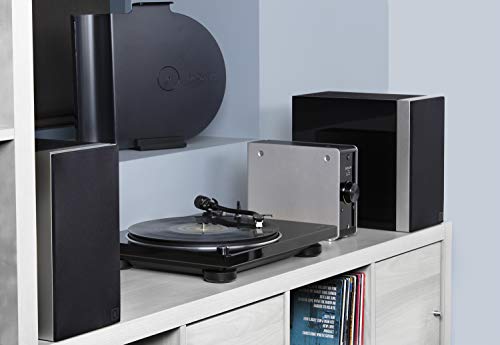
    The design and the color make one of those turntables look fashionable and handsome. In addition, it has all the features that it should have, such as RCA stereo output jacks, USB ports, and an external wall-wart DC power supply (to reduce self-noises).

    Here are some of the pros and cons of using Marley turntables:

    Pros:

    • Low self-noise
    • Eco-friendly
    • High-quality sound
    • Good looking minimalist design
    • Upgradeable cartridge
    • Great packaging
    • Easy to set up

    Cons:

    • Wall wart can be annoying
    • Missing dust cover lid
    • Sometimes the arm doesn’t automatically return back

    Let’s see in detail the main features and qualities of Marley turntables.

    Marley Turntables Materials

    Involved in several projects to help and protect the environment, and it doesn’t come as a surprise the careful selection of materials employed. Marley turntables are unique and different from other turntables because of how the manufacturing process goes and the materials used.

    One of the leading materials used to build those turntables is bamboo. While bamboo can give a significant and modern look to a product, it can also provide strength and durability. Some types of bamboo have the same compress ratio as still and twice that of concrete.

    It is a lightweight material, sustainable, and easy to renew as a natural resource. In fact, many countries are using bamboo to build schools, hotels, and other structures because of its high strength.

    Other materials used are recycled plastic, paper, metals, aluminum, PET, organic cotton, cork, leather, rewind fabric, wood composite, stainless steel, and not toxics silicon. Another element used is called REWIND™. It is a fabric made of a blend of cotton, hemp, and PET, all organic, created to be durable and resistant.

    Marley Turntable Design

    The design is another strong point of Marley Turntables. When you look at it, you can see that the top is made from eco-friendly bamboo, while a fabric made of organic cotton and hemp cover the sides and bottom.

    The platter consists of recycled aluminum which looks nice, together with the slips mat made of recycled plastic and rubber. When all those parts go together, the general look is a minimalist and fashionable piece of equipment.

    To make it even more attractive, House of Marley has made sure that each turntable has meticulous details. For example, the logo impressed in each turntable looks beautiful, and so the three rasta stripes placed on the headshell to pay tribute to Bob Marley’s legacy.

    The only negative note reported by many users is the lack of a plastic dust cover, but instead, you can use a hemp dust cover.

    Marley Turntable Features

    Although Marley turntables have a minimalist look and are very compact, they still have a lot of features and functionalities. Here are the things you can expect to find in one of those turntables:

    • USB for registration on a pc
    • Pre-amplifier (with a switch to deactivate the outgoing audion)
    • RCA
    • Adjustable counterweight
    • Belt drive
    • Anti-skating control
    • Replaceable head
    • Aux out (3.5 mm)
    • Speed 33 and 45 rpm
    • Bluetooth for wireless connection

    Marley turntables are manual belt-driven; no automatic device does it for you. So suppose you want to get a record playing; you have to do it in the old way. You are responsible for raising and lowering the tonearm to get music playing.

    While some consider it an inconvenience to raise and lower the tonearm, remember that in the past when turntables were the only way to play a record, the concept of automatic did not exist. So it is a bit like going back to the past and enjoying records in the old way.

    The RCA output situated at the back is there to connect a speaker or a receiver, and there is also a headphone jack located in the front for those who do not want to use the speaker o wish to play music late in the night.

    Some versions of Marley turntables have Bluetooth capability, so one can use headphones without cables and move around. In addition, it is possible to rip music and place it in digital form on a pc through the USB port.

    An additional thing that you can do with a Marley turntable is the possibility of upgrading, which means it is possible to replace the cartridge and improve the sound quality. In addition, those turntables can play 33 or 45 rpm and have an anti-skate control system that helps protect the vinyl from damage.

    Finally, the belt drive offers stability and better sound quality with the automatic start function.

    Marley Turntable Performance

    Marley turntables sound as good as most entry-level turntables on the market. They aren’t great, but they aren’t the worst either.

    In other words, if you are looking for an audiophile turntable, this one may not meet your expectancies. But, although it is a perfect product for beginners, it provides a superior sound compared to similar turntables.

    Very high volumes can lead to hearing minimal tonal distortions, but otherwise, there are no visible situations. The good news is that Marley turntables leave some space for an upgrade that can improve the quality of music without spending tons of money for another turntable.

    House Of Marley Projects To Help The Environment

    What makes House of Marley so different from other turntables and sound companies is its work to protect the environment and build sustainable products. Each turntable construction occurs with sustainable materials, using entirely recyclable and organic elements.

    In other words, the House of Morley respects the environment in building its products. They actively seek to prevent the waste from their products from becoming harmful once the product requires disposal. The company follows Bob Marley’s legacy centered on love, peace, and environmental respect.

    For this reason, they have a partnership with One Tree Planted and the Surfrider Foundation. One Tree Planted works to plant trees worldwide and combat deforestation. House of Marley has worked with them since 2017 and has helped grow over 240.000 trees.

    Instead, the Surfired foundation works to protect the world’s ocean, waves, and beaches. House of Marly works with them to raise awareness worldwide and help them carry out their mission.

    Buying from the House of Marley means supporting those initiatives and helping support the ecosystem.

    Marley Turntable Typical Price For 2021-2022

    Marley turntables are considered entry-level products, with an excellent sound, many features, and an affordable price. There are two types of turntables one can buy from the House of Marley:

    • Stir it Up turntable – $199
    • Stir it Up Turntable Wireless – $249

    The version without wireless is the cheapest one but has the same functionalities as the other one besides Bluetooth. For example, both have the anti-skate control system, the belt drive, USB port, preamp, RCA, etc.

    Marley turntables cannot be considered cheap but are not expensive either. On the contrary, their quality, materials, and features place them amongst the top turntables but with an advantageous price range.

    There is a vast difference between a cheap and an expensive turntable. Higher quality devices have a better sound that lets you think it is more authentic and engaging. Specifically, you do not find other turntables made of rich materials like the Marley’s.

    What makes turntables good and thus more expensive is the quality of the more sensitive components, such as the cartridge, motor, platter, and tonearm. For example, the engine is a sensible and central turntable part and can significantly impact the overall sound.

    Turntables Price Ranges

    The quality and precision of its elements can make the difference in how a record is playing and the price. On average, a low-quality turntable costs under $150, but you will not get the best sound in this case.

    Turntables averaging between $150 and $300 can be suitable for beginners, and you can find premium brands with such an investment with a good quality sound. However, those who want a top-quality turntable and are real vinyl lovers and audiophiles need to be ready to invest between $300 and $600.

    With such an investment, one can get turntables with a premium cartridge and high-quality elements to make the sound clearer and very detailed.

    If Not Sold On Marley, Here’s What To Look At When Buying A Different Turntable

    How do you know if you are buying a good turntable? There are various factors to consider if you want to get a suitable device according to your budget and necessities.

    Here are some of the things you should take into account:

    1. Price Range And Budget

    The price range is one of the first considerations. If you have at least $200, you can get a good quality entry-level or beginner turntable. If you want a high-end model, you have to consider a higher budget, but in that case, you need to appreciate the perks of a more advanced device.

    If you are using a turntable infrequently and are not an enthusiast or an audiophile, it is better to consider a lower-budget device with the basic features.

    2. Sound Quality

    The quality of sound should be the next consideration. The choice of the needle (the stylus), the materials, and the quality and precision of the audio components determine the type of experience you will have.

    Cheap turntables are made of poor materials and are not so stable. So verify what types of materials are used to build it and if there is a chance of upgrading to better quality cartridges.

    3. Is It Portable Or Wireless?

    Needless to say that even with turntables the wireless capabilities are essential in these modern times. Although vinyl records bring people back to the old times, connecting devices such as speakers and headphones over a distance is still crucial.

    Or even the possibility to transform music played through the turntable into digital tracks to be used later on a computer or other device is essential. Wireless functionality can add value to a turntable and make it look modern.

    4. Levels Of Automaticity

    You can check if a turntable has a manual, automatic, or semi-automatic tonearm. Then, depending on your needs, you can choose the one that best fits them. For example, an automatic tonearm moves towards the record alone, without you doing anything, and moves back to the beginning.

    You have to place semi-automated tonearms on the record manually, but they can return automatically to the beginning. A person must operate a manual tonearm to begin and end the playback.

    5. Audio Input & Output

    The audio input and output are essential if you listen to music through headphones. In addition, if you want to play music from a digital device through your turntable, you should know if it has an aux-in function.

    This last function also allows you to connect external speakers. In this way, you can get extra options for listening to your music.

    6. Design

    Design is possibly not one of the top considerations for listening to music. But, it helps to have a nice-looking turntable matching the house furniture. Many turntables construction is designed to look retro, modern, or unique. Therefore one can choose between many options based on how it fits better.

    7. Possibility To Add Accessories

    Many turntables producers also provide accessories to complete the setup and add extra functionalities. For example, you can get additional spare parts such as needles or a dust cover to protect the record player.

    Some provide matching speakers, headphones, cables, cleaning materials, and more. It is crucial to verify that you will not run out of spare parts and that the turntable components are replaceable in case something happens.

    Final Take

    Marley turntables are a good investment for those who like to listen to vinyl records moderately and are beginners. People can listen to good music and buy a quality product that can last for a long time for a moderate and affordable price.

    Those who are not ready to make a considerable investment in a turntable can start with a Marley product and then, with time, move on with more advanced turntables.

    Frequently Asked Marley TurntableQuestions

    Is A Marley Turntable Any Good?

    Marley turntables are good because they provide a high-quality device packed with functionality and built with quality materials for an affordable price. However, it is best to think of them as beginners and turntables for medium users.

    Does The Marley Stir It Up Turntable Have Built-In Speakers?

    Marley Stir Up turntables do not have built-in speakers, but the House of Marley provides matching speakers for sale. The speakers range from $149 to $ 279, with various power and sound levels.

    In addition, each speaker is portable and can connect via Bluetooth. Finally, even if Marley turntables do not have built-in speakers, they have a built-in preamp that you can use to connect speakers and even USB ports.

    Do Vintage Turntables Sound Better?

    Vintage turntables sound better because of the higher quality in construction. However, some modern ones are made with cheap materials and not manufactured with the same care—for example, some of the “made in China” products are constructed in bulk with poor elements.

    If you do proper researches and find quality turntables, you can have a similar, if not better, sound than a vintage one. In fact, modern turntables, appropriately manufactured and made with the full use of existing technology, can be way better than those made many years ago.

    Do Expensive Turntables Sound Better?

    In general, expensive turntables sound better because they are made with superior materials and constructed with care and precision. In addition, they have a lot of extra features that cheap devices do not have. A more expensive turntable can play music way better, and the difference is quite noticeable.

    Sources

    1. https://www.cnet.com/tech/home-entertainment/can-one-turntable-sound-better-than-another/
    2. https://youtu.be/xNLKSx2efSQ
    3. https://www.thehouseofmarley.com/materials/
    4. https://www.greenhomeguide.com/know-how/article/5-benefits-of-building-a-home-with-bamboo
    5. https://recordsoundpro.com/why-are-turntables-so-expensive-and-why-they-are-worth-the-price/
    6. https://recordsoundpro.com/keep-this-in-mind-when-buying-a-record-player-and-what-to-avoid/
  • Are Garrard Turntables Any Good? A Review

    Are Garrard Turntables Any Good? A Review

    Are Garrard turntables any good? Before smartphones, walkmans, iPods, there was the Garrard turntable. Garrard was a turntable brand known for quality and excellence in the industry. However, in 1982, Garrad completely shut down, ceasing all turntable manufacturing. So are the legendary Garrard turntables any good?

    Garrard turntables are formidable turntables in the industry. They withstood the test of time and provided audiophiles with an impeccable experience.

    They serve as a collective piece for some vinyl enthusiasts. However, they still function effortlessly if adequately maintained.

    Most Garrard turntables aren’t in premium condition, and users will have to restore the turntables to their former glory. Regardless, you can find parts for this turntable on eBay and similar sites.

    Are Garrard Turntables Any Good?

    Garrard turntables were extremely popular during their time; not only were they present in films, huge companies like the BBC primarily used Garrard turntables in their stations. In the 1987 war comedy film Good Morning Vietnam, the late actor Robin Williams utilized a set of Garrard turntables in a broadcasting station.

    Garrard turntables were predominantly popular in Europe, most especially in the U.K. The British people would not listen to music from any turntable brand other than a Garrard. But it’s been over 30 years since Swindon, the company behind its production, shutdown the Garrard manufacturing plants.

    In the 21st century, Are Garrard turntables any good?

    The Sound

    Numerous owners and enthusiasts rave about the music quality that you get from a Garrard turntable. Some enthusiasts have called it a testament to the vinyl era. Garrard turntables are recognized immediately because of their almost musical tone.

    However, some people may argue that the brand image is a huge selling factor behind its legacy apart from the sound. Garrard created the turntables and designed their appearance to appeal to a broader audience.

    The Current Price of Garrad Turntables

    The current pricing of Garrard turntables speaks a lot about the value of a Garrard turntable. Depending on the state of the turntable, it could cost over $200 on platforms like eBay.

    Not only that but restored Garrard turntables can cost up to $4000 on eBay. Garrard turntables are remnants of the vinyl age and showcase a legacy. Not only that, but Garrard turntables were and still are high-quality turntables. Here’s why.

    What Made And Still Makes Garrard TurntablesTop-Tier?

    In 1953, Garrard introduced the classic Garrard 301. Its main selling point was that it could play in three speeds:

    • 78 rpm
    • 45 rpm
    • 33 1/3 rpm

    There were two schedules of the Garrard 301 turntables. Schedule 1 was the grease-bearing model, and Schedule 2 was the oil-bearing model.

    The 301 was an evolution in the turntable industry at the time; its appearance speaks true to its era.

    After the 301 came the 401, a step in the right direction for Garrard. But what made these turntables perform? Experts theorize that it all boils down to its motor.

    Other turntables in the industry (at that time) took a lot of time to start, but the Garrard turntables offered instant start-up due to the powerful motor unit.

    The powerful motor is what also made it so popular with radio stations. Broadcasting and radio stations needed a turntable with a faster start-up process, and the Garrard was the answer.

    So what makes it any good in the current decade?

    Garrard turntables come with problems that, at that time, had temporary solutions. Keep reading to find out more on what you need to know about Garrard turntables.

    If you have, find, or buy a Garrad turntable in good condition, you will have some problems you may need to solve. Once you solve those problems, you can now get the full capability of the Garrard turntable.

    But does that take away the originality of its sound? Some would argue it might, and others would argue otherwise. The answer lies with what you want from your Garrard turntable. Restoring a Garrard turntable will require you to make some compromises.

    The Garrard turntable is an excellent investment if you want a legendary turntable in your collection. After all, the Garrard turntable did rule the industry for nearly two decades before its downfall.

    What You Need To Know About The Garrard Turntable

    The Garrard turntable came with its share of problems that you can quickly solve today. At the time, the issues seemed less problematic and more a compromise to having a high-quality turntable. Here are some things you need to know about the Garrard turntable:

    1. The powerful motor emits a considerable amount of vibrational energy.
    2. The bearing wears out quickly.
    3. The aluminum platter.
    4. The stylus produces a drag.
    5. The idler wheel system

    The Motor

    The motor, although power, transmits a considerable amount of vibrations to the chassis. The vibrations make it harder for the user to get the whole listening experience from the turntable.

    Garrard did note this down as a drawback to their powerful motor. So they encouraged users to add ‘sound-proofing’ elements to the turntable. These elements would absorb the vibrations from the motor.

    The Bearing

    In the case you do find a Garrad turntable in the market right now, there’s a high probability that the turntable has a worn-out bearing.

    Nonetheless, you can take it out and examine it to be sure. If the turntable has a worn-out bearing, you may have to replace it.

    The Aluminum Platter

    The issue behind the aluminum platter is that it would ring like a bell when tapped. Not only that, but the platter would have an uneven thickness that would cause an imbalance.

    The Stylus

    The stylus can produce a drag that changes randomly, and its force depends on the speed at which the groove is moving. The result is that you get a shaky tone and smudged transients.

    The Idler Wheel System

    The idler, the motor pulley, and the platter work together through the means of springs. The springs will slowly start to wear out with time, and you have compromised stability.

    Not only that but the entire idler wheel system toughens with age. It begins to lose its grip and eventually causes increased vibrations.

    What Are The Vintage Garrard Turntable Models?

    Garrard made two main turntable models, the 301 and the 401. In 1965, Garrard introduced the Garrard SP25 with four speeds instead of three. It was extremely popular at the time.

    There are other honorable mentions, such as the Garrard Model Lab 80. A multi-purpose record changer that also served as a transcription turntable.

    What About The Garrard Type A Turntable?

    Garrard released the Garrard Type A Mark II turntable in the 1960s. Like its predecessors, it was a top-tier and durable turntable during its time. In the 60s, experts refer to this turntable as an automatic turntable.

    Collectors will generally seek vintage Garrard 301 and 401 models, so there isn’t much information regarding other models.

    Regardless, these models are still in existence and circulate the market.

    Why Did Garrard Shutdown?

    Garrard shut down due to failed product lines, late implementation of innovation, and derailing from its original image. But there is a silver lining in every cloud.

    There has been a rebirth of the Garrard turntables. In 2018, Cadence Audio SA, another turntable company, took ownership of Garrard.

    Conclusion

    Garrard turntables are an excellent investment for collectors and those interested in the Garrard legacy. If restored, they will function impeccably and deliver appealing results. So, are they worth it? Yes.

    Sources

    1. Garrard, Garrard, The Legacy Continues, Garrard, https://garrardturntables.co.uk/ Accessed December 16th, 2021.
    2. Wikipedia, Garrard Engineering and Manufacturing Company, Wikipedia, https://en.wikipedia.org/wiki/Garrard_Engineering_and_Manufacturing_Company Accessed December 16th, 2021.
    3. Swindon Web, Garrard in Swindon, swindonweb.com/?m=8&s=116&ss=394&c=1324&t=Garrard%20in%20Swindon Accessed December 16th, 2021.
    4. Adrian Wu, Ancient Garrard Turntables: Still Relevant Today? PS Audio, https://www.psaudio.com/copper/article/ancient-garrard-turntables-still-relevant-today/ Accessed December 16th, 2021.
    5. Gramophone Museum, Garrard History, Gramophone Museum, http://www.gramophonemuseum.com/garrard.html Accessed December 16th, 2021.
    6. Featured Image Credit: “Born in the USA” by werejellyfish is licensed under CC BY 2.0.
  • Where To Put Your Speakers And Turntables

    Where To Put Your Speakers And Turntables

    While you can place your speakers anywhere in the house and still enjoy your music, you can’t do the same with the turntable. After all, turntables function by measuring the vibrations, which can be affected by the vibrations produced by the speakers. (source) So if you want to know where to put your speaker and turntable, please read on…

    The best place to position your turntable is away from any source of vibrations, and this means your speakers. As well, walking past a turntable can make it skip if not secure, so a secure location, isolated from the speaker vibration is best.

    You may own the best speakers and turntable on the planet, but if they are not set up or positioned correctly, you won’t be able to get the best out of your system. So in this article, we’ll show you where to put your speakers and turntables. We will also show you the factors to consider when positioning your turntable and speakers.

    Does the Place Where You Put Your Turntable and Speakers Matter?

    Generally, turntables function by measuring the vibrations. The vinyl record forces the stylus to vibrate or move in its grooves. The records player turns the vibrations into a minute electrical signal amplified and converted into sound by your speakers. Therefore, for the record player to work, it only needs to read the groove’s vibrations.

    Unfortunately, the stylus is very sensitive and can even pick external vibrations. Therefore, it is a delicate operation, and external vibrations can affect the quality of your music. If the stylus is not getting a smooth ride, you won’t enjoy great music.

    On the other hand, the speakers’ work is converting the electrical signal to sound, and for it to do its job, the speaker must vibrate. Basically, the turntable and the speakers produce music this way; therefore, you should always keep the speaker and the turntables apart.

    You can keep a moderately-sized speaker on the same surface as the turntable with little to no issues. But the speaker should be well-made and not produce excess bass; plus, the surface must be solid. (source) Suppose you have a pair of powerful speakers. In that case, isolation is mandatory, especially if you don’t want the vibrations to affect the quality of your music.

    Some speakers are cranked up enough to force the stylus to skip a bit, and at times they can cause acoustic feedback. This can be very scary for audiophiles, especially since the vibrations are picked by the stylus, creating a loop. (source) Therefore, placing the speakers and the turntables on the same surface or close proximity can hinder the record players’ ability to produce high-quality music.

    Turntable Placement

    Let’s begin with the vital component, the record player. After all, it is the most sensitive part of the setup. For the stylus to convert the vibrations from the vinyl to an electrical signal, it needs to be protected from external vibrations. Therefore, for you to enjoy exceptional music every day, you should follow the following advice:

    Stability is Mandatory

    Firstly, to prevent tracking problems, you should place the turntable on a heavy, flat, and stable surface. Placing the turntable on a flat, leveled surface and far from the speakers can help prevent tracking problems and lower tonearm friction. A sturdy and flat surface will make it possible for the turntable and the vinyl record to last longer. You can also enjoy high-quality music every day without worrying about vibrations and tracking issues if you place your turntable in the correct position.

    The main reason you need a heavy and stable surface for the turntable is to lower the effects of vibrations and any other thing that can affect the quality of your music. If the right side is an inch lower than the left side, the tonearm and stylus will work extra hard when tracking the grooves on the vinyl records. Poor leveling can compromise channel balance, uneven wear and tear of the grooves, and slight distortion. (source)

    Isolation

    Isolation refers to getting rid of or reducing resonances or vibrations that can be easily picked up by the turntable’s stylus, cartridges, or tonearm. The vibrations that affect your record player can be categorized into three groups: self-generated, airborne, and structural. So make sure you address each of them independently when positioning your turntable and speakers.

    Structural Isolation

    Structural isolation refers to the sound waves that travel through the physical medium, including the surface where the turntable rests. Suppose your turntable is on a plastic surface with some speakers in close proximities. In that case, the lack of isolation can result in the stylus jumping out of the grooves. The vibration from the speakers can force the turntable to hum or rumble constantly. Luckily, there are many aftermarket solutions and creative DIY solutions for this problem. (source)

    Airborne Vibration

    The airborne vibration incorporates the airborne sound waves from the speakers that can create resonance or vibrations in the stylus/cantilever point, turntable, tonearm, and the circuit board. These issues typically present as mild distortions, which can be very annoying to audiophiles.

    Therefore, the main factors to consider when dealing with airborne vibrations are turntable and speaker placement. Moving the speakers or turntables away from each other can reduce the feedback they can generate and airborne vibrations. (source)

    Self-Generated Vibrations

    The self-generated vibrations can be triggered by the belt or turntable itself. Luckily, some turntables like the Technics SL-1200 have a magnetic motor; therefore, you’ll never have to worry about high self-generated vibrations. The design of the SL-1200, it’s unique dampening, and high-torque motor with low flutter and wow levels are what made this brand the best option in the industry. (source)

    Where to Position the Turntable?

    As aforementioned, the best position for your turntable should be perfectly leveled, have low resonance, and be as far from your speakers as possible. If your home has a concrete floor, a floor standing support can come in handy. Unfortunately, a floor standing support can cause footfall on suspended wooden floors. So, if you have a suspended wooden floor, you need to install a dedicated wall shelf. (source)

    A dedicated wall shelf can help you prevent footfall problems, so try and use some heavy-duty fixings and mounting screws. Unfortunately, they can be pretty costly, but they are worth the investment. These decks have some unique built-in isolation, with the simplest form of support being rubber feet. For some turntables, you can go for a fully suspended shelf design. (source)

    Therefore, the more isolated the turntable is, the less fussy your stand should be. In fact, the best designs will function better with exceptional support and careful placement. After identifying the best position for your turntable, the next step is ensuring that it is leveled.

    The stand or shelves should always be leveled; after all, this is the only way you can ensure that the stylus tracks the vinyl’s grooves correctly. You can even confirm if the shelves are leveled using a light, trim spirit level.

    You should begin with the pedestal, but you shouldn’t have a lot of work if the stand is leveled. But if you need to make some adjustments, then some adjustable turntables feet can help you get everything leveled.

    Next, confirm if the platter is leveled; luckily, most turntables’ platters are positioned relative to the stand. Therefore, they should be parallel from the start unless there is an issue from the factory. A suspended shelf design will make it possible for you to achieve some degree of adjustment. Usually, the leveling is done in its original position; however, some decks will require a specialized jig, so you may have to take it to the dealer.

    Speaker Placement

    After placing the turntable in the right place, the next thing you should consider is speaker placement. And with vibration from the speakers being a problem with turntables, the place where you position your speakers is essential. Therefore, you should ensure that the record player and the speakers never interact. Here are some of the things you have to consider when looking for the right place for your speakers include:

    Bad Vibrations

    One of the leading issues with turntables and speakers is their vibrations. Generally, the turntable works by reading the minuscule variations of the grooves of the vinyl records. And for it to do its work perfectly, it needs to be still and not affected by the external sources of vibrations like the one produced by speakers playing bass frequencies.

    Where Can You Put Your Wireless Turntable?

    You can move it from one place to another with a wireless turntable. Luckily, most turntables like Yamaha MusicCast Vinyl 500 use Wi-Fi to signal the speaker. Therefore, with a wireless turntable, you have an option. Still, some of the best places for putting a wireless turntable include:

    • Reading Nook
    • The home office
    • Enclosed patio
    • Bedroom
    • Dining room/ kitchen
    • Near your home bar
    • Game room (source)

    Securing the Speakers

    If you place the speakers on the same shelf or near the record player, the vibrations will affect the quality of your music. Therefore, you should put your speakers on wall brackets or stands and the turntable as far away from the speakers as possible. (source) You should never put them on the same surface.

    Therefore, if you own some bookcase speakers, you should use speaker stands to help isolate the vibrations. The floor-standing speakers are designed to sit on the floors. Still, you need to consider the connection between your speakers and the floor when using them with your turntable.

    What Should I Place Between the Speaker and the Stand to Minimize Vibrations?

    There has been an issue with floor standing speakers and stands between the floor and the speakers. And for the longest time, most folks have used spikes to nail their speakers to the stand and floors. In fact, some speakers come with spikes that can help you attach them to the floor to limit vibrations.

    But some folks have discovered that nailing the speakers to the floor negatively affects the sound quality. These folks claim that the best solution is isolating the speakers from the stand using some soft rubber or foam pads. Remember, the bigger the speakers, the larger the effects of isolation. Luckily, all speakers sound more open and better when isolated. (source)

    The speaker stands come in a wide range of sizes, types, and materials, with wood and metal being the famous options. Luckily, each material has the unique character that it adds to the quality of the sound it produces. But when it comes to the stand, the general rule stipulates that the heavier the material used to make a stand, the more rich and solid the sound.

    Therefore, if you need a controlled and tightly focused sound, you should place your speakers on a heavy metal stand. You can also go for a fast and open sound if you use a lighter stand. The interface between the stand and the speakers is crucial. If you place a sponge pad between the stand and speakers, you will get a better balance. (source)

    Therefore, you should get your speakers off the shelves or behind the sofa and look for a better position for them. If you find an exceptional place that won’t affect your turntable, you will notice the difference.

    Speaker Positioning

    The position of your speakers is crucial as it can play a pivotal role in the quality of your setup’s sound. The speakers should be at a listening height. If you’re on the sofa, then the placement height of the speakers should be determined by the height of your ears when seated. Placing the speakers near the back walls will give you more bass, while setting them far away will offer you convincing stereo imaging. (source)

    Even though it may be convenient, you should avoid placing the speakers in the corners. Putting them in the corner will give you a lumpy, fat bass that will affect the quality of the music produced by turntables. Imaging can also be affected by the speaker’s angle. In fact, most speakers sound perfect when toed-in towards the most common listening position in your home. (source)

    For peak sound dispersion, all speakers should be at an equal distance to your favorite listening position. So here are a few factors to consider when positioning your speakers:

    • Room length: if the room where you usually sit when listening to music is rectangular, the speakers should face the room’s length. Therefore, you should place the speakers on the shortest walls in the room.
    • Think about the room in thirds: start by dividing the room’s length by three and place your speakers in the first third and about a meter from the side walls.
    • The speaker angles: the sound of the music is spread between your speakers. If you have two speakers, positioning them at a 60-degree angle will create an exceptional stereo angle. So you should measure the angle ideally using a protractor. Simply place a marker on your listening position and start from there.
    • The space between the walls and the speakers: if you’re working with a huge room, you can leave a zone of about 2.2 meters between the walls and the speakers. After all, placing them near the wall will result in the speakers producing bass, which may cause too much vibration and end up affecting your turntable.
    • Place the sub-woofers about 30 cm from the corners: Subwoofers should never be placed in the corners; instead, they should be about 30 cm from the corner.
    • Speaker height: the speaker should always be leveled with your head, so if you love listening to the music when seated, it should be leveled with your head when seated or about 1.2m high. The tiny speaker cones, also referred to as tweezers, are responsible for the high-quality sound produced by the turntable. The sound from the tweezers always travels in a straight line. So they should point directly to your ears.
    • Place desktop speakers on foam: if you’re using some desk speakers, you should place them on a foam pad. The foam will prevent the desk from becoming a bass speaker. (source)
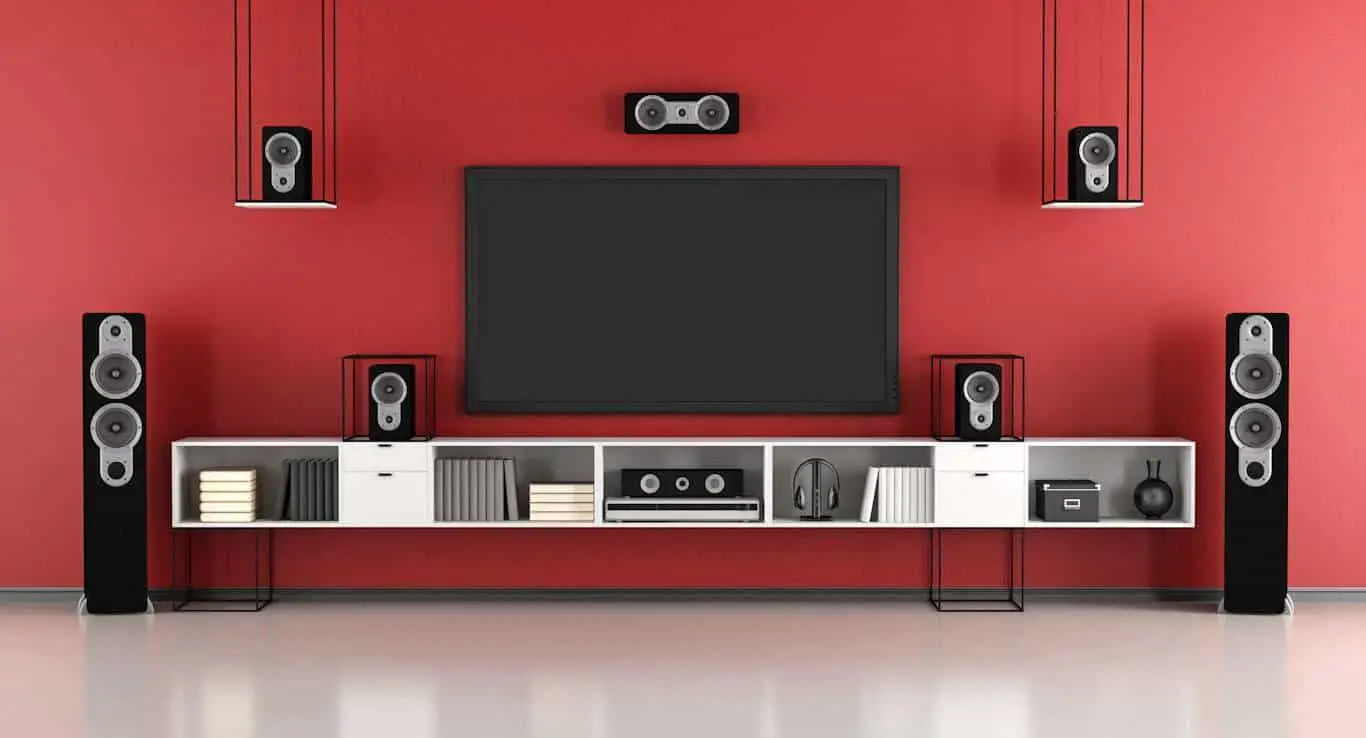
    • The center channel of the surround sound system should be in front of you: the center channel must always be in front of you with your side speakers at about 110-degrees to the side. The speakers should be at a 60-degrees angle from you.

    FAQs

    How Far Should Your Speakers Be From the Turntable?

    Speakers are known for producing vibrations that can affect your listening experience, so you should ensure that they are far apart. Therefore, the distance between the turntable and the speakers should be at least 2 meters.

    Where Can I Place My Speakers?

    Walls reflect sound and vibrations; plus, speakers have a rear-facing bass port. Therefore, the speakers should be at least 3 feet from the walls.

    How High Should Your Speakers Be Off the Floor?

    The best place for the center speakers is at your ear level when seated on the sofa. The right height is usually between 30 and 50 feet from the floor. If you can lift the center speaker, you should tilt it, making sure it fires directly into your ears.

    Conclusion

    There is nothing more relaxing and fun than listening to a vinyl record of your favorite. Unfortunately, any form of vibration can affect the quality of your music, including the speakers’ vibrations. Therefore, the speakers and the turntable should be as far away from each other as possible.

    Sources

    1. Ketan Bharadia, How to get the best sound from your turntable, Accessed January 02, 2022
    2. Jeffrey Lee Puckett, The importance of isolation and how to fix vibration in your turntable setup, Accessed January 02, 2022
    3. RA Pro staff, a guide to troubleshooting turntables, Accessed January 02, 2022
    4. Jason Kennedy, Speaker Placement: A step-by-step guide, Accessed January 02, 2022
    5. Andrew Murphy, How to set up and position your speaker, Accessed January 02, 2022
    6. Tom Davenport, How to position your speakers perfectly, Accessed January 02, 2022
    7. Mac Randall, Seven Fun Places to Put Your Wireless, Accessed January 02, 2022
  • Why Do Record Players Need To Be Grounded? Let’s Find Out

    Why Do Record Players Need To Be Grounded? Let’s Find Out

    Record players have come back into style. What was once a sound of the past is again becoming mainstream as music lovers turn to authentic vinyl experiences for better sound quality. However, using a record player is more involved than turning on a radio or playing a CD.

    Record players without a built-in preamp must be grounded to the amplifier to ensure good sound quality. An ungrounded player causes the listener to hear a loud, unpleasant humming sound. Grounding is essential to redirect unneeded current away from the current loop to avoid overloading your system.

    If you’re just getting into record players and have no background in electrical engineering, the idea of grounding a system may be overwhelming. However, in this article, I’m going to break down what grounding a system means and give you step-by-step instructions on how to do it. I’ll also give you some extra tips along the way, so be sure to read until the end!

    What Happens if You Don’t Ground Your Record Player?

    Why do record players need to be grounded?

    If you don’t ground your record player, you’ll likely hear a hum or other sound distortion in your equipment. This hum is indicative of electronic interference and can ruin the listening experience. 

    If your turntable doesn’t have a built-in preamp, you’ll need to ground your system. Turntables that need to be grounded will typically feature a cable, so it’s easy to tell if you’ll need to ground yours or not. If your player is grounded improperly, you’ll hear a loud humming noise.

    What It Means To Ground Your System

    Electric current is what allows the record player to produce music. However, if the player overloads with current, you can experience some problems; in this case, humming. A grounding wire connects your player to the Earth to minimize these issues.

    Electric current flows through a device in a loop and will travel in the path of least resistance. Because the grounding wire to the Earth has a lower resistance than the current loop, it travels down and away from the loop when the current reaches this grounding wire.

    If this grounding wire weren’t present, this current would stay in the loop and add to the current brought in from the outlet. This compounding of current would eventually cause an overload in the system, causing your record player to hum and could even damage the device.

    To avoid an electrical overload, you want to ensure you have a grounding wire properly installed to direct unneeded current away from your system.

    Not All Record Players Need To Be Grounded

    Though grounding is necessary for some models, not all record players need to be grounded. Budget-friendly turntables tend to come with an internal preamp.

    When an amplifier is built into the system, you no longer need to connect to an external amplifier, eliminating the need for a ground wire. This setup is often used to minimize the potential of the hum.

    An easy way to tell if your player has a built-in preamp is to look at the back of the system. If you see a switch that toggles between “phono” and “line,” this means there’s a preamp built into your player.

    If you’re interested in owning a record player with a built-in preamp, check out these options on Amazon.com:

    How To Ground Your Record Player

    Grounding a record can be slightly intimidating if you’ve never done it before. Here are 6 simple steps to follow when grounding a record player:

    1. Turn the power off. Before adjusting anything electrical, you’ll want to make sure you’ve turned off the power supply to the record player. Doing so will help avoid any unwanted accidents to the system.
    2. Find the grounding wire. This wire is usually located under the turntable and has an unconnected copper spade with a connector. Manufacturers usually color this wire green and cover it with a zip tie under the chassis.
    3. Locate the ground terminal. The ground terminal on your amplifier will likely be on the back of the turntable. It’s typically labeled “ground” to make it easy to spot. From here, you’ll need to disconnect the ground terminal.
    4. Optimize distance. Be sure the grounding wire can reach the ground terminal before continuing.
    5. Connect the wire to the terminal. Once you ensure the wire can reach the terminal, slip the ground wire spade connector onto the grounding terminal, and tighten.
    6. Turn the power on. You can turn the system back on after connecting the wire to the terminal.

    To watch an example of how to ground a turntable, check out this YouTube video from Audio Advice that walks you through grounding a Rega turntable:

    If there isn’t a ground connection on your amp or receiver, you can connect the ground wire directly to the metal box. To do this, loosen a screw on the box and wrap your grounding wire around it. Once the wire is in place, firmly retighten the screw. 

    Another way to do this is to tape the wire directly to the box using the Gaffer Tape (available on Amazon.com). The strong adhesive of this product makes it an excellent option for this method. It also comes in many colors.

    Following these easy steps, you can get your audio system set up in no time!

    Oxidation on Your Fittings Can Cause Troubleshooting Grounding Issues

    If you turn on your system and hear that awful humming sound, you’re likely experiencing a grounding issue. Be sure you have correctly grounded the system using the steps above.

    If you still hear this noise, you may have oxidation on your fittings. In this case, unscrew everything and open your system up. You can use sandpaper or steel wool to scrub the wires clean. You’ll want to make sure they’re bright and shiny. After this deep clean, be sure to screw everything back tightly before repeating the grounding steps above.

    If after following the steps above and you’re still experiencing issues, here are a few things to try if you’re still having problems with the audio:

    • Ensure that your phono switch is in the phono position if your system has a built-in preamp and is connected to an external receiver.
    • Don’t connect to an external amplifier when using the phono input if you don’t have an internal preamp.
    • Ensure your turntable is on a flat surface.
    • Make sure the speakers aren’t on the same surface as the player.
    • Try an isolation pad.
    • Try installing a ground loop isolator.
    • Remove and reseat the stylus.
    • Reseat the headshell.
    • Clean the connectors.
    • Test with different RCA cables.

    Final Thoughts

    Grounding your record player is essential to experiencing the high-quality audio for which vinyl is known. If your system isn’t grounded, you’ll experience a loud humming when you turn on your system.

    Be sure to follow the steps outlined above to ensure your system is properly grounded. And if you’re still experiencing issues, check out the other tips in this article to solve your problems.

  • Popular Vinyl Records: 30 Essential Albums To Own

    Popular Vinyl Records: 30 Essential Albums To Own

    Despite popular belief, vinyl sales have been steadily increasing for years–and with good reason. As many audiophiles and music collectors know, most albums simply sound better on vinyl. If you’re looking to expand your vinyl collection, this list contains several essential must-haves for you to consider. 

    Here are 30 essential popular vinyl records to own: 

    1. Revolver by The Beatles 
    2. Dark Side of the Moon by Pink Floyd 
    3. Rumours by Fleetwood Mac 
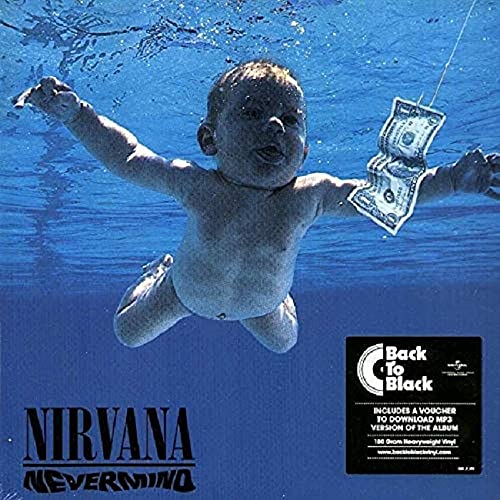
    4. Nevermind by Nirvana 
    5. Unknown Pleasures by Joy Division 
    6. The Queen Is Dead by The Smiths 
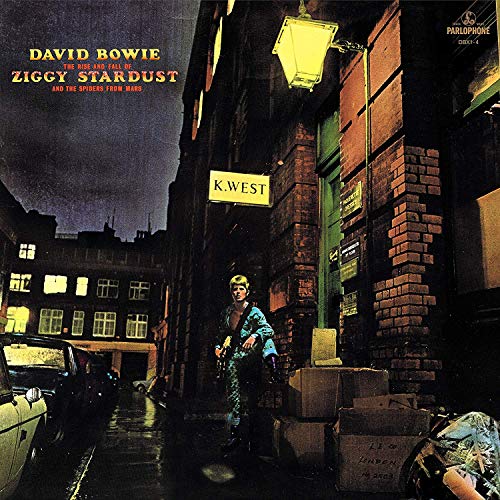
    7. The Rise and Fall of Ziggy Stardust and the Spiders from Mars by David Bowie 
    8. IV by Led Zeppelin 
    9. Blonde on Blonde by Bob Dylan 
    10. Paul’s Boutique by Beastie Boys
    11. Back to Black by Amy Winehouse 
    12. Thriller by Michael Jackson 
    13. Kind of Blue by Miles Davis
    14. Straight Outta Compton by NWA 
    15. Blue by Joni Mitchell 
    16. Sea Change by Beck 
    17. What’s Going On by Marvin Gaye 
    18. Bon Iver by Bon Iver
    19. In the Aeroplane Over the Sea by Neutral Milk Hotel 
    20. Exile on Main St. by The Rolling Stones 
    21. Blonde by Frank Ocean 
    22. Songs in the Key of Life by Stevie Wonder  
    23. Thickfreakness by The Black Keys 
    24. Tapestry by Carole King
    25. Lemonade by Beyonce
    26. The Miseducation of Lauryn Hill by Lauryn Hill   
    27. Jolene by Dolly Parton 
    28. 1989 by Taylor Swift 
    29. Random Access Memories by Daft Punk 
    30. 21 by Adele 

    This is by no means an exhaustive list, as there are thousands of incredible and popular vinyl records to enjoy, but these albums are a great starting point for any music and vinyl lover. So let’s look into why these popular vinyl records are essentials for your music collection. (Note: All suggestions below can be purchased on Amazon.com)

    1. Revolver by the Beatles 

    The Fab Four were at their prime when they made Revolver, and it certainly shows. The vinyl version has been enhanced and therefore brings out details you may not notice in other versions of the album. The sound you hear reflects the mastery of studio techniques that The Beatles accomplished this time. Additionally, the string octet featured in “Eleanor Rigby” sounds superior on vinyl.  

    Revolver

    2. Dark Side of the Moon by Pink Floyd 

    Pink Floyd’s Dark Side of the Moon is a classic rock essential and has one of the most iconic album covers of all time. There are pros and cons to both the U.K. and U.S. vinyl pressings, so you should choose whichever version you can get for a more reasonable price. 

    The vinyl version of this album presents all the instruments and sound elements with realism and detail due to the deeper soundstage. Additionally, flipping the record over after “The Great Gig in the Sky” is a great opportunity to reflect on the first half of the album, which is a moment you’d miss out on if just streaming the album or listening to the CD. 

    Dark Side of the Moon

    3. Rumours by Fleetwood Mac 

    Rumours is the fifth-best selling record of all time due to its universal themes of heartbreak and pain and its catchy melodies and incredible harmonies. These harmonies sound better and more human on vinyl, especially in the track “Never Going Back Again.” The guitar picking in this song is also clearer on the vinyl version. 

    The layered vocals of Stevie Nicks, Christine McVie, and Lindsey Buckingham sound more delicate and nuanced, and the instrumentals are louder on record, making vinyl the best way to listen to one of the best albums of all time. 

    Rumours (Vinyl 33 & 1/3 RPM)

    4. Nevermind by Nirvana 

    Nirvana’s Nevermind is one of the best-selling albums of all time, and for good reason. Even if you’re not a huge grunge and alternative rock fan, there’s something about this classic album cover in full size that’s sure to appeal to any music collector. 

    This is an ideal vinyl because it’s split into two sides: the first side contains mainstream songs you’ve likely heard before, whereas the second side is more introverted and unknown. Having to switch from side one to side two makes for an interesting and thought-provoking listening experience that modern media can’t replicate. 

    Nevermind

    5. Unknown Pleasures by Joy Division 

    One of the draws to owning this title on vinyl is its iconic radio waves cover. Some special edition versions even have an embossed texture to it. But beyond the aesthetics of owning this record, the music itself has been extremely influential within the post-punk genre and modern rock today. Indeed, the angst and heartbreak in Ian Cutis’ vocals are ultimately heard best on vinyl. 

    Unknown Pleasures

    6. The Queen Is Dead by The Smiths 

    Listening to The Queen Is Dead on any modern technology just seems wrong, as the Smiths pay homage to 1980s England on this album. As an added bonus to the amazing music, the sleeve features the lyrics that highlight Morrissey and Marr’s incredible songwriting, so you can sing along as the vinyl turns on the record player. 

    You’ll want to read along, too, as The Smiths incorporate some humor and political commentary into this album alongside their typical gloom and melancholy. The opening track even invites listeners to picture Prince Charles in drag. 

    Queen Is Dead

    7. The Rise and Fall of Ziggy Stardust and the Spiders from Mars by David Bowie 

    David Bowie’s fifth album, based on the fictional character Ziggy Stardust, is theatricality appreciated best on vinyl. 

    Side one has Ziggy warning listeners of destruction but holding out for redemption; On side two, Ziggy embodies the modern rock idol who gets destroyed by his success. The two sides of the record suit the “Act One ” and “Act Two ” storytelling of the album, and the orchestration and heavy-metal guitar playing sound better on analog. Any Bowie album is great on vinyl, but if collectors have to choose one, Ziggy is the way to go. 

    The Rise and Fall of Ziggy Stardust and the Spiders from Mars (2012 Remaster)

    8. IV by Led Zeppelin 

    Led Zeppelin’s fourth album is often considered their best, and it’s easy to see why: the LP opens with “Black Dog” and closes with “Stairway to Heaven,” which is seven and half minutes of rock perfection. This record emphasizes acoustic music more than their previous albums, which sounds more authentic on vinyl, and the cover is beautiful in its full-size version. If you’re a classic rock fan, this album is an absolute must to own in your collection. 

    Led Zeppelin IV (Remastered Original Vinyl)

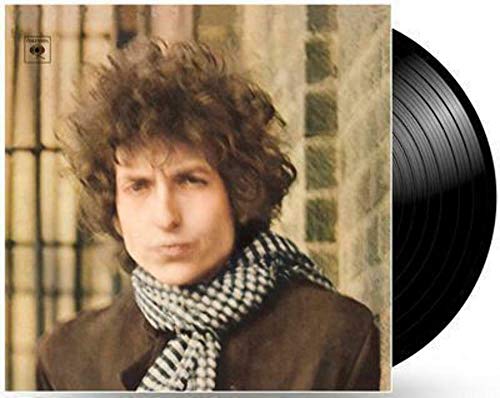
    9. Blonde on Blonde by Bob Dylan 

    Bob Dylan’s sound lends itself to the vinyl format, but if you’re only going to add one album to your collection, Blonde on Blonde is the way to go. It’s a great record from start to finish, but a clear standout is “Sad Eyed Lady of the Lowlands,” which was done in just one take at 4:00 am, and all eleven minutes of it sound best on a clean cut of vinyl. Furthermore, the drums and tambourines featured on the album sound more lifelike, and the brass instruments are more focused on the disc format. Voices are talking behind Dylan throughout “Rainy Day Women #12 & 35” that are easier to hear on vinyl. And if all that isn’t enough reason to add this record to your collection, it also has a fold-out sleeve that features a portrait of Dylan. 

    Blonde On Blonde

    10. Paul’s Boutique by Beastie Boys 

    Paul’s Boutique, the Beastie Boys’ follow-up to their first album, Licensed to Ill, is one of the best hip-hop albums ever made. And truly, the vinyl version is the record at its best. The sleeve photo has a fold-out cover, and the sound is remastered on the vinyl version, so it looks and sounds better than ever. Furthermore, Paul’s Boutique is a landmark in sampling and reinvented a group that seemed gimmicky after their debut. 

    Paul's Boutique [2 LP]

    11. Back to Black by Amy Winehouse 

    Back to Black’s jazzy inspiration and sound lends itself to a vinyl format. Not to mention. Winehouse’s deep, sorrowful croon sounds amazing this way. The blend of 1960’s girl groups soul and contemporary R&B is unique and produced well on the album. Her second and final album, Back to Black is considered Winehouse’s legacy

    Back To Black - Exclusive Limited Edition Pink Vinyl LP

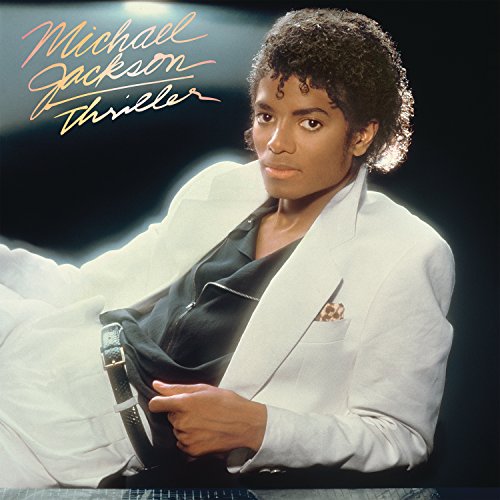
    12. Thriller by Michael Jackson 

    With songs like “Thriller,” “Billie Jean,” and “Beat It,” there’s little debate over whether or not this is an essential album to own on vinyl. It’s the greatest selling album of all time, and the iconic beats and the King of Pop’s voice sound incredible on disc. Play this at your next party or gathering and you’ll have your guests dancing in no time. 

    Thriller

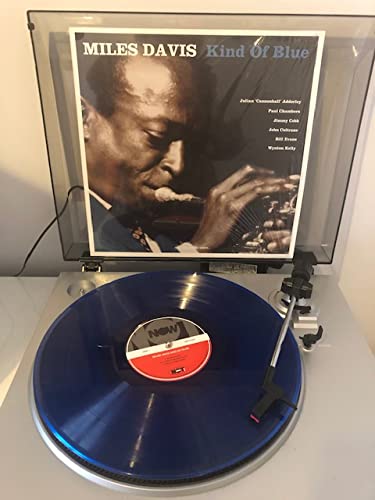
    13. Kind of Blue by Miles Davis 

    If not in person, jazz music is made to be listened to on vinyl, and Miles Davis’ Kind of Blue is one of the better choices you could make. The best-selling jazz album of all time, this record blends jazz, rock, and classical music and has collaborations with John Coltrane and Cannonball Adderley. The Library of Congress even preserves it in the National Recording Registry. Musicians were all given basic outlines of the songs, but Davis ultimately captured the spontaneity considered the heart of jazz–the kind of spontaneity best listened to on vinyl. 

    Kind of Blue (Blue Vinyl)

    Kind of Blue (Blue Vinyl)

    14. Straight Outta Compton by NWA

    If you’re trying to have a well-rounded vinyl collection, Straight Outta Compton–AKA the pioneering album of Gangsta Rap and bulldozer for future rappers–is a must for your record shelves. The album lashed against the system, especially the song “F*ck Tha Police,” and ultimately reshaped the hip-hop genre. The action, anger, as well as its moments of tenderness, are best experienced on vinyl. 

    Straight Outta Compton [LP][Remastered][Explicit]

    15. Blue by Joni Mitchell 

    There’s a sentimentality that comes with taking a vinyl record off the shelf and spinning it, and Joni Mitchell’s Blue is the perfect album to experience this. There’s not a dishonest note in her vocals, and Mitchell lets listeners in on all her heartbreak and secrets with her melancholy tone and diary-entry songwriting. Blue feels like poetry, which is best heard on vinyl. 

    BLUE [Vinyl]

    16. Sea Change by Beck 

    Sea Change is a great breakup album–and breakup albums belong on vinyl. Written after splitting with his fiancee after nine years of being together, this album has heartbreaking lyrics and a lush sound that, when listened to on vinyl, almost sounds like Beck’s in the room with you. Additionally, the string arrangements on “Paper Tiger,” “Glass Onion,” and “Lonesome Tears” work better on disc due to the depth of sound the format allows. 

    Sea Change [2 LP]

    17. What’s Going On by Marvin Gaye 

    Music fans and critics largely consider this record as one of the best albums of all time, so you would be remiss not to have it in your vinyl collection. It’s considered the perfect record to put on while you lounge-about on a Sunday morning, but it’s so much more than just an “easy listening” album. In What’s Going On, Gaye focuses his groovy tunes on serious political issues, mainly the Vietnam War. The sound is particularly high quality since it came out when vinyl was in its heyday. It was mastered for vinyl by people who had been doing it for their entire lives, which makes for a smooth listening experience. Note: You can buy the 50th-anniversary version of this album on Amazon, but you might be able to find an older version at a thrift store or used record store. 

    What's Going On [50th Anniversary 2 LP]

    18. Bon Iver by Bon Iver 

    You’ll want this self-titled album in your vinyl collection, even just for the full-size version of the gorgeous cover art, which is a painting by Gregory Euclide. The chamber-pop style of Justin Vernon’s sophomore album sounds best on vinyl, as he uses arrangement and dynamics delicately and purposefully. Most notably, the way the song “Perth” builds from total silence to a surprising crash of sound is best experienced on vinyl, as is the bicycle bell that rings in the song “Michicant.” 

    Bon Iver

    19. In the Aeroplane Over the Sea by Neutral Milk Hotel 

    There’s a reason this album continues to rank among the top sellers in vinyl, even as we move further and further away from its 1998 release date. The indie rock band uses organ, accordion, brass, and pipes for a dreamy, unique sound, and the music addresses trauma, shame, and joy. Jeff Mangum stated in an interview that the album was inspired by Anne Frank’s The Diary of a Young Girl, but the perspective spans centuries. The vinyl is a cult classic, one that has a well-deserved place in any record collection. 

    In The Aeroplane Over The Sea

    20. Exile on Main St. by The Rolling Stones 

    Any album by the Stones has a place in a record collection, but Exile on Main St. is the best choice, as it’s grown to become the Rolling Stones’ most universally acclaimed record. Written and recorded in the basement of a villa in France, the album has every rock and roll theme you can ask for: rebellion, drugs, and love. The band was in its most fractured state at this point, but you’d never know based on this killer album. This vinyl is priced higher than other Stones’ titles, but it’s well worth the extra dough for any true rock and roll fan. 

    Exile On Main Street [2 LP]

    21. Blonde by Frank Ocean 

    Blonde is Frank Ocean at his storytelling best and is much more minimalist than Channel Orange, making for a unique and reflective record-listening experience. 

    The songs are intimate, and listening to a record is intimate and physical in a way streaming albums isn’t, as you have to physically remove the disc from its sleeve, set it up on your player, and be close to it to hear. Blonde is sorrowful and nostalgic, and you’ll find yourself lost in the music when you listen to this masterpiece on vinyl. 

    Songs in the Key of Life is two LPs plus another four-song EP considered to be Wonder’s magnum opus. It’s a multi-genre experience that displays a reel of life experiences. The variety of sounds found throughout the album include gospel highs, string instruments, and a baby’s cries. And you’d be missing out if you listened to this album in any other media, as these sounds are heard best on vinyl. 

    22. Songs in the Key of Life by Stevie Wonder 

    Songs in the Key of Life is two LPs plus another four-song EP considered to be Wonder’s magnum opus. It’s a multi-genre experience that displays a reel of life experiences. The variety of sounds found throughout the album include gospel highs, string instruments, and a baby’s cries. And you’d be missing out if you listened to this album in any other media, as these sounds are heard best on vinyl. 

    Songs in the Key of Life

    23. Thickfreakness by The Black Keys 

    Thickfreakness by The Black Keys was recorded in a nonstop 14-hour session using old analog recording equipment in drummer Patrick Carney’s basement. The result was an album full of unique details that are best heard on vinyl. The garage-rock blues album features the Akron duo stripped to their core, and Dan Auerbach’s voice has never sounded better. 

    Thickfreakness [Vinyl]

    24. Tapestry by Carole King 

    Carole King’s lyricism is conversational and uncluttered, and the album itself is intimate, as it sounds like the demos she recorded while writing songs for other artists. Her voice breaks add a layer of authenticity, and her songwriting is simple but not overly sentimental. Listening to this record on a lazy afternoon will make it feel like King is playing the piano and singing in the room with you, and who wouldn’t want that? 

    Tapestry

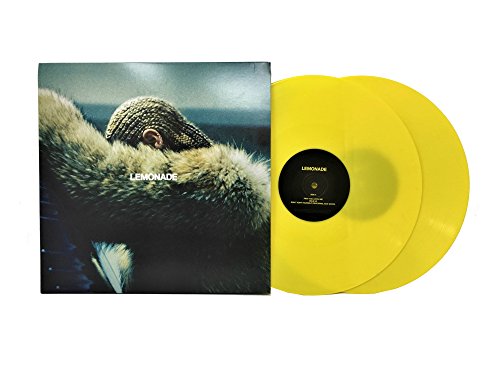
    25. Lemonade by Beyonce 

    Lemonade is a visual album, but there’s something to say about just experiencing it auditorily. The songwriting has cinematic scenes on their own, so you can imagine the characters (namely, Beyonce and her cheating husband, Jay-Z) living them on their own, without any accompanying visuals. The album’s first half features mostly rage songs about infidelity, with the latter half focusing on her refusal to give up on her marriage, despite the cheating. This clear side A and side B distinction makes the vinyl listening experience particularly interesting. 

    Lemonade (Limited Edition Yellow Colored Double LP)

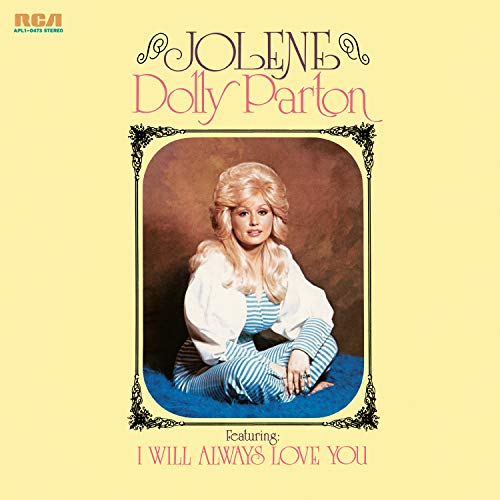
    27. Jolene by Dolly Parton 

    You already know “Jolene” and “I Will Always Love You,” but this album also has other incredible songs, including “Randy,” “Lonely Comin’ Down,” and “River of Happiness.” The blend of country, folk, gospel, and pop sounds best on disc, so pick up your copy today. 

    Jolene


    28. 1989 by Taylor Swift 

    One of the most iconic records by one of the most iconic women in the country, this album is a must-have on vinyl. At this point, Parton had severed ties with her musical partner Porter Wagoner and was moving on to her solo career; Jolene was the incredible result. Out of all Swift’s albums, 1989 has the most vinyl-ready cover art and its songs, which largely tell the story of an on-again, off-again romance, are great to play on your record player and dance around your living room, particularly the synth-pop track “Style.” Be sure to get a deluxe version so you don’t miss out on “New Romantics,” which features synth and drums that sound great on the vinyl format. 

    1989 [2 LP]

    29. Random Access Memories by Daft Punk 

    The French duo put a lot of effort and production into their fourth album, even flying out musicians like Nile Rodgers, Panda Bear, and Pharell from worldwide to perform live instrumentation. This is a shockingly analog approach for an electronic album that pays off. These grooves feature every sound vinyl is meant to capture, so this is one not to miss. 

    Random Access Memories

    30. 21 by Adele 

    Adele’s gritty, growled voice is made to be heard on vinyl, especially when it’s accompanied by jazzy piano, as it so often is, so you can’t go wrong with any albums from Adele’s discography. However, Adele’s signature heartbreak album 21 features timeless and gorgeous tracks, and it deserves a place on any music collector’s vinyl shelf. 

    21

    Sources 

  • The 7 Best Turntables Under $500

    The 7 Best Turntables Under $500

    There is nothing more nostalgic than popping a vinyl into a turntable and allowing the music to take you back in time – back to memories of your grandparents and their favorite records playing in the background while you play a board game. Thankfully, we’ve found some affordable modern turntables to help you unlock those memories without breaking your bank. 

    The best turntable for under $500 is the Fluance RT85. This turntable has the Ortofon 2M Blue, which provides excellent sound. It also comes with an Acrylic Platter that’s heavy and dense, contributing to a more consistent speed and reducing vibration. The Fluance RT85 is well designed and superb. 

    In this article, I’ll walk you through the difference between a turntable and a record player. We’ll also chat about what to look out for and expect from one priced at under $500. We’ll also discuss each of these affordable turntables, along with their pros and cons.

    Turntables vs. Record Players

    A turntable and record player are pretty much the same thing; however, a few differences set them apart.

    A turntable makes up a record player. It’s the part of the record player that spins and holds the record. A turntable in itself has a plinth, platter, tonearm, motor, stylus, cartridge, and sometimes a preamp. A pure turntable doesn’t have speakers or an amplifier, but it does have the ports for you to connect external components to it. 

    Most vinyl record enthusiasts prefer a turntable to a record player because it’s customizable, and you can add high-quality components to it. 

    A record player is a convenient all-in-one audio system. It doesn’t need external components to be added to it because it’s already got everything it needs, from the turntable to its built-in speakers. A record player also has many more features than a turntable and can read various audio files, not just the vinyl records.

    Record players aren’t customizable like pure turntables are, and the components used in them aren’t typically as high of a quality as the external component that you’d plug into your turntable. They’re also bigger, heavier, and less portable than turntables.

    Turntables aren’t superior or inferior to record players. They both have their pros and cons and appeal differently to different people. What you intend to use your turntable or record player for will determine which is best for you. 

    What To Look Out for When Buying a Turntable

    Although turntables under $500 are still considered “budget” turntables, there are a few key questions that you need to ask yourself when making your buying decision.

    Replacing the Parts

    If you buy a turntable that has a stylus with a needle that can’t be replaced, your whole turntable will no longer be operational when it wears, breaks or bends. You’re also stuck with that same needle when newer ones are released, and you won’t be able to upgrade your turntable. Not all turntables on the lower price allow you to replace the parts, but lookout for the ones that do because it’ll benefit you in the long run and keep your turntable operational for years to come.

    Speed Options

    If you get a turntable that only has a one speed option, you’re going to be limited with your records and won’t get the correct sound that you desire. Lookout for turntables with more than one speed option because your records are made to be played at different speeds.

    High Quality Components 

    If you’re going to buy a turntable for under $500, you will not get the highest quality, but that doesn’t mean you should settle for the worst either. Playing a turntable made up of poor components will affect the sound quality, and you’ll hear buzzing, crackling, and distortion. You may even end up with damaged vinyl. The Ortofon 2M Blue elliptical cartridge is an excellent quality component that you can find in this price range.

    Are Turntables Under $500 Worth It?

    Turntables under $500 are worth it. Depending on where your budget falls, turntables under $500 perform well, produce a beautiful and rich sound, and will be enjoyed by vinyl record enthusiasts starting out in this hobby.

    I would not recommend spending less than $200 on a turntable because turntables found in that price range typically produce poor sound, are made up of poor quality components, fail quickly, and can damage your vinyl records.

    7 Best Turntables Under $500

    The Fluance RT85 is well-loved, popular, and value for money, but it won’t meet the needs of every person. You can find all the products I’ve listed in this article on Amazon.com.

    • If you’re looking for a more affordable Fluance turntable, the Fluance RT81 will suit your budget just fine.
    • If you’re looking for a less traditional turntable, the Electrohome Kingston 7-in-1 has many features to enjoy.
    • If you’re looking for a traditional turntable design, the Sony PS-LX310BT boasts a stunning one.
    • If you’re looking for a turntable for DJing purposes, the Yamaha TT-S303 is the best option.
    • For a fantastic sound worth more than its price tag is the Pro-Ject T1 turntable. 
    • The Music Hall MMF-1.5 Turntable allows you to change and replace various pieces so that you can upgrade your turntable without having to buy a brand new one.
    • For something completely different from the other turntables on this list is the Denon DP-400.

    Fluance RT85

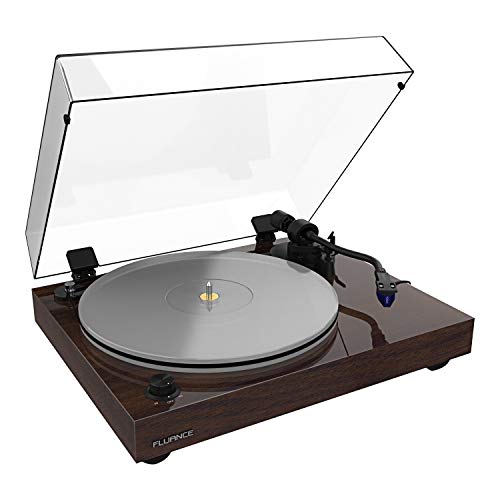
    The Fluance RT85 from Amazon.com is one of the best turntables on this list. If you’re looking for a beautiful turntable to match the aesthetics of your well-designed house, look no further because the Fluance RT85 is stunning. Plus, you have a variety of color options to choose from to best suit you!

    Fluance RT85 Reference High Fidelity Vinyl Turntable Record Player with Ortofon 2M Blue Cartridge, Acrylic Platter, Speed Control Motor, Solid Wood Plinth, Vibration Isolation Feet - Walnut

    Two key draw points to this turntable are that it comes with an Ortofon 2M Blue elliptical cartridge and an Acrylic Platter. The Ortofon 2M Blue is a great quality piece that adds to the resolution and dynamics of the sound produced. You can expect a warm, natural, and rich sound from this Fluance RT85 turntable.

    The Acrylic Platter is denser than the MDF, weighing around 3 pounds (1.36 kg). This heavier density and weight results in a better speed consistency, producing a clean and detailed sound without vibrations. Thanks to the Acrylic platter, a turntable mat isn’t necessary.

    For more on the benefits of the Acrylic platter, check out this YouTube video:

    Another factor that reduces vibration is the three adjustable rubber feet under the turntable. The S-shaped tonearm and belt motor feel good and are solid.  

    The auto-stop on this turntable is a useful option. You can choose to use this feature or not, thanks to the switch on the back. One thing that is missing from this wonderful model is a preamp.

    Setting up your Fluance RT85 will be a breeze if you follow the instructions provided. Make sure to use the gloves that accompany your turntable so that you don’t leave fingerprints all over it when you set it up.

    The Fluance RT85 will have you questioning if you have a live band playing right in your home!

    Pros

    • Beautiful aesthetic design
    • A range of colors are available
    • Ortofon 2M Blue
    • Acrylic Platter
    • A turntable mat isn’t necessary
    • Adjustable rubber feet to absorb vibration
    • Great quality
    • Auto-stop option
    • Easy to set up
    • Comes with gloves

    Cons

    • It doesn’t have a preamp

    Fluance RT81

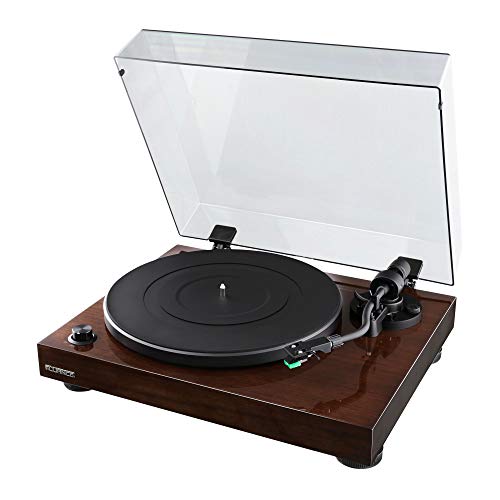
    Another excellent but more affordable turntable is the Fluance RT81 from Amazon.com. This model is from the same brand as our previous turntable but doesn’t have some factors that made it rank as our best turntable. However, for the price and what it has to offer, the RT81 is impressive.

    Fluance RT81 Elite High Fidelity Vinyl Turntable Record Player with Audio Technica AT95E Cartridge, Belt Drive, Built-in Preamp, Adjustable Counterweight, Solid Wood Plinth - Walnut

    Unlike the RT85, the RT81 has a good-sounding built-in preamp. This semi-automatic turntable stops turning the record when it has completed the side. 

    Not only does this Fluance RT81 look fantastic, but the tonearm is excellent, the Audio Technica AT95E is clear, it comes with a high-quality rubber mat, and the base is solid and heavy. The wooden materials and the isolation feet absorb the vibrations.

    The Fluance RT81 has an aluminum platter and S-type tonearm, resulting in a lovely clear and precise analog sound to bring back all your nostalgia. 

    The setup of this turntable is quick and simple, and you’ll be able to do it in a few minutes if you follow the video guide on their YouTube page.

    An issue with the Fluance RT81 is that the speed isn’t consistent as I’d like it to be, and this is another area where the Fluance RT85 comes in first with its consistent and stable speed. 

    The RT81’s speed fluctuates and slightly distorted when playing orchestral pieces. Most people probably wouldn’t be too bothered by it, but it does distract me. Another issue is the inconvenience placement of the RPM adjuster. It’s underneath the turntable, making it hard to access with ease.

    Pros

    • Affordable 
    • Built-in preamp
    • Fantastic design
    • High-quality
    • Solid wood
    • Clear and precise analog sound
    • Easy setup

    Cons

    • Inconsistent speed
    • Inconvenient placement of the RPM adjuster

    Electrohome Kingston 7-in-1

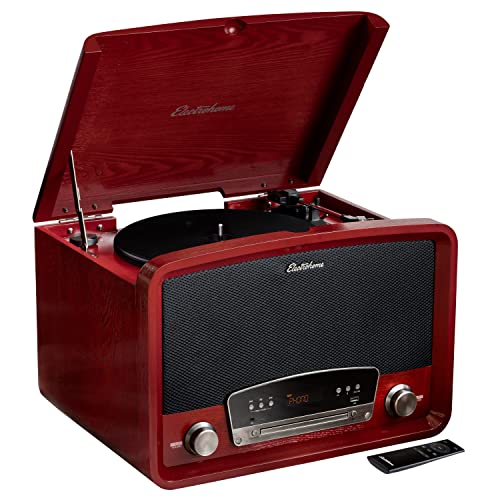
    Another “budget-friendly” category turntable is the Electrohome Kingston 7-in-1 from Amazon.com. Not only is it one of the more affordable options on our list, but it’s ready to impress with its versatility.

    Electrohome Kingston 7-in-1 Vintage Vinyl Record Player Stereo System with 3-Speed Turntable, Bluetooth, AM/FM Radio, CD, Aux in, RCA/Headphone Out, Vinyl/CD to MP3 Recording & USB Playback (RR75C)

    The Kingston 7-in-1 is a turntable that beautifully plays vinyl records, has an AM/FM radio, and can play CDs. Thanks to its Bluetooth option, you can connect your phone to the turntable and play your music through it, transforming it into a Bluetooth speaker. 

    The turntable also features both AUX-in and USB, and although it has four high-quality built-in speakers, it has RCA outs, allowing you to plug in your stereo system for an even better sound.

    Although already quite impressive, this turntable also boasts a stunning vintage, retro design. It’s well built and has a real wood veneer cabinet. It’s heavy, has a plastic platter and a sapphire needle, and produces a warm, analog sound. It also has EQ options.

    With this Electrohome Kingston 7-in-1 able to play so many different audio files, I’m disappointed that it doesn’t have a cassette player. 

    Pros

    • Well-priced
    • Versatile
    • Four built-in speakers
    • Stunning design
    • Well built
    • EQ options

    Cons

    • No cassette player

    Sony PS-LX310BT

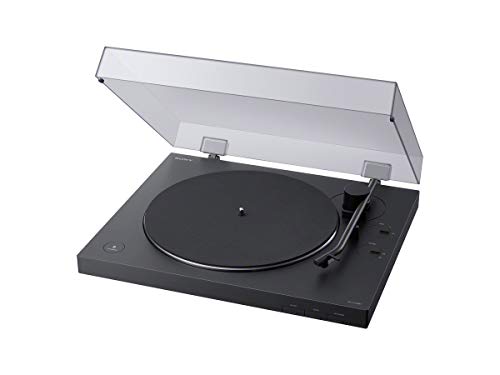
    If you’re all about connectivity and flexibility, the Sony PS-LX310BT is a turntable you’re going to enjoy! The PS-LX310BT is a fully automatic, quality Bluetooth turntable that has been made to last and is worth every penny!

    Sony PS-LX310BT Belt Drive Turntable: Fully Automatic Wireless Vinyl Record Player with Bluetooth and USB Output Black

    The platter of the Sony PS-LX310BT is aluminum, along with the tonearm. It comes with a polyester mat and a nice dust cover. The rest of the turntable is mostly made from plastic, which isn’t great. The speed is pretty consistent, and the sound is decent.

    I love this turntable because you have control over almost every aspect of it. You’re able to change or replace both the cartridge and the stylus. There are also two speed options (33 1/3 rpm and 45 rpm) that you can choose from. All you have to do is move the switch to the speed you want, and you’ve got it. 

    This turntable has a built-in preamp, although you can choose to turn it off and use your external amplifier instead. You can even choose the volume for the built-in preamp. There are three options available – low, medium, and high.

    The connectivity options are where this turntable outshines many of its other low/mid-range competitors. Thanks to its USB options, you’re able to connect to your computer and rip the vinyl records onto it.

    Thanks to its Bluetooth option, you’re able to connect your wireless headphones or soundbar. And with the RCA cable, you can directly connect your turntable to your stereo system.

    Pros

    • Various connection options
    • Flexible
    • Fully automatic
    • Two speed options
    • Built-in preamp
    • Volume choices

    Cons

    • A lot of the turntable is made from plastic which isn’t great for combatting vibration

    Yamaha TT-S303

    A popular turntable is the Yamaha TT-S303. Yamaha is known to make great-quality equipment that produces excellent sound, and this turntable is no exception. 

    Yamaha TT-S303 Hi-Fi Vinyl Belt Drive Turntable – Piano Black

    Although this turntable is on the higher side of our “under $500” list, it looks and sounds exceptional and is worth the money!

    The Yamaha TT-S303 has a clean, elegant look, an aluminum platter, a built-in phono preamp, and it produces detailed, deep, and lifelike sound. 

    You don’t have to tiptoe around this turntable, thanks to its isolating feet. The belt drive, located underneath the turntable, also reduces vibrations. Unless you’re deliberately jumping in front of the turntable, the stylus won’t be affected by movement and will play smoothly.

    The Yamaha TT-S303 is a manual turntable, which means that you’ll have to lift the tonearm and move it to its cradle once the record has finished playing. It’s a wired turntable and doesn’t have Bluetooth or USB.

    The setup is fairly easy except for the tonearm balancing. However, there are YouTube videos to guide you through the process.

    Pros

    • Clean, elegant look
    • Built-in phono preamp
    • Detailed, deep, and lifelike sound
    • Isolating feet
    • Pure, manual turntable

    Cons

    • The setup of the tonearm balance is tricky

    Pro-Ject T1

    I’m in love with the Pro-Ject T1 turntable just from the way it looks. It boasts a clean and minimalist look that will stand out in any room of your house or studio. It doesn’t only look amazing, but it’s also plastic-free, which is better for the environment and better for sound.

    Pro-Ject T1 Turntable (Satin Walnut)

    The Pro-Ject T1 Turntable sounds like it should be more pricey than it is. It has a full-bodied sound that is natural and warm. The model has no hollow spaces, which decreases vibration. Another piece that contributes to the lack of unwanted vibration is the heavy glass platter.

    The tonearm on this turntable is made from aluminum, and it has the OM 5E Moving Magnet cartridge. It also has an excellent elliptical diamond stylus tip. Unfortunately, this model’s tonearm isn’t height-adjustable, so you’re not going to be able to change out your cartridge.

    The tonearm and cartridge come already set up. You just need to place the platter onto your turntable. This easy setup is ideal for those who hate the construction process or are just starting out.

    There are three different Pro-Ject models in this line, with different prices. The T1 doesn’t have a phono preamp, but the more expensive model does. Unfortunately, the T1 doesn’t have speed control either. If you need to adjust the speed, you’ll have to remove the platter and adjust the belt’s height. This is both frustrating and inconvenient.

    All of the Pro-Ject T1 models are handmade and well built.

    Pros

    • Clean and minimalistic design
    • Plastic-free
    • No hollow spaces
    • No vibrations
    • Full-bodied, warm, and natural sound
    • It comes already set up
    • Handmade and well built

    Cons

    • No speed control
    • The tonearm isn’t height adjustable
    • No built-in phono preamp

    Music Hall MMF-1.5 Turntable

    A very affordable and user-friendly turntable is the Music Hall MMF-1.5 Turntable. It’s a beautiful turntable that has a classic style. 

    Music Hall MMF-1.5 Turntable

    Although this turntable only has one color option on Amazon.com, the real cherry wood veneer stands out as a statement piece. The tonearm is aluminum. The S-shaped tonearm aids in tracking that is accurate and smooth. It also has a tonearm lift lever.

    The Music Hall MMF-1.5 Turntable has a Music Hall Melody Moving Magnet cartridge that is easy to replace. Being able to replace components of your turntable is necessary to keep it running for years to come and to upgrade your turntable without having to buy a whole new one. I recommend upgrading the stylus on this turntable because it’s quite basic. You may appreciate an elliptical stylus more.

    The platter is aluminum, and it has a thick turntable mat to go on top of it to decrease vibration. The vibration dampening feet also help with this.

    You can plug your turntable in and play it without extra bits and pieces because it comes with a built-in phono preamp. However, it doesn’t have the best preamp, and you may benefit more by using an external preamp instead.

    I’m happy to tell you that this turntable has three different speed options – the 33 ⅓, 45, and 78 RPM. 

    The Music Hall MMF-1.5 Turntable is not automatic and doesn’t have AUX, but it does have RCA ports. It also doesn’t have a USB output, so you won’t be able to convert your vinyl records to MP3 files.

    The turntable comes with a dust cover for protection and is made of excellent quality.

    Pros

    • User-friendly
    • Tonearm lift lever
    • Built-in phono preamp
    • Three speed options
    • RCA ports
    • Dust cover

    Cons

    • Poor preamp
    • No Aux or USB

    Denon DP-400

    For something a little more unique, we’ve added in the Denon DP-400. Although it hits the high end of our price range, we thought it was worth mentioning.

    Denon DP-400 Semi-Automatic Analog Turntable with Speed Auto Sensor | Specially Designed Curved Tonearm | Supports 33 1/3, 45, 78 RPM (Vintage) Speeds | Modern Looks, Superior Audio

    Thanks to the dust cover, this turntable has a whole different look when compared to other turntables. The dust cover can come off and can even be used as a vinyl record cover stand so that everyone who comes into the room will know which band or musician is playing on the record. 

    Thankfully, the good features don’t stop there. The sound produced by this turntable is high-end, warm, and sophisticated. There are three speed settings to use, giving you freedom with your vinyl records. The speed is consistent.

    Denon DP-400 Semi-Automatic Analog Turntable with Speed Auto Sensor | Specially Designed Curved Tonearm | Supports 33 1/3, 45, 78 RPM (Vintage) Speeds | Modern Looks, Superior Audio

    The Denon DP-400 comes in black or white and has an S-shaped tonearm that enhances its sound. It also has a built-in phono equalizer. This turntable is sturdy and durable, and it can be seen throughout, right down to the knobs.

    The turntable is semi-automatic and has an auto-stop feature. It’s easy to set up and a well-rounded user-friendly turntable. The only issue that may bother some people is that it’s pretty heavy. Weight is great for stabilization; however, it makes moving the turntable around difficult. 

    Pros

    • Unique design
    • Dust cover can be used as a vinyl record cover stand
    • High-end sound quality
    • Durable
    • Various speed settings
    • S-shaped tonearm
    • Built-in phono equalizer
    • Auto-stop feature
    • User-friendly

    Cons

    • Weight makes moving the turntable difficult

    Key Takeaways

    Although many of the turntables on this list are excellent for the price range, the Fluance RT85 still comes out on top. The Ortofon 2M Blue cartridge and Acrylic Platter are two factors that stand out with this model, as well as its superb design.

    You have a range of colors to choose from, and you don’t even need a turntable mat. It has a convenient auto-stop option and boasts great quality. The gloves that come with, to avoid leaving fingerprints on your new turntable, are another nice touch.

  • Are Portable Record Players Bad for Records?

    Are Portable Record Players Bad for Records?

    With the revival of the vinyl industry over the last few decades, there has been a sudden influx of sellers offering a wide array of alternatives for record players. Although this process has brought on some excellent, high-quality turntables enthusiasts can purchase for a much more affordable price, there has been a resurgence of cheaply-made options as well. Portable record players are now more accessible, but are they bad for records?

    Most portable record players are bad for records. They feature low-quality styluses with a very limited lifespan and can damage your vinyl pieces. Although there are some higher-quality options, beginners should err on the side of safety and skip them altogether.

    Although there are tweaks and tricks you can use to optimize the performance of these cheaply-made turntables, more often than not, it’s not worth the trouble. Read on to explore the article — are portable record players bad for records — and learn why most portable turntables can damage your records and how to choose a record player if you’re a beginner.

    Why Are Portable Record Players Bad for Records?

    The extent to which a portable turntable can damage your vinyl pieces depends on various components such as brand, material quality, design, etc. Therefore, although you can find some higher-quality options on the market, a standard portable record player won’t be ideal for your records’ longevity.

    Portable record players are bad for records because they’re usually made of lower-quality materials. Furthermore, their unique design makes their shape unideal for your average record, with incompatibilities in both size and functionality.  

    Portable Record Players Usually Have Low-Quality Stylus

    Given that the needle is a component that comes in constant direct contact with your discs, its material and design are essential for the maintenance and longevity of your piece.  

    Usually, the golden standard when it comes to stylus construction is to use a diamond or sapphire tip. Portable options tend to run on the cheaper side, meaning that you can’t expect premium materials being used on any component, stylus included. More affordable, less durable needles will wear out as time goes by and can cause significant damage as the vinyl moves around due to excessive friction. 

    Styluses found on some of the worst-quality turntables can last as little as 40 hours, meaning after a certain amount of time, you run the risk of the needle causing irreparable scratches and marks to your records.

    The worst part is, you most likely won’t be able to notice any sign of damage until it’s too late, as most scratches won’t be immediately visible. Therefore, if you think you can use a cheaper option for a limited time and change the stylus when you spot signs of damage, keep in mind that you likely won’t be able to efficiently figure out the exact time when the stylus becomes unusable. 

    If you already own a portable turntable and want to improve its quality and longevity, a great strategy to try out is to replace the stylus with a high-quality alternative. Replacing the needle is a pretty straightforward process that can make the biggest difference in the quality of your records.  

    The Platters of the Portable Record Players Are Small

    Portable record players are made with convenience and movability in mind. Given that this quality is their whole selling point, they often tend to be smaller and lighter compared to their traditional counterparts. But this ease of movement isn’t always as much of an advantage as manufacturers make it out to be.

    Most records are sized based on a conventional turntable, meaning when using a smaller alternative, the piece will most likely hang off the side, causing it to bend and move unnaturally during its spins. 

    It will lead to the loss of sound quality while simultaneously damaging the structural integrity of your vinyl. Furthermore, the imperfect spins can lead to the needle skipping over the record altogether.

    Portable Record Players Lack the Necessary Features

    These types of record players present their users with many functionality issues as well.

    Firstly, most of these alternatives don’t include an anti-skate feature, which stops the arm from swinging uncontrollably towards the center or outside the record. This feature keeps the stylus centered, which maximizes sound quality. At the same time, it allows the vinyl to spin smoothly and minimizes damaging friction.

    On the other hand, counterweight adjustments allow you to ensure that the needle is never too heavy or too light, keeping the tracking weight between 1 and 3 grams (0.03 and 0.10 oz). You can make adequate adjustments by looking at the end of the tonearm (found on the opposite end of your stylus) and turning the dial until it reaches your preferred level.

    These features also tend not to be included in cheaper portable record players, which, as you can imagine, can significantly affect its overall performance. Another detail that you’re unlikely to find in these options is the possibility of altering alignment facets. That means you won’t be able to optimize the longevity and quality of your turntable by adjusting its alignment according to your needs. 

    Therefore, when deciding on the ideal record player for you, consider these significant shortcomings before making a decision. 

    How To Choose a Record Player as a Beginner

    If you’re a beginner and are struggling to find a turntable that will fit your preferences as well as your budget, there is no need to go for the first cheapest record player that you see, just like there is no need to go for the most expensive piece, either. By going through a few simple steps, choosing the best possible option for you can be easier than you’d think.

    Decide Why You’re Buying a Record Player

    Purpose matters when choosing a turntable. Suppose you’re an audiophile looking to experience the most authentic, high-quality sound. In that case, you’ll need to look at a completely different range of options compared to casual listeners looking to support their favorite artist.

    That’s why understanding your reasoning behind the purchase will allow you to determine the ideal type or model you’ll want to be looking into, along with a rough estimation of your preferred price range. 

    Either way, I suggest looking at your first purchase as a true investment piece, as you’ll ideally want to hold onto your expensive equipment for as long as you can. Additionally, records themselves can also get very pricey, meaning acquiring a turntable that can maintain and optimize their longevity can be very beneficial in the long run. 

    Determine the Features You Want

    As I mentioned, some features are essential for the performance of your record player. Therefore, when choosing an alternative, look for one with adequate downforce, an anti-skating component, counterweight adjustments, and a high-quality tonearm. 

    This might be the most crucial step you’ll need to go through, so look into any possible features that you might want to be included in your piece to be able to make a well-informed decision.

    Make Sure You’re Pleased With the Aesthetics

    Last but not least, a turntable should match your desired aesthetic, as these pieces are designed to add an unparalleled flair to any space they’re included in. An excellent record player should not only produce fantastic acoustics, but it should also be visually pleasing and stimulating; therefore, don’t compromise on this factor when choosing your equipment.

    Conclusion

    Portable record players can often damage your records due to low quality and poor design. Although there are some better-made alternatives on the market today, if you’re a beginner, it’s best to avoid these turntables altogether and go through a thorough selection process to find the ideal record player for you.

  • Can Records Be Stored in the Cold? (Let’s Find Out)

    Can Records Be Stored in the Cold? (Let’s Find Out)

    If you’re new to the vinyl record hobby, you may wonder what the best way to store your vinyl records is. If you want to keep your records in as good of condition as possible for as long as possible, you’ll want to ensure they get stored in the correct environment. Now, can vinyl records be stored in cold?

    Vinyl records can be stored in the cold. However, there are some things you’ll want to look out for. The vinyl records will become brittle and more prone to breakage at low temperatures. As they thaw, moisture will condensate, which can cause problems if you’re not careful.

    Keep reading as I discuss the changes your records go through when exposed to heat and cold and the proper protocol for storing vinyl records. 

    Can the Cold Damage Vinyl Records?

    The cold can damage vinyl records if the temperatures are below freezing. Temperatures below freezing, 32°F (0°C), can cause your records to become more brittle and attract moisture, both of which can damage your vinyl records.

    While the brittleness itself doesn’t have a negative effect on the record, it makes them far easier to break. Suppose you’re planning on transporting your records in this weather. In that case, you’ll need to be especially careful to ensure they’re properly packed so that they don’t shatter or crack during the shipping process.

    Another issue you’ll run into with the cold is when temperatures start to rise. As the temperatures rise, your record will begin to thaw. The thawing process attracts moisture, which can damage your record and its case.

    It’s best to thaw your records in a controlled environment where you can gradually make the temperature change and wipe away any moisture as it accumulates.

    Can the Heat Damage Vinyl Records?

    The heat can damage vinyl records. Heat effects on vinyl records are far more severe than cold effects. Heat and direct sunlight can easily warp your vinyl records and distort the sound to the point where it’s no longer playable.

    Generally speaking, most temperatures that are comfortable for you are comfortable for your vinyl record, so if you’re not sweating or shivering, you shouldn’t have to worry too much. However, once the temperature reaches 100°F (37.78°C), you’ll start to see damage from the heat in the form of warping and distortion.

    Note that the air around your record doesn’t need to reach 100°F (37.78°C) before damage starts to occur. Only your record does. Most records are black, meaning they tend to absorb heat more quickly than other objects. If you place your records directly near a heater or in the sunlight, they’ll absorb that heat, and their temperature will rise very quickly.

    Once your vinyl reaches the melting point, varying from 212 to 500°F (100 to 260°C) depending on the manufacturer, the damage will be irreparable. That’s why it’s so important to keep your vinyl records out of the sun and extremes in temperature, especially heat.

    How To Properly Store Vinyl Records

    You should keep your vinyl records in a cool area. 50 to 70°F (10 to 21.11°C) is generally safe, without excess humidity, and away from any damaging UV rays. You’ll also want to ensure you’re not putting excess weight and pressure on your vinyl records.

    Don’t Keep Your Records in Very Low or High Temperatures

    One of the most important aspects of storing your records to think about is the temperature they’re being stored at. As stated earlier in this article, both very low and very high temperatures can harm your vinyl records.

    At temperatures below freezing, vinyl records become brittle, making them more likely to break, especially if they’re under any additional pressure from other records. At temperatures over 100°F (37.78°C), you’ll start to run into issues with your vinyl warping. 

    Minor cases of warping can be repaired by reheating and shaping the record, but if it becomes too severe, your only option will be to toss the record and start over. Or you can keep your vinyl record as decoration.

    Avoid Keeping Records in Rooms With High Humidity

    Another thing to think about with your vinyl storage is the average humidity in the room. Over time, high humidity levels will cause significant damage to your vinyl records.

    It’s recommended that you keep your vinyl storage room at 30 to 40% humidity to avoid causing any damage.

    Remember that humidity is another concern that comes along with storing your records in cold temperatures. As the temperature fluctuates, the humidity will be attracted to the record. It will damage both the actual record and its sleeve. So, if your records freeze at any point, monitor them as they thaw to remove excess moisture before it causes damage.

    Avoid UV Rays

    Another environmental factor that’s damaging to vinyl records is UV rays. Over time, UV rays will start to break down your vinyl and its casing.

    Fortunately, this is a relatively easy problem to avoid. All you need to do is ensure that your records are stored away from any windows so that they’re not receiving any direct sunlight. Even if UV rays weren’t damaging to records, it would still be a good idea to keep them far away from the windows to avoid any temperature fluctuations that windows can bring.

    If you have any animals that require heat lamps or use grow lights on your plants, those also release UV rays, so make sure you place your vinyl collection far away from these items.

    Don’t Stack the Records

    Although it’s common to see vinyl collections stacked up against each other, and it looks amazing, it’s not the best way to store a vinyl record.

    Vinyl records typically weigh a little over 5 ounces (141.75 g) — that’s not too much. But if you have a stack or shelf of 30 vinyl and they’re all leaning against each other, they become too heavy. With that much weight, your records are likely to warp over time, ruining them.

    If you’re planning on storing your vinyl for an extended period, then you’ll want to make sure you have no more than 15 stored together. It will reduce the amount of weight that the pieces of vinyl have to carry and, if all the other conditions are right, should prevent them from warping.

    Where Should You Store Vinyl Records?

    You should store vinyl records in a temperature-controlled room in your home that has low humidity and no big windows that could introduce UV rays. For most people, a furnished basement will be the place that meets most of these requirements.

    To keep your records in tip-top shape, you’ll want to store them in an area with as few temperature fluctuations as possible and away from any humidity producers such as bathrooms. 

    If you have a furnished basement, this will likely be the best place to store your records as long as you can keep the humidity under control. Basements are less sensitive to rapid temperature fluctuations, tend to stay cool, and don’t have an issue with UV rays.

    Conclusion

    After all that information, it may seem like it’s impossible to store your vinyl records without damaging them, but that’s not the case. As long as you follow as many of the guidelines as possible, you shouldn’t have any significant damage occur.

    Your records should be stored in a cool environment, but not too cold as they can become brittle. As a general rule, if you’re comfortable, your records are, too.

    Related articles:

  • How To Measure A Turntable Belt

    How To Measure A Turntable Belt

    “Reel_Belt” by tony_duell is licensed under CC BY 2.0

    How to measure a turntable belt? Rubber belts lose their elasticity over time. So, this is a question that belt-driven turntable owners often ask.

    You can measure the belt of a turntable by measuring the motor, full platter decks, or split platter decks. Deduct a few millimeters from your final measurements to ensure that the belt is tight enough. Measuring the old belt is also an option, but it does not deliver accurate results.

    How To Measure A Turntable Belt

    The turntable belt can stretch, wear, and break in the long run. If such a thing happens, you will have to purchase a new turntable belt and install it on your record player. However, this job can be a challenge if you are unsure how to take the belt’s measurement correctly.

    The reason is that a belt that is too loose or too tight will ruin the sound quality of your record player.

    But before proceeding to measure your turntable belt, you first need to answer the following:

    • What is the belt’s shape (round, flat, or square)?
    • How wide is the belt?
    • What is the thickness of the belt?

    5 Ways To Measure A Turntable Belt

    Finding a belt for your turntable is relatively easy. What is difficult is knowing the size that you need to purchase. The reason is that a tight turntable can put too much friction and pressure on your motor bearing. As a result, the motor will tilt, and the belt will ride the incorrect location.

    On the other hand, an overly loose belt can also cause an issue. A loose belt will not help the motor rotate efficiently.

    Moreover, there are four ways on how to measure a turntable belt. You can do a combination of each to ensure that you get the correct measurement.

    1. Measuring The Old Belt

    This method is the least recommended way of measuring a turntable belt. It is not accurate, so turntable enthusiasts do not find it ideal.

    It is essential to note that an old turntable belt is likely to have stretched over time, similar to a rubber band. For this reason, make sure to replace it with a slightly smaller one. However, there is no way of knowing how much your old turntable belt has stretched.

    For this reason, the only thing you can do is to guess whether or not you need to subtract a few inches from the final measurement that you have taken.

    Moreover, hold the won belt on two ends by stretching them and measuring the belt’s inner part to get the length.

    2. Measuring The Motor Without The Belt

    This method is one of the easiest ways to measure a turntable belt.

    To measure the motor without the belt installed, you first need to tie a piece of thread around the belt’s path. Next, pinch both ends of the thread and measure its length in millimeters.

    3. Measuring The Full Platter Decks Without The Belt

    Take off the rubber mat and lift off the platter for this step. It is worth noting that some record players have platters that you can lift off, while others require you to lift the circlip at the spindle.

    After lifting off the platter, turn it over and measure the hub’s circumference. Remember that the belt has to be tight enough to hold the inner hub without you having to stretch it too much. To ensure that you have the correct measurement, deduct 5 to 10mm from the circumference.

    Moreover, the belt needs to be small enough to stay in place. It should not fall off when you turn the hub upside down. Similarly, the belt should not be too tight, putting pressure on the motor bearings.

    4. Measuring The Split Platter Decks Without The Belt

    Measuring the split platter decks is another way to measure a turntable belt. To do this method, remove the platter mat and lift off the platter’s outer ring section. Next, get a piece of string (non-stretching is best) and use it to measure the total distance around the motor and the hub.

    Finally, deduct approximately 4 to 6 percent or usually 20 to 30mm to achieve the proper tension.

    5. Measuring The Belt’s Width And Thickness

    Apart from the length, it is equally essential to measure a turntable belt’s width and thickness. That said, get your old turntable belt and find an area still in good condition. Make sure that you are getting the correct width and thickness for the motor to function at a normal speed.

    Moreover, most turntable belts have a measurement of 0.5mm – 0.6mm x 4mm – 6mm. (source)

    How To Know If Your Turntable Belt Has The Right Measurement

    “Turntable_fitted” by tony_duell is licensed under CC BY 2.0

    Many people opt to use a belt-driven record player as it is less expensive than a direct-driven one. However, record players are not as easy to use as digital music, such as smartphones, iPods, and CD players. So apart from knowing how to measure a turntable belt, you also need to determine whether your belt is a perfect fit.

    That said, balance is the key to determining whether or not your turntable belt has the correct fit. As mentioned, turntable belts should not be too tight or too loose as they will interfere with how your turntable operates.

    So, after installing your turntable belt, make sure that the record player’s platter rotates smoothly and consistently without any sign of stress.

    Moreover, it is ideal to have a belt that is a little tight rather than loose when you measure a turntable belt. Still, it is essential to note that an overtightened belt will damage your device. So, be careful when you are deducting measurements.

    Additionally, the stress from a tight turntable belt can heavily impact the device’s mechanisms. The same goes for the bearings and the motor used for the rotating belt. Even worse, it can obliterate your turntable, with the repair cost higher than the device’s original price. (source)

    How Do You Tighten A Record Player Belt?

    Sometimes, you need to create a temporary solution to your loose belt. So, instead of proceeding to measure a turntable belt and purchase a new one, you will look for ways to re-use your old turntable belt.

    But can you tighten a record player belt? Absolutely. In fact, the methods for tightening an old record player belt are pretty simple.

    The Hot Water Method

    Heat is the best way to tighten a loose turntable belt. The reason is that heat forces the rubber to compress and shrink, thus bringing it back to its original size. That said, boil tap water, just enough to cover the entire belt. Then, soak the rubber until you see changes.

    But if the hot water fails to tighten the rubber, another alternative method is to boil it. In this case, let the rubber simmer for approximately 5 to 10 minutes. Such will result in shrinking as the boiling water will deliver high heat intensity.

    Finally, turn off the stove and allow the belt to soak for about 5 to 8 minutes.

    Moreover, rubber has a higher boiling point than water. So, you do not have to worry about it melting. Still, watch for signs of wear as you boil the rubber. Make sure that there are no debris floating or areas melting away.

    The Blowdryer Method

    If the hot water method does not seem to be a feasible option, heating the turntable belt using a blowdryer is an ideal alternative. However, ensure that you will not touch the belt when heating it, as the heat it accumulates can burn your skin. Additionally, the rubber might emit fumes, which can cause respiratory issues after prolonged exposure.

    When heating the belt with a blowdryer, try to be as consistent as possible. This way, you will be able to distribute the heat evenly on the entire belt, thus letting it shrink evenly.

    Moreover, heat the belt for about 5 minutes. You can also do this method longer if you need to.

    It is also essential to take caution when performing this method. Allow the belt to cool before touching it to ensure that you will not burn your skin. Once completed, go back to the steps to measure a turntable belt and see if your belt has shrunk. (source)

    How Long Will A Turntable Belt Last?

    A music experience brought by a record player can be pretty nostalgic. As a result, many people opt for this type of music device instead of digital music forms.

    But as you relax and listen to music, there are times when you hear a slipping sound from your turntable, followed by the music slowing down. Such is a sign that you need a new turntable belt.

    That said, you might go and get a measuring tool and measure a turntable belt. But there is one question that you need to answer – how long should a turntable belt last?

    Turntable Belt Life In A Nutshell

    Belt-drive record players are the best option if you want to isolate motor noise. However, manufacturers only use rubber as their belts. The problem is that rubber belts stretch over time, which reduces the sound quality of your record player.

    Moreover, most belt-drive record players only last for about five years due to rubber degradation. This lifespan depends on how you use your device, the belt’s quality, and exposure to heat, oxygen, and light.

    Here are the signs of rubber degradation:

    • brittleness
    • drying and cracks
    • loss of tensile strength
    • loss of elasticity

    If you see any of these signs on your rubber belt, then it is time to measure a turntable belt and purchase a new one.

    Factors Affecting The Lifespan Of A Turntable Belt

    Light and Heat

    The light and heat from the sun can dry your rubber and cause it to crack. To prevent such from happening, do not leave your record player upside down in a place where sunlight can reach it. It is also not ideal for placing your device near a heat source, such as a fireplace.

    Air

    Oxygen or air is another factor that can dry up your record player’s belt. You can prevent cracks from appearing by treating your belt before installing it. (source)

    What Is The Difference Between Belt Drive And Direct Drive Turntables?

    “jjforsale.technics.sl1200mk2.turntable.audio” by Jazzy Junggle is licensed under CC BY-NC-SA 2.0

    If you are new to record players, you might be overwhelmed by the differences. That said, there are two turntable types – belt drive and direct drive turntables. So, how do these two types differ?

    Direct drive record players have their motors beneath the platter. This motor rotates directly, allowing the platter to spin the vinyl record.

    On the other hand, belt-driven turntables have an offset motor. According to Todd Souvignier in his book The World of DJs and the Turntable Culture, “belt-drive works like a car’s fan belt.” A rubber belt wraps around the spindle, hugging the main platter and prompting it to rotate like a pulley.

    The problem with belt-drive record players is that the belt wears out over time. If such happens, you will have to measure a turntable belt and purchase one that adheres to the size you got. (source)

    The Pros And Cons Of Belt Drive Turntables

    Pros

    Cons

    The rubber belt can absorb shock, reducing the vibrations that can damage the device.

    Belt-drive turntables have a lower torque than direct drive ones.

    Produces better sound quality

    It has a little less accuracy in the playback speed

    Belt-driven turntables have cleaner and clearer sounds.


    The Pros And Cons Of Direct Drive Turntables

    Pros

    Cons

    They are more reliable than belt-drive turntables as they do not have belts that degrade over time.

    It has a low playback quality.

    It has a quick start-up feature that lets you easily turn on and play your turntable.

    Often suffers from motor vibration noises.

    Boasts a durable design, making it an excellent investment

    You need to separately purchase a shock absorber to reduce vibration (source)

    Are Belt-Driven Turntables Better Than Direct Drive?

    The answer to which is better between the belt and direct drive turntables has always been debated. But the truth is that it is not difficult to choose, especially if you know the difference between the two.

    Direct Drive Vs. Belt Drive Record Players

    A direct-drive record player mainly attracts a different audience, usually DJs. The reason is that it has a design that works in a two-turntable setup. It also has functions that you will not usually find on belt-drive record players.

    In addition, a good direct-drive record player has a slicker design with more bells and whistles. This way, the user can interact with the record player more by manipulating its platter, the spin speed, and even the direction.

    On the other hand, belt drive record players differ in how the motor turns the platter. For this reason, people who often opt for belt drive turntables are new record player enthusiasts and audiophiles.

    Moreover, belt drives are designed for ease of use and output quality. The reason is that most audiophiles and casual users will not be manipulating the turntable platter while they listen to music. That said, belt-drive turntables usually have little control than direct drive turntables.

    Which Turntable Type Should You Get?

    If you are new to using a record player, the ideal option is to choose a belt-drive turntable. Apart from being less expensive than direct drive record players, it is also easier to use with less navigation.

    In addition, belt-drive turntables are easier to understand the direct drives, especially if you are a newbie. The reason is that this turntable type does not have any buttons. So, beginners will not get confused about which one they should push.

    Similarly, music enthusiasts who give so much importance to sound quality should get a belt-drive turntable. The rubber belt absorbs shock, so you will not have to deal with vibration noises.

    On the other hand, those who should have a direct drive turntable are DJs. They need to start and stop the music instantaneously and mix two decks, and the quick-start feature will allow them to do such.

    Still, it is essential to note that your choice boils down to your preference. (source)

    Final Thoughts

    Belt-drive record players are ideal for casual music listeners and audiophiles. However, the only problem is that turntable belts can stretch and break over time. But you do not have to worry as you can measure a turntable belt and purchase a new one.

    To know the size of the belt you need, you can measure your old rubber belt, the motor, full platter decks, or split platter decks. You also need to measure the width and thickness of the rubber belt that you need.

    Additionally, you must know what external factors can damage your record player belt. This way, you will be able to prevent exposure to those factors from happening, thus extending the lifespan of your turntable belt.

  • How To Clean a Turntable Needle (Let’s Find Out)

    How To Clean a Turntable Needle (Let’s Find Out)

    Around 75 thousand turntables are sold in the US each year. One can’t help but wonder whether all those vinyl enthusiasts know how to maintain their gear properly and get the most out of it. Cleaning a turntable needle is one of the essential elements in properly experiencing your music collection.

    Here’s how to clean a turntable needle:

    1. Use a stylus brush for regular maintenance.
    2. Do light cleaning using a magic eraser.
    3. Use a stylus cleaning gel for more detailed cleaning.
    4. Do deep cleaning using a liquid stylus cleaner.
    5. Use ethanol for extremely grimy turntable needles.

    Keep reading to find out all the details on cleaning a turntable needle quickly and effectively.

    1. Use a Stylus Brush for Regular Maintenance

    Like most things in life, prevention is also the best medicine for turntable needle longevity. Regular stylus cleaning and maintenance is the key to keeping your turntable sounding good and keeping your records scratch-free.

    All you need for regular turntable needle maintenance is a soft paintbrush. Vinyl enthusiasts who are willing to spend a few extra bucks can even get a specialty stylus brush for regular needle cleaning.

    Whatever of the two items you choose, here’s how the regular turntable needle cleaning process should look:

    1. Run the stylus brush or a soft paint brush across the tip of the turntable needle two to three times per cleaning.
    2. Keep each brushstroke light to avoid damage to the turntable needle.
    3. Repeat the cleaning process at least once per week.

    The stylus brush method is considered the most traditional method for cleaning the turntable needle. Such a method isn’t as much of a cleaning method as it aims to prevent dirt from accumulating on the needle.

    There’s one important thing to remember with turntable needle cleaning.

    All of the dirt that reaches the needle has originated from the records you’re playing. That’s why, in addition to cleaning the needle, you should also look into wiping down your records after a few uses. 

    All of the dirt that reaches the needle has originated from the records you’re playing. This is why, in addition to cleaning the needle, you should also look into wiping down your records after a few uses. 

    2. Do Light Cleaning Using a Magic Eraser 

    Now that you know that regular cleaning and prevention of dirt accumulation is the best method to keep your turntable needle clean. What’s the next best solution if you neglect regular turntable needle maintenance?

    Melamine foam pads, more commonly known as magic erasers, are an excellent way to clean your turntable needle. This cleaning method is especially effective on needles that have been slightly neglected and won’t benefit from a light brushing.

    Here’s how you can safely apply the magic eraser cleaning method to your turntable needle:

    1. Cut a piece of the magic eraser (you won’t need more than a sixth of the pad).
    2. Place the piece of the magic eraser under the needle.
    3. Lower the turntable needle slowly onto the eraser and lift it.
    4. Repeat the process until the needle is clean.

    Vinyl users who decide to use a magic eraser-type product to clean their turntable needle should keep something in mind: this is an abrasive product that can easily cause more harm than good by damaging the needle. Don’t rub the needle on the piece of foam padding to avoid any potential damage.

    Additionally, you shouldn’t use a wet magic eraser for cleaning your turntable stylus. While adding water softens the pad, a dry magic eraser is more abrasive. That’s what makes it capable of cleaning the needle with just a few light touches.

    3. Use a Stylus Cleaning Gel for More Detailed Cleaning

    Some turntable users might find the previous method too risky or too aggressive. In case the brushing can’t help you, and you’re hesitant to use a magic eraser on your turntable needle, there’s a much safer cleaning solution.

    Stylus cleaning gels are purpose-made turntable needle cleaning products. These gels provide the best cleaning performance and micro-dust control, according to experts. Stylus cleaning gels are most commonly urethane-based, meaning you can reuse them as many times as you want.

    Follow these steps to effectively utilize any stylus gel product for a detailed turntable needle cleaning:

    1. Open the packaging that the stylus cleaning gel arrived in.
    2. Remove any protective covers from the gel.
    3. Lower the tonearm and the turntable needle into the gel.
    4. Lift the arm and repeat the last two steps as many times as necessary.

    As already mentioned, stylus cleaning gels are products that have a single purpose — cleaning the turntable needle. That means this needle cleaning product has no potential drawbacks, caution alerts, and use warnings.

    Stylus cleaning gels are perfectly safe as long as you follow the above instructions. An excellent benefit of this turntable needle cleaner is that you can reuse it.

    Once the urethane resin (gel) part gets dirty, you can take it out of the packaging. Rinsing gently with tap water and allowing it around 30 minutes of room temperature drying time should make the gel as good as new.

    4. Do Deep Cleaning Using a Liquid Stylus Cleaner

    If the gel cleaning method can’t get your turntable needle as clean as new, then you need something that offers a deeper and more powerful cleaning.

    Liquid stylus cleaners most commonly come in a bottle that resembles nail polish. While some of the bottles might have an included applicator in the cap, others might require a stylus brush to apply.

    Here’s how you use a liquid stylus cleaner the right way:

    1. Open the bottle and see if there’s an applicator inside.
    2. Get a stylus brush or a soft paintbrush if there’s no applicator.
    3. Apply a small amount of the liquid cleaner to the applicator or the brush.
    4. Remove any excess by tapping the applicator or the brush against the inside of the bottle.
    5. Run the applicator or the brush across the turntable needle using light pressure.
    6. Reapply the liquid and repeat the application process until the stylus is clean.

    Liquid stylus cleaners are most commonly a mild mixture of rubbing alcohol and water, making them capable of removing dirt from almost any turntable needle. In addition, this alcohol and water mixture also makes liquid stylus cleaners perfectly safe for use and easy to make on your own.

    The only thing I’d recommend is to maintain a light touch while applying the product to your turntable needle, just like with any other cleaning method. Suppose you decide to make your own mixture; make sure you use ethanol and distilled water.

    5. Use Ethanol for Extremely Grimy Turntable Needles

    Suppose none of the methods listed previously can’t clean your turntable needle. That means the turntable needle has been neglected for a while. Don’t worry; there’s always a solution.

    Ethanol, or rubbing alcohol, is an excellent way to clean stubborn dirt accumulations from hard surfaces. Using ethanol with no addition of water can be the way to go for those who need to get rid of dirt from their stylus.

    You can clean your turntable needle with ethanol by following these steps:

    1. Apply some rubbing alcohol on a stylus brush or a soft paintbrush.
    2. Clean the stylus by moving the brush lightly over it.
    3. Make sure that you use front-to-back and back-to-front motions.

    Even though this method is perfectly safe to use on occasion, it shouldn’t be overused. Getting too much liquid onto your turntable needle might increase its degradation. 

    Final Thoughts

    Although there are multiple ways you can clean a turntable needle, all of them share a few common features. Here are just some of the things that every turntable owner should keep in mind if they want to keep their device and records playing for a long time:

    • Get a soft stylus brush for regular turntable needle maintenance.
    • Use the brush at least once a week.
    • Wipe down your records after every use.
    • Use other cleaning tips from this article as needed.