Blog

  • The 6 Best Vinyl Records of the ’60s

    The 6 Best Vinyl Records of the ’60s

    The 1960s had some of the best vinyl records of all time. It was an era where music exploded as many artists experimented with music and its meaning. You’ll want the best 60s vinyl to grow your vinyl collection.

    The best vinyl record of the 60s would have to be Sgt. Pepper’s Lonely Hearts Club Band by The Beatles (1967). The Beatles were a generation-defining band, with this vinyl being one of their most groundbreaking. If you choose only to add one 60s vinyl to your collection, this should be it!

    There are a few other classic 60s vinyl that you’ll want to consider if:

    Factors To Consider When Buying an Album From the 60s

    When choosing new 60s vinyl to add to your collection, there are many factors to consider. If you’re buying used vinyl, you should ensure they’re in good condition. You’ll also want to think about your music preferences and what you want to listen to.

    Here are the main factors to consider:

    • Condition of the record.
    • Cost.
    • Impact the album had on the 60s.

    Of course, when choosing the best albums of an era, you also want to make sure that they had an impact at the time. I’ll cover all of these factors in more detail below.

    Condition of the Record

    If you’re looking into used records from the 60s, you’ll need to make sure that you only buy vinyl albums that are in good condition. That way, you know that they’ll sound amazing and won’t have scratches, skipping spots, or warping that will impact the pitch of the sound.

    Records from the 60s have very deep grooves, meaning the needle won’t pick up on all scratches. Usually, you can get by with a “scratched” condition vintage record just fine. So, if the damage doesn’t seem to be very deep, the album should still sound alright.

    Run the tip of your finger gently over any scratches that you aren’t sure about. If you can feel the scratch, it’ll likely make a noise when you play it. However, it can still be worth buying old records with only a few minor damages.

    Make sure you also tilt the album around in bright light. You may notice more scuffs than you could see before. 

    Vinyl records from the 60s can have intense damage from the PVC sleeve degrading. You won’t want to buy those records, as they sound awful. The harm comes from the PVC sleeve breaking down and reacting with the vinyl. You can tell this happened if the vinyl isn’t glossy anymore.

    This YouTube video discusses how you should inspect the album before buying:

    However, suppose you aren’t having luck finding original records from the 60s. In that case, there are still many reprints that you can easily find online. They sound just as high-quality and are new, so you won’t have to worry about inspecting the record for imperfections.

    If you want to check out these new records, I made sure to include links to all of the listed albums so you can find them quickly.

    The Cost of the Vinyl Album

    Next, you must consider how much you want to spend getting a new vinyl. Some albums can be expensive, especially if they’re the original edition and are in pristine condition.

    Vinyl records cost more than CDs, but it’s well worth the cost for better sound quality. You can expect to spend between a couple of bucks and $40 for the album. However, rare records can cost hundreds of dollars!

    Before buying the vinyl, make sure you consider how much you’re willing to spend. It’s easy to go overboard if you don’t have a plan in mind first.

    Also, used versions of popular records tend to be more expensive than modern reprints due to their collectible nature. You can avoid high prices by buying the reprints instead of hunting for the original 60s versions.
    The Vinyl Album’s Impact on the Music of the 60s

    Finally, the best 60s vinyl records had the most significant impact on the 1960s. This decade was full of change in music, culture, society, and politics. It was also an era of protest and civil rights movements.

    Music at the time was highly influential on the music that came after it. Many 60s albums revolutionized entire genres. If you want the best vinyl, you should choose the most important or influential albums.

    Overall, the 60s was an era of massive change in America. You can find some of the most popular, world-renowned music on albums from this decade.

    Best Overall: The Beatles, Sgt. Pepper’s Lonely Hearts Club Band

    Sgt. Pepper’s Lonely Hearts Club Band by The Beatles is still one of the greatest albums of the 60s. It was exciting and used studio methods that were revolutionary at the time. The album also takes on a life of its own through Sgt. Pepper himself– a character created by The Beatles.

    Sgt. Pepper's Lonely Hearts Club Band [LP] [2017 Stereo Mix]

    The album uses tons of effects and unique instruments because they knew they wouldn’t perform the songs live. Since it would be on record and radio only, The Beatles could use all kinds of new, wild effects without worrying about replicating them on the stage.

    The group used new studio technology, innovative recording methods, and a never-before-seen concept. 

    The record spent more than seven months at the top of the Record Retailer chart in the U.K. and more than five months as number one at the top of the Billboard charts in the U.S. Today, it’s still one of the best-selling albums of all time. 

    Overall, the record had an intense impact on pop music. The cover art was highly significant as well. The pop-art created by Peter Blake and Jann Haworth depicted The Beatles alongside famous historical and pop culture figures. The music and the cover art expanded on what was possible with music in the 60s.

    Bottom Line: As one of the most popular albums of all time, Sgt. Pepper gets the best overall rank on this list! It continues to be a best-seller today, and if you love the 60s, then this vinyl is perfect for you.

    Album Information

    GenreLength of VinylNumber of SongsRelease Year
    Pop, rock, and psychedelic39:42131967

    Best Pop Album: Beach Boys, Pet Sounds

    Pet Sounds by The Beach Boys was highly influential at the time. This album is known to have inspired Sgt. Pepper by the Beatles, making it a pivotal vinyl album for music history. You’re sure to play it over and over again!

    Pet Sounds [Stereo LP]

    Pet Sounds like Sgt. Pepper heavily impacted the direction of popular music at the time. The album was unique and brought drastic changes to the world of pop music. 

    The songs from this album used new techniques and classic ones, combining them to make something innovative. Over this revolutionary recording, the band layered on emotional lyrics to create a mix that captivated a large audience.

    The songs were all connected, which wasn’t as common for albums of the 60s. 

    The record even had cohesive themes that linked all the tracks together. According to Rolling Stone, Pet Sounds encapsulates the era it was born in, touching on the opposing forces of growing up vs. maintaining a youthful innocence, capitalism vs. art production, and free-thinking vs. following the norms of society.  

    This “concept album” style was new, but it changed music forever. 

    Bottom Line: Pet Sounds is another album that significantly impacted music and culture in the 1960s. It even inspired Sgt. Pepper, which won the number one spot on this list. Experiencing this album on vinyl is the best way to listen. 

    Album Information

    GenreLength of VinylNumber of SongsRelease Year
    Pop, art-rock35:57131966

    Best Rock Album:  The Rolling Stones, Let It Bleed

    Let It Bleed by The Rolling Stones is another top album of today and one of the best rock albums of the 60s. 

    It’s a darker album, yet still very impactful at the time. The most important songs are the opening track, “Gimme Shelter,” and the ending song, “You Can’t Always Get What You Want,” which are still radio staples of today. They deal with themes of disappointment, desperation, frustration, and fear.

    Let It Bleed (Dsd) [Vinyl]

    The album reflects the social and political unrest in the 60s. The influence of the Vietnam War, protests, riots, and other significant events led to the darker nature of the songs. “Gimme Shelter” was the most popular song, with Mick Jagger implying he wanted shelter from all the awful stuff happening.

    In short, this album captures some of the darker moods of the era, making it a timepiece that captured the 60s ethos. It was a time of unrest and significant change that led to Let It Bleed.

    Bottom Line: If you enjoy music with darker themes and love rock, then you’ll want to listen to this influential album on vinyl.

    Album Information

    GenreLength of VinylNumber of SongsRelease Year
    Hard rock42:2191969

    Best Unique Sound and Genre: Bob Dylan, Highway 61 Revisited

    Highway 61 Revisited by Bob Dylan reached number three on the Billboard top charts and four on the U.K. charts. 

    Today, most people view it as one of the best albums of all time and Bob Dylan’s masterpiece.

    Bob Dylan was born near Highway 61 and felt that he’d started his life on it. 

    Highway 61 Revisited (180 gm Vinyl)

    In his book Chronicles, he says that he would always be on Highway 61 and could take the road anywhere. In the album, he “revisits” the highway. This album would become genre-defining for folk and blues music as Bob Dylan stepped away from only using acoustics in his music.

    Bottom Line: This album was highly different for Bob Dylan. It’s perfect for folk and blues lovers who want a unique sound, but it’s also a staple in any pop or rock record collection. 

    Album Information

    GenreLength of VinylNumber of SongsRelease Year
    Rock, folk, blues51:2691965

    Best Famous Soul Album: Otis Redding, The Dock of the Bay

    The Dock of the Bay by Otis Redding wasn’t a protest album, but it sure sounded like one. It carried a universal message with themes of despair that many people deal with every day. However, shortly after its recording, Otis Redding passed away in a plane crash.
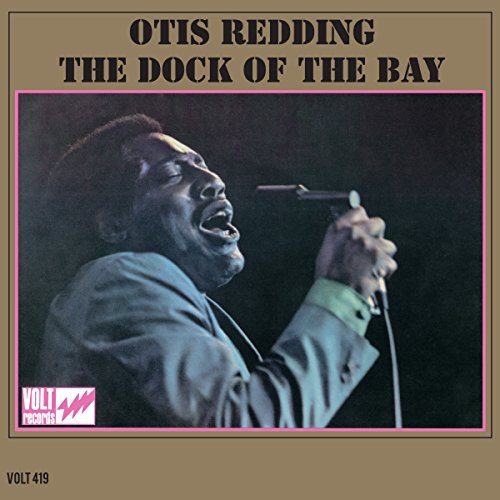
    The Dock of the Bay (Mono)

    This record would become the first posthumous release to reach number one on the Billboard charts. It was highly influential, leading to many other artists covering it. Today, you’ll hear these songs scattered in movies about the 60s, and it’s truly a mark of the era that continues to leave an impression on the modern era. 

    Bottom Line: This album is best for those looking for a 60s soul-genre experience. It carries many themes that people deal with every day.

    Album Information

    GenreLength of VinylNumber of SongsRelease Year
    Soul30:07111968

    Best Powerful Singer: Etta James, At Last!

    Lastly, if you want to experience music from a compelling voice, you’ll want to check out this Etta James album. 

    At Last [180-Gram Vinyl With Bonus CD Featuring Bonus Tracks]

    The songs are about loneliness and love, and they manifest in powerful, emotional ballads that have become staples on the radio and in private music collections. The album is a classic, with At Last! being about finding true love. You’ve likely heard it at weddings in the past.

    The album spans many genres due to Etta James’s wide range. Her music would inspire many others, including Janis Joplin and Beyoncé.

    Bottom Line: This album includes the classic love song that gives the record its name. It also contains many songs about loneliness that many people can relate to.

    Album Information

    GenreLength of VinylNumber of SongsRelease Year
    Blues, pop, soul, R&B29:1110 (14 on some re-releases)1960

    Key Takeaways

    To summarize, you’ll want to consider the condition of the record, how much it costs, and what meaning the album had in the 60s.

    There are plenty of popular vinyl records that you can find, but Sgt. Pepper is one of the best. It was famous as soon as it was released and continues to be a fantastic album today.

    The 60s was the birthplace of new, unique music, whether it’s rock, blues, soul, pop, or love ballads. 

    Check out the Sgt. Pepper’s Lonely Hearts Club Band vinyl on Amazon.com now.
  • The 14 Best Vinyl Records of the ’70s

    The 14 Best Vinyl Records of the ’70s

    The ’70s was a great decade for music. Genres like funk, disco, soul, and punk grew in popularity, and rock’n’roll continued to take the world by storm. The ’70s were also a golden era for vinyl, so it’s no surprise that most 70’s music sounds better on vinyl. 

    Here are 14 of the best vinyl records of the ’70s: 

    1. Born to Run by Bruce Springsteen (1975)
    2. Blue by Joni Mitchell (1971)  
    3. Bridge Over Troubled Water by Simon & Garfunkel (1970)
    4. What’s Going On by Marvin Gaye (1971)
    5. Hunky Dory by David Bowie (1971) 
    6. Rumours by Fleetwood Mac (1977) 
    7. London Calling by The Clash (1979) 
    8. The Dark Side of the Moon by Pink Floyd (1973) 
    9. Blood on the Tracks by Bob Dylan (1975) 
    10. Unknown Pleasures by Joy Division (1979)
    11. Exile on Main Street by The Rolling Stones (1972)  
    12. Bitches Brew by Miles Davis (1970)
    13. Led Zeppelin IV by Led Zeppelin (1971) 
    14. Songs in the Key of Life by Stevie Wonder (1976)  

    Each of these records has its own fascinating story. Let’s discuss why they’re must-haves for any vinyl enthusiast and ’70s music lover. (Note: All vinyl records are available on Amazon.com.)

    1. Born To Run by Bruce Springsteen (1975)

    For Springteen’s third record, he and his co-producers moved to a higher-budget studio and created, allowing them to create a more layered and complex album than his first two projects. The title track features piano, glockenspiel, guitar, and saxophone. On vinyl, these instruments create a wall of sound that make for an unforgettable listening experience. 

    Lyrically, this album is full of blue-collar love stories and tales of making ends meet, and the album sees Springsteen’s storytelling at its best. Perhaps the best imagery is found in “Meeting Across the River.” 

    This vinyl record is easy to find, and you can find it new or used on Amazon. It usually doesn’t fetch a high price.

    Born to Run

    2. Blue by Joni Mitchell (1971)

    Blue isn’t just one of the best albums of the ’70s, it’s one of the best albums of all time, and it established Mitchell as one the greatest singer-songwriters ever. The album ranges from piano-led ballads to acoustic jazz-pop, and all of it sounds amazing on vinyl. 

    In Blue, Mitchell is vulnerable and emotional, and she lays her life bare for listeners as the songs describe the joys and pitfalls of love. Production is sparse so listeners can focus on the lyrics, which are heartbreaking, witty, and wise. 

    BLUE [Vinyl]

    3. Bridge Over Troubled Water by Simon & Garfunkel (1970)

    Bridge Over Troubled Water should be listened to on vinyl for its title track alone. The song is gospel-tinged and swells like a hymn with Garfunkel’s vocals. On all the other tracks, the duo’s harmonies are complemented by lyrics that are either chirpy, like in “Cecilia,” or narrative, like in “The Boxer.” 

    This album was one of the biggest-selling albums of the ’70s, and it’s clear to see why. It spans gospel, rock, R&B, and classical, giving it a unique sound even when listened to today. There’s also a range of interesting sonic details that make for an album full of surprises, such as the skiffle beat on “Why Don’t You Write Me.”   

    Bridge Over Troubled Water

    4. What’s Going On by Marvin Gaye (1971) 

    What’s Going On is one of the most politically charged albums to come out of a politically charged decade, and its commentary revolutionized soul. The opening track is the anti-Vietnam protest anthem “Mercy Mercy Me,” a lament of humanity’s mistreatment of the environment. The album closes with “Inner City Blues,” a discussion on Black poverty.  

    In addition to its social importance, what makes this album one of the greats is Gaye finding his signature soft, floaty voice. His singing is softer on this album than on his previous records. The result is smooth and sounds great on vinyl. 

    What's Going On [Vinyl]

    5. Hunky Dory by David Bowie (1971)

    Hunky Dory was the beginning of David Bowie’s ascent to his glam-rock superstar status, so it has a well-deserved spot on any vinyl lover’s shelf. Musically, this is one of Bowie’s most engaging albums. From a lyrical perspective, the songs are written literally enough to get his ideas across without going too far into his poetic side and losing clarity.

    The backing, especially the string instruments, sound great on vinyl and don’t oppress Bowie’s vocals in any way. A standout track on the album is “Quicksand.” It shows Bowie at his vocal best: the verses are clear, controlled, and offer a view into Bowie’s intellect that some of his other tracks fail to do. Another one is “Life on Mars?” with its socially-conscious lyrics and classic Bowie eccentricity.

    Hunky Dory (2015 Remaster)

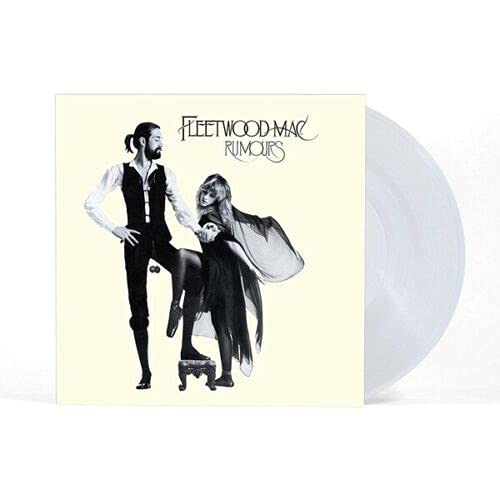
    6. Rumours by Fleetwood Mac (1977)  

    Rumours became the fastest-selling LP of all time upon its release, and this success made Fleetwood Mac a cultural phenomenon. This is pop with a shiny, nice-sounding surface, but with something complicated and dark underneath, a theme that has stood the test of time. 

    With the addition of Lindsey Buckingham and Stevie Nicks to the group, the band transformed from a British blues band into a California folk-rock group. This album was made while all members were going through relationship hell with each other. Still, it somehow sounds pleasant and light, even with the darker subject matter of some of the tracks. 

    This album is Buckingham at his best, with “Never Going Back Again” and “Go Your Own Way” being clear standouts. Nicks, for her part, has “Dreams,” a beautiful plea to lost love, and Christine McVie shines on “Songbird.” 

    The instrumentation is sparing in a good way. It allows the vocals and lyrics to shine through and is especially sweet on “Never Going Back Again.” Overall, it’s a great album and deserves a place in any vinyl lover’s collection, especially since it’s an exclusive limited edition.   

    Rumours - Exclusive Limited Edition Clear Colored Vinyl LP

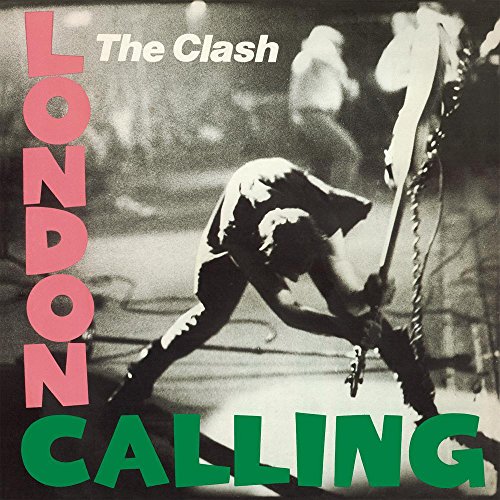
    7. London Calling by The Clash (1979)

    The Clash closed out the decade with London Calling, a double album that’s both unsettling and clever. It’s overall a great, politically-charged punk rock masterpiece.

    The album hops genres, voyaging into punk, R&B, reggae, and rockabilly. There are very few dull moments, which is quite the feat on a piece that’s 18 tracks long. “Spanish Bombs” is a standout track becaus of its sharp political commentary and evocative imagery.

    The opening title track, which is perhaps The Clash’s best known song, also deserves a special mention. Its call-and-response vocals and world-building sound amazing on vinyl.    

    London Calling

    8. The Dark Side of the Moon by Pink Floyd (1973) 

    You’ll want to pick up a special remastered edition of The Dark Side of the Moon on vinyl for its incredible sound, of course, but don’t you also want that iconic cover on your shelf? 

    This album is a classic, and with its psych-influenced soundscapes and philosophical lyricism, it deserves that title. Roger Waters’ lyrics are at their best, exploring themes of mortality, madness, conflict, and social alienation. Listening to the album offers a peek into the state of society during the ’70s. 

    David Gilmour’s guitar work is incredible on this album. Combining synths and tape splicing, the album successfully pushed sonic boundaries to create a masterpiece that doesn’t sound like anything else. The Dark Side of the Moon is one of the best-selling records of all time, and music enthusiasts will continue to buy it for years to come.  

    Dark Side of the Moon

    9. Blood on the Tracks by Bob Dylan (1975) 

    Bob Dylan had a string of incredible records in the ’60s. But by 1975, Blonde on Blonde was considered the last of Dylan’s great albums. Enter Blood on the Tracks, arguably Dylan’s most personal work. 

    The album is incredibly sung and the lyrics are self-conscious and emotional, offering insight into Dylan as a person. Sonically, the album is warm and rich, filled with organs, acoustics, and rhythm sections. 

    With this album, Dylan proved that he wasn’t finished making great music and was still capable of making an album worthy of being featured on any vinyl shelf.

    Blood on the Tracks [Vinyl]

    10. Unknown Pleasures by Joy Division (1979) 

    Unknown Pleasures is a dark-but-charming debut album in which Joy Division transcended punk and went somewhere sadder. The bass-driven soundscapes on this album perfectly capture its melancholic tone, in no small part thanks to producer Martin Hannett’s ear for ambiance. The lyrics of Ian Curtis are emotional and unflinching. 

    The record is sincerely disturbing, especially within the context of Ian Curtis’ suicide. “She Lost Control,” a standout track on the album, was written about the death of a girl who was in a constant battle with epilepsy. It features straightforward lyrics that are haunting and captivating. 

    Perhaps more than any other album on this list, Unknown Pleasures establishes a truly immersive atmosphere, one that completely envelopes the listener into the listening experience. Bernard Sumner’s guitar riffs shine, Peter Hook’s bass hooks are catchy, and Stephen Morris’ drum work is a heartbeat that enhances all of the musical genres taking place in the album. 

    Unknown Pleasures

    11. Exile on Main Street by The Rolling Stones (1972)

    This album was recorded during a time when the band struggled to get all its members to show up for recording sessions. Still, the unpolished realism that came about on Exile on Main Street made imperfection cool.  

    Even though it doesn’t have any of The Rolling Stones’ best-known songs, Exile is the band’s most universally acclaimed album, proving that it’s built not on one or two hits but a consistent and relatable vibe. 

    Exile on Main Street is one of the more expensive vinyl records on this list. However, the listening experience is well worth the price.  

    Exile On Main Street [2 LP]

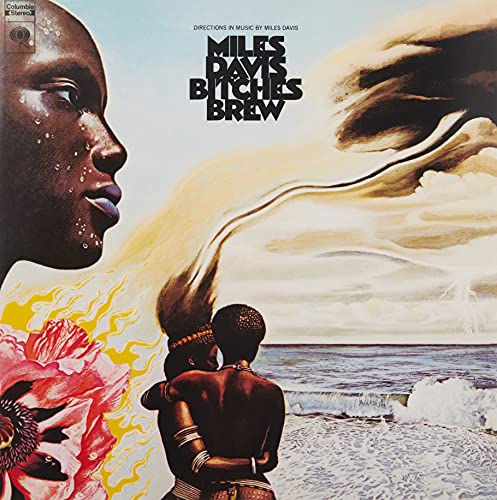
    12. Bitches Brew by Miles Davis (1970) 

    Bitches Brew is one of the most revolutionary jazz records of all time. With some tracks clocking in at twenty minutes or longer, it’s no surprise that Miles Davis studied boxing and trained his body to perform them. These tracks aren’t just great songs; they’re also acts of physical prowess, especially “Miles Runs the Voodoo Down.” 

    In Bitches Brew, Miles introduced rock-inspired arrangements and instruments like guitar and electric piano, which completely broke the mold of jazz at the time. The album splices together jazz improvisation and incantations that sound incredible on vinyl and laid the foundation of the genre of jazz rock.

    Miles experiments with long electric jams while maintaining a connection to jazz tradition, creating timeless and innovative music.   

    This is a record for jazz fans and all music lovers. It’s a confrontational and beautiful album, well-worthy of its place on this list and your shelf.

    Bitches Brew

    13. Led Zeppelin IV by Led Zeppelin (1971)

    Led Zeppelin’s fourth album saw them reach their hard-rock peak. The album that has “Stairway to Heaven” on it deserves to be in any vinyl lover’s collection, and the riff from “Black Dog” is one of the greatest of all time.   

    John Bonham’s drumming has never sounded better than on “When The Levee Breaks,” another standout on this album full of greats. There are only eight tracks on the record, and all of them have something to be admired. They have a wide enough range of sounds to keep the listener’s attention throughout.

    “The Battle of Evermore” sees the first of Plant’s Tolkien-inspired lyrics, paired with an epic and medieval-sounding instrumentation.

    The success of this record catapulted Led Zeppelin into their hard-rock giant status for a good reason. If you love rock, you’ll love this album. 

    Led Zeppelin IV (Remastered Original Vinyl)

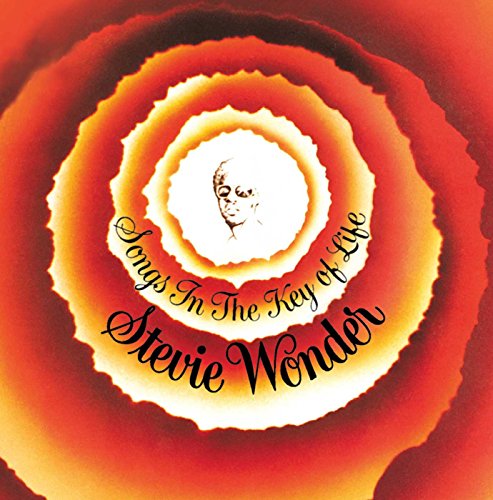
    14. Songs in the Key of Life by Stevie Wonder (1976) 

    There are 21 tracks on this behemoth of an album. Wonder produced and wrote all 21 and did most of the instrumentals and vocals. He released it as a two-LP album with a 24-page booklet. It’s his magnum opus and is one of the best albums not only of the ’70s, but of all time. 

    The project was unprecedented in scope, with over 130 musicians listed in the credits. It’s lengthy and sprawling, but that all-encompassing aspiration was the point of the album. With standouts like “Sir Duke” and “Isn’t She Lovely,” the listening experience never dulls. 

    Songs in the Key of Life

  • The 15 Best Vinyl Records of the ’80s

    The 15 Best Vinyl Records of the ’80s

    Music is subjective: what we enjoy is deeply rooted in our personality, sense of taste, and developmental years. But some albums are undisputed masterpieces, even if you aren’t a fan of the genre. When played on vinyl, they have a classic sound that can make even those not born in the decade nostalgic for a different time. 

    Here are the 15 best vinyl records from the 1980s that you can buy and enjoy now:

    1. AC/DC – Back In Black (1980)
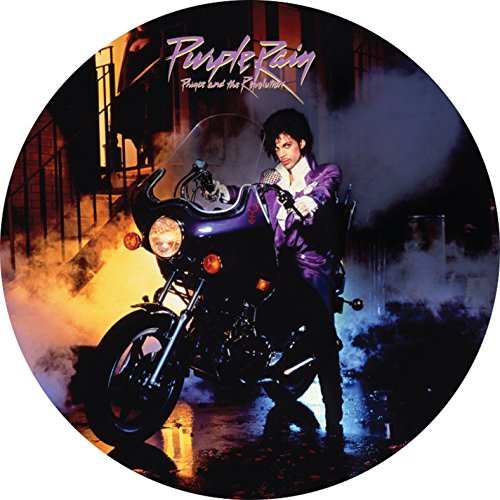
    2. Prince – Purple Rain (1984)
    3. Madonna – Like A Virgin (1984)
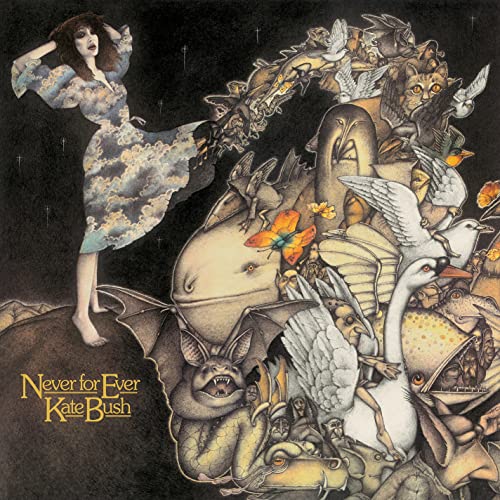
    4. Kate Bush – Never for Ever (1980)
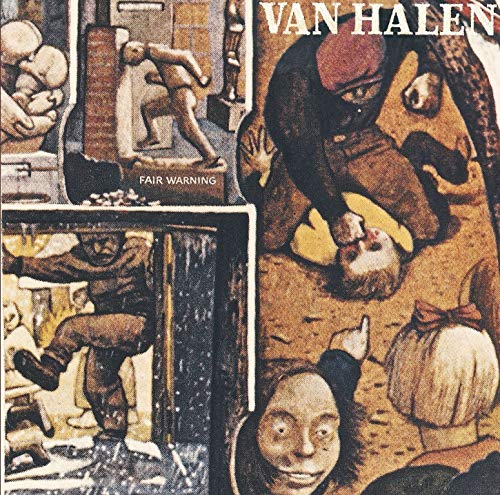
    5. Van Halen – Fair Warning (1981)
    6. Pixies – Surfer Rosa (1988)
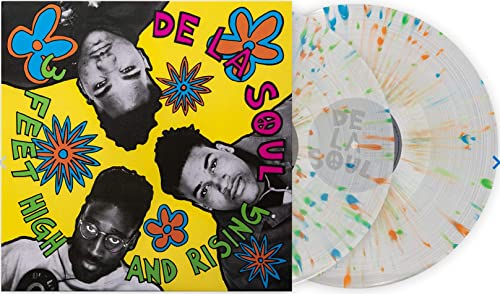
    7. De La Soul – 3 Feet High and Rising (1989)
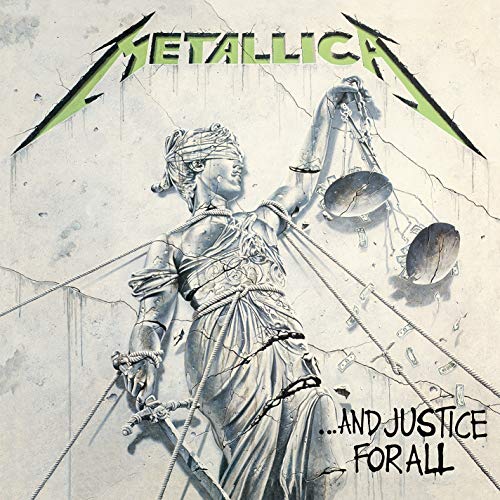
    8. Metallica – …And Justice For All (1988)
    9. Talking Heads – Remain In Light (1980)
    10. Siouxsie and the Banshees – JuJu (1981)
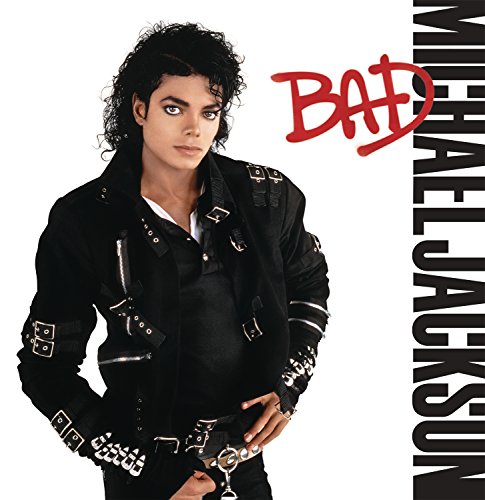
    11. Michael Jackson – Bad (1987)
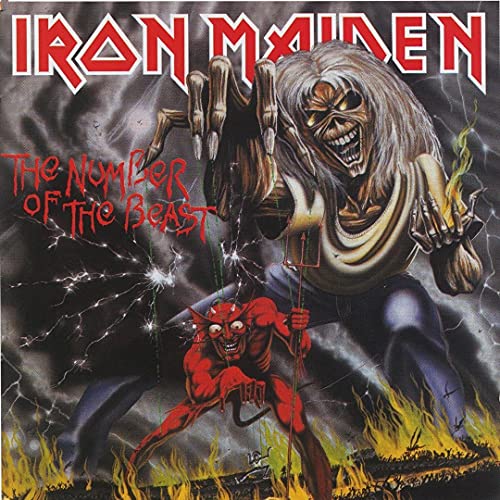
    12. Iron Maiden – The Number Of The Beast (1981)
    13. The Cure – Disintegration (1989)
    14. N.W.A – Straight Outta Compton (1987)
    15. Dead Kennedys – Fresh Fruit and Rotting Vegetables (1980)
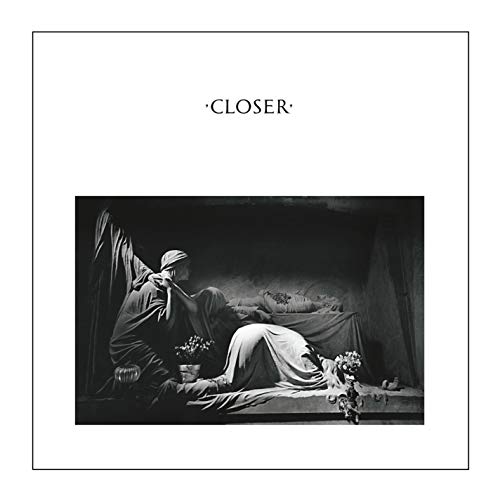
    16. Joy Division – Closer (1980)

    All albums are available on Amazon.com and you find appropriate links to Amazon in each heading.

    1. AC/DC – Back in Black (1980)

    The death of Bon Scott was a devastating loss for the hard rock world. When Brian Johnson took over as frontman and lead singer, there were plenty of worries that he couldn’t fill those shoes. Those worries were unfounded, as this first studio album released with him at the helm brought us such classics as ‘Hells Bells,’ ‘You Shook Me All Night Long,’ and of course, the title track “Back In Black.’

    It was just the beginning of what would be an excellent run for the band.

    Back in Black [Vinyl]

    2. Prince – Purple Rain (1984)

    Prince had a certain “It Factor” that’s hard to explain even now. He wasn’t exactly a trendsetter, as no one could accurately imitate him. He was more the creator of a world all his own, and when he was in his prime, he was untouchable. ‘Purple Rain’ is an album that only gets more beloved with time.

    Along with ‘I Would Die 4 You’ and ‘When Doves Cry,’ this record stands alone as one of the best representations of his work in a long and varied career that would bring many twists and turns clear into the new Millennium when we really were partying “like it’s 1999”. If you can hear the final vocal runs on the title track for this masterpiece without getting chills, you are stronger than most. 

    Purple Rain (Picture Disc)

    3. Madonna – Like a Virgin (1984)

    The 1980s was a good decade for the Material Girl. Not only did she record some of the greatest pop songs of all time, but she would go on to lead the way in fashion, music, and social scandals that helped change pop culture forever. In a post-WAP world, it’s hard to remember how shocking Madonna was for the time. 

    Watching her performances of her songs on this album through the years is racy even by today’s standards. Police attempted to shut down her shows for obscenity in some cities, and her antics and life as an icon made her the subject of some rather outrageous documentaries. But it all started here, with ‘Like a Virgin.’ 

    Like a Virgin

    4. Kate Bush – Never for Ever (1980)

    Kate Bush has always been a creative force to be reckoned with. We can see her influence in many interesting artists prominent today, such as Björk, Fiona Apple, and Tori Amos. They all owe a lot to the musical stylings of one of pop’s first manic pixie dreamgirls (meant in the most complimentary way possible). ‘Never for Ever’ isn’t Kate’s most popular album; that honor probably grounds to ‘Hounds of Love’ or ‘The Dreaming.’ 

    But while not her biggest hit, it has some of her most poignant songs. The haunting lightness of ‘Army Dreamers’ set to cocking rifles or manic intensity of ‘Babooshka’ makes her third studio album memorable. 

    Never for Ever (2018 Remaster)

    5. Van Halen – Fair Warning (1981)

    Everyone who loves Van Halen has their favorite era broken up by the three singers who fronted the band. ‘Fair Warning’ was from the David Lee Roth years, and while it was slower to catch on by the ones who came before it, it’s arguably one of the strongest of an extensive discography. 

    ‘Unchained,’ the fifth song on the song list, remains one of the most famous of their entire body of work. Listening to it now, it still holds up and is a great taste of what made Roth such a charismatic performer. That scream over Eddie’s opening riffs still sends chills up the spine of listeners decades later. 

    Fair Warning (Remastered)

    6. Pixies – Surfer Rosa (1988)

    ‘Where Is My Mind’ is one of those songs that transcends the decade. Released in the late ’80s, it became a hit a second time after the film’ Fight Club’ featured it on its’ soundtrack in 1999. It’s hard to think of one without the other to this day. But that song is arguably one of the weakest on an album that gives us one of the most significant alternative records ever conceptualized. 

    We would go on to hear the influence of this band (and this album in particular) in many greats to come later, from Smashing Pumpkins to PJ Harvey and Pearl Jam, just to name a few. You can’t find anyone from the 1980s with a similar impact on the sound that would come when Nirvana broke out on the scene and continued through the decade of alternative dominance. 

    SURFER ROSA [Vinyl]

    7. De La Soul – 3 Feet High and Rising (1989)

    The moment you listen to the intro to ‘3 Feet High and Rising’, you can’t help but be taken from the charming silliness. The transition into an equally fun sound of ‘Magic Number’ catches the ear and holds onto the heart. 

    De La Soul is one of the most incredible early hip-hop acts in history, and they would continue through the ’80s and ’90s to give their unique sound even into the era of gangster rap that would follow. This debut album is just as significant today, epitomizing the genre from their personality to their extensive use of sampling.

    3 Feet High And Rising (Exclusive Club Edition 2XLP Blue/Orange and Green Splatter On Clear Vinyl)

    8. Metallica – And Justice for All (1988)

    Trying to choose one Metallica album from the 1980s from a list like this is frankly painful. You could make a case for most, and entering into the 90’s you would have a similar issue. In the end, ‘…And Justice For All’ made the final cut based on ‘Harvester of Sorrow’ and ‘One,’ which might be one of the most challenging songs in their anthology. 

    ...And Justice For All (Remastered)

    9. Talking Heads – Remain in Light (1980)

    Talking Heads is one of those acts that even people who don’t “get it” can come up with a song they would defend. This band was tailor-made for the MTV era, from their sweeping instrumentals to passionately bizarre music videos. While it doesn’t hold some of their most famous works, like ‘She Was’ or ‘Burning Down The House,’ ‘Remain In Light’ might be described as one of their most “cohesive” albums. 

    It was both a commercial and critical success, and after a brief break, they would come back better than ever. But even if they had never recorded again, this record would have acted as a beautiful legacy. 

    REMAIN IN LIGHT [Vinyl]

    10. Siouxsie and the Banshees – JuJu (1981)

    Siouxie and the Banshee stand in history as one of the greats of the darker underground movements. Creating the aesthetic that we still think of when we talk about classic Goth, the sounds represent that image perfectly. Unforgettable hits like ‘Spellbound’ and ‘Into the Light’ still blast in alternative clubs today, and few acts hold the respect as dear Siouxie. This was not music for the Hot Topic crowd; it was real, raw, and still gets our black hearts pumping. 

    Juju [LP]

    11. Michael Jackson – Bad (1987)

    Not everyone will agree on the greatest work of Michael Jackson’s solo career. But if you were to ask them to name their favorite album, nine times out of ten, they would say either ‘Thriller’ or ‘Bad.’ For the sake of this list, we choose the second one.

    While it’s hard to make such a monumental cut as the record that brought us ‘Billie Jean’ and (of course) ‘Thriller,’ ‘Bad’ and ‘Smooth Criminal’ make up for it. If you have a taste for the late King of Pop’s more sentimental side, you can also add ‘Man In The Mirror’ to that list. Whatever controversies surrounded his personal life, there’s no denying the classics he gifted to the world. 

    Bad

    If you’re an MJ fan, then you will probably enjoy the article I wrote about great Michael Jackson albums you should consider owning on vinyl.

    12. Iron Maiden – The Number of the Beast (1981)

    ‘Hallowed Be Thy Name’ is one of the best metal songs of all time. The End. 

    OK, we have to say more about this album than just that, but can you deny it? Teenage rock fans were blown away in 1981 when they heard the ballad of a man facing the gallows, set to screaming guitars and an equally intense vocal performance.

    Story songs were a dime a dozen in 80’s concept metal. Few have the emotional impact, and the rest of the album is nearly as impressive. Many have covered this song, Dream Theater to Cradle of Filth. None have the heart-wrenching effect of the original, sung by the incomparable Bruce Dickinson.

    The Number of the Beast

    13. The Cure – Disintegration (1989)

    Robert Smith is one of the old gods of the Goth scene, but he and The Cure had a gentler soul than many of their contemporaries. Listening to ‘Disintegration’ is a reminder that a cloud of hairspray and enough eyeliner to blackout the sun doesn’t stop one from serenading a generation. ‘Lovesong’ and ‘Pictures Of You’ come immediately to mind. 

    Still, they’re far from the only examples of incredible and saccharine sweetness that would be overwrought if not for all the heartwarming sincerity offered by Bob’s infamous vocals. We may have had a few years to wait for ‘Friday I’m In Love,’ but there was plenty to fall in love with here. 

    Disintegration: Remastered [Vinyl]

    14. N.W.A – Straight Outta Compton (1987)

    It takes a lot to shock an audience these days. Some of the tracks on Straight Outta Compton, one of music’s most influential rap albums, can still bring the heat. Antiauthoritarian, aggressive, and with the kind of righteous anger that can only come from those who have lived the life, N.W.A is one of the most influential protest groups in history. 

    Their debut album remains in the top spot of albums that changed the face of music forever. Not only are they infamous for their reputation as some of the world’s first gangster rappers, but for how this album manages to be even more relevant today than in 1987 when it was released. 

    Straight Outta Compton [LP][Remastered][Explicit]

    15. Dead Kennedys – Fresh Fruit and Rotting Vegetables (1980)

    The belief that punk is dead may not be fair, but it’s hard to disagree when you hear the real OG’s. Dead Kennedys are one of the best of the genre, and nearly every song they have recorded is special in some way. ‘Fresh Fruit and Rotting Vegetables’ has some of their best, and even the less impressive songs blow most punk bands out of the water. 

    Listening to this album is a quick way to pump up your rebellious spirit. If you can listen to the tracklist without at least a little desire to mosh, then punk really is dead. But as long as we raise a fist to these classic tunes, we will always keep a little spark of it alive.

    Fresh Fruit for Rotting Vegetables

    16. Joy Division – Closer (1980)

    Sometimes listening to Joy Division can feel like an endurance test. Vocalist and frontman Ian Curtis had a way of singing that dripped with cynicism and bitterness. Hearing him belting out songs like ‘Isolation’ and ‘Twenty Four Hours’ puts you in a certain mood that is hard to shake. 

    But if you are already in that kind of mood, nothing else but the painful refrains of Joy Division will do. ‘Closer’ is one of their best albums, and you can’t beat hearing it on the original vinyl. They are one of those bands that feel more complete when coming from a turntable. Even if you weren’t alive during their heyday, you will get a sense of nostalgia for the era. 

    Closer

  • How Many Vinyl Records Are Sold Each Year?

    How Many Vinyl Records Are Sold Each Year?

    In the past ten years, the way we buy and listen to music has dramatically changed. With the development of streaming and subscription services, you might think that purchasing physical albums has become obsolete — but the booming vinyl record industry indicates otherwise. 

    Over 18 million vinyl records have been sold each year since 2019, and LP sales have risen drastically since then. Vinyl records sold more copies than CDs or digital albums in 2020 and 2021, indicating further growth for vinyl sales in the coming years. 

    Let’s look at the statistics and talk about how the music industry has rapidly changed in favor of vinyl records. I’ll break down the data and discuss what we can expect from vinyl record sales in the coming years. So, let’s pop on a record and get to it. 

    Vinyl Sales by Year

    For a while, when the portable compact disk was still a new invention, CDs ruled the music sales market, eventually being replaced by digital albums for MP3 players. Today, as the years pass and as streaming has come into play, vinyl records are making a huge resurgence. 

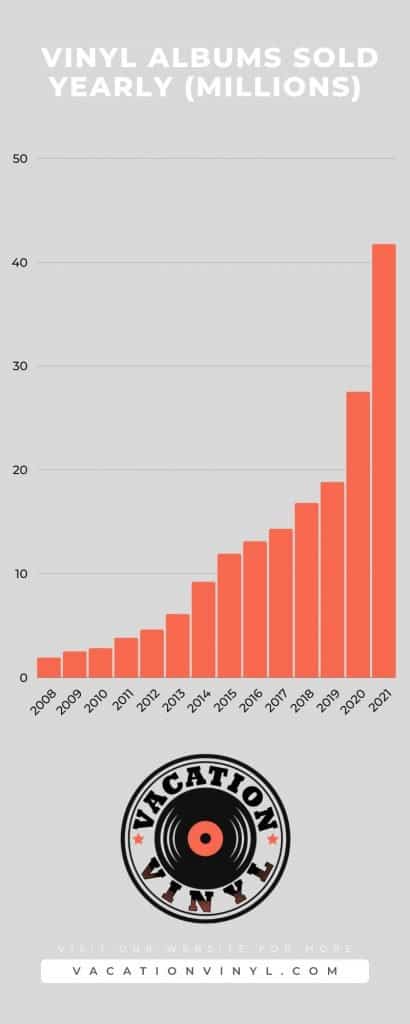
    After the invention of the CD and MP3 player, vinyl record sales stayed low and constant, with only about one million albums sold every year. However, in 2008, things started picking up for the LP industry. Sales continue to rise as time goes on, with over 27.5 million records sold in 2020. 

    Things have changed as the record industry has seen a massive boom in just the past few years. 

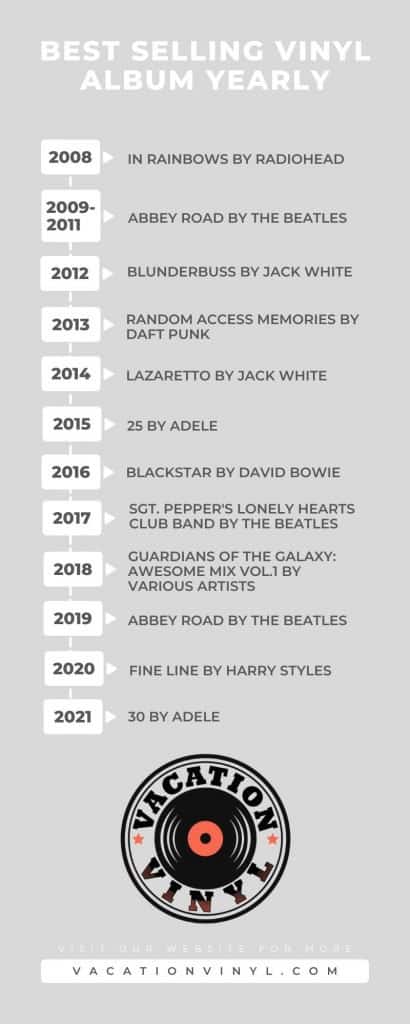
    Just take a look at this timeline of how many vinyl records have sold over the years and that year’s best-selling vinyl album:

    YearVinyl Albums SoldBest Selling Album of the Year
    20081.9 millionIn Rainbows by Radiohead
    20092.5 millionAbbey Road by the Beatles
    20102.8 millionAbbey Road by the Beatles
    20113.8 millionAbbey Road by the Beatles
    20124.6 millionBlunderbuss by Jack White
    20136.1 millionRandom Access Memories by Daft Punk
    20149.2 millionLazaretto by Jack White
    201511.9 million25 by Adele
    201613.1 millionBlackstar by David Bowie
    201714.3 millionSgt. Pepper’s Lonely Hearts Club Band by The Beatles
    201816.8 millionGuardians of the Galaxy: Awesome Mix Vol.1 by Various Artists
    201918.8 millionAbbey Road by The Beatles
    202027.5 millionFine Line by Harry Styles
    202141.72 million30 by Adele

    In this timeline, you can see the evolution of record sales, but most importantly, you can see how the dominant genres in record sales are changing. 

    If we use the past two years to indicate what we’ll see in the future, it seems that vinyl records will continue growing in popularity to become the preferred media for listening to up-and-coming pop artists and top-40 albums.

    This shift in genre also saw a tremendous increase in sales. Billboard states that a whopping 41.72 million vinyl albums were sold in 2021 in the US alone, a 51.4% increase compared to the previous year.

    These sales were generated mainly by new releases from modern pop artists — not from The Beatles or Queen. 

    So, as time goes on, we can expect this number of sales to grow as we see more top-40 artists releasing and selling LPs. 

    What Percentage of Music Sales Are Vinyl?

    As we just saw, vinyl sales are rapidly increasing, but that doesn’t necessarily mean that vinyl albums are the preferred way to listen to music today. 

    Vinyl records made up 38% of music sales in the first half of 2021, with CDs making up 37%. However, based on the growth of the vinyl industry, we can expect vinyl sales to continue making up the majority of physical music sales. 

    Nowadays, people are buying far fewer albums both physically and digitally since streaming platforms such as Spotify, Amazon Music, and Internet Radio have more or less taken over the music industry. 

    However, in just the past year, physical media has started replacing digital music purchases, and when it comes to sales, vinyl has seen the most growth in popularity. 

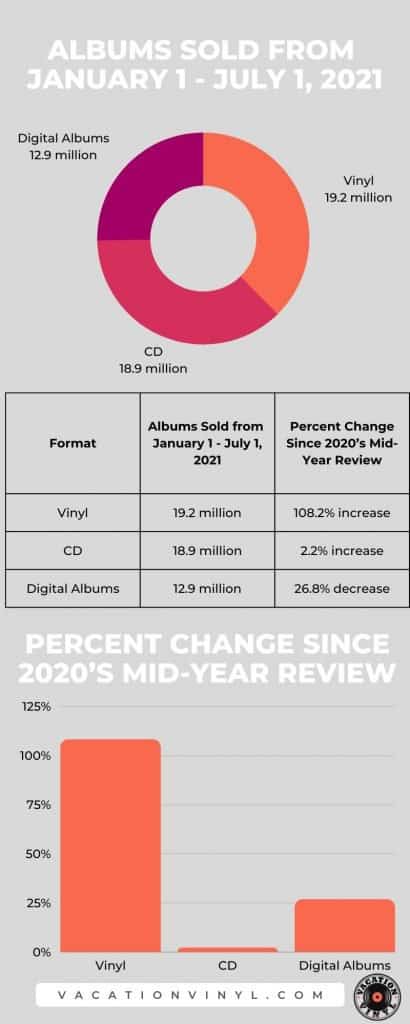
    So, let’s compare the album sales by format in the first six months of 2021:

    FormatAlbums Sold from January 1 – July 1, 2021Percent Change Since 2020’s Mid-Year Review
    Vinyl19.2 million108.2% increase
    CD18.9 million2.2% increase
    Digital Albums12.9 million26.8% decrease

    Based on these statistics from Billboard’s reviews, digital album purchases are at an all-time low, while physical media is becoming much more popular. 

    CDs are still seeing a slight increase in sales, but vinyl records, with that huge 108% increase since 2020, have a promising future as the preferred physical media for album sales. 

    In addition, vinyl records sales have just recently surpassed those of CDs, which might indicate that CDs are on their way out. 

    Still, streaming seems to be the preferred way to listen to music today. In 2021, more than 381 million people subscribed to Spotify alone, and the top songs of the year received upwards of 1 billion streams. Although we can’t account for album sales on a streaming service, it seems that far more people are subscribing than purchasing albums. 

    Will Vinyl Albums Replace CDs?

    Vinyl records seem to be significantly more popular with the younger generations, indicating that the CD might eventually decrease in popularity. However, in the past year, CD sales have risen too, making it difficult to predict the future of the Compact Disk. 

    It seems unlikely that vinyl albums will replace CDs at the moment. Physical media sales are rising, and vinyl is becoming extremely popular with people under 35. However, CDs still have a market for people over 35, so you shouldn’t expect to see them disappear anytime soon. 

    Today, people younger than 35 make up about 72% of vinyl sales, making them the target audience for most record retailers and recording artists who release their albums in the LP format.

    Young people who have grown up with only digital music, whether it be in MP3, CD, or streamed music, are the ones fueling the boom in vinyl sales. The difference between vinyl and digital is what makes oversized, colorful, and tangible LPs so popular right now. 

    They offer a completely different experience than pressing play on an iPod. It’s safe to say that these millennials and Gen Z-ers will stick with vinyl for the aesthetic and the “warmer” sound of the music. 

    However, like vinyl records, CDs still have an appeal and rack up sales that slowly increase every year. Nevertheless, some experts predict that it’ll be streaming that replaces CDs. That’s because the digital format produces a very similar sound quality and has become more portable with smartphones. 

    Still, only time will tell what’s in store for the CD industry. Vinyl is on the rise, and we can only expect more profit and increased sales from the vinyl recording industry in the coming years. 

    Final Thoughts

    Vinyl records are here, and they are here to stay. Tens of millions of vinyl records are sold every year, and, in the past two years, more vinyl records were sold than CDs. Considering the projected growth in the vinyl record market and its shift towards pop music for younger generations, it seems that LPs are only getting more popular and profitable.

  • 11 Reasons Why Your Record Player Is Quiet

    11 Reasons Why Your Record Player Is Quiet

    Has your record player suddenly gone quiet, and you’re looking for ways to solve the problem? Then you’re in the right place. This article discusses all the possible reasons why your record player is quiet and the best ways to get the volume back up.

    The most common culprit behind a record player suddenly going quiet is the cartridge. However, several faults can arise and cause your record player to go silent. The good news is that it is easy to fix all of these faults.

    Record players, by nature, are not designed to give out the sound with the volume you would get from your regular TV or CD player.

    Record players instead produce a super low electrical signal produced by the movement of the stylus on the groove.

    These electrical signals need double amplification. It is where the preamplifier and the amplifier come in.

    The preamplifier reads these signals and changes them into a LINE. The amplifier then reads this LINE signal and then transmits it aloud as the sound or music we enjoy.

    If you follow the instructions in the record player’s manual to the detail and set it up correctly, then your record player should not be quiet. If you are experiencing sound issues with your record player, there might be other reasons for low sound or sound loss.

    The Most Common Reasons Why Your Record Player Is Silent

    Let’s go over some of the possible reasons for a quiet record player and how to solve these issues.

    1. Cartridge Problems

    A record player cartridge is also known as a phonograph cartridge, and this component houses the stylus that reads the sound from the record’s groove.

    The cartridge identifies the sound patterns and runs through the grooves to produce quality musical notes.

    There are two variations of a record player’s cartridge.

    They are known as the

    • Moving Magnet Cartridges (MM)
    • Moving Coil Cartridges (MC)

    Standard or lower-end turntables, in most instances, come with a Moving Magnet cartridge. At the same time, the higher-end record players are populated by Moving Coil cartridges.

    It goes without saying that if you are not a vinyl record lover with a costly record player, you quite possibly own a record player with a Moving Magnet cartridge.

    Record-loving fans prefer the record players with Moving Coil cartridges is because MC cartridges have a lower mass that allows them to read the grooves in the record with more precision, speed, and accuracy. It, in turn, results in better reproduction of the recorded sound.

    On the other hand, the MC cartridges are known to produce a much weaker Phono signal than the premium MM cartridges. It is why they are primarily found in lesser record player models.

    Differences between both cartridges are shown in the table below.

    Cartridge Type

    Phono Output

    Moving Magnet (MM)

    5mV ( range is between 2mV – 8mV)

    Moving Coil (MC)

    0.5mV (range is between 0.2mV – 1.5mV)

    The PHONO signal released from an MC cartridge is typically weaker than the PHONO signal emitted from a MM cartridge.

    By default, the MC PHONO signal will need more amplification than a MM PHONO signal to reach the standard LINE signal level of 0.316 Volt.

    When purchasing an external preamp, it is vital to check that it supports the cartridge type you use. Some high-output type MC cartridges produce nearly the same signal level as a MM cartridge.

    2. Cheap Quality Record Player

    The quality of sound your record player will produce depends on the quality of the record player itself. A cheap quality record player will not give you the same sound quality as a high-end record player.

    Although high-quality players might seem costly, they are worth investing in in the long run. These record players will last much longer than the cheap ones and will hardly give you difficulties.

    3. Needle Problems

    The stylus is a pretty essential component of the turntable. It is a tiny dot that rests on the groove, thereby reading and producing sound.

    The stylus is bound to lose its texture after a long period of continuous usage. However, the needle can wear out before its time due to dust accumulation.

    Although needles are made up of solid materials, they can be affected when dust particles stick to them during the usage period.

    Non-stop contact with dust will wear out the needle and make your record sound quieter over time. Excessive use can also cause the stylus to lose its sturdy grip.

    4. Bad RCA Cables

    It is quite a common occurrence. Many of these cables are cheap and poorly designed, so much so that the soldered connections at the tips eventually break loose due to bending and a few hours of usage.

    You can tell your RCA cable is bad by using a multimeter. Once you notice they’re bad or worn out, try to replace your RCA cables with some quality ones. (Source)

    5. Speaker Problems

    Speakers are responsible for providing us with a good sound, and they come with a remote controller to easily control and adjust the volume.

    There are two main types of speakers, the cable speaker that is directly connected to the record player and the Bluetooth speakers that can be connected using a remote control. Most people prefer the second option due to the fast and easy connection and a long time usage guarantee.

    Cheap speakers can wear out very quickly. A quick way to find out if you are experiencing speaker problems is to connect your record player to a different speaker. If the problem continues, then you are sure your speaker is yet to wear out.

    6. Tonearm Problems

    A tonearm is a long arm that supports the cartridge to run smoothly and stop the record disc. It houses the cartridge and stylus and maintains the perfect angle and height with accurate pressure to process its function.

    It is an essential component of a record player and most times houses the most problems. Some of the issues that you may experience with tonearms include:

    • Tonearm swinging to the side – This issue can arise if your record player is not on a level surface or the balance is off with the arm. Most of the tonearms are incredibly delicate and, as such, need to be handled carefully in the correct manner.
    • The tonearm is not lowering – You should notice that the tonearm is not making direct contact with the disc and causing some skips while playing the record. It can be down to the tonearms bridge screw being screwed down too tightly or too loose. A simple adjustment to this bridge screw should fix the problem.

    7. Wrong/Incorrect Wiring

    It is not at all uncommon for a record player newbie to experience wrong wiring or output connections. However, a few boxes need to be checked before you can conclude or determine if you got your external wiring wrong.

    8. Absence Of A Phono Preamp

    Every record player needs a preamplifier. It can be a built-in internal preamplifier or a separate external preamplifier. You can also use the preamplifier on your receiver, which you can find in the phono input section.

    To produce clear and quality sound, it is imperative to determine which preamp your player utilizes and use just that.

    Changes might lead to sound distortions. If your record player does not have a built-in preamplifier, you can purchase an external preamp or use the preamp on your receiver. Qualities to look out for when buying an external preamp include:

    • Good timing
    • Dynamic and expressive sound
    • Sleek design
    • Moving magnet
    • Moving coil

    9. Non-operational Internal Preamp

    For record player models that come with a built-in preamp run a check to confirm your record player’s inbuilt preamplifier is on. You should find an on and off switch for this simple command.

    If your record player’s internal preamp is on, do not connect your record player into the phono input on your receiver that would result in you using the preamp on the receiver simultaneously. Using both preamps will result in terrible sound distortion and quality.

    10. Record Player Plugged Into The Wrong Phono Input On The Receiver

    Most audio receivers have a phono input. It is an analog input that is made just for record players. It houses an internal preamplifier that transmits the electronic signal to a line-level which can then be amplified to the speakers.

    On the other hand, a line signal is the standard audio output level that most audio devices use as an industry standard.

    Devices such as CD players, laptops, mobile phones, and TVs will produce a line signal without any changes or amplification of the signal.

    Line signals are more substantial than phono signals, being amplified to an industry-standard voltage. While a phono signal is 0.005 of a millivolt, a line signal is 0.316 volts root-mean-square.

    The audio recordings produced from these devices show a much higher electrical signal, and as such, they do not require extra amplification.

    By default, when you plug a device into the line input, it will easily play the sound without changing or amplifying the electrical signals.

    Differences between line and phono signals are shown in the table below:

    Line

    Phono

    Weak Signal 0.3 Volt

    Weaker Signal 0.005 Volt

    Boosted Bass (RIAA equalized)

    Flat Frequency Curve

    Record player owners should pay attention to these differences because the variations strongly affect the production of sound.

    You should plug the RCA jacks into the correct phono input for quality sound production if your receiver houses an analog input. It is not uncommon to randomly plug in your record player’s jack into any input on your receiver.

    However, it is essential to note that they do not serve the same functions. So always make sure you have plugged in the jack correctly for excellent sound production.

    Difference Between The Line Output And The Line Input

    Displayed behind your turntable or other audio playing device multiple times, you may find the word “line.” While one of the labels may be just beside the word”phono,” other labels might read “line-in” or “line output.”

    It, however, does not mean they are related to line signals entirely.

    The line input port close to the phono input port is meant to plug in the audio device cable.

    The line-in labeled port is designed to assist with maintaining audio quality while recording.

    The line output jack is where you can plug in an external amplification cable. It could be a PA system, headphones, or home theaters.

    11. Cheap/Worn Out Record

    Cheap records poorly made might be a contributing factor to low sounds. Excessive play of a particular record, too, might result in scratches and wears. It can lead to poor or low sound production by the record player due to its inability to correctly read the record.

    How to Make Your Record Player Louder

    We have outlined some of the problems you might be experiencing that would cause your record player to be quiet or produce low sounds. Now let’s talk about how to make your record player loud again with a few helpful tips.

    Replacing the Cartridge

    A faulty or worn-out cartridge is one of the problems to be considered when the volume of the sound produced suddenly goes down. If you have used the cartridge for quite some time, it is possible that the needle has gathered dust or has other defects like scratches and this, in turn, affects its output.

    Run a check through the surface of the cartridge to make sure that you are not replacing a fully functional component.

    A second method to fix the cartridge issue is to replace the cartridge with an output level that is double its current output level. It is conducive to increasing the sound quality and producing a much louder sound. (Source)

    Change The Amplifier

    It costs a lot of money to change an amplifier, so you want to be sure the fault is from the amplifier before you decide to make such a pricey investment. Once you have confirmed the preamplifier and the cartridge are not the problems, you can consider changing the amplifier.

    The amplifier can be described as the final stage of the record player as it re-equalizes the electronic signal converted by the preamplifier and then amplifies the sound.

    You can make the switch to a more powerful version after confirming the current one is faulty so that you can enjoy a much louder and more refined sound. You can / should also seek professional help before making such a decision.

    Use High-Sensitivity Speakers

    A speaker’s sensitivity is the volume of music a speaker can deliver when a specific power (Watts) passes through it. A higher sensitivity means that most of the power sent to it is converted into sound.

    As opposed to a speaker with lower sensitivity that converts all its energy into heat, which is pretty much not useful. (Source)

    Sound sensitivity is an essential factor to consider when experiencing any sound complaints. Sound sensitivity is also necessary with loudspeakers and home theatres, not just with your record players but generally with your sound electronics.

    Install A Phono Preamp

    The function of the phono preamp is to receive the signal sent by the stylus and translate it into a LINE, and it also pre amplifies the sound produced by the record player.

    The sound produced by a record player is nothing compared to the sound produced by a CD player or your Home Theater. The quality of sound produced by a record player without using a preamplifier will be low or non-existent. (Source)

    If your record player already has an inbuilt phono preamp, but you would still want a louder voice, the next step you should consider would be updating the existing preamp with a higher output level.

    A phono preamp with a higher gain will positively affect the quality of the sound produced. The updated preamp will use advanced technology to filter out songs in a better manner, thereby making them super clear and loud. (Source)

    There are two types of phonograph preamp, the kind that comes already pre-installed in your record player and the external type that can be attached using external cords.

    For built-in record player preamps, mostly its output and gain level are always relatively low. Ensure the external preamp you purchased is of higher quality than what you already have to avoid further damages or complications.

    Conclusion

    Record players are sensitive items that require proper care and utmost careful maintenance to continue working perfectly.

    There are several reasons for a record player to experience volume issues. We have extensively talked about several reasons that could be responsible for low sound production or sound loss and how to solve these problems.

    Hopefully, after reading this article, you can troubleshoot and identify the issue with your record player and get it fixed.

    Reaching out to an expert for professional help if you realize your record player requires more attention or diagnosis than explained is a great idea. You can also visit your record store for advice or to seek clarity.

    Poor or low sound production is not a good enough reason to discard your record player. There are several repair options and hacks to leave it feeling brand new again.

    Source

    1. Hand Tools For Fun, “How To Test RCA Cables with A Multimeter,” Hand Tools For Fun, Accessed November 18, 2021, https://handtoolsforfun.com/how-to-test-rca-cables-with-a-multimeter/
    2. Crutchfield, “How to Replace Your Phono Cartridge,” YouTube Video 9:14, Posted By “Crutchfield,” March 18, 2020, https://www.youtube.com/watch?v=1J_kI2hhV5A
    3. Gary Altunian, “What Is a Speaker Efficiency or Sensitivity Rating?”, LifeWire, Accessed November 18, 2021, https://www.lifewire.com/amp-power-speaker-efficiency-3135077
    4. The Next Web, “Does your record player need an external phono preamp?” The Next Web, Published July 8, 2021, Accessed November 18, 2021, https://thenextweb.com/news/does-record-player-turntable-need-external-phono-preamp-stage
    5. Julian Krause, “USE YOUR GAIN! The TRUTH about maximum gain setting (set preamp gain properly and minimize noise),” YouTube Video 11:25, Posted by “Julian Krause,” August 6, 2020, https://www.youtube.com/watch?v=beXVfl1TSD0
  • What Happens If You Leave A Record Player On All Night?

    What Happens If You Leave A Record Player On All Night?


    Can you leave a record player on all night? People who enjoy music at night may find this habit safe. However, you need to know that there are consequences to leaving your record player running all night.

    You can leave your record player on all night only if it is once or twice. Doing this out of a habit will waste the life of your turntable since most styluses only have 1000 hours of playback time. Leaving a turntable running all night may also scratch your vinyl record.

    Can You Leave A Record Player On All Night?

    Sometimes, you turn your record player on at night to relax before sleeping. However, music can be too relaxing that it makes you fall asleep. If this happens, you will leave your turntable playing all night.

    Moreover, a turntable is a delicate device. For this reason, you sure want to give it the best care that you can. So, you might be wondering what will happen if you leave a record player on all night.

    Will It Hurt To Leave A Turntable On All Night

    You can leave a record playing all night, only if it is a one-time thing. However, the problem with leaving your device playing overnight is that no one would keep an eye on it when the record ends.

    The reason is that record players have moving internal parts that will not stop operating even when a record ends playing. For instance, the turntable’s stylus, needle, and internal mechanisms will wear out if you always leave the device on overnight.

    In addition, most needles have 1000 hours of playback. So, leaving it spinning all night without music will waste many playback hours.

    What Could Go Wrong

    It is safe to leave most record players on all night; once or twice that is. But regularly doing so can harm your turntable. It might also pose a fire hazard, depending on the conditions. The reason is that many things could happen as you sleep. Most of them can damage your record player, needle, and the record you are playing.

    For instance, the stylus can loop in the same spot overnight, causing it to ruin your record. If this issue happens, the stylus will scratch up your record grooves.

    The stylus arm could also get stuck up halfway on the return. As a result, it would repeatedly try to return to its position, thus damaging the needle, gears, and internal mechanisms of your turntable.

    More than that, old record players could overheat if you leave them running all night since they have outdated wirings. So, leaving them playing overnight can cause a fire danger. While the chances are slim, the possibility is still there nonetheless.

    That said, you should never leave a record player on all night unless by accident. (source)

    Can Vinyl Records Catch Fire?

    Music enthusiasts witness how huge the comeback that vinyl records did. The vinyl record industry recorded 16 million sales in 2018, just when everyone thought we had moved to the digital music format. (source)

    That said, it is safe to say that many homes own one or more vinyl records. But one concern that some record owners have is at what temperature a vinyl record could catch fire. Of course, such a concern is understandable since no one would want their records to cause danger to their home.

    But are vinyl records flammable?

    Vinyl records melt and burn on the fire. However, they would not ignite if you tried to light them up. For this reason, vinyl records do not pose a significant fire hazard by simply sitting on your shelf. In fact, the only flammable part of the vinyl record is its cardboard sleeve. Not to say vinyl isn’t flammable, but it won’t light up light cardboard, that’s for sure.

    So, even if you leave a record player on all night, your vinyl record will not ignite if you have a modern model.

    What Temperature Will Melt A Vinyl Record?

    Vinyl records will start melting at a temperature of more than 200 degrees Fahrenheit. For this reason, it is safe to store them anywhere in your house since the temperature inside does not reach that high. For comparison, rubbing alcohol, hand sanitizer, and nail polish remover are more flammable than vinyl records. (source)

    What Will Happen If A Vinyl Record Gets Hot?

    Your vinyl record will begin to warp if you accidentally leave your vinyl record where direct sunlight touches it for a long time. However, it will certainly not burst into flames. If such a thing happens, your record will not play as smoothly as it does before.

    But even if vinyl records are not flammable, letting them melt is bad for your health. The reason is that vinyl records are made from plastic, fossil fuel, chemicals, and other harmful materials. So, melting them means vaporizing the toxic chemicals that they contain.

    In addition, a vinyl record’s surface consists of PVC, which is relatively difficult to recycle. And since the record surface is made of PVC, it will acquire scratches if you leave a record player on all night. (source)

    Should I Keep My Record Player Closed?

    Every record player has a plastic lead called a dust cover. Its purpose is to protect your record of every mechanism on the top of the platter when it is not in use. It prevents the record player’s surface from accumulating dust, compromising the device’s parts, such as the cartridge.

    In addition, it is a lot easier to clean the dust cover than every component of your turntable platter.

    When Should I Close My Record Player?

    Just like you should never leave a record player on all night, you should not leave the dust cover open when the player is not in use. This way, the cover can serve its purpose of preventing your turntable from collecting airborne dirt and dust. Needless to say, you should keep your turntable close every time you are not using it.

    However, it is not ideal to leave your turntable’s dust cover closed when the device is in use. You do not need to worry about dust getting onto your record platter. The reason is that there will not be a significant amount of dust accumulation when the device is in use.

    But if you leave it down while listening to your records, chances are the record will skip when you raise it again.

    Moreover, record skipping can be harmful not only for the record itself but also for the stylus. Even worse, if you turn your volume high with your turntable closed, the dust cover can pick up the bass resonance. As a result, your tonearm will vibrate, and your record will skip.

    What Can Dust Do To A Record Player?

    As mentioned, dust can be detrimental to a record player. But what exactly can it do to your turntable?

    Playback Issue

    You are sacrificing sound quality if you leave a record player on all night. Similarly, your cartridge will sound bad due to dust buildup. The reason is that the cartridge needs to be in close contact with the record grooves and stylus to produce accurate sound. But with dust interfering with this contact, the music produced by your turntable becomes scratchy or muffled.

    Scratch Vinyl Records

    The dirt, dust, and airborne debris that touch your vinyl record are abrasive, no matter how tiny they are. Such is especially true if this debris gets caught between the record groove and the stylus.

    Dust and dirt will wear down your vinyl record little by little the same way if you leave a record player on all night. But if your stylus also has dust buildup, it will accelerate the process, thus leading to poor sound quality. (source)

    Is It Bad To Leave A Record On The Turntable?

    Discipline is the key to achieving your vinyl record’s best possible sound quality. Unlike digital music form that does not need maintenance, vinyl records are delicate. For this reason, you need to exert an effort to take care of them so they will remain in their best state.

    If you are new to using vinyl records, chances are you tried leaving them on your vinyl record. However, leaving a vinyl record on a record player can harm it when it is not in use.

    Moreover, the only time you can keep your record on the turntable platter is when using it. Leaving it on the platter for a long time will expose it to dust and dirt, which can scratch its surface.

    If you leave a record player on all night, you increase the chances of ruining your vinyl record. Similarly, leaving the vinyl record on the platter can harm it even if the turntable has a dust cover. A vinyl record has a record sleeve to protect it. For this reason, make sure to put it in its sleeve right after listening to some good music.

    Other Bad Habits That Can Ruin Your Vinyl Record

    Knowing that you should not leave your record on your turntable is one thing. However, it is only the first step to keeping a vinyl record in an excellent state. So, here are the other habits that you need to avoid to ensure that you will not damage your record:

    1. Stacking the records horizontally

    You may think that stacking your records horizontally on a shelf will let you save space. But while that is true, you need to avoid this storage method as it can do more harm than good.

    Stacking your records on top of each other can render them unplayable under extreme circumstances. The reason is that the vinyl records at the top will apply so much weight to those stored underneath. The records will warp and permanently damage the record and its sleeve.

    2. Picking up the record while the platter is still spinning

    If you leave a record player on all night, you will undoubtedly scratch the vinyl record spinning on the platter. The same thing can happen if you pick the record up while the platter is still spinning. This habit can scratch the other side of the wax, which will decrease its sound quality.

    Flipping the vinyl record as soon as the music stops playing can be tempting. But your patience will prevent any damage to your record and prolong its lifespan. (source)

    3. Poor cleaning method

    You need to avoid using household cleaning products when cleaning your vinyl record. The reason is that most of these chemicals contain harsh chemicals. So, using them on your record will damage its surface, thus rendering it useless.

    For this reason, make sure that you have the following record cleaning materials:

    Anti-Static Record Brush

    It lets you remove dust from the record grooves while ensuring that no static will occur.

    Micro-Fiber Cloth

    It is soft enough to remove dust and dirt from your vinyl records without scratching them.

    Clean Water

    • You need to ensure that you use clean water when you need to dampen your cloth for hard-to-remove dirt.
    • Using distilled water is also ideal.
    • It is essential to note that you should never let water touch the center label to keep it intact.

    Cleaning Solution

    You can find a cleaning solution online. Alcohol-free cleaning solutions will allow you to get rid of stubborn dirt without putting too much pressure on wiping.

    Stylus Brush

    Like the scratch that can occur on the vinyl record if you leave a record player on all night, a dirty stylus can do the same. For this reason, you need to use a stylus brush to remove dust buildup before they can even damage your record. (source)

    4. Putting your record inside the sleeve carelessly

    Some people place their vinyl record inside its sleeve carelessly. But what they do not know is that this habit can damage both the vinyl record and its sleeve.

    Habitually letting the record slip into the sleeve will punch a hole on the bottom of the sleeve. Even worse, you will scratch the record surface.

    For this reason, make sure to open the sleeve wide enough. This step will reduce the contact between the vinyl record and the sleeve. (source)

    What Does A Turntable Mat Do?

    There will always be confusion regardless of whether you are new to turntables or not. For instance, you might not know that you can scratch a vinyl record if you leave a record player on all night.

    But another thing that might confuse you about record players is the turntable mat.

    What Is A Turntable Mat?

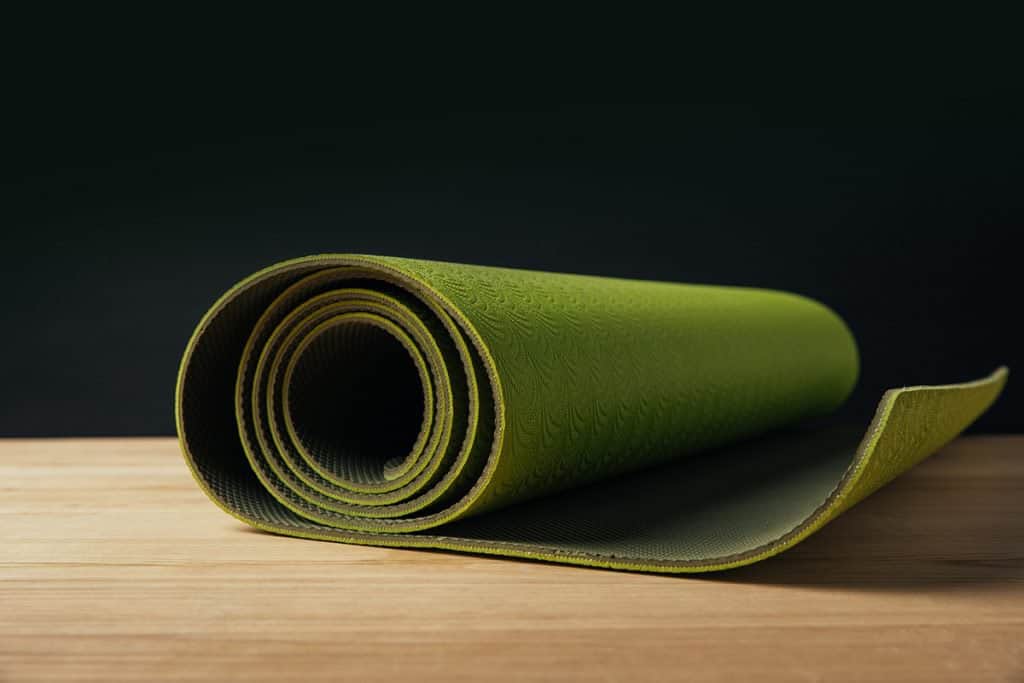
    A turntable mat or a platter mat is a thin, disc-shaped object covering the platter. You place the vinyl record on top of the mat before turning on the power. This way, you can prevent the vinyl record from getting scratches while playing.

    Moreover, a platter mat is about the same shape and size as the platter. It is also usually 1.5mm to 4mm thick.

    What Does A Platter Mat Do?

    The primary purpose of a mat platter is to dampen resonances. It also minimizes other vibrations from the surface where you place your turntable, the platter, and other record player parts.

    When used correctly, a platter mat can provide a higher quality of music experience. As a result, there will be lower skip rates, and the music will be more integrated with the system. This way, you will be able to create a more natural sound.

    However, it is essential to note that a turntable platter will not help you protect your vinyl record if you leave a record player on all night.

    Types Of Turntable Mat

    There are four significant types of turntable mats, and each of them can create different sound qualities.

    1. Felt Platter Mat

    Felt is the most aesthetically pleasing type of platter mat. But apart from aesthetics, this material reduces friction, thus allowing the vinyl record to spin quickly. The only downside is that felt attracts dirt and static.

    2. Rubber Platter Mat

    This type of platter mat is lightweight and firm. For this reason, it provides an extra grip on the platter. This additional grip lets the record stay isolated from vibration by ensuring it sits completely flat. However, it is worth noting that the rubber platter mat is useless if you leave a record player on all night.

    Moreover, rubber platter mats create a more profound and warmer sound.

    3. Cork Platter Mat

    Cork provides the most significant sound difference out of all platter mats. It is inexpensive, yet it can create a smooth contact between the platter and the record. Additionally, cork dampens resonances more effectively than other materials.

    4. Leather Platter Mat

    What makes leather an excellent material for a platter mat is that it can dampen sound and enhance its quality simultaneously. It is also popular for people who love bass, as leather can create a warm sound. This material is also soft and smooth, making it easy to remove the vinyl record when the music stops.

    Final Thoughts

    Leaving a record player on all night can harm the vinyl record and the device itself. You will increase the chance of scratching your vinyl record as the turntable’s needle may get stuck on the record grooves. Leaving your record player on all night can also damage the stylus.

    In addition, most record players only have 1000 hours of playback time. So, leaving it running all night will waste this time, thus reducing the lifespan of your record player.

    Source

    1. Brule, Steve. “I Accidentally Fell Asleep Listening To A Record And Left The Table Spinning All Night With The Cartridge On The Disc. Did I Just Completely Ruin My Cartridge?” Reddit
    2. Bonnie Brennen, Opting Out of Digital Media. New York: Routledge, 2019.
    3. Lorene Edwards Forkner, Handmade Garden Projects: Step-by-Step Instructions for Creative Garden Features, Containers, Lighting, and More. China: Timber Press, 2011.
    4. John Steventon, DJing For Dummies. West Sussex: John Wiley & Sons, Ltd, 2014.
    5. Sam Sauls, Craig Stark, Audio Production Worktext: Concepts, Techniques, and Equipment. UK: Focal Press, 2013.
    6. Jenna Miles, The Beginner’s Guide to Vinyl: How to Build, Maintain, and Experience a Music Collection in Analog. Massachusetts: Adams Media, 2017.
    7. ” How To Take A Record Out Of Its Cover Without Scratching It.” Popular Science, August 1957, 158.
  • Turntable vs. Record player: (We Explain the Difference)

    Turntable vs. Record player: (We Explain the Difference)

    Playing vinyl records is one of the most satisfying experiences you can have. If you’re into vinyl records, you may have faced the dilemma of having to choose between a turntable or a record player. So, are they different? 

    While turntables are the main part of record players, they can be standalone units. However, they need external amps or speakers. Turntables are compact, portable, and upgradeable, whereas record players are bulky, stationary, and non-upgradeable. However, record players often have more features.

    Keep reading this article to learn more about the differences between turntables and record players. We’ll go over each one in detail to help you make an educated choice. 

    Are Turntable and Record Players the Same?

    Turntables and record players aren’t the same, yet they work similarly. While both spin the records and use a cartridge to read the musical footprints carved onto them, turntables can’t play music independently. Conversely, record players have all they need for outputting music and even more.

    Here are some pros and cons of both devices to consider when you’re trying to figure out which one suits you best: 

    Turntable

    Pros

    • Easy to upgrade 
    • Customizable 
    • Portable 
    • Unlimited sound quality potential
    • Portable  

    Cons

    • Require maintenance 
    • Can be expensive  
    • Require additional components to set up

    Record Player

    Pros

    • Can work standalone
    • Lots of additional functions
    • Budget-friendly 
    • Stylish

    Cons

    • Sound quality may degrade over time
    • Large and stationary
    • Require care
    • Little upgrading potential   

    What Is a Turntable?

    You may have seen turntables as one of the main components of record players, but as we said, they’re purchasable as standalone units too. 

    A standalone turntable unit is a device for playing musical records. It’s made of components like a stylus, cartridge, and tonearm, but it doesn’t have any built-in speaker or amplifier. However, turntables are highly customizable, allowing you to enhance the sound quality.

    The biggest drawback of turntables is the lack of built-in speakers or amplifiers, but it can also be seen as their most significant advantage! 

    The lack of any components reduces their size and weight, making them even more convenient to carry around, leading to their higher customization potential. 

    Consequently, you’re free to add different components from the brands you prefer. Your options are literally endless. By choosing the right parts, you can improve the sound quality. As you know, built-in speakers and amps are no rival for external ones. 

    And while a turntable has limited features to offer compared to the record players, you can “scratch” them — something you can’t do on record players. Scratching is a technique used by DJs and turntablists in which they move the vinyl record back and forth to produce percussive or rhythmic sounds. 

    A turntable gives you the freedom to add any device and use it for different aims, but it all comes at a cost. While the turntable itself can be cheap, adding those external and high-quality components can significantly increase your expenses.

    The Components of a Turntable 

    A traditional turntable setup requires a preamp, an amplifier, and speakers for playing vinyl. Note that all these components are standalone units. 

    The turntable reads the records, and the preamp boosts the signal. The amplifier also strengthens the signal, and the speakers transform it into music you can hear.

    However, a turntable has more components. Although the parts in question vary by model, these are the most common ones found in almost every turntable:

    • Plinth: It’s the foundation of the turntable and supports the other components by separating them mechanically. So, ideally, it’s best if it’s made of heavy metal.
    • Tonearm: It’s the part of a turntable that grips the cartridge and moves it on the records while playing. One end of it is connected to the plinth.
    • Stylus: commonly called the “needle,” the stylus gets into the carved grooves on records and reads them. It’s ideally made from diamond, but, most commonly, it’s made of sapphire.
    • Platter: This is the part of the turntable that the records are placed on. This spinning surface plays a vital role in turntables. It maintains a consistent speed and prevents undesired vibrations.
    • Cartridge: It’s an electro-mechanical device translating what’s in the record’s grooves into an electrical signal that turns into music by amplification.
    • Speed selector: This component allows you to select at what speed the turntable spins. It will enable the turntable to spin and play music at 33 RPM (rotations per minute), 45 RPM, and occasionally 78 RPM. 

    Some turntables also have a preamp and produce line signals, while a turntable without a preamp produces phono signals. 

    Turntables allow you to change or upgrade some components to add the required parts. For example, you can change/upgrade the stylus or cartridge whenever you want. The stylus can wear out over time, and upgrading the cartridge can improve sound quality. 

    Besides, most turntables allow you to adjust the cartridge alignment, the stylus downforce, and anti-skate. Such adjustments can make the turntable deliver the optimal sound quality and reduce the wear and tear of your records.

    How a Turntable Works 

    As the name suggests, a turntable turns. It has a belt drive or direct drive motor that makes the platter that holds the record turn with it. Then when you place the stylus or needle on the record, it catches into the carved grooves on its surface. 

    These grooves, which appear as rings on the record, are pressed into it when it’s created. The stylus then reads these grooves and translates them into soundwaves (or phono signals) that go through the preamp to get amplified. 

    The audio signal is the electrical translation of vibrations from the record. It’s too weak to go into the speaker before amplification.

    That’s why they need other components. A turntable can’t play any music by itself. It needs a built-in or external preamp to boost the phono signal coming from the turntable. The preamp boosts it to a line-level frequency to make it usable by the amp.

    Then the signal is sent to an amplifier for further boosting, and finally, speakers output music as we know it.

    The speed at which a vinyl record is played is also critical — that’s why they’ve got a speed selector. This depends on the speed at which the record is originally “cut.” Most of them are either 33.5 RPM or 45 RPM. The older ones sometimes run at 78 RPM. 

    What Is a Record Player? 

    A record player is a comprehensive audio system setup equipped with built-in speakers, amplifiers, and a turntable. Besides, it comes with many additional features that allow it to play different file formats, including MP3, CD, radio, etc.

    Record players aren’t just simple players; they’re comprehensive systems with many components and functional features. They have their own built-in speakers and amplifiers, plus a turntable. So, basically, there’s no need to pay extra cash to buy additional components. 

    While these built-in components mean lower sound quality, they can suffice for most people to enjoy their music. However, most record player models allow you to use external components like preamps and speakers to improve sound quality.

    Besides, a record player offers convenience. You just need to plug it in and enjoy the music directly out of the box — no setup required. That’s why they’re usually budget-friendly unless you want extra functions, have an external preamp, or prefer high-end models.

    What’s more, record players have a lot of additional features in one place. For example, they can play a wide range of different formats, from MP3 and CD to AM/FM radio. Some can even copy the vinyl records to MP3 files or a CD. 

    However, record players are usually hefty devices that can’t be moved or carried easily. The inclusion of all those built-in components has turned them into large musical devices that occupy a lot of space. That’s why you typically set and forget them.

    Another drawback of record players is that you can’t use them for scratching.

    The Components of a Record Player

    Record players also come with a plinth, tonearm, stylus, platter, cartridge, and speed selector. But there’s more.

    Record players also have built-in preamps, amplifiers, and speakers. Since they’re all included in the box, you won’t need additional boxes or cables to play records. This feature poses some limitations regarding changing or upgrading the components or adjusting the cartridge and stylus. 

    Some modern record players have additional features that turn them into an all-inclusive audio entertainment set. Here are a few of those features:

    • Built-in CD drives
    • Cassette players
    • USB ports
    • Bluetooth
    • AM/FM radio

    You can even see record players equipped with audio converters and recorders, which allow professional musicians to record audio files and transfer them from vinyl to digital devices. 

    How a Record Player Works

    The basics of a record player are almost the same as a turntable. All those steps we mentioned above happen behind the scenes, and all you have to do to enjoy music is plug the record player in. 

    As mentioned, record players have all their required parts in one place and don’t need additional devices like speakers or amplifiers. Thus, once you power it on and place a record on its platter, the turntable does its job, and the produced signal is then amplified and heard from the speakers.

    The Difference Between a Turntable and a Record Player

    The main difference between a turntable and a record player is that a record player is an all-inclusive device. Turntables are only the main part of a record player and can’t play music without additional hardware. That’s because turntables don’t have built-in speakers and amplifiers. 

    This lack of built-in speakers and amplifiers leads to another key difference between the two devices — a turntable is small and more compact than a record player, making it much easier to move and carry around. 

    Another distinction between the turntable and the record player is the number of features. Turntables have very few features compared to record players. While modern versions of turntables come with Bluetooth, USB, and software, record players have more versatile features like audio converters and recorders. They allow you to mix and play vintage records with modern audio components. 

    Turntable vs. Record Player – Which One Is Better? 

    You can’t say with certainty which one is better; it heavily depends on what you expect from the device, along with a few other considerations. Besides, both have their own advantages and disadvantages. 

    A record player can’t work without the turntable, and a turntable cannot play music without additional devices to output the produced signals. 

    Today, many people prefer record players and are quite happy with them. That’s because it’s an all-in-one device that’s ready to play music once it’s plugged in. You don’t need additional devices or a specific setup. Besides, they offer a lot of functions, such as playing different formats and copying vinyl records to CDs.

    However, the biggest issue with a record player is the inability to upgrade its components, which usually aren’t of the highest quality — especially the preamp and speakers. Although some models allow you to use external hardware, a good turntable always beats a decent record player. 

    That’s why professionals and those who care more about sound quality opt for turntables. They’re highly customizable, allowing the DJs to connect whatever components they want to the turntable to achieve superior sound quality. Besides, turntables are more compact, allowing for better portability.

    The final decision, however, depends on your needs and considerations. 

    If you just want to enjoy music, get some retro vibes on budget, and don’t care about its large size and lack of portability, a record player can be your friend. But if you want excellent sound quality, have a high budget, and want something portable, only a turntable can satisfy you.

    Final Words 

    Turntables and record players have their own unique advantages and shortcomings. Look at your needs and consider your budget to make a wise decision. Not all people have sensitive ears. Some of us just want a pleasing retro record player as room decor!

  • Turntable Isolation: How To Eliminate Vibration (8 Tips)

    Turntable Isolation: How To Eliminate Vibration (8 Tips)

    If you own a turntable, there’s no doubt that sound quality is important to you. Nothing kills the mood more than your turntable skipping a beat when you walk across the room. Whether you are a vinyl novice or highly experienced in the world of turntables, you might be interested in some creative solutions for turntable vibration. 

    Here are eight things you can do to eliminate turntable vibration:

    1. Invest in quality isolation pads.
    2. Purchase turntable isolation feet. 
    3. Consider installing wall-mounted shelves for your speakers. 
    4. Separate your speakers and turntable. 
    5. Buy a turntable platform. 
    6. Make your own turntable platform. 
    7. Purchase a marble or granite platform.
    8. Use spikes for your turntable. 

    Below, we’ll expand on the nine tips for eliminating turntable vibration and ensuring you have an isolated, smooth sound. But first, let’s talk about the importance of sound isolation and what might be causing your turntable to vibrate in the first place. 

    The Importance of Sound Isolation

    When listening to music, isolation is everything. It’s easier to hear than explain, but we will go into the details anyway.

    Sound isolation separates sounds in the environment, allowing you to clearly hear just one sound. Sound isolation ensures that what you hear is pure and unaffected by other happenings within the same environment. 

    Noise isolation and noise-canceling are different but come with similar results, which is uninterrupted sound. Noise isolation is about setting up the environment and using materials in a way that minimizes noise, while noise cancellation uses technology to do so. 

    If the noises or vibrations of things around your turntable affect its performance, it won’t isolate your sound. The quality of what you’re hearing will be less isolated and not sound as good. Consider the example of someone signing at a concert. 

    The smaller the venue and less prominent outside noise, the more you’ll enjoy the performance. But if someone performed while construction was happening and fireworks were going off, it would make a difference, right? 

    You want your turntable to be as isolated as possible so you can enjoy your music without the influence of other factors. However, vibration is a common problem for turntable listeners. Below, we’ll talk about what might be causing your turntable to vibrate. 

    The Source of Turntable Vibration

    Picture this: you just purchased a new vinyl, the sound quality is immaculate, and then when you get up to dance, your turntable starts skipping. 

    Or, maybe, whenever you turn your speakers up to a certain volume, they start to jump. If you own a turntable, you know that sound quality is important. Whether you’re an audiophile or just enjoy listening to some good music, a vibrating turntable can be a huge bummer. But what could be causing it?

    If your setup isn’t right, some environmental factors contribute to turntable vibration. These can be easily fixed by adjusting the setup you have or buying a specific tool to combat the issue. Regardless, pinpointing the underlying cause will help you move forward in your troubleshooting process. 

    Below, we discuss some common reasons your turntable may be absorbing extra vibrations.

    Your Speakers Are Too Close to the Turntable

    You probably know that your speakers vibrate when you play music loud enough. The video below is a great illustration of this concept:

    That said, if your speakers are too close to the turntable, the vibration from the speakers may also cause your records to skip. Beyond this, it may even end up damaging your vinyl. Your vinyl produces sound when the needle touches the many grooves on the record. If your speakers are too close and the sound vibration starts to jump your needle, it can ultimately damage the vinyl.  

    Vibration From Movement Near the Turntable

    Another common reason your turntable is skipping is movement, but if that’s the problem, you might have already noticed. 

    Many turntable users complain about their turntable skipping if they walk too quickly or heavily. It can be disappointing if you want to use your turntable to dance or use it at a party, where lots of people will be walking around. 

    As you move, the needle and turntable will react to your movement. Particularly with hardwood floors, vibration can be a problem. If you have your turntable on a not-so-sturdy shelf or have hardwood floors, even walking across the room may be what’s causing vibration.

    Your Shelf Isn’t Level 

    Another common reason for vibration problems that usually gets overlooked is whether or not the turntable is level. 

    If you have your turntable on a shelf or stand that isn’t sitting perfectly level, it can cause the needle and speakers to vibrate more aggressively. This issue could also be a matter of how your floors are situated. If your floors aren’t level, then the same problem can occur. 

    To know if your floor or shelf is level, you can buy a leveler online or from most hardware stores. If the little air bubble isn’t in the exact middle of the green liquid, then you have a problem. This problem can directly affect the vibration of your speakers and damage the sound quality. 

    Consider this factor when you set up your turntable and speakers. Even if you have a level shelf and a level floor, putting your speakers on top of a book or otherwise unsteady base can also lead to vibrations.  

    Tips for Eliminating Vibration

    Now, we’ll expand on the tips we listed above for isolating sound and eliminating turntable vibration. None of these solutions will solve your problem single-handedly, and the tips below aren’t one-size-fits-all, either. As discussed above, a lot of the issues can be based on the environment you have your turntable in. 

    Experiment with different combinations of the tips below and see what works best for you. As always, research products within your budget that still have the quality you’re looking for. 

    1. Invest in Quality Isolation Pads

    Your setup matters, and to get quality sound, you need quality accessories.

    Isolation pads were invented with sound quality in mind. They prevent feedback and movement from your turntable even when the volume is at the highest. Additionally, they help your turntable sit still if the speakers are causing the needle to jump or vibrate.

    Typically, isolation pads are made with rubber or foam. You put your turntable directly on top of the isolation pad for movement prevention. Having your turntable on top will absorb the shock of vibration and keep it stable. 

    Here are some of the most recommended isolation pads on Amazon.com:

    Good Vibrations Turntable Isolation Pad 

    This isolation pad is made of natural textured rubber and sold by a veteran-owned business. The pad comes in quite a few sizes, so you can pick which one would best fit your set-up. 

    The natural rubber ensures no rub off or damages to the furniture you have your turn-table on and guarantees to stop turntable movement. 

    Auralex Acoustics Sound Damping Products 

    Auralex Acoustics is known for its high-quality products for sound isolation. This isolation pad is about two inches thick and made from a foam material. With this isolation pad, the foam not only stabilizes the turntable but absorbs excess feedback. 

    This product has a ton of five-star reviews and users singing their praises in the comments section. Definitely consider this isolation pad if you’re looking for something made of foam, which will be a good fit in a hardwood setting. 

    Auralex Acoustics Sound Damping Products (ISOTONE)

    Sound Addicted Studio Monitor Isolation Pads

    These isolation pads, made with acoustic foam, are made to absorb vibration from speakers. If you have found that the speakers connected to your turntable are the actual problem, these isolation pads will be perfect.

    You’ll simply set your speakers on top to use these isolation pads. The Sound Addicted Studio isolation pads can hold speakers up to twenty-four pounds without changing shape. Once atop the isolation pads, your speakers will stop vibrating, and all feedback that may bounce off of their stand will be absorbed. 

    These isolation pads are an Amazon Choice product and have thousands of positive reviews. 

    Sound Addicted - Studio Monitor Isolation Pads for 3-4.5 inches Small Speakers, Pair of 2 High Density Dampening Acoustic Stands Foam which Fits most Bookshelf’s and Desktops | SMPad 4

    2. Purchase Turntable Isolation Feet 

    Another common way turntable experts isolate sound for their turntables is with isolation feet.

    Your turntable will produce audio feedback from being on any surface unless you use an isolation pad like those discussed above. Turntable isolation feet help to elevate your turntable, so there’s less feedback from the material under it. It also helps the turntable stabilize from vibrations that your platform may be experiencing.

    To use turntable isolation feet, you’ll just put them onto your platform and put your turntable on top. Some isolation feet require you to screw them in, but it’s not difficult to do. You’ll simply screw them into the bottom of your turntable. Most feet sets come with instructions on the best way to connect them to the turntable. 

    Below, we list the most audiophile-recommended turntable isolation feet.

    Tuneful Cables Sound Isolation Pads 

    These little isolation feet require no extra hardware. Built like little platforms, you’ll just set them up on your stand and then place the turntable on top. They’re made with corkboard, giving your setup a cute boho touch if that’s your style. 

    Tuneful Cables Sound Isolation Pads. Cork Pads for Turntables to Reduce Vibration & Skipping (1" Pack of 4)

    This set will be a great pick if you want to isolate sound with minimal hardware. You don’t need to screw or stick them to the surface, making them easy to remove if you need to change the position of your setup. 

    Tuneful Cables Sound Isolation Pads. Cork Pads for Turntables to Reduce Vibration & Skipping (1" Pack of 4)
    Tuneful Cables Sound Isolation Pads  from Amazon

    IsoBlock Silicone Isolation Feet

    The IsoBlock Silicone Isolation Feet is another excellent choice if you aren’t interested in doing any installation or replacing the feet already on your turntable. These silicone feet are said to absorb about 95% of vibration. They hold sixty pounds, which is excellent for nearly all turntables. They’re soft enough to absorb any vibration and sturdy enough to bear the weight of your speakers or turntable. 

    The Isoblock Silicone Isolation Feet have lots of glowing reviews and ranks in pretty close to five stars. 

    IsoBlock Silicone Isolation Feet (4 Pack, Soft Block 60lb Capacity) Non-Adhesive

    Preffair Store Audiophile Turntable Isolation Stand Feet

    Preffair Store Isolation Stand Feet are shockproof and crafted with aluminum. Each pack comes with four items, so you can use them under your turntable or speakers, depending on which you believe is causing the vibration issue. 

    These isolation feet are the most unique-looking of the ones we have listed. Some people will appreciate the design with visible aluminum alloy springs, while others might want to look elsewhere. Another possible con is that the brand, Preffair, is written right across the feet, which may be unideal if you want an aesthetic appeal. 

    Audiophile Turntable Isolation Stand Feet, Aluminum Adjustable Speaker Floor Protector Mats, Non-Slip Subwoofer Spring Vibration Absorber Spikes, LP Vinyl Record Player Shockproof Base Pad.(4 Pack)

    Sound Addicted Isolation Feet

    These little silicone rubber isolation feet will do the trick if your speakers are causing skipping. Unique from the ones above, they stick onto either the platform where you have your speakers or directly onto them. 

    The Sound Addicted Isolation Feet are created with speakers in mind, and because they’re sticky, you should probably avoid using them on your turntable. 

    Sound Addicted Subble 1.2 '' (8 Pack) Isolation Feet Suitable for 3'' - 5'' inch Speakers, The Hemisphere Bumper with Adhesive Will Prevent Vibrations and Improve The Sound of Your Monitors | Subble

    3. Consider Installing Wall-Mounted Shelves for Your Speaker

    As we discussed above, an essential factor in sound isolation is the surface that your turntable and speakers are on. 

    Though it might take a lot of effort to find a shelf sturdy enough and large enough for your turntable, you can quickly put your speakers on some wall shelves. This setup will keep your speakers from damaging your vinyl. It will also prevent the vibration of your speakers from shaking your turntable. 

    Quite a few brands make wall shelves specifically for speakers and audio, but any set should do the trick. Using isolation pads or feet in tandem with wall-mounted shelves ensures that the speakers have feedback absorbed rather than audio bouncing off of the shelves. 

    Another critical piece of installing wall-mounted shelves is to ensure they’re level. Otherwise, gravity may take control and affect the vibration of your speakers.

    4. Separate Your Speakers and Turntable 

    If you live in an apartment and can’t install shelves or drill holes in your wall, you can still use the same concept as the tip above. 

    Separating your speakers and turntable will help reduce feedback and vibration. As discussed in the first section, speakers vibrate even with quiet sound. The louder you play your music, the more aggressively your speakers will vibrate. This can damage your vinyl, as too much jumping will damage the grooves within the record. 

    Separating your speakers from your turntable is an easy, cost-effective fix for vibration. Just be sure to keep the safety of your speakers in mind. Experts suggest not putting your speakers on the floor, as it may put them at risk of flood or other damage, 

    5. Buy A Turntable Platform

    A turntable platform combines the power of an isolation pad and isolation feet, but the price tag can be pretty steep. 

    Turntable platforms can set your turntable on top to absorb vibration and prevent feedback. Not just anything can perform as a turntable platform, though it may be tempting to just set your turntable on top of a thick book or cutting board. Turntable Platforms are usually made of high-quality materials to ensure the audio isn’t compromised. 

    Below, we list a few of the top-rated turntable platforms on Amazon.com: 

    Butcher Block Acoustics Audio Isolation Platform 

    Purchasers have given the Butcher Block five stars and rave about its quality construction. This platform is stylish and made of quality material. It resembles a cutting board and sports turntable isolation feet already connected. The Butcher Block Acoustics platform is made with sugar maple wood, which is rare and gorgeous in and of itself. 

    Butcher Block Acoustics Audio Isolation Platform - Edge Grain - with Threaded Brass Inserts - Includes ISO-FEET (17" x 14" x 1-3/4", Maple)

    IsoAcoustics Delos Turntable Isolation Butcher Block Series

    This professional butcher block platform has six high-quality isolation feet attached to it. This turntable platform detaches the turntable from the surface it’s on top of, minimizing the vibrations. You can even choose between walnut or maple to match the aesthetic of your set-up. 

    IsoAcoustics Delos Turntable Isolation Butcher Block Series: 2216M1 (22" W x 16" D x 1.75" H) Maple

    IsoAcoustics zaZen Series Isolation Platform 

    The IsoAcoustics platform has a more modern finish, with slick black gloss covering the entire thing. This isolation platform has four isolation feet and was tested at the National Research Council of Canada. 

    It comes in two different versions, one with 40 lbs (18.1 kg) weight capacity and one with 25 lbs (11.3 kg) weight capacity. This way, you can choose the one that best suits the weight of your turntable.

    IsoAcoustics zaZen Series Isolation Platform 17" W x 15" D: zaZen I (25 lbs Max)

    Inevitably, when looking for the right platform, you might see some users in the comment section complaining that they had built a better platform themselves for half the price. Below, we discuss this option. 

    6. Make Your Own Turntable Platform 

    As mentioned above, turntable platforms can be an expensive investment. If you don’t want to purchase one and want to see if the concept will even help your turntable, you can build your own. 

    That will be more of a time investment but will save you money if you’re satisfied with the outcome. YouTube user Bits Bytes Bobs shares how they made a double platform for isolation for less than fifty dollars: 

    You can also use other everyday objects to make your own turntable platform or repurpose other furniture. This user used Ikea furniture to build their own turntable platform:

    Regardless, if you decide to invest later in a high-quality and more expensive turntable platform, building one yourself will allow you to see the difference a platform can make for your setup.

    7. Purchase a Marble or Granite Platform 

    If money isn’t an object, using marble or granite as a platform is the ultimate choice. 

    On audiophile forums, some turntable users say that they have repurposed leftover granite or marble from household projects. A great thing about this solution is that granite and marble aren’t so easily moved, so even significant movements in your home won’t affect your turntable as frequently. Additionally, these materials last a long time, so if you invest in a slab, you can keep it for a long time. 

    8. Use Spikes for Your Turntable 

    Spikes are similar to isolation feet but a little bit different. They work in the same way, lifting your turntable off of a surface so that it’s less prone to being disturbed by movements. 

    Spikes are usually adjustable, meaning you can move the height up and down depending on your preference. They’re rarely as easy to install as feet, though, and you might have to install them directly onto your turntable, which might not be ideal if you just want to test them out.

    Below, we detail two examples of isolation spikes found on Amazon. 

    Awpeye Store Golden Speaker Spikes 

    These golden speaker spikes are adjustable and come with double-sided adhesive for installation. The gold is super attractive and fits well with any finish of the turntable. 

    8 Set Golden Speaker Spikes, Speaker Stands Subwoofer CD Audio Amplifier Turntable Isolation Stand Feet Cone Base Pads

    Awpeye Speaker Spikes have the capacity to hold a record player that’s one-hundred pounds or lighter, which is a relief for those who might worry about putting their turntable on something. If your turntable is heavier or closer to that one-hundred-pound mark, these might not be the ideal spikes. 

    Facmogu Speaker Spike 

    The Facmogu Speaker Spikes are made from stainless steel and can hold up to four-hundred and fifty pounds. There are few turntables out there with that kind of girth, so this will likely hold up any turntable effectively. 

    These spikes also come with two-sided adhesive, which seems to be the only complaint in the comments. Get ready for an easy install, but come prepared with backup plans to get them fitted just right. 

    Facmogu 4 PCS Stainless Steel Speaker Spike Shockproof 28-32mm Adjustable Isolation Feet Stand Cone Pad for Turntable Amplifier CD DAC Recorder with 3M Adhesive

    Key Takeaways

    Sound isolation is essential for a quality turntable experience. It’s common to experience some vibrations or skips in your record playing. That’s especially true if your environment hasn’t been set up for ideal sound quality.

    To eliminate the vibrate in your turntable, you can try: 

    • Getting an isolation pad.
    • Buying turntable isolation feet.
    • Moving your speakers away from your turntable.
    • Wall mounting your speakers.
    • Finding a new turntable platform. 

  • 10 Vintage Amplifiers for Turntables We Bet You Would Like

    10 Vintage Amplifiers for Turntables We Bet You Would Like

    If you own or are looking for a turntable, it means that you appreciate a good, smooth sound, and you enjoy high-quality sound systems. It also means that you need an amplifier, in which case you might be considering choosing a vintage one. So what are the best vintage amplifiers for you out there?

    Here’s a list of some vintage turntable amplifiers that are generally considered to be among the best.

    1. NAD 3020
    2. Marantz 2270
    3. Pioneer SX-1250
    4. Yamaha CR-1020
    5. Sugden A21
    6. Mission Cyrus 2
    7. A&R A60
    8. Audiolab 8000A
    9. Creek CAS4040
    10. Naim NAIT

    This article elaborates on the features that make these vintage amplifiers the best choice for your turntable. We’ll also give you some useful points to consider before choosing a vintage amplifier. 

    Factors To Consider

    Amplifiers are essentially devices that boost (or indeed, amplify) the power of a signal. You need an amplifier to have a strong enough signal to drive the speakers. 

    An amplifier with an AM/FM radio tuner built-in (an integrated amplifier) is called a receiver. In order to choose the option that would best suit your needs, you should keep in mind where your priorities lie when looking for an amplifier.

    Some important amplifier features that you might want to consider before making an expensive purchase are:

    • Power (measured in Watts): the maximum power that an amplifier can extrude.
    • Headroom: the extent to which an amplifier can reproduce sudden, very loud sounds.
    • Distortion: anything that degrades the signal and, consequently, the sound’s quality.
    • Output Impedance: the amount of restriction of a speaker to the power of an amplifier.
    • Frequency Response: the extent to which the output of the amplifier is affected by the frequency of the signal received by the input terminal.

    All of these features contribute to the quality of the sound and the general experience of  enjoying music recordings. Once you know the characteristics of an amplifier, all you need is to review your options. Nowadays, a lot of audiophiles choose vintage amplifiers, and not just because they’re cool and interesting to look at.

    New isn’t always better when it comes to hi-fi. There are a lot of vintage amplifiers that not only work perfectly but are also aesthetically pleasing while being reasonably priced. Having said that, before you choose to go the vintage route, you need to make sure that the amplifier is in good condition and safe to use.

    So what are the best vintage amplifiers for turntables out there?

    Best Overall: NAD 3020 

    Specifications:

    • Power output: 20 watts per channel into 8Ω (stereo)
    • Frequency response: 10 Hz to 70 kHz.
    • Total harmonic distortion: 0.02%
    • Input sensitivity: 2.5mV (MM), 150mV (line)
    • Signal to noise ratio: 75 dB (MM), 110 dB (line)
    • Dimensions: 420 x 96 x 240 mm (17 x 4 x 9 in)
    • Weight: 5.26 kg (11.60 lbs)
    • Year: 1978
    • Price: c.$150

    NAD 3020 is probably one of the most classic and well-known vintage amplifiers. It was a game-changer for amplifiers in many ways, and it became one of the best-selling integrated amplifiers.

    The power output of NAD 3020 is among the lowest and yet it can outperform speakers with a much higher power level. This is thanks to the design of the power supply system that allows it to perform exceedingly well with more complex speakers.

    NAD 3020 is the best example of a high-quality budget amplifier. The sound is soft and sweet, and the bass is incredible. These qualities also make it ideal for those buying an amplifier for the first time who want to experience its benefits without making a risky investment. 

    This amplifier has a notable feature called “Soft Clipping,” which limits the output of the amplifier in cases when it’s being pushed to higher volume levels. This way, the sounds stay cleaner and softer, avoiding distortion.

    It’s hard to find better features and value when it comes to the under $200 price point, this is why the NAD 3020 takes the best overall title.

    Marantz 2270 Stereo Receiver

    Specifications:

    • Power output: 70 W per channel into 8Ω (stereo)
    • Frequency response: 7Hz to 50kHz
    • Total harmonic distortion: 0.3%
    • Input sensitivity: 1.8mV (MM), 180mV (line)
    • Speaker load impedance: 4Ω to 16Ω
    • Dimensions: 17-21/64 x 5-25/64 x 14 inches (356 mm)
    • Weight: 38.5 lbs (174.6 kg)
    • Year: 1973
    • Price: $550 – $1300

    Marantz is well known for building some of the finest pieces of hi-fi, especially its 2200 series of receivers. Audiophiles regard Marantz receivers as some of the best, being able to go against even modern amps nowadays.

    Marantz 2270’s sound is rich, full, and warm, ideal especially for orchestral recordings; reviewers say it feels like it fills the whole room. The design is unique and quite memorable with the blue backlit dials and the aluminum faceplates. Its combination of features make it ideal for more experienced users and collectors looking to find the finest options the market has to offer.

    When it comes to the price, the Marantz 2270 is among the more expensive Amplifiers, which makes it a true investment piece. You might find one in pretty good condition at around $550, but others are valued at more than $1200. While it might be costlier than others, it’s relatively easy to find replacement parts if you would like to service it..

    Pioneer SX-1250 Stereo Receiver

    Specifications:

    • Power output: 160 watts per channel into 8Ω (stereo)
    • Frequency response: 10Hz to 50kHz
    • Total harmonic distortion: 0.1%
    • Speaker load impedance: 4Ω (minimum)
    • Dimensions: 556 x 186.5 x 464.5 mm (22 x 7.3 x 18.3 in)
    • Weight: 29.2 kg (64.4 lbs)
    • Year: 1976
    • Price: $800 – $3700

    A beast from the 1970s, the Pioneer SX-1250 is a high-quality receiver with plenty of power and a sleek, vintage design. The sound is clear and detailed. The sound quality is superb, and the wood-side panels with the silver faceplate make this receiver a classic. It’s quite large and heavy, a testament to the tendency of manufacturers’ wattage wars at the time for big, powerful amps.

    The price varies, but it’s possible to find it on sale. One downside is that some of them need restoration and new parts, because at the moment they’re more than 40 years old. 

    The good news is that finding Pioneer SX-1250 parts in decent condition isn’t as challenging as you may think. 

    However, you can also find some options in perfect condition, which are reasonably much more expensive.

    Yamaha CR-1020

    Specifications:

    • Power output: 70 watts per channel into 8Ω (stereo)
    • Frequency response: 10Hz to 100kHz
    • Total harmonic distortion: 0.05%
    • Input sensitivity: 2mV (MM), 120mV (line)
    • Signal to noise ratio: 81dB (MM), 100dB (line)
    • Output: 120mV (line)
    • Speaker load impedance: 4Ω to 16Ω
    • Dimensions: 540 x 167 x 415 mm (21.3 x 6.6 x 16.3 in)
    • Weight: 18.8 kg (41.4 lbs)
    • Tuning range: FM, MW
    • Year: 1977
    • Price: $800-$1200

    Yamaha CR-1020 was introduced in the late 1970s and to this day is regarded as a great, high-quality piece of hi-fi. It’s known for the excellent quality of sound as well as the famous

    “loudness” dial that Yamaha amplifiers were known for at the time.

    Although modest in terms of power, the CR-1020 has a full, clean, and detailed sound.

    The bass is impressive, and the drums sound incredibly full. You might like the loudness control dial, which gives you a bass boost at low volume.

    The CR-1020 is particularly good-looking and unique compared to most amplifiers. Its silver fronts with analog power meters and the vintage wood side panels give it a distinct appearance.

    Like the Marantz, this amplifier can also be quite expensive compared to most vintage amplifiers, though the price will depend on the condition. You can find CR-1020s in good condition at $800 to $1200.

    Sugden A21

    ​Specifications:

    • Power Output: 23 Watts into 8 Ohms
    • Frequency Response: +/-1dB 10Hz-20kHz
    • Signal to Noise: 70dB (MM), 70dB (ceramic), 80dB (line)
    • Phono Input Sensitivity: 3mV/mm, 0.2mV/mc for max. output
    • Dimensions: 393 x 127 x 228 mm (15.5 x 5 x 9 inches)
    • Gross Weight: 11 kg (24 lbs)
    • Year: 1969
    • Price: c. $200

    The Sugden A21 is another high-quality amplifier dating back to the late sixties. Nowadays, you might recognize the name from some later models, but the one I want to talk about is the 1969 one.

    The Sugden A21 provides a sharp, clear sound with a lot of depth to it and remarkable bass quality. Although it’s rated at a much lower power level than others, it can hold its own among competitors. The Sugden A21 is relatively small compared to a lot of amplifiers. The design is simplistic but elegant.

    The prices at which you can find the Sugden A21 are pretty reasonable, especially compared to other vintage amplifiers. One disadvantage is that it uses DIN connectors, which can create problems with connectivity in the long run.

    Mission Cyrus 2

    Specifications:

    • Power output: 50 watts per channel into 8Ω (stereo)
    • Frequency response: 1Hz to 50kHz
    • Total harmonic distortion: 0.003%
    • Input sensitivity: 0.2mV (MC), 3mV (MM), 50mV (line)
    • Signal to noise ratio: 75dB (MC), 84dB (MM), 86dB (line)
    • Dimensions: 85 x 215 x 345 mm (3 x 8 x 14 in)
    • Weight: 5 kg (11 lbs)
    • Finish: black / grey
    • Year: 1984
    • Price: c. $350

    Cyrus 2 is a stylish amplifier from the 1980s that immediately catches your eye. It features a significant improvement from its predecessor, Cyrus 1, with increased headroom and power.

    The sound of Cyrus 2 is lively, powerful, and quite precise. It performs well enough to compare with modern amplifiers. The case has a unique look with incredible paintwork. All these features come at a pretty reasonable price point, which means the amplifier will deliver a lot of value for your investment..

    One major advantage of Cyrus 2 is the fact that the company is still committed to servicing even the earliest models in order to bring them back to life. Therefore finding parts and maintenance services is significantly easier than with other alternatives. 

    A&R A60

    Specifications:

    • Power output: 40 watts per channel into 8 ohms (stereo)
    • Frequency response: 20Hz to 20kHz
    • Total harmonic distortion: 0.2%
    • Input sensitivity: 0.1mV (MC), 2mV (MM), 100mV (line)
    • Signal to noise ratio: 63dB (MC), 70dB (MM), 85dB (line)
    • Dimensions: 450 x 255 x 60 mm (18 x 10 x 2 in)
    • Weight: 5 kg (11 lbs)
    • Year: 1977
    • Price: c. $70

    The A&R A60 is another affordable amplifier from 1977. It’s an excellent classic with good

    sound and an impressive built-in phono stage.

    The sound is smooth and powerful without being too harsh or abrasive. The bass is superb, although it doesn’t exactly pack a punch the way some contemporaries in the same price range do. The A60 impresses with an eye-catching, sleek, and retro design when it comes to design.

    The A&R A60 is very affordable; you may find earlier versions with DIN sockets at around $30, or you can spend a little more for later, more sophisticated versions. Either way, it can be an excellent starting point from which you can move onto more sophisticated models. Therefore if you’re looking to buy your first amplifier, this might be the ideal choice.

    Audiolab 8000A

    Specifications:

    • Power output: 60 watts per channel into 8Ω (stereo)
    • Frequency response: 20Hz to 20kHz
    • Total harmonic distortion: 0.05%
    • Input sensitivity: 0.11mV (MC), 2mV (MM), 100mV (line)
    • Signal to noise ratio: 75dB (MC), 78dB (MM), 80dB (line)
    • Speaker load impedance: 4Ω to 16Ω
    • Dimensions: 445 x 74 x 335 mm (18 x 3 x 13 in)
    • Weight: 7.6 kg (16.8 lbs)
    • Year: 1985
    • Price: c. $300

    Audiolab 8000A is a powerful, high-quality amplifier with a clear and cohesive sound. It first came out in the 1980s, but it was produced by Audiolab until the 90s, so you may find newer versions.

    The sound of 8000A is very powerful and dynamic, although it can get harsh if pushed too hard. The design includes many exciting features, and the tone controls are excellent.

    A disadvantage of 8000A is that sometimes the quality of connections and sockets

    might be poor, and it might need servicing.

    Creek CAS4040

    Specifications:

    • Power output: 30 watts per channel into 8Ω (stereo)
    • Frequency response: 20Hz to 20kHz
    • Input sensitivity: 2.5mV (MM), 250mV (line)
    • Signal to noise ratio: 79dB (MM), 79dB (line)
    • Dimensions: 420 x 60 x 185 mm (17 x 2 x 7 in)
    • Weight: 4.4 kg (9.7 lbs)
    • Year: 1983
    • Price: c.$90

    This amplifier is known for its very soft and smooth sound. It came out in the early 1980s, and even when it was introduced, it was presented as a high-quality amplifier at a more reasonable price than most. For a budget amplifier, it was incredibly popular and managed to stand apart from the rest at the time.

    CAS4040 has a sweet musical sound, much smoother than most of its competition at the time. It is powerful and dynamic enough for its size. Some disadvantages of the original included a high level of distortion at times, which was then remedied in the subsequent units produced.

    You can find a CAS4040 at excellent prices nowadays, ranging from $150 to $400.

    Naim NAIT

    Specifications:

    • Power: 13 watts per channel into 8 ohms
    • Features: mute switch, tape monitor switch, Solid-state integrated amplifier
    • Inputs: one tape monitor, one MM phono input, two line-level inputs
    • Dimensions: 206 x 286 x 76 mm (8 x 11 x 3 in)
    • Year: 1984
    • Price: c.$860

    Naim Nait is probably one of the most legendary pieces of hi-fi of all time. Introduced in 1983, the Nait was the subject of many debates because of its unique sound and design. Decades later, it’s still considered a legend and a favorite among integrated amplifiers.

    Nait’s sound is strong and dynamic, despite the low power output. The tone is warm, and the bass is dry. Nait shines in the high range, smoothing the edges, but it can be harsher in the mid-range.

    The design of the Naim Nait is elegant and simplistic; it’s a small, black aluminum case. It’s pretty expensive compared to other 1980s amps, but its unique sound makes it worth the money.

    Price Comparison

    Vintage AmpPrice
    NAD 3020 c. $150
    Marantz 2270 $550 – $1300
    Pioneer SX-1250 $800 – $3700
    Yamaha CR-1020$800-$1200
    Sugden A21c. $200
    Mission Cyrus 2c. $350
    A&R A60$70 – $150
    Audiolab 8000Ac. $300
    Creek CAS4040c.$150-$400
    Naim NAITc.$860

    As you can see, the price ranges from $70 to $3700, which is not unusual because we’re talking about vintage amplifiers. You might find much lower or higher prices at a vintage store near you, but these are the prices you will most likely encounter.

    The cheapest options would be A&R A60, Creek CAS4040, NAD 3020, and Sugden A21. Even though they’re relatively inexpensive, that doesn’t mean they won’t perform at the same level as the most expensive ones. These cheap turntable amplifiers are smaller and more compact than the others, but they produce high-quality sound nonetheless.

    Power Comparison

    Vintage AmpPower
    NAD 302020 W per channel into 8Ω
    Marantz 227070 W per channel into 8Ω
    Pioneer SX-1250 160 W per channel into 8Ω
    Yamaha CR-102070 W per channel into 8Ω
    Sugden A2123 W per channel into 8 Ω
    Mission Cyrus 2 50 W per channel into 8Ω
    A&R A6040 W per channel into 8Ω
    Audiolab 8000A60 W per channel into 8Ω
    Creek CAS404030 W per channel into 8Ω
    Naim NAIT13 W per channel into 8Ω

    The most powerful turntable amplifier is the Pioneer SX-1250, at 160 W, followed by Marantz 2270, Yamaha CR-1020 at 70, and Audiolab 8000A at 60.

    The greater the power output, the louder the amplifier will be. Plus the difference between a 50W amplifier and a 100W one doesn’t mean that the latter will be twice as loud as the former.

    Generally, an amplifier at 50 to 100 watts is good enough for a home setting. Anything more than that would be more suitable for bigger spaces.

    Best Vintage Turntable Amplifier

    The best vintage turntable amplifier I can recommend would be the NAD 3020, based on a combination of features and price. It’s a very high-quality amplifier that provides smooth, clear, and detailed sound. It might not have the biggest power output, but it can still outperform even new amplifiers, thanks to the impeccable craftsmanship with which it was designed.

    At around $150, it’s among the cheapest options you might have for vintage amplifiers for the kind of quality it offers. If you’re after power and are willing to spend whatever it takes, Marantz 2270, Pioneer SX-1250, and Yamaha CR-1020 are probably three other good options.

    If you’re looking for cheaper vintage amplifiers that still provide a perfect sound, you may check A&R A60 and Creek CAS4040.

  • Can You Use Goo Gone on Vinyl Records?

    Can You Use Goo Gone on Vinyl Records?

    We all know how annoying it is to get adhesive off something, especially when it’s a vinyl record. In the case of a jar of tomato sauce, you probably don’t care about the state of the jar, so it doesn’t matter how you clean it. However, when cleaning a vinyl record, you want to ensure that the method you’re using won’t damage the delicate surface. 

    You can use Goo Gone on vinyl records to remove sticky residue that won’t come off on its own. Goo Gone applied to a clean cloth is a safe and convenient way to clean your vinyl records without damaging them.

    In the rest of this article, I’ll cover how to use Goo Gone works, how to use it to clean your vinyl records, as well as some popular alternatives to Glue Gone to remove adhesive from records. 

    How Does Goo Gone Work?

    For the most part, when you’re looking for adhesive removers, you’ll find products similar to mineral spirits, and they work fairly well. However, if you’re looking for something that’s a little bit safer to use and won’t damage your vinyl records, Goo Gone is a great product to try out. 

    Goo Gone works by taking the natural chemicals and enzymes found in citrus fruits and concentrating them. The enzymes and chemicals work to eat away at the sticky residue without using harsh chemicals, making it a great choice for vinyl records.

    Many adhesive removers use harsh chemicals that are unsafe to use around children and may cause damage to surfaces. However, Goo Gone is different. Goo Gone uses the natural components of citrus fruits to create a compound that can eat through adhesive. 

    All you have to do is: 

    1. Apply the product.
    2. Let it soak into the adhesive for up to 10 minutes.
    3. Wipe it away, and you should be good to go.

    Since it’s formulated from natural citrus fruits, it won’t leave a lingering unpleasant odor that many other products will. 

    How To Use Goo Gone on Records

    Goo Gone is the perfect tool for removing sticky residue from vinyl records. Here’s everything you need to know before wiping down your collection with it:

    Goo Gone Adhesive Remover - 8 Ounce - Surface Safe Adhesive Remover Safely Removes Stickers Labels Decals Residue Tape Chewing Gum Grease Tar

    1. Remove As Much of the Adhesive As Possible

    The first step to removing the sticky adhesive from your vinyl records is to physically remove as much of it as possible. That way, the Goo Gone doesn’t have to eat through several layers of adhesive, so you can avoid applying it more than once.

    Of course, your best bet is to use a clean microfiber cloth. Don’t use sharp objects like razor blades to scrape away the excess residue, as they will forever ruin the grooves on your vinyl. Doing this should leave you with the minimum amount of adhesive possible. That way, the Goo Gone can do its job fairly quickly.

    If you’re concerned about damaging your vinyl record with physical removal, then you can skip this step. You’ll simply need to do a few more rounds of the chemical removal to make sure all the adhesive is removed. 

    2. Apply the Goo Gone

    Now it’s time to apply Goo Gone. Here’s a step-by-step on how to do it:

    1. Spray the dirty surface of your vinyl record with Goo Gone. Ensure the residue is completely saturated.
    2. Allow the Goo Gone to sit for 5-10 minutes. This ensures that the citric acid has time to mix and break down the sticky residue.
    3. Wipe it off using a clean cloth. Only wipe once with each side of the cloth to ensure you’re not leaving any residue.

    3. Remove All Traces of Goo Gone

    Now that you’ve wiped the Goo Gone off with a cloth, you’ll want to use rubbing alcohol to make sure you’ve removed every trace of it. 

    You can also use soap and water, but rubbing alcohol will be easier to work with and keep your vinyl from getting too wet. That’s because alcohol evaporates extremely quickly.

    4. Reapply Goo Gone if Needed

    Now that the Goo Gone is gone (pun intended), inspect your record to see if the residue is gone. 

    If not, you should repeat steps 1-3 until all adhesive has been removed from your vinyl record. Also, be sure to allow the Goo Gone to sit long enough.

    What Are Some Alternative Methods to Remove Goo Gone?

    There are seemingly a thousand different methods for removing adhesive from vinyl records, and nobody can agree on which one is best. The most common alternative methods are using lighter fluid, playing the record, using a stylus brush, and cleaning with distilled water.

    Lighter Fluid

    Across all of the vinyl record forums and online groups, lighter fluid seems to be the most popular choice for removing adhesive. It’s cheap, and most of the time, you already have it around the house.

    To use lighter fluid to remove adhesive, you’ll use it just like Goo Gone: 

    1. Pour a little bit on top.
    2. Let it soak for a few minutes.
    3. Wipe it off with a clean cloth or paper towel.
    4. After you’ve wiped it off, just check to make sure all the adhesive was removed. If not, you can reapply it.

    Play the Record

    Another alternative method, which is super simple, works very well if the adhesive has actually made its way into the record’s grooves. Here’s how to use this method: 

    1. Remove as much of the adhesive as possible.
    2. Put the stylus into the affected section and run it repeatedly. 

    As the stylus runs through the affected area, it will slowly chip away at the adhesive until the groove is clear. Remember that this won’t eliminate all the glue, just the stuff inside the groove. So if you’re trying to remove the glue for aesthetic reasons, you’re better off sticking to one of the chemical cleaning methods. 

    Use a Stylus Brush

    If you don’t want to put chemicals on your record, you can try another option — use the stylus brush to chip away at the adhesive. 

    When you purchase your turntable, it should come with a stylus brush. This is a stiff brush that is meant to be used to scrape any residue off the actual stylus. However, you can also use it for smoothing out imperfections in the grooves of the record, including chipping away at the glue. 

    Keep in mind that using a stylus brush does have the potential to mar the surface of the record with scratches. So, if you’re trying to avoid that, you’re better off trying out a different method. 

    Household Spray Polish

    Another suggested method that people swear by is simply using any household spray polish. Users suggested spraying it onto a microfiber cloth then wiping away at the adhesive. This is a gentler method, so it may not be the best if you have a lot of residue to remove. But it’s an easy one that won’t harm anything. So, it’s worth a shot if you have some spray polish sitting around.

    Dishwasher Detergent 

    One last method that I’ll mention is using a dishwasher detergent solution made with regular dishwashing detergent and water. Apply the mixture to the adhesive-covered area, let it sit, then wash it off. Like with the other methods, you may need to repeat this process several times for the adhesive to be fully removed. 

    Conclusion

    Glue Gone can be a great product to try out if you have a stubborn adhesive that simply won’t come off your vinyl records. It’s safe to use on vinyl, and because of its formulation, it’s non-toxic and safe to use around the house. It’s made from natural citrus enzymes that eat through the adhesive to remove it from various surfaces.

    If you’d rather use an alternative solution, you can also try using lighter fluid, household spray polish, or dishwashing detergent. Other popular methods include scraping the adhesive away by letting the turntable run or using a stylus brush.