Category: Vinyl Records

  • The 12 Best Hip Hop Albums You Should Own on Vinyl

    The 12 Best Hip Hop Albums You Should Own on Vinyl

    Collecting vinyl records can be a gratifying process. However, it can be a bit overwhelming at times. There’s so much music out there, and it can be challenging to decide which albums you want to add to your collection without making selections that can be deemed as “basic,” including the best hip hop vinyl records.

    Here are the 13 best hip hop albums you should own on vinyl:

    1. Dreamland by Glass Animals
    2. Because the Internet by Childish Gambino
    3. Check Your Head by Beastie Boys
    4. Madvillainy by Madvillain
    5. Kala by M.I.A.
    6. Kings & Queens by Jamie T
    7. Hymie’s Basement by Hymie’s Basement
    8. Things That Happen at Day […] by R.A.P. Ferreira (Milo)
    9. Zelda & Chill by Mikel
    10. Good for You by Aminé
    11. Limbo by Aminé
    12. Lofi Dreams by Chill Beats

    In the rest of the article, I’ll be discussing each of these albums and why they would make such excellent additions to your vinyl collection. Without further ado, let’s take a look.

    1. Dreamland by Glass Animals

    In 2010, a group of childhood friends got together and formed a band that would later become a globally-adored indie and alternative rock phenomenon: Glass Animals.

    GLASS ANIMALS:DREAMLAND-COLOURED-GLASS ANIMALS

    Glass Animals has been a longtime favorite of many indie and alternative fans, known for their creative percussion, cleverly dark lyrics, and catchy rhythmic choices that give the band a unique sound like no other. They’ve served as the birthplace for many indie anthems that are loved by many, even those who are not fans of the genre itself.

    However, in recent years, Glass Animals has made a major stylistic shift and drew inspiration from the early 2000s to create their hip hop album Dreamland. Though the album may seem as a rebranding of the band to some, others see it as an evolution. The album may be different than what fans are used to but the band is still fundamentally the same: excellent, innovative, and adored.

    Dreamland was released in August of 2020 and offers contemporary and experimental instrumentals, heavily influenced by modern and mainstream hip hop while still maintaining the taste of the band’s classic lyrical genuineness. The album is a revolutionary combination of audible psychedelic color and pop-inspired vocal styles.

    “Heat Waves” is trending on TikTok and is currently at 888.6 million streams on Spotify, with “Tokyo Drifting” coming in second at 87.5 million plays. Another favorite is the track “Waterfalls Coming Out Of Your Mouth,” which, somehow, despite all of the genre changes the band has gone through, just sounds so much like Glass Animals.

    Dreamland is quite close to a masterpiece. Enjoy a traditional Glass Animals feel blended beautifully with modern hip hop trends that make this album the artistic and beloved piece that it is.

    This album is excellent, and it’ll definitely be a tasteful and wise addition to your collection of hip hop vinyl records.

    2. Because the Internet by Childish Gambino

    Donald Glover is a beloved actor and musician known for his popular roles in productions like Community and Solo: A Star Wars Story. He creates music under the stage name Childish Gambino and is well known for his song “Redbone” and his popular album Because the Internet.
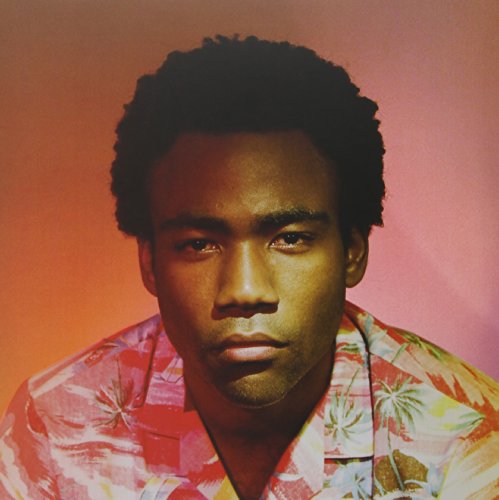
    Because the Internet

    Because the Internet is the perfect collection of songs for staring at the ceiling and thinking about the world. Glover’s songs invite you to actively contemplate the things happening around you, and ponder your place in it all.

    Enjoy timeless hip hop stylistic trends blended with experimental sounds that make Glover’s music so unique. Humanities House claims that “the album was met with mostly positive reviews, but in many people’s eyes, it was seen as a masterpiece.”

    This album has earned millions of streams, but its popularity doesn’t deem this album “basic” — it’s classic, and Glover is most certainly a musical genius to say the least. Because the Internet has been constructed in a way that pulls listeners in and never lets them go, trapping them within walls of audible pleasantness and lyrical hypnotics.

    Glover’s most acclaimed album indeed deserves to be deemed a masterpiece not only in the genre of hip hop, but the world of modern music as a whole.

    With all of this in mind, I highly recommend that you purchase a vinyl copy of Because the Internet as soon as possible. It’ll definitely earn your collection the title of “tasteful.”

    3. Check Your Head by Beastie Boys

    Check Your Head was released in 1992 by Beastie Boys, a globally adored rap-rock group known for their innovative combination of punk, jazz, and hip hop.

    The band’s third studio album is arguably claimed to be their finest work. Loudwire describes Check Your Head as an “eclectic” concoction of “punk, jazz, hardcore, funk, rock, rap and whatever else they could find in the kitchen sink.”
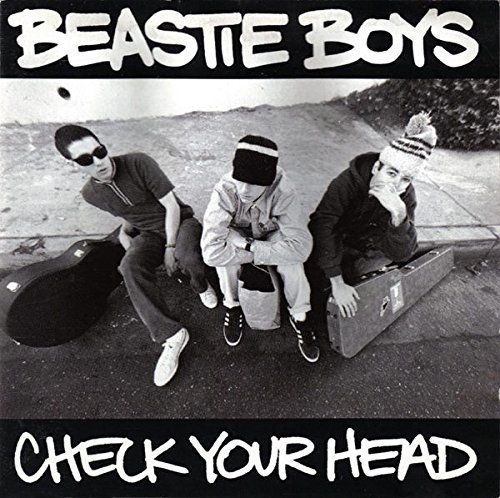
    Beastie Boys - Check Your Head - Grand Royal - EST 2171, Capitol Records - 7 98938 1, Capitol Records - 164 7 98938 1

    This album is considered by some to be an eclectic and experimental hip hop masterpiece like no other that saved the career of the band while simultaneously paving the way for many other artists to follow.

    While critics call Check Your Head sloppy, the band’s sound is contrarily praised for being an unconventionally stylistic and intentionally different production that resulted in a beloved collection of tracks that would set the table for many future artists to take a seat and devour its influence.

    It’s ultimately a classic in the alternative hip hop realm and will undoubtedly be at home in your own vinyl collection.

    4. Madvillainy by Madvillain

    Madvillainy is a 2004 album created by the American duo Madvillain. Since its release, it has been acclaimed by many who love its unique take on contemporary hip hop trends and its set of colorful yet cohesive tracks that makes the album blend together really nicely. Pitchfork describes Madvillainy as “one of the most anticipated releases in underground rap history.”

    Madvillainy - Exclusive Limited Edition Reissue Classic Black Colored Vinyl LP x2

    Supported with hints of jazz influence and a crisp, pleasing sound, Madvillainy has reached millions of streams on Spotify, with the popular track “All Caps” currently at 52.1 million plays and “Accordion” at 44.2 million. Madvillainy’s tracks are smooth, with clean instrumentals and a soothing sound that’s nearly impossible to stop listening to.

    The album is like no other. It’s creative, tasteful, and musically pleasing to the ear. Not only will it sound great on vinyl, but it’ll also look great in your collection.

    5. Kala by M.I.A.

    Released in 2007, Kala by British hip hop artist M.I.A. remains a widely known and beloved classic in the world of alternative hip hop.

    Kala combines dance, world music, and hip hop elements to create the unique sound that produced tracks like “Paper Planes,” which was given a Grammy nomination for Record of the Year in 2009. “Paper Planes” is currently at 475.9 million streams on Spotify and has been remixed by other acclaimed artists who have found themselves falling in love with M.I.A.’s talent for musical storytelling.
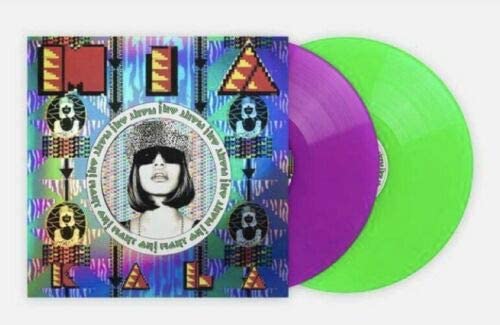
    Kala - Exclusive Limited Edition Neon Purple and Green Colored Vinyl LP x2

    M.I.A. claims that her work in this album is heavily influenced by her mother and the adversities her parent faced in life, allowing this collection of tracks to earn her mother’s name as its own title — Kala.

    Kala features excellent music, but it’s also known for M.I.A.’s “controversial” views on political issues and the fight against censorship in the musical industry. Her songs give you something to think about in context with the world and the negative things that are taking place across the globe.

    It’s difficult to not feel inspired after listening to the songs in Kala, because they make you feel like you can take on every trial that comes your way. M.I.A. is an artist whose courage inspires others to feel courageous as well.

    Pitchfork claims that “in contrast to her comparatively sparkly and streamlined debut, Kala is clattering, buzzy, and sonically audacious.” It is surely an album like no other, and will change the way you think of not only the world, but of hip hop in general.

    Why not add a classic like Kala to your vinyl collection? Owning this album on vinyl will undoubtedly show that you have an honorably open-minded taste.

    6. Kings & Queens by Jamie T

    Kings & Queens was released on September 4, 2009 by English musician Jamie Alexander Treays under his stage moniker, Jamie T.

    The album combines nostalgic notes of fast-paced 2000’s indie rock instrumentals with lyrical styles influenced by modern rap and hip hop. Treays managed to create a collection of tracks that feel simple on the outside but carry deep complexities within.

    Kings & Queens [Vinyl]

    Tracks like “368,” “Sticks ‘N’ Stones,” and “Chaka Demus” offer complex and rhythmic word sequences that almost beg you to sing along, while “Castro Dies” provides a more traditional hip hop sound with its expeditious vocals and lively character. “Sticks ‘N’ Stones” remains a favorite of many and currently has 56.9 million streams on Spotify.

    According to The Guardian, Treays “sings about the important things in life” with his lighthearted take on heartbreak, the world, and what makes “life worth living.”

    “Jamie T’s great gift, as a songwriter,” says The Guardian, “is his ability to filter the detritus of his own overloaded mind, in order to help us pick through our own.”

    Treays is praised for the way he redirects everyday adversities into complex and heartfelt tracks that make Kings & Queens the unorthodox gem that it is. His work is almost humorous in style, and it’s apparent that his perspective is one of jovial nature and a true rarity. He maintains a positive outlook on life while not forgetting to acknowledge the things that hurt, and it’s refreshing to hear that in this album.

    So if you’re looking for a creative combo of indie rock, hip hop, and fresh views on the world around us, look no further than Jamie T’s iconically innovative album Kings & Queens.

    7. Hymie’s Basement by Hymie’s Basement

    Hymie’s Basement is an Oakland-based musical duo that was formed in the early 2000s.

    Their one album, Hymie’s Basement, was released in 2003. Their work is currently classified as abstract hip hop, with tracks like “21st Century Pop Song” blending alternative sounds with more current takes on hip hop percussion and lyrical structure.

    Artists Yoni Wolf and Andrew Broder bonded over veganism and decided to create Hymie’s Basement in an actual basement — the basement of a record store co-owned by Broder’s wife. The album offers an atmospheric sort of ambience so beautiful and high-quality that you would never expect the tracks to have been recorded in such a place.

    Pitchfork also says that “while suburban ennui and disjointed American ideology sit at the heart of the duo’s concerns, there are even yet more introspective and emotional facets to their sound… It leaves you exhausted, fulfilled and with plenty to think about.”

    There’s something so melancholy about Hymie’s Basement, particularly “21st Century Pop Song.” The lyrics and overall vibes are heavily existential, provoking the listener to not only be a listener, but a deep thinker. It reminds you of nothing and everything all at once, and it’s a really beautiful thing to observe.

    The tracks in Hymie’s Basement are abstract, but they lead you in a direction of contemplation and healing nonetheless. The experience of actively listening to their work and thinking about the messages they’re trying to send is something remarkable. You feel like a new person after listening to Hymie’s Basement.

    If you’re looking for hip hop with meaningful lyrics and a creatively unique sound, purchasing Hymie’s Basement on vinyl is definitely a great idea. The album is innovatively bittersweet, visionary, and profoundly genuine.

    8. Things That Happen at Day […] by R.A.P. Ferreira (Milo)

    The actual name of this album by R.A.P. Ferreira, also known as Milo, is Things That Happen at Day/Things That Happen at Night, but that’s quite a mouthful. The Wisconsin-based rapper and hip hop artist released this long-titled but brilliant album in 2013.

    Childish Gambino’s instrumentals meet Cake’s vocals in Milo’s Things That Happen at Day/Things That Happen at Night. His tracks are unique, to say the least. The album’s most famous song “Folk-Metaphysics” is currently at 6.4 million streams on Spotify.

    A review by user ElectricMess on Album of the Year says that the album is full of “sober thoughtfulness” and “entrancing psychedelics” that make it difficult to stop listening.

    His work is smooth, and though the lyrics are laced with heartbreak, the sound of Milo’s discography is soothing to the ear. Songs like “Folk-Metaphysics” and “Almond Milk Paradise” offer pleasing and creative instrumentals with complex, thoughtful lyrics that would be nice to hear through the crispness of vinyl.

    9. Zelda & Chill by Mikel

    Zelda & Chill is a lo-fi hip hop album inspired by Nintendo’s phenomenal video game franchise, The Legend of Zelda.

    This is the perfect album if you’re in the mood for mellow hip hop instrumentals without words. The focus of this album isn’t lyrical, but fret not; the emotion is still there, and perhaps even more potent than it would be with words to go along with the ambient instrumentals. Enjoy lovable tracks like “Fairy Fountain,” which is currently at 18.6 million streams on Spotify.

    Zelda & Chill Remaster

    Any lo-fi chill hop is excellent to have on vinyl; put it on in the background while studying, working, or even resting for a hip hop kind of ambiance that warms your heart.

    According to Discover Magazine, this ever-growing hip hop subgenre is being used by music therapists to rearrange everyday — and often provoking — background noises into something ambient, allowing patients to “better articulate their feelings.”

    By turning familiar sounds like coffee shops and chatter into hip hop beats, the result is something relaxing and accessible that brings order to emotional clutter by bringing order to the audible chaos of the world around us.

    Zelda & Chill is a great album to purchase on vinyl if you’re looking to get into lo-fi hip hop. With beloved tracks from the Zelda franchise, you’re sure to find familiarity and solace when you hear this record spinning on the player.

    With a vinyl copy of Mikel’s Zelda & Chill, you can enjoy the whole experience of its soft traditional hip hop percussion mixed with hints of jazz influence and classic Nintendo tunes that will surely warm your heart.

    10. Good for You by Aminé

    Good for You was released in 2017 as Aminé’s debut studio album, best known for the iconic track “Caroline.”

    Adam Aminé Daniel, known as Aminé to his extensive collection of fans, is an American singer and songwriter who first gained traction thanks to his single “Caroline” and its eventual inclusion on the US Billboard Hot 100 chart.

    “The Portland rapper’s debut album balances playful verses and cheerful wit with more revealing moments of introspection,” says Pitchfork. “Despite the album’s overwhelmingly lighthearted mood, though, he doesn’t shy away from making a few more serious statements” about Portland culture and human tendencies.

    Good for You is stocked with catchy and rhythmically-pleasing tracks like “Caroline” and “Spice Girl,” which have reached 613.9 million and 165.3 million plays on Spotify.

    Aminé’s musical style is an understandable favorite of many. He is adored for his irony and his entertaining character, and is truly adored by every fan he recruits. His songs stay stuck in your head, and the lyrical structure is clever and matched with creative instrumentals that you can listen to on repeat with no shame.

    So if you’re in the mood to stock your shelves with a modern hip hop classic, give the album Good for You a go.

    https://www.discogs.com/sell/release/13442032?ev=rb

    11. Limbo by Aminé

    Aminé’s limited LP is a studio album available on vinyl only at Urban Outfitters.

    Though Limbo portrays a pretty significant change in Aminé’s overall style, the album still packs a punch while maintaining bits and pieces of the artist’s beloved and flavorful character. This album features the single “Shimmy,” which has reached 26.4 million streams on Spotify, along with other tracks like “Compensating” (Ft. Young Thug), which is at 48.1 million.

    Limbo [LP]

    So if you’re a fan of Aminé and Good for You, you might want to give Limbo a go. Though Limbo features a pretty significant stylistic difference from Good For You, it still sounds very Aminé.

    “Aminé is more conscious of the big picture on Limbo,” says Pitchfork, “but there are still a few glimpses of the nonchalant scamp he used to be.”

    Not only is the album a great example of fantastic hip hop, but it also makes for a great collector’s item. The physical record itself is a beautiful lime green that’ll undoubtedly look nice on your record player.

    12. Lofi Dreams by Chill Beats

    Chill Beats is excited to announce that they’ve released their first ever compilation record, and it’s on vinyl.

    There’s something so soothing about chilled lo-fi hip hop. Though this subgenre is typically free from lyrics, most tracks are not far from being just as — if not more — emotional as traditional lyrical hip hop. Lofi Dreams is perfect background music for studying, working, reading, gaming, and much more.

    “This collectible limited edition press features all 30 tunes from the record on two colored 33rpm standard weight vinyl records,” says Chill Beats. “The record also comes with a high-quality matte sleeve of the cover. There will only ever be 500 and once they’re sold, they’ll be gone.”

    If you’re a fan of hip hop and collectible vinyl records, don’t hesitate to put Lofi Dreams on your wishlist.

    Why You Should Buy Vinyl

    As you might’ve noticed, vinyl sales have absolutely skyrocketed in the past few years, and they’re only growing in popularity.

    The world was surprised when, in 2020 — for the first time in 34 years — vinyl sales actually surpassed CD sales, literally turning tables by putting an older medium of music distribution above newer options like CDs.

    With digital streaming (and even CDs) being such an accessible way to listen to music, we have anything we want directly at our fingertips. But even as we’re spoiled with the luxury of millions of songs having the ability to fit in our pockets, there’s still something so magical about collecting the albums we love on vinyl.

    A good vinyl collection isn’t just a way to listen to music anymore, though many claim that music sounds better on a record player than through a digital device.

    Collecting vinyl is a way to make the music we love seem more tangible and real. You can hold it in your hands, hang the album covers on your wall, and watch the record spin. You can see your music as the art it is, and there’s something special about that.

    So why not start your collection today?

    If you’re a fan of hip hop, add any of the 12 best hip hop albums in this list to your vinyl collection.
  • Are Vinyl Records Recyclable? Let’s Find Out!

    Are Vinyl Records Recyclable? Let’s Find Out!

    PVC (polyvinyl chloride, popularly known as vinyl) is the most versatile plastic on Earth and was used extensively by the record industry. While most people have switched to digital music, many of us continue to store our vinyl records at home, unsure what to do with them.

    Vinyl records are non-recyclable. This is because the materials they are made of are toxic and harmful to handlers, and most recyclers are either unequipped or unwilling to handle this material. 

    So to many who were wondering, ‘Are vinyl records recyclable?’ they aren’t. In this article, I’ll explore why recycling vinyl records isn’t a viable option and look at what you can do with your old records instead.

    Why You Can’t Recycle Vinyl

    As mentioned, to properly recycle vinyl records, you’ll need to find a recycling facility that is specifically designed to handle it – and doing so can be challenging.

    Most companies accept PVC in the form of banners, gift cards, and old construction material. These forms of PVC are easier to break down and repurpose, and finding a company to handle them isn’t much of an issue. 

    However, vinyl records are made from thicker layers of PVC and emit a lot more toxic fumes when melted. The poisonous gases and heavy metals they give off will need to be contained because recycling can release these toxins into the air or underground. Finding a facility that is adequately prepared to handle this complex recycling process can be almost impossible.

    This is why vinyl records need to be kept out of the waste stream – doing so helps avoid further pollution.

    Alternatives to Recycling Vinyl Records

    As we’ve established, vinyl records can’t be easily recycled, and they can be harmful if left unattended. Luckily, there are a few alternatives to recycling records.

    Reselling

    Selling your old records is an effective way to ensure they’re put to good use. While it may seem like vinyl records have gone out of vogue, many of today’s artists are producing music on LPs thanks to the superior sound quality.

    You’ll likely be able to find plenty of record stores looking to buy older vinyl records to add to their collection. 

    The challenge with selling your records is finding a fair price, as the cost will differ based on the value of the vinyl and the buyer’s need for the said record. However, reselling is a viable option, and you won’t have to worry about dumping your records in a landfill.

    If you’re thinking of reselling, here are a few options you should consider:

    Record Stores

    The most obvious buyer would be your local record store, and you’re sure to find buyers willing to pay a fair amount for your collection. Snoop around a little, find out what kind of music the store is looking to stock up on, and see if you can provide them with suitable records.

    Online Stores

    The internet comprises a vast landscape of potential record-buyers – you just need to find them. For example, Hard to Find Records is a website that offers cash in exchange for your records. They even have a wanted list to let sellers know which specific LPs they’re willing to pay top dollar for.

    Discogs is another website where you’ll be able to sell certain records, depending on what they’re looking for.

    eBay

    While it may not seem like the right marketplace, you never know who’s looking for a specific record on eBay. Consider posting your records on eBay, especially if you’ve got some older LPs that aren’t too popular with record stores. 

    You may get lucky and find a buyer looking to buy the record you’re selling. 

    While it may seem like selling isn’t so profitable, you will, at the very least, ensure that your records end up in a store and not the dumpster. 

    If your records have no resale value, consider donating them to local thrift stores that deal with old LPs. Either way, your music will end up on a shelf where it may be of use to someone else.

    Upcycling

    Upcycling is the creative alternative to selling your old LPs, and there’s a lot you can do with used vinyl records. Here are a few ideas to get you started:

    Book Holder

    You can use two vinyl records to make a nifty and easy-to-dismantle book holder. You’ll need the following:

    • Boiling water
    • 2 vinyl records
    • Block of wood 

    Here are the steps to make a book holder:

    1. Immerse one-third of the vinyl record in boiling water for a few minutes. The portion immersed in water will be malleable when you take it out. 
    2. Fold the record at this portion and use the wooden block to press down hard to even the surface.
    3. Do this with both records and place them parallel, with the folded portion facing inward. 
    4. Stack a few books between them. 
    5. The straightened parts of the records will keep your books in place.

    Clock

    Clocks made from old vinyl records look classy and neat and are pretty straightforward to assemble. You’ll need a bit of drilling knowledge for this one, but this idea shouldn’t take much time if you’ve got the proper equipment. 

    Watch this YouTube tutorial on how to go about building a vinyl record clock:

    Vinyl Bowls

    Vinyl record bowls are another straightforward DIY idea that takes little effort but turns an old record into a slick everyday household item. 

    Heat is the crucial element in morphing vinyl into different shapes and sizes. Here, you’ll use an oven to heat the vinyl before changing its shape.

    Watch this YouTube video to know more:

    Here are the steps on how to make bowls using vinyl:

    1. Select a bowl with the shape and size that you want your vinyl record to replicate. 
    2. Place the bowl upside down on cookie paper and the vinyl on top of the bowl. 
    3. Put this arrangement in the oven for about ten minutes.
    4. Ensure to put on gloves before you handle the hot record. 
    5. Take the bowl out, turn it over, and place the vinyl inside, using the pressure of your hands to mold the record into a desirable shape. 
    6. This bowl works best as a fruit or candy holder, thanks to the hole at the bottom.

    Coasters

    Vinyl records make for neat little coasters, and the best part is you’ll have an assortment of different ones you can use while serving drinks.

    Here, again, the critical element is heat. The process is similar to making a bowl, and you will start by placing the record on the bowl before putting it in the oven. That said, making coasters is a bit more nuanced than making a bowl, as you’ll have to be careful to avoid melting the center of the record.

    Here is how you can make coasters using vinyl records:

    1. Once the outer edges of the record have melted, you can cut it out using scissors or a knife. Carve the exteriors carefully, so you’re left with the circular middle. 
    2. You can use sandpaper to smooth out the edges and give your coasters a neat finish.
    3. If the middle starts to warp, you can straighten it out by placing it between two books or weighted blocks of wood till it reverts to its original smoothness.

    Photo Frames

    Using a vinyl record as a photo frame is perhaps the least-involved yet satisfying DIY idea. All you have to do is cut out the edges of your photos and try making them circular. Now, stick this photo in the middle of your record, and you’ve got a neat new photo frame. 

    You can hang this up on your wall or melt one side and bend it away from the photo side to create a stand.

    Final Thoughts

    While vinyl records aren’t recyclable, there are various ways to repurpose them and ensure they don’t pollute the Earth by ending up in a landfill.

    All it takes is a bit of creativity, and with a bit of effort, you can find ways to prolong the use of these records. 

  • 8 Easy Steps For How To Make Your Vinyl Records Last

    8 Easy Steps For How To Make Your Vinyl Records Last

    In a world where everything is digital, vinyl records are considered gold. The funny thing is you won’t find them in many homes, except for people who are music enthusiasts. If you have a Vinyl record, you must take extreme care of it to ensure that it lasts you a lifetime.

    To make your vinyl records last, you will need to store the records at a cool room temperature, with low humidity. stored clean and upright with support, protected by both an inner and outer sleeve.

    It can be a daunting task to take care of your vinyl records because every time you take them out of their cover, you risk causing damage. It is because there is a high risk of it collecting dust and dirt, which can create pops and tics, preventing the smooth flow of music. Furthermore, if the tonearm is heavy, you risk having it scratched.

    Since vinyl is pretty delicate, you must be extremely careful when removing it from the cover, placing the tonearms, and above all ensure that your house is not dirty or dusty. So how do you ensure that your vinyl records last long?

    8 Ways to Ensure that Your Vinyl Records Last

    Storage

    The way you store your records when you are not playing them determines how long they will last. So what are the best ways to store your vinyl records?

    Do not place your vinyl records on top of each other. Vinyl is easily malleable; therefore, stacking them up may make the records warp or bend due to the weight.

    Warping causes pops and tics, which result in the record skipping some audio parts or playing at a different speed.

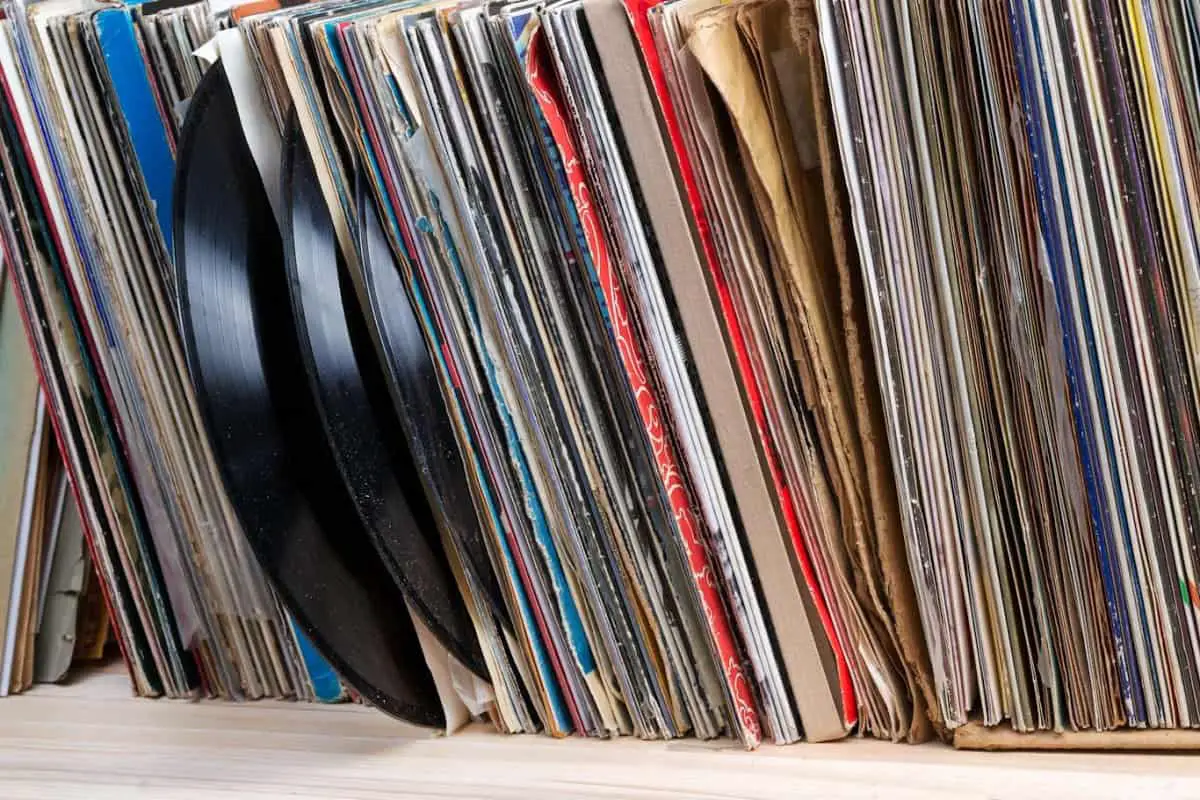
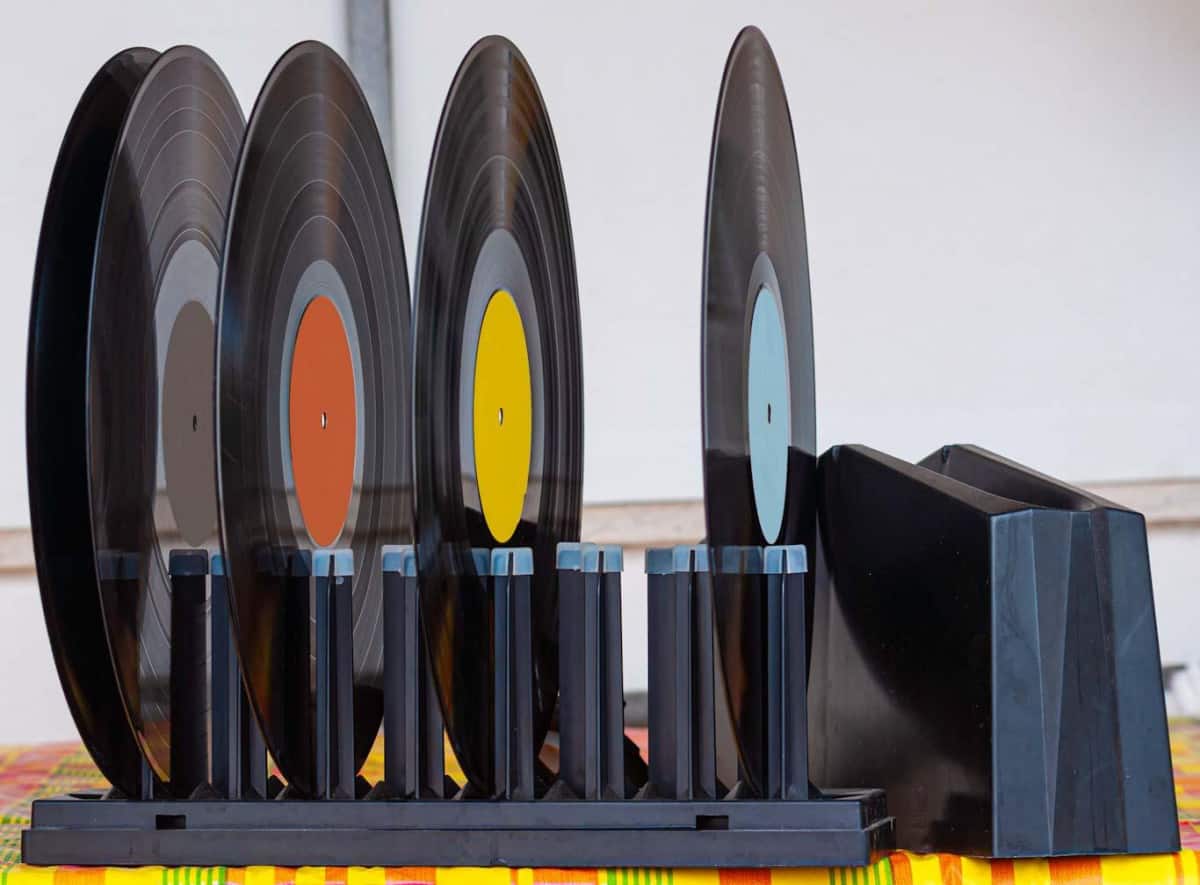
    You should store the records in vertical order, mostly on shelves. Make sure to use sturdy dividers to separate your records. You can use wood. When placing them on the shelves, ensure they are leaning on one side to lessen the pressure on the edge of the records.

    It keeps them strong, and they can last longer. That’s why you will find most record shops display the vinyl collection vertically.

    You can either use crates or containers to store your vinyl records. However, avoid containers that will require you to place them diagonally as they may cause warping or bending. Containers are better as they keep dust out. I recommend that you store them away from light and vibrations.

    Handling

    How you handle your vinyl records when removing them from the cover and placing them on the turntable also affects their lives. So always ensure that you touch only the outer edges when removing them from the cover. It is because if you touch the record’s surface with an oily or dusty hand, it could damage it.

    Also, the more you use your record, the higher the chances of it deteriorating due to wear and tear. So ensure that you have a variety so that you can switch them up.

    Cleaning

    After playing your records, make sure to clean them thoroughly before storage. When you clean your records right, they will last, but they will be damaged if you do it wrong.

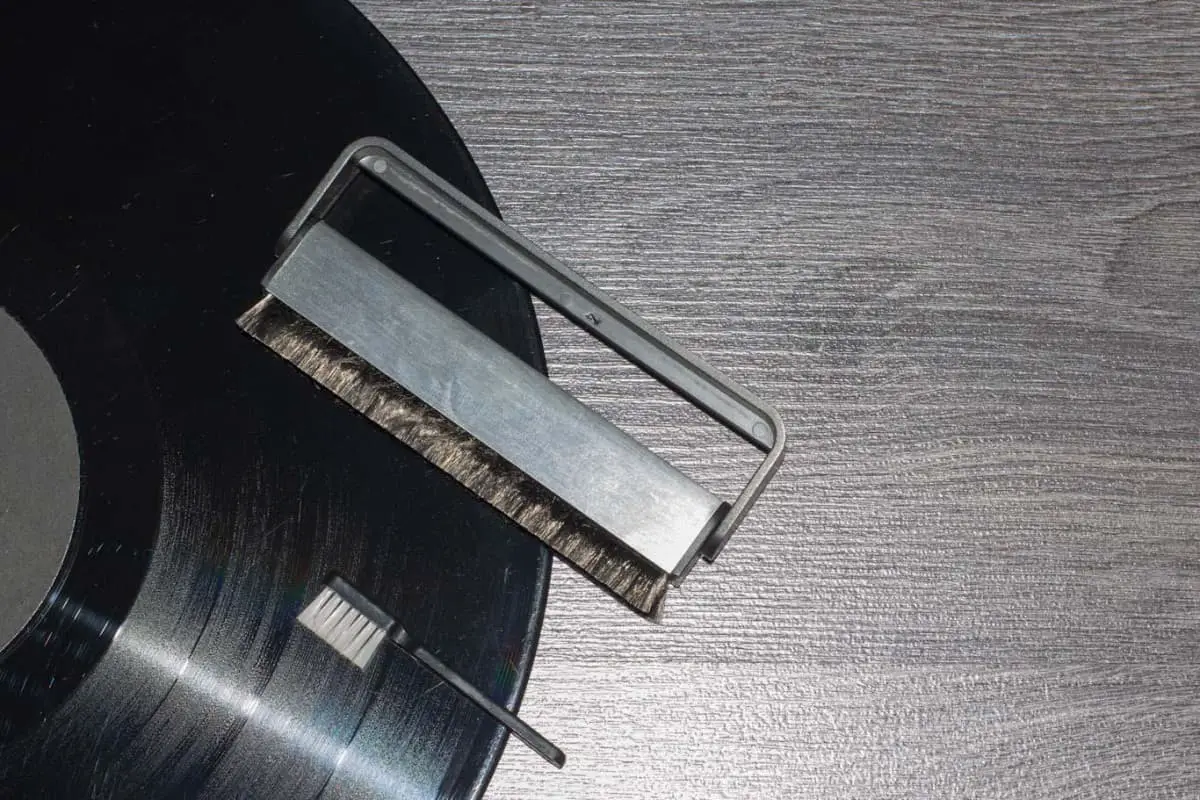
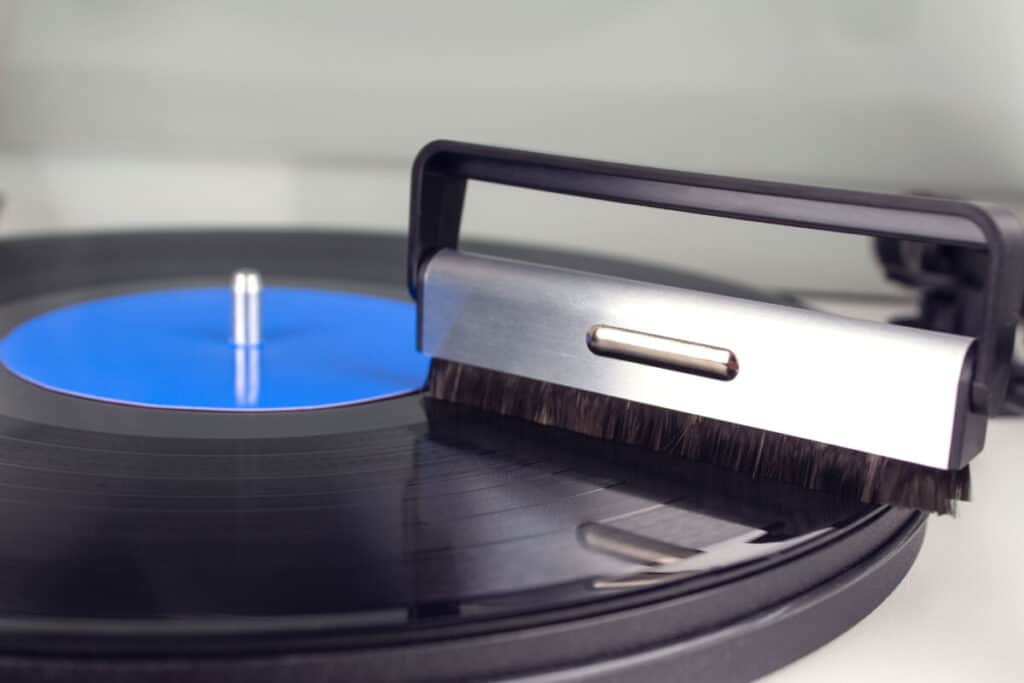
    If your vinyl records are new, use an anti-static brush to brush them to remove dust and any other debris that may have collected on its surface. If you store it without cleaning, the dust particles may be embedded too deep in the record, making it difficult to remove. And the next time you place it on the turntable, the stylus will further entrench the dust into your record. And this is what leads to tics and skipping when you are playing it back.

    Consider giving your vinyl record a deep cleaning if you notice that they are not in good condition. Use gentle strokes to avoid scratching the vinyl.

    How to Clean Your Vinyl Records

    • Brush the records to remove dust particles using a soft brush
    • Then check for smudges, discoloration, and fingerprints, and pay special attention to them
    • Spray some vinyl cleaning solution on the surface, but ensure that the liquid does not contact the label as the epoxy may come off or cause discoloration of the name. Rub the cleaning solution in a circular motion using a soft cotton fiber cloth to remove the fingerprints and marks. Always avoid touching the label.
    • Once you finished, rinse and dry the disc. Its best done under a running tap to remove the remaining cleaning solution. Then use a clean cloth to dry it. Then check to make sure that no fingerprints or blemishes are left.

    If you have an extensive collection, it might be quite a task to clean all of them. So invest in a cleaning machine that will apply the cleaning solution and then vacuum the liquid off. Although it’s expensive, it’s worth every penny.

    You can read more about how to clean your Vinyl collection in these articles:

    Temperature

    If you want your records to last, you must ensure that the temperature is right. Always maintain the temperature between 65 and 70 degrees Fahrenheit. Because once it goes above and reaches 140 degrees Fahrenheit, the viny loses its resilience. And this is when it warps or bends. Do not expose it to direct sunlight for extended periods. So your storage must be away from the windows.

    Humidity

    It’s good to store your vinyl record in the proper humidity to prevent mold formation. Ensure that the humidity ranges between 45 to 50%. Unfortunately, some cities are generally humid, and to ensure that your discs are in tip-top condition, invest in a dehumidifier. It will not only reduce static charge but also help in preserving your collection.

    Inner Sleeves

    You must ensure that your vinyl record cover is designed to protect the disc. Some of the sleeves to use on the inner part of your cover include:

    Paper: this is the most common and cheapest inner sleeve to use. And if you’ve ever bought a new record, you might have noticed that the inner part is layered with paper. However, they also pose a certain degree of danger because they may scratch your disc as you slide it out and in. In addition, the paper sleeve may collect dust. And since it’s paper, it wears fast, and as such, it may rip or fold over. However, they are better than storing them without.

    Poly: Also known as polypropylene. Although it’s more expensive, it is more durable than pa[er sleeves. It keeps dust away. And due to its nature, your disc will not be scratched when sliding it in or out. The good thing is that they simplify removing it from the cover and some poly sleeves are rounded, making disc storage easy. (source)

    There are several inner sleeves in the market, so try out several until you find what works best for you.

    Arrangement

    One rule of storing vinyl records is never stacking your records horizontally. Vinyl is delicate, therefore stacking may result in warping or bending of the discs. Instead, use crates, which you can easily find on amazon. Alternatively, you can place them on the shelves and use dividers after every few of them. Ensure they are leaning on each other to prevent putting pressure on its edges.

    Turntable And Stylus Maintenance

    You must well maintain the turntable and stylus to ensure the longevity of your vinyl records. A vinyl record player is not cheap, and in some places, it’s considered an antique. So do not play your vinyl discs on a cheap player as it may destroy them. Invest in a quality turntable to prolong the life of your records.

    The most common way many people cause damage to their disc when playing is if there is a lot of friction causing groove wear. So, make sure that the stylus is not too tight to cause friction by adjusting it accordingly. Although it’s challenging to notice groove wear, you’ll notice a variation in the sound quality. So be keen when listening.

    What are the Common Mistakes People Make when Storing Vinyl Records

    Some of the mistakes people make when storing their vinyl records that reduces their lifetime include:

    • Exposing them to sunlight.
    • Stacking them on top of each other, thus causing them to warp or bend.
    • Putting them in a cover with no inner sleeves. Thus allowing them to collect dust or get scratched.
    • Storing them in the attic or the cellar where the climate is too hot or humid for the records.
    • Using weak shelves. And since vinyl is heavy, the racks may break, placing your records at potential risk of damage.

    Final Thoughts

    If you want your vinyl records to last, store them in a cool and dry place free from direct sunlight. You must also handle them with care and avoid touching the surface of the disc. And as long as you clean them regularly, especially after playing, you can be assured of having them for a long time.

    If you have a vast vinyl record collection, use the tips above to maintain them in tip-top condition for years to come. And avoid the mistakes discussed above that most people make.

    Sources

    1. How To Protect Vinyl Records, Wikihow, https://www.wikihow.com/Protect-Vinyl-Records, accessed November 2, 2021.
    2. How To Take Care Of Vinyl Records, Rollingstone, https://www.rollingstone.com/product-recommendations/electronics/how-to-clean-vinyl-records-850080/, accessed November 2, 2021.
    3. Annika Lindström and Minna Hakkarainen, Biomacromolecules 2007 8 (4), 1187-1194, DOI: 10.1021/bm070001k, Designed Chain Architecture for Enhanced Migration Resistance and Property Preservation in Poly(vinyl chloride)/Polyester Blends, https://pubs.acs.org/doi/abs/10.1021/bm070001k, accessed November 2, 2021.

  • 4 Ways To Tell If A Vinyl Record Has Been Played (And 4 Tips For Inspecting)

    4 Ways To Tell If A Vinyl Record Has Been Played (And 4 Tips For Inspecting)

    When you scroll through eBay, Amazon, and Wish.com for vinyl records, you will often see the big flashy signs of “unused vinyl record” running around. It is tough enough to identify whether a vinyl record has been used or not through physical inspection; however, it is even more challenging (near impossible) to know if a vinyl record is unused through online mediums. To make it all easier for you, we provide four easy benchmarks that can hopefully help you identify whether a vinyl record is brand new and unplayed.

    There are no tangible ways to determine whether a vinyl record has a history of use or not. However, there are tell-tale signs that can give you an idea of the vinyl record’s condition. Physical artifacts such as scratches, for example, are a clear takeaway.

    Checking whether a turntable has been used or not is not an easy task. However, we can make the process easier for you!

    Has It Been Played? Easy Ways To Determine If A Vinyl Record Has Been Played

    There are many benefits in having unopened vinyl records in contrast to used ones. For example, they have better resale value, sound better, and are free of audible artifacts from reckless usage. However, the reality is that knowing whether someone has played a vinyl record or not is not easy. (source)

    There are no simple ways around this, unfortunately. There are no machines that can verify this, but your eyes and your hands can certainly help! Here are four things you need to check out to help you determine whether someone has played your brand new vinyl record or not.

    Four Easy Ways To Help You Identify An Unused / Unplayed Record

    • Check if shrinkwrap is still available.
    • The sleeve’s condition may be a giveaway.
    • Listen for any audible artifacts.
    • Visual artifacts must not be present within the vinyl record.

    The First Step To Identification: The Shrinkwrap

    It should not be a surprise that one of the main things you need to look out for when checking whether a vinyl record has a history of use or not is the shrinkwrap. The shrinkwrap is the outer plastic attached to the vinyl record’s sleeves to seal it away from any foreign matter.

    While discussing this topic with a friend of mine, he once said, “Who opens vinyl records and choose not to listen to it?” However, there are instances where I opened a vinyl record to check if I received the correct vinyl. Despite that, what I did back there was an outlier, and exposed vinyl records have greater chances of being played than not.

    Of course, when looking at the shrinkwrap, it is best to know that just because the shrink wrap is damaged, it does not mean the vinyl record has a history of playing. More often than not, the causes are improper handling during transportation or simply that the vinyl record is just ancient. (source)

    The Shrinkwrap Is Not A Guarantee

    It is a fruit of common sense to assume that a vinyl record must not have been opened or used because the shrinkwrap is there. However, this is simply untrue, and I will tell you why.

    The same friend I have told you about earlier is a child of the record shop owner. It is not too common to see used vinyl records going through the resealing process for various reasons.

    Of course, it is not for malicious intent. One of the primary reasons why resealing is needed when a vinyl record is not compatible with a customer’s turntable or when a customer wants to return a vinyl record for any other reason. When this happens, it is store policy to return the vinyl record for a replacement. When that happens, the store takes the initiative to reseal it again to entice consumers.

    When resealing happens, the resealed vinyl records may be played once, or twice, or unplayed even; I doubt there is any apparent deterioration. However, some people have malicious intentions to sell something “unplayed” and “unopened,” even when that is not true. That is why we always need to be careful when buying “unplayed” and “unused” vinyl records, be it online or in brick-and-mortar stores.

    The Condition Of The Sleeve Is A Clear Giveaway

    There are two kinds of sleeves in a vinyl record, and most of the time, both are present on a brand new, unused vinyl record. The first sleeve is casually called the “sleeve.” Unlike most compact disks that use jewel boxes or plastic cases, vinyl records use paper-like sleeves that easily show wear and tear. (source)

    The second type of sleeve is called the inner sleeve. Like its name, the inner sleeve is placed inside the sleeve, acting as a wrap between the vinyl record and the paper sleeve. It exists because debris and dust that may damage the vinyl record make their way inside the sleeve, and the inner sleeve mitigates that.

    Because of that, vinyl record manufacturers include the inner sleeve as second layer protection. They are usually in the form of a semi-transparent white sheet.

    If either (the sleeve and the inner sleeve) is missing, get ready to doubt high, especially when the sleeve is missing. The sleeve is an integral component for a vinyl record, and a missing sleeve means that it has been opened or used. When not in the correct orientation, the inner sleeve usually means that the vinyl record has a history of use.

    When the sleeves and inner sleeves have apparent signs of mishandling, there is a big chance that the vinyl record inside is not in good condition. So make sure to take a close look at the sleeves and the inner sleeves.

    Look For Visual Artifacts

    Vinyl records store their audible data on the grooves or the lines inside the vinyl. Naturally, this means that any damage on these grooves signifies damage on the track as well. When a vinyl record is fresh out of the press, there is a ninety-nine point nine percent guarantee that the vinyl record is scuff-free, scratchless, and has no audible damage as well. (source)

    Although not a clear indication of a history of use, either way, this can indicate whether a vinyl record has succumbed to any damage. If a vinyl record hasn’t been played or opened, we should expect a clean record inside the box.

    In the instance that the vinyl record that you have bought “unopened” does have some visual damage, make sure to file a complaint (if purchased online) or let the store representative know (if bought on brick and mortar store) that there is damage on their product. Either way, ask for a refund immediately. Some stores offer a limited warranty on their products.

    Feel For Scratches

    Although I advise you not to touch your vinyl records, sometimes, desperate times require desperate measures. Aside from significant visual scratches, we also have micro scratches that proliferate around the vinyl record surface. These scratches, although “micro” in nature, can cause havoc within your vinyl records. (source)

    These micro scratches can cause can either cause minor inconvenience with the audio or can cause severe impacts such as skipping tracks altogether. Nevertheless, these scratches should not appear on “brand new, unopened, unplayed” vinyl records.

    To make sure that you are not risking the integrity of your vinyl records, make sure to wear gloves when inspecting to reduce the risk of sebum (oil) from your hands reaching the vinyl record’s surface. If not necessary, hold your vinyl records on opposing sides to reduce the risk of breaking the vinyl into two separate pieces.

    Audible Artifacts Are A Clear Giveaway

    As they get played repeatedly, Vinyl records get audible artifacts over time that may manifest in different ways. These artifacts can vary per vinyl, but one thing is for sure, and that is brand new, unopened, and unplayed vinyl records do not have these “artifacts.” To determine artifacts, here is a list of things you should need to take note of properly.

    Audible Artifacts That Are A Sign Of Used Vinyl Records

    • Hissing sounds
    • Unnecessary noise or static
    • Volume shifts
    • Track skips
    • High frequencies get washed out
    • Some instruments get too quiet, too loud, or something in-between

    I remembered once that my friend told me how one of the surprising things he noticed about worn vinyl records is that the high frequencies tend to be the first ones to deteriorate. This phenomenon would imply that treble instruments such as violins, vocals, xylophones, hi-hats, guitars, and cowbells are the first to get involved.

    Most of these audible artifacts are because of scratches that are too small to see and feel. I like to call these scratches “nano scratches” due to them being unnecessarily small. These scratches are often caused by mishandling and improper storage, causing dust and sand to infiltrate the vinyl, a used and played record hallmark.

    Buying Second Hand: How To Determine If A Vinyl Record Is Pristine And Has Barely Been Played

    Aside from brand new, unplayed options available for purchase, there are also second-hand options online and in brick and mortar stores, which can be a good deal and potentially be a better deal than the brand new options. Most vinyl records sold second-hand come in significant markdowns making them hardly resistible. Moreover, these second-hand records can sound and can feel as good as brand new as well!

    However, second-hand vinyl records are not the same. While you may find offerings that make an excellent bang for the buck, with incredible and pristine condition records, some second-hand vinyl records may come home as barely playable. Once, I bought a second-hand vinyl record that is straight-up crumbling. Below, we offer great tips for helping you choose the best second-hand offer!

    Checking The Vinyl Grade: It May Have Been Played, But It Is Good As New!

    One of the easiest methods to determine the condition of a second-hand vinyl record is checking their grade. Based on a grading system most resellers use, the “grade” determines their resale value. Although the metrics do not tell the whole story, sometimes, they may help you make a clearer picture of the vinyl record condition. These metrics, most of the time based on the sound quality more than the quality of the packaging, the sleeves, and the inner sleeves.

    Vinyl Record Grades Resellers Use To Sell Second-Hand Records

    1. Mint (M)
    2. Near Mint (NM)
    3. Excellent (E)
    4. Very Good Plus (VG+)
    5. Very Good (VG)
    6. Good (G)
    7. Poor or Fair (F)

    (M) Mint Condition: The Best Of The Best

    I do not know if it is just me, but I do not believe that mint condition second-hand vinyl records even constitute “second-hand.” Most, if not all, mint condition records have not been opened, used, or are just barely used. These records are a rare find, making them worth more compared to other second-hand vinyl.

    However, just because a vinyl record has a “mint condition” grade does not mean it is nearly perfect. It is still best to look at the vinyl for yourself, as these grades are very objective, and your definition of “mint” may vary with the appraiser. (source)

    (NM) Near Mint Condition: Almost Perfect, Worthy Investment

    Near mint condition vinyl records have barely been played and may have been played once, twice, or a few times, but not enough to show signs of even slight deterioration. Sure, it may not feel as “brand new” and “unopened” compared to something like mint condition vinyl, but it does the job exceptionally well.

    Because they have a history of use, expect the packaging, meaning the sleeves and the inner sleeves, to have some alteration (not necessarily damaged, but not near unopened condition).

    Most of the time, if strapped on cash, I believe that near-mint condition vinyl records are worth more than mint condition records when it comes to investment. Not only are they easier to find, but they are also much cheaper when compared to mint condition records. The reality is that the difference in sound quality between near mint and mint condition records is negligible. (source)

    However, if you plan to buy a vinyl record for the sake of collection, we may have a different story here. Mint condition records can fill this spot well, but realistically, a brand new vinyl record would suffice this spot better. Money is the least of their issues for most collectors, and a brand new vinyl record offers a lot of face value.

    (E) Excellent: More Than Useable, Good For Everyday Use

    Despite not being as near-perfect as mint and near mint records, “excellent” grade vinyl records are still suitable for use in parties, at home, and virtually anywhere else. When buying “excellent” grade vinyl records, make sure to expect some deterioration, such as distortion and the likes. However, most of the distortion in this category of the vinyl record is tolerable and should not hinder you from enjoying the overall output.

    The vinyl records in this category are considerably worn out and used for a few good months. However, it would not be too surprising to see a vinyl record that has been used for years already still slotting into the excellent grade category.

    This quality, after all, is a result of proper care and maintenance. Because of this quality of care, you may be surprised to know that the “excellent” record you ended up buying has been in use for years, despite its sleeve looking as clean as pristine as ever.

    (VG+) Very Good Plus: Decent Quality, Good Experience

    A very good (VG+) record is a highly worthy investment for those wanting to listen to the vinyl experience without spending as much. Despite its visible scratches, apparent distortions, and visual degradation, most records in this category have pristine audio quality 95 percent of the time. Although you may have distortions, you can assure yourself that the overall experience and the most relevant sounds (i.e., the vocals and most instruments) are not heavily affected by the damage.

    Most of the records in this category are considerably old, having been used for years already. However, some might be relatively new and are in this category due to mishandling.

    (VG) Very Good: Has Its Perks

    A “very good” vinyl record is a type of record that has succumbed to considerable damage but is still relatively useable for the most part. Yes, you may hear some vocal distortions, or you may listen to the strings fading out, but if you are not very meticulous with these things and have set your standards accordingly, you should not be disappointed at all.

    Vinyl records of this category can be suitable for use, especially for casual listening. About seventy-five percent of the vinyl record may still be perfect, and the remaining twenty-five may still be appropriate for use. However, vinyl records of this category have a considerably lower lifespan since most of the vinyl here is pretty old. (source)

    (G) Good: Maybe Not That “Good”

    Most vinyl records in this category are at a bargain, but I hardly consider it a steal. Although it has “good” in its name, it certainly is not “good” for listening. The thing is that vinyl records in this category have succumbed to audible, tactile, and visual damage, making them not as pleasant to listen to compared to other grades.

    However, picking up a “good” vinyl record may still be worth it! For example, I once bought a vinyl record of this grade because it was scarce! The very presence in itself was valuable to me, and the listening experience was irrelevant.

    (F) Poor Or Fair: Not Recommended At All

    When buying a “fair” vinyl record, I recommend setting your expectations at an all-time low. Most records in this category have significant damage, or they may have started to succumb to the elements. Because of that, they might have unnecessary noise, distortion, or inaudible parts. (source)

    Another issue is the scratches on the grooves. The scratches in most “fair” vinyl records are deep, which can cause skipping. This phenomenon would imply that your record can skip parts like its tomatoes!

    However, with a considerable eye, you may spot out some outliers. These may be misgraded vinyl records that can function well or even better than some of the vinyl records of higher grades.

    Has It Been Played? How Much So? The Secrets To Finding A Good Second-Hand Vinyl Record

    A vinyl record can be played but can still sound as good as new. So when buying a vinyl record for use and not for display, it is often preferable to buy the vinyl records second-hand.

    When buying these pre-loved records, it is beneficial when you look at the vinyl grade. However, these grades do not tell the whole story. Below are a few tips you can use when examining a vinyl record manually, making them feel and sound as brand new and unplayed as possible.

    Tips In Inspecting Vinyl Records

    1. Look for “hairlines” and “tramlines.”
    2. Listen carefully at the very first revolutions.
    3. Scratches make or break decisions.
    4. Warped disks are a no-go.

    The Very First Revolutions Are The Most Revolutionary Revealing Revolution Out Of All The Other Revolutions

    My mom and I used to listen to the Carpenters way back then, and we had this compact disc that had a compilation of their songs. As time went on, the very first parts of the compact disc started showing deterioration until we had to let it retire.

    Imagine my surprise when I realized the same thing for my vinyl records. It turns out that vinyl records show a lot of their degradation on the very first revolutions. Because the first parts of the vinyl are the most played, these first revolutions reveal a lot more to the vinyl’s amount of use than initially thought.

    When buying a vinyl record, listen carefully to the very first seconds of playtime. If you notice a lot of deteriorations, this will imply that the record has a long history of use already or are just plain old.

    Hairlines And Fine Scuffs

    How often is it when you fail to return your vinyl records to their sleeves or inner sleeves after using? Maybe you were too busy, unbothered, or find the whole process not so pleasant; nevertheless, you put your vinyl records at a scuff risk.

    Not returning vinyl records to their respective sleeves is one of the most common mistakes vinyl users make, and it does not make for a pretty surface. Because of their sheer frequency, scuffs are a very common artifact on second-hand vinyl records. These scuffs may be apparent when looking at “very good” quality records, but any vinyl record with a near-mint or mint condition label should not have an excuse for this.

    The impact of scuffs on vinyl records varies differently on the type of record. When the vinyl record you are holding is a lot thicker than usual vinyl records, these scuffs may not present a threat. However, when the scuff is on thinner vinyl records, be sure to stay away. (source)

    Tramlines Are A Big Deal, Spot Them Early

    Tramlines, unlike hairlines, pose a more significant impact on the overall sound integrity of the vinyl record. Tramlines are scuffs that follow the trajectory of the grooves of the vinyl record, and because of that, not only a portion of the vinyl record is affected, but most of the audio will be affected. The reasoning behind this is that because tramlines follow the grooves, there is a tendency that the needle of the turntable will follow the scratch’s trajectory instead, producing a different sound. (source)

    I once had to throw out a first pressing vinyl record because it was barely playable at all. Unlike hairlines which may be tolerable, tramlines are substantial deal breakers. Make sure that the vinyl record you are buying does NOT have them.

    Sellers Should Not Sell Warped Records

    If you are a long-time vinyl record fan, you should already be acquainted with the vinyl warping. These warps signify improper storage, most often when exposed to heat or when the record has stacked along with a pile of vinyl records.

    Warped disks are not fun to be with, in all honesty. While some turntables can play warped records without a hitch, most turntables do have a problem with them, and you will end up with a barely playable record. As much as possible, keep yourself away from purchasing warped records as they are a sign of abuse. (source)

    Frequently Asked Questions

    1. Is It Better To Buy Used Or To Buy New?

    It depends on your needs. If you need one for display or collection purposes, you might want to buy brand new. However, you can purchase high-quality second-hand vinyl records if you buy them because you want to listen to music casually.

    1. Does Buying A Used Vinyl Record Matter?

    Yes, it does! When you buy a vinyl record with an extended history of use, you might expect distortions due to casual wear and tear.

    1. How Can I Tell If A Record Is Not Used Much When Purchasing Online?

    One critical determining factor is by looking at the seller’s description of the item. When the seller describes it vaguely, there is more room for doubt that their claim is valid.

    Sources

    1. Webster, “How To Tell If A Record Is An Original Pressing,” Vinyl Virgins, October 24, 2021. https://vinylvirgins.com/how-to-tell-if-a-record-is-an-original-pressing.
    2. “How To Buy And Inspect Used Records,” U-Turn Audio, Last Accessed November 6, 2021. https://uturnaudio.com/pages/how-to-buy-and-inspect-used-records
    3. “How To Examine Vinyl,” London Jazz Collector, January 1, 2021. https://londonjazzcollector.wordpress.com/buying-records-online/examining-a-vinyl-record/
    4. Discogs, “What to Do When a New Record Is Skipping,” Discogs, March 4, 2021. https://blog.discogs.com/en/new-record-skipping/
    5. “Vinyl Grading System – How to Shop for Used Records,” Electrohome, Last Accessed November 8, 2021. https://blog.electrohome.com/vinyl-grading-system-shop-used-records/
  • A Step By Step Guide To Cleaning Vinyl Records With Microfiber

    A Step By Step Guide To Cleaning Vinyl Records With Microfiber

    Cleaning vinyl records with microfiber is an essential step if you want your vinyl to have a pristine and undistorted audio quality. The reason is that dust and dirt on the surface of your vinyl can cause it to produce a popping sound. So, how do you clean your record using a microfiber cloth?

    The cleaning process of vinyl records using microfiber involve:

    • removing dust
    • using alcohol or dishwashing liquid for dirt removal
    • rinsing
    • drying

    This process allows you to clean your vinyl record without scratching it or ruining its sound quality. (source)

    Cleaning your vinyl records is a critical step to preserving them. But other maintenance methods will help your vinyl last a lifetime.

    Cleaning Vinyl Records With Microfiber

    A vinyl record collection is a rather expensive hobby that can hurt your wallet. But nothing hurts more than finding out that your record is starting to sound bad. Various factors such as distortion, popping, and fuzzy sound can cause a vinyl record’s degrading audio quality.

    For that reason, cleaning your vinyl records is highly essential. However, the process is not a simple wipe-and-rinse technique. There are a few steps that you need to follow when cleaning vinyl records with microfiber.

    Moreover, you will need the following materials for the cleaning process:

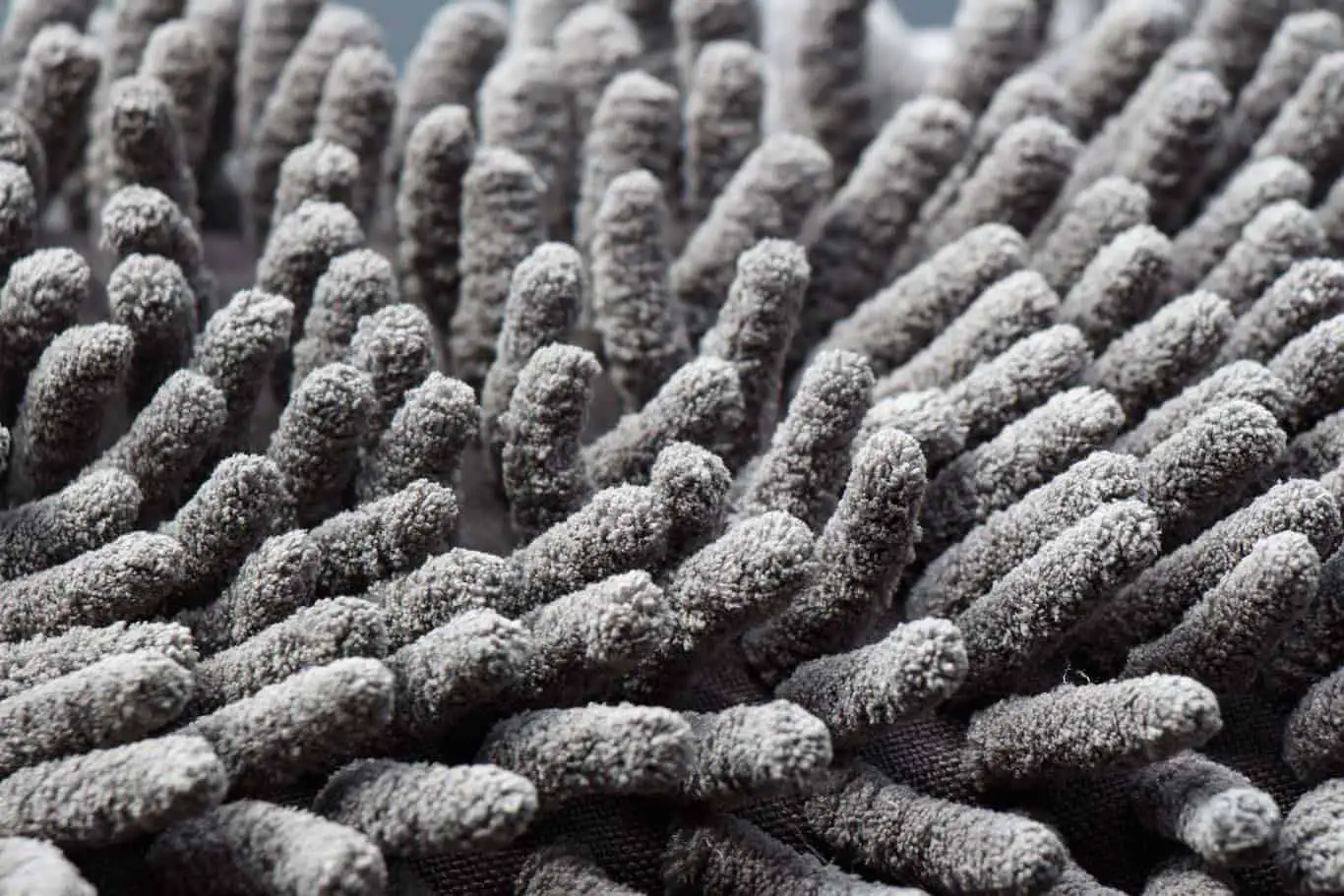
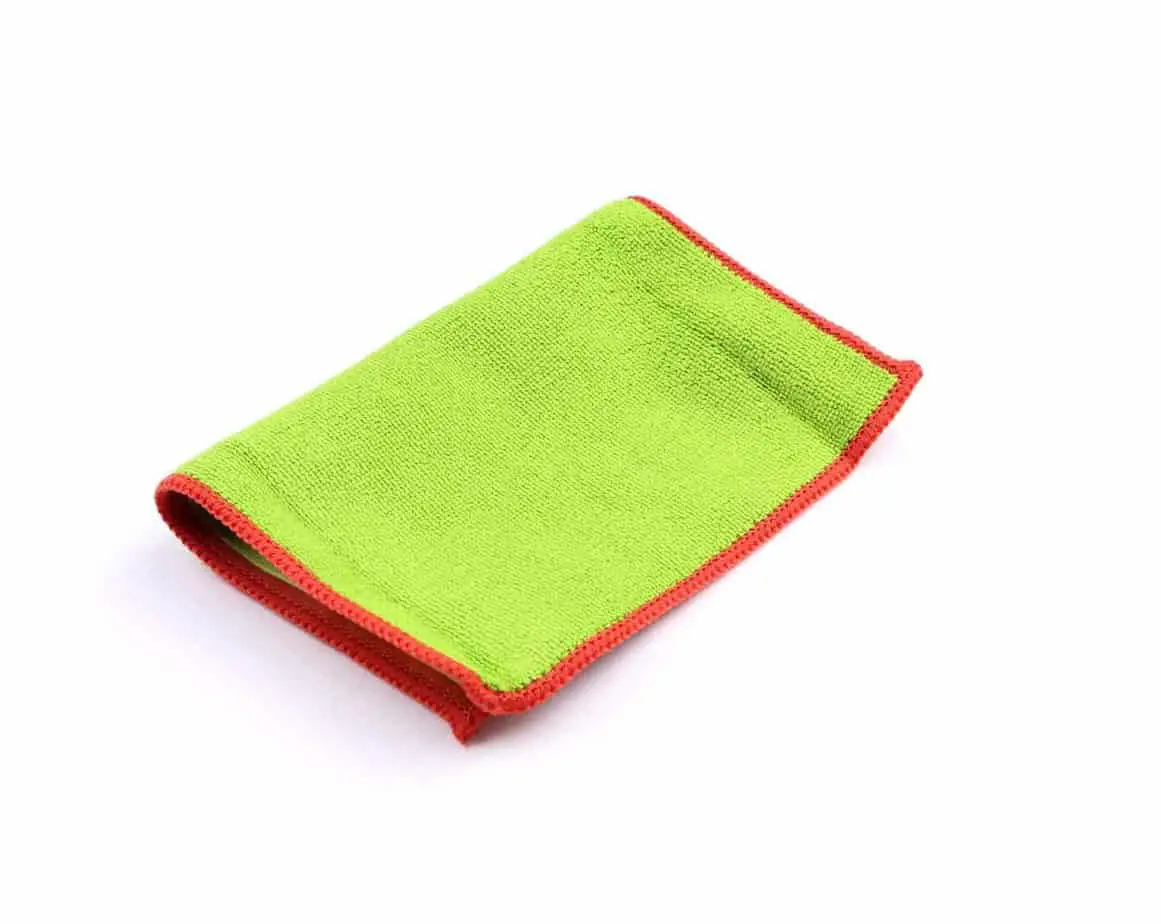
    • microfiber cloth
    • distilled water – tap water can leave minerals on the grooves of your record
    • isopropyl alcohol – a common ingredient found in many record cleaners
    • dishwashing liquid
    • spray bottle – this material is optional, but it will let you apply your cleaning solution in a controlled manner.

    1. Prepare Your Cleaning Solution

    Before getting your vinyl record out of its sleeve, the first thing you need to do is to prepare your cleaning solution. You need to mix one part of distilled water with one part of isopropyl alcohol. One to two drops of dishwashing soap will also make the solution effective.

    You can either put the cleaning solution in a bowl or a spray bottle. However, a spray bottle is ideal as it will let you apply the solution sparingly.

    Moreover, this fluid will also help you in cleaning vinyl records with microfiber.

    2. Wipe The Vinyl Record With An Anti-Static Microfiber Cloth

    Removing the dust and static on the surface of your vinyl record before applying a cleaning solution will result in an easy cleaning process. For this step, you can either use an anti-static brush or a microfiber cloth. This way, you can wipe away dust and static from the vinyl record without scratching it.

    You may be asking why you should use a microfiber cloth instead of an anti-static record brush. Well, you can opt to use a brush, but you have to note that it costs more than a microfiber cloth.

    To find out how effective microfiber is, let us establish its difference from an anti-static brush:

    Microfiber Cloth

    Anti-Static Record Brush

    The fibers dislodge the dirt stuck on the record’s surface.

    It has extremely fine carbon fibers that can gently remove dirt from the record surface.

    Can catch microscopic dirt particles

    Effective in swiping dirt and dust particles

    The dirt caught by the fibers stays stuck to the cloth until you wash it.

    Carbon fiber is electrically conductive. Thus it can remove static from the record surface.

    The fibers can get through the record grooves to remove dust and static

    Soft enough to leave your record scratch-free

    Looking at this comparison, you will see that a microfiber cloth and an anti-static brush works similarly in cleaning your vinyl records.

    3. Check If There Is Any Visible Blemish On The Record

    Place the record under a soft and bright light. This type of light will allow you to see if the record surface has discolorations, fingerprints, and smudges.

    If you see any blemishes, you need to wash your record with warm, soapy water. Once the record is dry, then begin at step one again. Remember that you should only be cleaning vinyl records with microfiber to prevent scratching.

    4. Apply Your Cleaning Solution To The Problem Areas

    Now that you have removed the blemishes, you will see the areas that need intensive cleaning. Inspect your record once again and apply your cleaning solution for every dirt that you see.

    However, you need to be extremely careful during this process. Make sure that the liquid will not touch the record label. The reason is that wetting the label can cause discoloration and will loosen the epoxy.

    5. Wipe The Record Clean In A Circular Motion

    Need a microfiber cleaning cloth? Here’s my favorite from Amazon.

    Allow the cleaning solution to sit for at least a minute so the dirt on the record would soften. After that, get your clean microfiber cloth and wipe the record’s surface in a circular motion. You can also apply a little pressure while wiping to ensure that you are rubbing away the stubborn blemishes.

    But make sure that you are not applying too much pressure as it can damage your vinyl record. In addition, avoid touching the label to prevent yourself from damaging it.

    6. Dry Cleaning

    You need to clean your vinyl record often to maintain its excellent condition. But if there are no dirt or blemishes on the surface of your record, you can opt not to do the steps above. Instead, you can do the dry cleaning method for a fast yet effective process.

    After using them, dry cleaning vinyl records with microfiber will ensure no dust or static left on the groove.

    For this process, let your vinyl record spin on your turntable. With a light touch, hold the microfiber cloth gently on the surface of the record as it spins. This way, you will be able to wipe away the static and dust buildup.

    After one to two rotations, gently angle the cloth to the edge of the record. Then, slowly pull it off the surface. This step will ensure that no dust is left on the record surface. (source)

    Why You Need To Clean Your Vinyl Records

    Your vinyl records require cleaning from time to time. Such is especially true if you purchased secondhand records. The reason is that dirty records sound bad and can even ruin your record player’s stylus.

    Moreover, cleaning vinyl records with microfiber is the most effective way to preserve their quality. You can ensure that muck, dust, and dirt will not contaminate your collection with proper cleaning.

    More than that, here are other reasons why you need to clean your records:

    Vinyl Records Can Be Contaminated With Particles That Can Scratch Them

    Even if you clean your vinyl record before storing it, there can still be dust and small particles on the surface when you take it out of the sleeve. Such is especially true for newly bought vinyl records.

    Manufacturing places are contaminated with dirt and dust that can stick to a statically charged record. In addition, the record production process leaves the record surface full of gummy release agents. This residue can contaminate your turntable mat and stylus, as well as your other records.

    If such a thing happens, the contaminants can also stick to your other records, thus ruining their audio quality.

    Furthermore, cleaning vinyl records with microfiber can remove both the dirt and static on their surfaces.

    Vinyl Records Have A Static Charge.

    Pulling your vinyl record out of its sleeve produces friction. As a result, its surface becomes positively charged with static electricity.

    A statically charged vinyl record can be a nuisance for various reasons. For instance, it will stick to the turntable mat every time you need to lift it. But what is worse is that the static charge can attract dust and other particles that can ruin your record.

    For this reason, the best thing to do is to wipe your record with an anti-static microfiber cloth before and after using it. (source)

    When To Clean Your Vinyl Records

    Now that we have established the importance of cleaning your vinyl records, the next question is, “how often should you clean them.”

    Vinyl records are delicate items. For this reason, following the cleaning process is essential. But how often should you be cleaning vinyl records with microfiber? Below is the answer:

    Clean Your Records After Buying Them

    As mentioned, factories, where vinyl records come from can contaminate them with dust and dirt. Such is especially true if you bought a record from a store you do not trust and not from an online shop.

    So, before a newly-bought record hits the shelf at a local store, distribution may have stored it in a warehouse for a long time. Meaning dirt and dust may be on its surface and its jacket when it reaches your home.

    That said, make sure to clean your vinyl record as soon as you get it from the record store. Additionally, you should clean the sleeve before storing it with your other collection.

    Before Putting Them On Your Record Player

    It would be best to clean vinyl records with microfiber before putting them on your turntable. This way, you will be able to protect your record player’s needle. Wiping the record with a microfiber cloth will also prevent possible dust buildup from scratching them.

    That said, cleaning the record will prolong its life.

    But this process is only applicable if you are not using the record daily. The reason is that exposing it to chemicals every day will do more bad than good.

    If you play a vinyl record daily, it is ideal for cleaning it using the drying method. Wipe the surface of the record using a microfiber cloth to remove dust and other particles.

    Additionally, return the record to the sleeve once it has finished playing. This way, you will be able to prevent your record from acquiring scratches accidentally.

    Once They Acquire Damage

    Your vinyl records are going to acquire damage at one point in your life. It can be that you accidentally dropped the record, or you touched the groove side. While many types of damages can happen, cleaning your records after any damage is essential.

    Additionally, your hands need to be clean whenever you need to touch your records. This way, you will not leave dirt and smudges when you touch them.

    Before Returning The Vinyl To Their Sleeves

    Once you are done playing vinyl, you should clean it first before putting it back on its sleeve. Like when you bought your record, this process will ensure no dirt particles on its surface.

    This time, you do not need to apply a cleaning solution to the record. Instead, it would be best to clean vinyl records with microfiber to remove whatever is on their grooves and surface.

    In addition, you need to clean the sleeves as well. The reason is that there can also be dust inside it and on its surface. After cleaning both the sleeve and the vinyl record, then you can return it to their storage. (source)

    Tips For Maintaining Your Vinyl Records

    Cleaning vinyl records with microfiber is an excellent way to preserve their good condition. But a proper cleaning method is not enough. Instead, you should also know what the other maintenance methods are.

    Proper maintenance is crucial if you want to protect your vinyl records. If you do not know how to maintain your records, they will lose their good sound quality in the long run.

    Moreover, vinyl records are prone to scratches. That said, here are some maintenance tips:

    Proper Storage

    After cleaning vinyl records with microfiber, another vital maintenance step is proper storage. It is essential to note that you should store your records vertically and never horizontally.

    Stacking vinyl records horizontally for a long time can result in warping. The reason is that the weight of the records above will put pressure on the ones below. In addition, make sure that your storage area is away from humidity and heat.

    Avoiding Direct Sunlight

    Cleaning vinyl records with microfiber will keep them free from further damages. However, it is not enough to clean your records.

    Vinyl records are prone to warping when exposed to extreme temperatures. When a record warps, fixing it will be a complex process. Even if you were able to fix the damage, you would never restore the sound quality of your vinyl.

    For this reason, please do not place your storage area near windows where sunlight can reach it. Even if your vinyl records did not warp, sun exposure could cause the record sleeve’s design to fade in the long run.

    Keeping The Records In Their Protective Sleeves

    One thing to take note of when you have vinyl records is that you need to beware of dust and dirt. These particles are two of the most damaging things for vinyl records.

    That said, you need to clean your storage area from time to time. This maintenance step will keep the dust and dirt away from your record. As a result, you will be able to keep the records’ sound quality.

    Furthermore, you do not want your vinyl to rattle around inside its sleeve. What is the point of cleaning vinyl records with microfiber if they will get scratches eventually, right? For this reason, you need to use inner sleeves for your records.

    • Paper – cheapest and most basic option. Paper sleeves are commonly included in the package when you purchase your vinyl. However, this material can produce paper dust that will stick to your record.
    • Poly sleeves – more durable compared to paper but are also more expensive. If you are a serious vinyl collector, this material is the ideal sleeve to use. Just like cleaning vinyl records with microfiber, poly sleeves eliminate dust issues.
    • Paper with poly lining – this sleeve is paper on the outside and poly on the inside. The paper makes the material rigid, while the polypropylene makes it smooth. (source)

    Proper Handling

    Cleaning vinyl records with microfiber is one way to keep them clean. But another way to do that is to touch the records as little as possible.

    Of course, holding your vinyl records is not preventable. But when you do, make sure that you are only touching the inner label and edges. Keeping your hands away from the record surface will prevent grease and natural oil on your fingers from getting on it.

    Using The Record

    You can also take steps to extend the lifespan of your records when you are playing them. For instance, your hand needs to be very steady when cueing your record.

    A steady hand is especially essential if you have a manual turntable as you need to lift and put its needle on the record. If you are not careful enough, you can end up scratching your vinyl, thus ruining its audio quality.

    That said, put your hand on the side of the record where you can rest it to something to ensure stability. Then, carefully lift the stylus using your finger.

    Moreover, it would be best to be extra careful when removing the needle from the record grooves. It would be best if you waited until the record stops spinning before lifting the needle. If you move the needle while the record is still spinning, chances are you will scratch its surface. (source)

    While cleaning vinyl records with microfiber is a vital maintenance method, proper usage is also crucial for keeping their quality. (source)

    Related Articles

    Sources

    1. Jenna Miles, The Beginner’s Guide To Vinyl, https://books.google.com.ph/books?id=UFfsDQAAQBAJ&pg=PA173&dq=Cleaning+Vinyl+Records+With+Microfiber&hl=en&sa=X&ved=2ahUKEwir2MCytoP0AhUHK5QKHVDTCC8Q6AF6BAgLEAI#v=onepage&q=Cleaning%20Vinyl%20Records%20With%20Microfiber&f=true, accessed November 6, 2021.
    2. Charles R. Acland, Residual Media, https://books.google.com.ph/books?id=_wLPo51YIWEC&pg=PA233&dq=vinyl+record+maintenance&hl=en&sa=X&ved=2ahUKEwjB7rmYuIP0AhWDG6YKHVmIA8gQ6AF6BAgFEAI#v=onepage&q=vinyl%20record%20maintenance&f=false, accessed November 6, 2021.
    3. Paul E. Winters, Vinyl Records, and Analog Culture in the Digital Age: Pressing Matters, https://books.google.com.ph/books?id=AtMbDQAAQBAJ&pg=PA125&dq=how+to+clean+vinyl+records&hl=en&sa=X&ved=2ahUKEwiR9er3toP0AhWaL6YKHYS5CioQ6AF6BAgEEAI#v=onepage&q=how%20to%20clean%20vinyl%20records&f=false, accessed November 6, 2021.
    4. Record Sleeve, https://en.wikipedia.org/wiki/Record_sleeve, accessed November 6, 2021.
    5. Getting Started: How to Use a Record Player, https://victrola.com/blogs/articles/getting-started-how-to-work-a-record-player, accessed November 6, 2021.
    6. Popular Science, https://books.google.com.ph/books?id=Ei0DAAAAMBAJ&pg=RA2-PA58&dq=when+to+clean+vinyl+records&hl=en&sa=X&ved=2ahUKEwivyL74t4P0AhUYxYsBHR7HAt84ChDoAXoECAgQAg#v=onepage&q=when%20to%20clean%20vinyl%20records&f=false, accessed November 6, 2021.
  • The Differences Between 33/45/78 Records

    The Differences Between 33/45/78 Records

    There’s a lot of talk about the differences between 33, 45, and 78 records. Any vinyl enthusiast in the making has had this question in mind: How can I recognize which record format fits me best? The answer is the type of record player used and the RPM of the record in question.

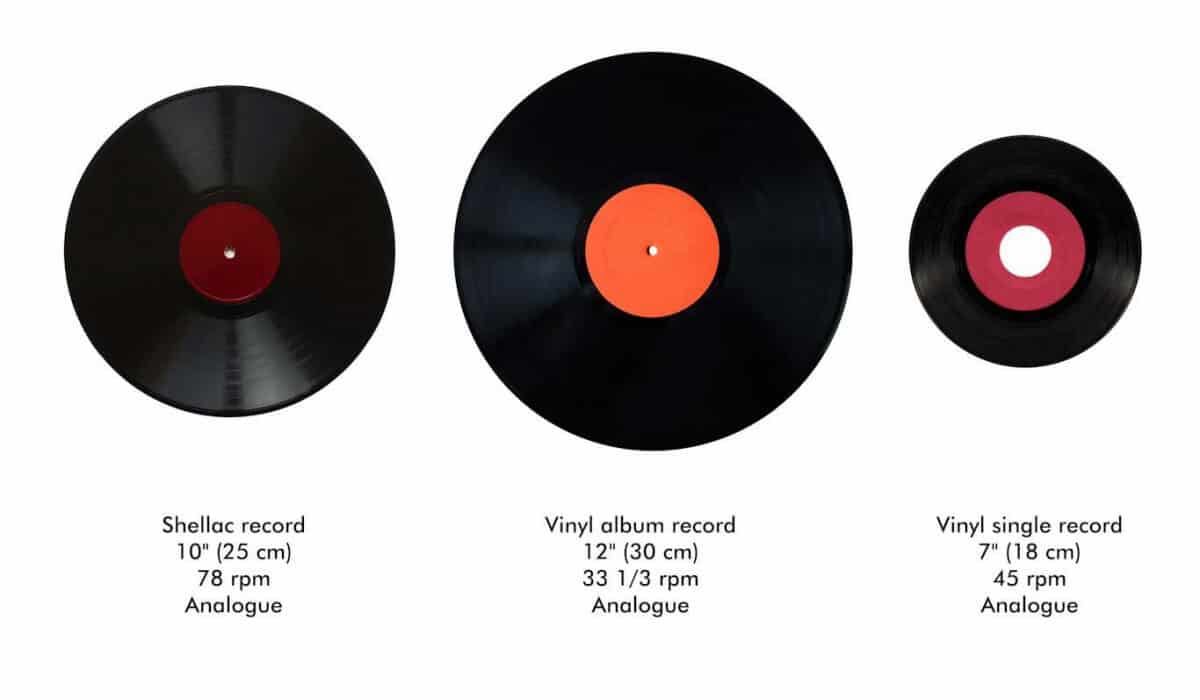
    There are several significant things to consider to help differentiate between 33, 45, and 78 records. The first is the size of the record, the second comes down to the material, and the third includes revelations per minute (RPM).

    Vinyl has been making such a comeback in the last decade or so, and it looks like it’s not stopping anytime soon. DJs and music connoisseurs aren’t the only ones thrilled to dust off their worn-out turntables. The younger generations are here for it too, and they’re in need of some vinyl 101.

    It’s not possible to play any type of record on any turntable. There are record players that can play both 33s and 45s. Most of the time, a single turntable only plays one kind of record at a time.

    Vinyl production has reappeared in recent times. This essentially includes 45s, also known as LPs. This format is beloved among record companies, as it can contain a full album. 33s come up in record stores or online sales, but they aren’t in demand as much.

    Since 78s have been out of production for years, the chances are a turntable to play them on won’t be easy to find. Vintage turntables can do the job, but they are hard to come by and even harder to maintain.

    Industry demands have a lot to do with the types of records circulating. The public is less interested in the 78s due to their obscureness and lack of proper use. This wasn’t always the case, though.

    History of 78 Records

    The name ‘78’ comes from the number of revolutions per minute (RPM) this record plays at. It represents how many times it can spin on the record player in a single minute. In the beginning, the speeds varied from 60 to 130 RPM. (1)

    Since 1894, Berliner’s Gramophone Company started selling 70 RPM 7-inch records. Later on, the standard became 78 RPM due to the speed of the manufacturing machines. It then spread throughout the entire record industry. (1)

    Shellac was the material most commonly used to make 78s. It comes from a resin that lac bugs leave on trees. This resin mixes with alcohol, and a new component, shellac, gets made. (2)

    Before this, companies made records from glass and zinc. These materials were too fragile and incapable of being used for mass distribution. Because shellac was sturdier and moisture-resistant, it quickly became the medium of choice. (3)

    The records had grooves carved in that contained the sound info. When a gramophone needle traced the markings, it created vibrations. A speaker transferred them into sound. (3)

    Vintage turntables needed a person to operate them. They were hand-cranked up until the 1910s. That was when Berliner produced the first automatic gramophone, which could play at a higher speed. (3)

    The first 78s could only store about 3 to 5 minutes worth of music. They were single-sided, so the record limit was a song or two max. It wasn’t until after WW2 ended that the industry introduced vinyl records. (2)

    The Invention of Vinyl Records

    Because shellac wasn’t the lightest of substances, record companies were looking for other solutions. Polyvinyl chloride appeared to be the next best thing. It didn’t weigh as much, it wasn’t as noisy as shellac, and it broke less easily. (4)

    Records made out of vinyl could also store more sound. The movie industry first introduced them for soundtrack purposes in 1926. The pieces of vinyl were increased to 16 inches and could play 11 minutes of sound. (4)

    Their speed had to go down from 78 to 33 1⁄3 revolutions per minute. They still had the same grooves used in the original 78s. 33s also came in acetate form, which the radio industry was using to tape their shows at the time. (4)

    The sound of the 33s was incomparably better than the one coming out of the 78s. Vinyl didn’t make as much noise when the needle was pressing onto it. Both the public and the music industry loved it, so they researched making even longer playing records. (4)

    The LP (Long Play) came into existence in 1948. It played at 33 RPM, and it appeared in 2 formats: 10 inches and 12 inches. The 45 arrived a year later, as competition to the LP. It was smaller (7-inch), yet the grooves were closer together. (4)

    The record company RCA Victor also released EPs (Extended Play) as 45s. It didn’t catch on at the time – the 45s replaced the 78s for singles only. As music artists gained popularity, their audiences wanted more from them. Fewer singles and more albums turned out to be the recipe for success, and little by little, the 78s lost traction. (4)

    78s Vs. 45s

    The similarities between the 78s and the 45s are apparent: both records play music by having the turntable trace their grooves with its needle. They can also appear in the same size: 10 or 12 inches. Both 45s and 78s come from either shellac or vinyl. However, it’s their dissimilarities that matter here.

    attribute/record type

    78

    45

    size

    10/12 inches

    10/12 inches

    speed

    78 RPM

    45 RPM

    sound

    acoustic, loud

    elegant, full

    max. playing time

    5 minutes

    60 minutes

    sides

    single-sided

    two-sided

    LP/EP

    no

    yes

    channel

    mono

    hi-fi

    Besides the speed, the most notable contrast is the amount of playing time the record holds. The 78 couldn’t hold more than 5 minutes of recorded sound, so it became obsolete. The 45 contained microgrooves with a closer imprint in the vinyl than on a 78.

    The microgrooves ensured more music per side, plus both of the sides were playable, unlike on the 78. It gave rise to a new way of releasing music, so LPs and EPs were born. Artists had more to say, and their fans could enjoy their tunes for longer.

    45s had intricate art on their covers to convey the messages the albums carried. Creatives connected to people from all over the world via this new medium.

    The sonic quality of the 45s was much richer compared to the 78s. Though vinyl scratched more due to its lightness, its surface didn’t create noise. With less room for dissonance, the public embraced the 45s wholeheartedly.

    Turntable companies recognized this movement too. 45s were smaller, so they took up less space than 78 RPM records. A new generation of record players flooded the market. (2)

    It’s tricky to locate a vintage record player that plays 78s. If you stumble upon these types of records, invest in a 78 adaptor that switches the pulleys within the turntable. Only then will the turntable be able to play at 78 revolutions per minute. (2)

    78s Vs. 33s

    Mass manufacture of the 78s didn’t stop until the 1950s. Children’s records seem to be the last types of 78s ever produced back in the 1970s. (5)

    33s and 45s became more and more sought-after. Every home had a record player, and everyone had their genre of choice. From rock and roll to gospel and soul, all recording artists released their new music in this way.

    As opposed to predominantly acoustic 78s, the industry started using new technology to record. Electrical recordings used a microphone to convert vibrations to an electrical signal, which connected to a stylus. A stylus cut through the surface of the record, leaving a groove behind. (5)

    Although the 33s typically don’t hold as much music as the 45s, they helped get rid of the 78s. 33s played for around 20 minutes per side in the beginning. Later on, they could store up to 60 minutes’ worth of music. (1)

    33s and 78s share the same size: they came in 10 or 12-inch formats. They play at opposing speeds, the first at 33 RPM and the latter at 78.

    As far as material is concerned, 78s consisted of shellac. 33s could be vinyl or lacquer-covered recordings. 78s and 33s share a resemblance but have a different feel to them.

    45s Vs. 33s

    The 78 recording was the predecessor to the 45 and the 33. It couldn’t compete with modern times as well as the other two for several reasons. Shellac used to produce the 78 was difficult to work with and even harder to take care of. The records were wide and large, thus incompatible with newer turntables.

    The 45s and the 33s stored more sound information, making them ideal for recording more than just singles. They both contained microgrooves made out of vinyl. It also meant the sound was smoother, as it allowed for high-fidelity. (2)

    The most significant difference between the two was in their size. The 45 was smaller than the 33; it was a 7-inch record, while the 33 was 10 or 12. They also varied in speed – the 33 was slower than the 45.

    45 records were more popular than the 33s because of LPs. They allowed for full album versions instead of more individual songs per side. Because 45s played faster, they sold better.

    Record companies competed using 33 and 45 RPM records. Marketing strategies tried to distinguish between the two, though the similarities were unmistakable. Over time, 33s fell into obscureness.

    45s still sell nowadays. They aren’t reserved for vinyl collectors only; they appear across all genres of popular music. Their recent comeback was unexpected.

    Revival of Vinyl Records

    Ever since the 1990s, records of all kinds started coming back into fashion. Music lovers couldn’t get enough of old recordings of late artists, vintage special editions, 80s records, etc. What nobody saw coming was the value vinyl has created for new listeners.

    We’re all fond of nostalgic items that bring us back to happier times. Ticket stubs from a great movie or worn-out letters from dear friends make us feel emotions we haven’t felt in a while. Vinyl records touch that same spot with their retro charm.

    Record companies stopped making vinyl because of the emergence of the CD in the late 1980s. Records didn’t sell as well as they used to, and the audiences were more interested in digital than analog formats. (6)

    It all changed with subcultures and the steady rise of alternative scenes. They embraced what mainstream popular music was trying to shut down. Their roots stemmed from a real place, which included playing records.

    Not all of the records produced throughout history found their way back to modern turntables. 33s were less famous than the LPs. 78s were unplayable except for the selected few who boasted with legitimate equipment.

    45 RPM recordings combined the best of both worlds. They represented a connection to history while holding space for the contemporary to thrive. That’s why the industry still produces them today. It might also be the reason to keep them in their plans for the future, who’s to say?

    In 2020, US-based vinyl lovers bought 27.5 million LPs. It was almost double the number of LPs sold the previous year. It was more than 30 times more compared to 2006 when the vinyl comeback began. (7)

    While 78s didn’t make the cut to this century, 33s and 45s did. Because of their devotion to creativity, 45s hold a special place on crates diggers’ shelves. With their nuanced covers and elaborate narratives, they tell stories other music formats don’t.

    Format Wars

    Before records became such a hit, radio reigned the airwaves. Everybody had a radio receiver back then so they could tune into their favorite stations. It was the prime source of news, music, and entertainment.

    The industry developed 8-tracks and cassettes using magnetic sound recording technology. They could be played via radios, and later on, walkmans. Both 8-tracks and cassettes were well-liked, yet not enough to survive in the 21st century. (8)

    Tapes weren’t enough to please true music enthusiasts who wanted to experience their music. Records came along, first the 78s, then the 33s and 45s. They ruled over the music market for decades.

    Everything changed when digital came into play. In 1982, Sony and Philips released the compact disc or the CD. It enabled digital encoding of sound using laser technology into a small round piece of plastic. (9)

    The CD could store much more audio info than any type of record. Lots of famous artists switched onto releasing CDs only already during the 1980s. There was a side to it that took the recording companies by surprise, and it had to do with its price.

    Who doesn’t remember PCs with CD burners (or friends who owned them)? It was a shortcut to getting an album you’d wanted but didn’t have to pay for it. As soon as the music industry took notice, it was already too late. Record companies lost a lot of money, and artists started suing for copyright infringement. (9)

    MP3s took this on a whole other level. The industry compressed music into this format that was even more digital than CD; it was intangible. MP3s roamed around the internet and its various sharing platforms, such as LimeWire. There was no way to control their fluctuation or the fact that very few people paid for them. (9)

    Digital music formats competed with one another, but they could never replace the feeling of a recording. The emotional attachment was greater than any ease of access. In the long run, analog won. It didn’t even matter if the records in question were 45s, 33s, or 78s, as long as they played.

    How To Play 33/45/78 Records

    To play your favorite 33s and 45s, all you need is a decent record player. Make sure to check the speed setting since 33s play at a slower speed than 45s. As for the rest of the equipment, use what you normally would: your speakers, as well as amps and preamps.

    For 12-inch records, it isn’t necessary to adjust the speed. These are primarily 33s, though a few 45s come in this size as well. If you’re in possession of a 7-inch record, meaning a 45, change the speed setting to 45 RPM. (4)

    This procedure isn’t as simple when it comes to 78 recordings. The first thing you need to take into account is choosing a turntable that ranges between 60 and 90 RPM. Remember, 78s play at a higher speed, but not all of them are set precisely at 78. (10)

    The cartridge needs to be stereo, and the styli needs to have a tip so as to play the 78 records. You’ll also need an amp that has a mono as well as a stereo set. Last but not least, plug in your favorite speakers – just because the record is old, it doesn’t mean the sound will disappoint. (10)

    It’s also possible to use adaptors which insert into the records to play them. It’s probably not any day that you’re able to play a vintage record, so take all the steps to ensure a quality experience.

    There are certain things to bear in mind when choosing between 45s, 33s, and 78s. Each of these has its advantages and disadvantages upon playing and handling.

    Pros and Cons of 33s/45s/78s

    33 and 45 recordings share a lot of the same benefits. They’re usually made of vinyl, have more playing time than the 78s, and are compatible with most turntables. On the other side, they shatter and scratch more easily.

    Pros of 33 Records:

    • Lacquer-based 33s are more resistant to scratches
    • Good sound quality
    • Longer playing time than 78 RPM recordings
    • Vinyl-based 33s have hi-fi sounds
    • Two-sided

    Cons of 33 Records:

    • Larger than 45s – mostly come in sizes of 10 or 12 inches, meaning not all record players can play them
    • 20 minutes of playing time, which is less than the 45s (no possibility of LPs/EPs)
    • Slowest RPM

    45s are in demand for a reason. They stood the test of time because of their many qualities, such as long play time and smaller size.

    Pros of 45 Records:

    • Smallest size out of all the records (7-inch)
    • Made out of vinyl, a lighter material than shellac
    • Good sound quality
    • Long play time (60 minutes), which enabled the release of LPs and EPs
    • High fidelity sounds
    • Two-sided

    Cons of 45 Records:

    • Vinyl scratched easily and wasn’t resistant to moisture
    • Not compatible with all turntables due to small size
    • Alterations to original music due to scratches

    Even though it had its faults, the 78 was a beloved record format for a very long time. It had certain advantages over the 33 and 45 due to its physicality.

    Pros of 78 Records:

    • Shellac didn’t allow records to warp
    • Moisture-resistant
    • Scratch-resistant due to the hard exterior
    • Unaltered original music
    • Quickest RPM

    Cons of 78 Records:

    • Limited playing time – 3 to 5 minutes, only singles could be released on 78s
    • Large in size – 10 to 12 inches
    • Single-sided only
    • Larger grooves collected more dust within the records
    • Easily shattered
    • Compromised sound quality
    • Mono sound only

    33s, 45s, and 78s each had their own time when they were the record of choice. A hundred years ago, nobody could imagine spending their every day without playing a 78 on a jukebox. Genres such as jazz wouldn’t have the platform as they had with the 78 on its side.

    Due to their nature, the 78s didn’t have a long shelf life. They were only good for releasing singles, and their primary substance, shellac, wasn’t sustainable.

    33s and 45s stepped in the recordings game in the 1940s and are still going strong. They have gone from unnecessary to nostalgic to acceptable anywhere. Without LPs, many music artists would never have the chance to communicate their message to the world.

    33 recordings weren’t as well-loved as 45s because of their limited playing time. They still had credit with their audience and continue to be valued collector’s items today.

    45 RPM records have more pros than cons in regards to the trace they’ve left on music. Without them, there wouldn’t be as much attachment to vinyl as we know it today. They’re an integral part of the culture of not only music but art as a whole.

    Significance of 33/45/78 Records

    Shellac and vinyl records combined have made an impact on the music industry and the public alike. No other format in the history of music has had such an extent as recordings have.

    There’s something warm about records that isn’t there with other analog options. Records feel like a safe harbor, and playing them is a process. It isn’t always easy, but we need it so we can feel the music.

    33s and 45s outlived 78s, but they also outlived CDs, 8-tracks, and cassette tapes. There was never an interconnectedness with the latter as there is with records. This is especially true for wax records, which still spin today.

    The future of recordings may be uncertain, but it’s there. 45s, in particular, have shown that they’ve got an audience that isn’t going anywhere. Even the younger generations are willing to learn how to play records and keep their story going.

    Artists around the globe are able to take part in this interchange of feelings and memories vinyl brings with it. They don’t have to settle for a medium that doesn’t resonate, nor do their fans. It goes for the content that’s on the record cover, as well as the one that goes within.

    With such attention to detail, it’s no wonder records went through their renaissance. There isn’t a single other format like that in our recent history that got the recognition vinyl has. It was all thanks to the public that wanted more out of their music.

    Markets follow the needs of their consumers. It’s soothing to know that there’s power in the decision-making process behind how we enjoy music. It’s not all about making money; there’s something in expressing the right sentiment. 33, 45, and 78 records can do that and much more.

    Which Record Is Better: 33, 45, or 78

    The answer to the question which record out of these three is the best one comes down to your personal preferences. If you don’t mind playing a single song at a time, go for the 78 record. This is best advised to classical music lovers who don’t have a problem with less-than-perfect sound quality. 78s are difficult to come by and need the proper TLC and an adequate turntable to play them.

    33s and 45s are the record formats to go for if you’re in the mood for an authentic listening experience. Take a walk down memory lane and see for yourself what it was like to immerse yourself in the music of your choice. Accompany either of these with a suitable record player and watch the magic unfold.

  • The Best Guide To Shipping Vinyl Records

    The Best Guide To Shipping Vinyl Records

    Are you a newbie to vinyl records, and you’re wondering how best to ship them? Well, you’re in luck because this article focuses on handling vinyl records. We will talk you through the best ways to send your newly owned vinyl records without damaging them.

    Vinyl records are best shipped in slightly thick papers, for example, cardboard. However, if you do not pay extra attention to packing your vinyl records carefully, it could result in a loss.

    To understand how you can package your vinyl to ship them safely, you first must understand the rudiments of safely sending things. With this information, you will be better equipped to transport sensitive and fragile materials such as a vinyl record.

    Essential Guidelines To Guarantee Safe Shipping of Fragile Vinyl Records

    When shipping, different rules are applicable. These additional rules are fundamental when the goods involved are labeled fragile.

    A vinyl record is a fragile shipment and thus cannot just be wrapped up and posted in the mail. You must follow essential procedures to ensure your vinyl remains in its original state before, during, and after shipping.

    The following guidelines will point you towards some of the best steps to follow when shipping your vinyl record either in bulk or per piece.

    Distance

    The first thing you want to do is calculate how far you’re shipping your vinyl record. Distance helps to determine how long your record spends sealed in a box, bearing in mind that your record can easily face destruction by heat, and we don’t want that.

    Distance also determines how you package your record before shipping and in what storage container it should be shipped.

    Packing Your Vinyl Record

    The most crucial step is to ensure that your vinyl record will be well-protected from external and internal influences that could cause damage. How do you do that?

    It is a quick and straightforward guide on the best way to pack your vinyl for shipping.

    • First, take your record out of the outer jacket.
    • You then take the record out of the inner jacket.
    • Place the vinyl record in a new protective inner jacket. It is sometimes customized or printed. You can order inner vinyl jackets online, so you have a new one for each use.
    • Carefully place the record between both jackets taking care not to touch or scratch the surface.
    • Once that is done, you then tape both jackets together firmly so that the record cannot move around.
    • You can then secure the record from external damage by wrapping it up tightly in bubble wrap or foam sheets and further taping them together.
    • Make sure your bubble wrap does not have wiggle spaces. For bulk packaging, you can purchase some strengthening stiffeners for records.

    Choosing The Right External Container

    Even though you have firmly secured your vinyl record from movements and scratches, a poor shipping container might put your efforts to naught.

    That’s why it is essential to purchase an LP Mailer. These are available online(Check price on Amazon here) in different sizes and types that are suitable for both single and bulk shipping. (Source)

    (10) White Vinyl Record LP Shipping Mailer Boxes - Holds 1 to 3 12" Records - Adjustable Height - Strong 200# Test Cardboard #12BC01VDWH

    If you are shipping in bulk, do not try to make your record mailers or improvise, as this could affect your record. It might be expensive to purchase several vinyl record mailers, but it will be worth it.

    Sealing

    Once your firmly secured, bubble-wrapped record is placed in the mailing container, you can then seal it up properly. It helps to protect from external damages such as water.

    Labeling

    Now, labeling your package involves two parts:

    First, make sure you check and double-check your addresses and contact number. Write them out clearly. Using water-resistant writing stickers too can be helpful, so the ink doesn’t run out, and the writing becomes illegible.

    The second part is to make sure you label your box as “Fragile” or “Vinyl Record, Do Not Bend.” It calls the attention of whoever is handling your shipping to the sensitive content in the parcel. You can also find Handle with Care – Do Not Bend – Thank You Shipping Stickers Labels on Amazon here.

    3" X 1.5" Handle with Care - Do Not Bend - Thank You Shipping Stickers Labels, 250PCS Per Roll

    Insurance

    It isn’t necessary but might come in handy. You just might have to ship a vinyl record that is old or rare.

    Insurance protects you in cases of unforeseen damages or the event of not-so-common instances of property loss. That’s why it’s crucial to choose a suitable carrier for your shipment.

    Weight And Shipping Costs

    Depending on the number of records you are shipping, the weight differs. The final weight of your vinyl records shipment, all packaging inclusive, determines the shipping price.

    Now, most shipping companies charge extra for fragile shipments. The delivery period can also affect your shipping cost, i.e., how fast you want your order delivered.

    Shipping Company/Period

    It is advisable to use shipping companies that handle fragile products for vinyl record shipping. It assures you that your package gets handled with extra care.

    As earlier explained, distance is a determinant when calculating the shipping period. However, there are shipping companies that prioritize prompt delivery at affordable rates.

    Tracking Your Shipment

    Your order has been successfully packaged and shipped, but it doesn’t end there. You have to keep up with your package in transit constantly.

    It keeps you apprised of the delivery period and also notifies you immediately if something goes wrong.

    How Many Ounces Is A Vinyl Record?

    Vinyl records come in different sizes, with the most common being the “7”, “10”, and “12” inches. A 7-inch Vinyl record could weigh as low as 1.4 -1.7 ounces, while a 12-inch record could go as high as 4.2 – 6.3 ounces.

    Now since the music or sound is stored on the surface of the Vinyl record, its overall size and weight are determined by factors such as the following:

    • RPM – Revolution Per Minute (the speed at which the record turns during play)
    • Average minute per side (record length)
    • Diameter
    • Quality
    • Durability

    The material density and record thickness will inherently determine the record’s actual weight and the thickness and material of the record sleeve.

    How Do I Care For My Vinyl Record?

    Your vinyl record is an analog music disk. What this means is that your record is vulnerable to dust, water, heat, and scratches. It, in turn, compromises not only the quality but also the audio sound of your vinyl record.

    Some tips for caring for your vinyl record include:

    Storage

    Always store your vinyl records vertically. It helps to avoid pressure on them that might result in bending.

    Always store your vinyl records in a dry and cool place. Water or heat will easily damage your collection. Be careful not to store different sizes of vinyl records together.

    You can find more about storing vinyl records in these articles that I wrote.

    Cleaning

    You can purchase an anti-static carbon fiber brush online that is suitable for cleaning a vinyl record.

    You can also purchase a vinyl record cleaning fluid alongside a microfiber cloth. You get to wipe off fingerprints or dust prints in a non-abrasive way.

    Touching

    Pay extra attention to holding your vinyl records around the edge with clean hands; even the slightest touch can negatively impact the quality of sound from a vinyl record. (Source)

    Final Thoughts

    Are you worried about having to ship a rare collection? Are you anxious about making your first delivery? This article is a detailed and comprehensive guide on the best ways to ship your vinyl collection.
    This guide gives insight into a few things that might not cross your mind and all you need to know about vinyl records.

    Sources

    1. Vinyl for Miles, “How To Pack And Ship Vinyl LP Records like a Pro,” YouTube video 17:53, posted by “Vinyl for Miles,” November 18, 2020, https://www.youtube.com/watch?v=Hl9SEjr0Eys

    2. Anna Merkl, “How Technology Changed the Rhythm of the Music Industry,” (Undergraduate honors thesis Louisiana State University & Agricultural and Mechanical College, Baton Rouge, Louisiana 2020)

    3. Walter L. Welch. 1972. “Preservation and Restoration of Authenticity in Sound Recordings,” Library Trends (1972) 21(1):83–100.

  • A Complete Guide To Properly Cleaning Your Vinyl Records

    A Complete Guide To Properly Cleaning Your Vinyl Records

    Vinyl records are increasingly becoming popular. Both collectors and turntable DJs are playing them regularly. However, they need proper care to ensure that these artistic pieces last longer and provide quality sound. In this article, we will provide a detailed guide on how to clean vinyl records.

    Vinyl records need dry and wet cleaning with anti-static record brushes and vacuum record cleaners. Dry cleaning removes the more significant dirt and dust particles, while wet cleaning ensures permanent dirt is removed.

    Besides covering the comprehensive cleaning methods, we will also examine why it’s crucial to clean vinyl records. Read on to find out more.

    Do Vinyl Records Need To Be Cleaned?

    Over the years, vinyl records have evolved. Initially, these analog sound-storing mediums were referred to as phonographic disc records. Manufacturers made these phonographic records from shellac. With time, however, records made from polyvinyl chloride (PVC) became more common.

    These records were then coined ‘vinyl’ records from the material they were made of. With time, all types of records were referred to as vinyl records, regardless of what they were made of.

    As much as new formats were introduced (e.g., compact cassette), vinyl records retained a significant market share. However, in 1991, once the market share of compact disks rose, vinyl disappeared from the mainstream.

    It was not the end of vinyl records as they made a comeback in the 21st century. This time, they were common in particular niches such as rock bands and with DJs. Over time, collectors have also increased with these pieces considered to be of historical and artistic interest.

    Taking proper care of records, therefore, becomes necessary, no matter who owns them. One of the ways to do this is through preservation. To prevent gradual degradation of the audio, most collectors transfer the audio to other media. Preservation also involves playing the records once in a while (1).

    Proper care for the vinyl also involves cleaning them regularly. In turn, owners are rewarded with the tremendous and lush sounds that they have to offer. The cleaning applies to both new and old records. Below are the reasons why cleaning records is essential.

    Static Charge on Records

    Playing records is fun, but with static, the process can be tedious. The static charge has no exception whether the record is new or old. In fact, before adding a vinyl record to your collection, it is already exposed to static (2).

    Static electricity is a result of an electric charge building up in non-conducting materials. The moment two non-conductors are rubbed against each other, static is created. The vinyl itself is made of non-conductive material.

    Vinyl comes into contact with other non-conductors during their production process. The records’ sleeves are also non-conductors, and the friction between the two also creates charge (3).

    In order to ensure higher quality, lower noise floor, and better pressings, vinyl records are made purer and thicker. But unfortunately, this also means the concern with static electricity becomes worse.

    Facts have presented themselves by comparing recent pressings and those from the 80s. Thinner records from the 80s are affected less with the static charge when compared to the latest pressings (4).

    While it’s not possible for the static charge on the records to shock the users, it’s still detrimental. First, the sound from the record will be tampered with. Instead of the lush sound, one will get poor-quality audio.

    Also, the records will be susceptible to dirt and, in turn, they will require thorough cleaning. The electric charge attracts dust meaning the vinyl surfaces will allow dust build-up. In this case, the vinyl records will act as literal dust magnets. Unfortunately, the static charge also threatens the lifespan of the needle.

    You can find more info on removing static from vinyl records in this article: Best Way to Remove Static from Vinyl Records: 7 Easy Tips

    Increase Record’s Lifespan

    For a vinyl record to last long, it’s necessary to take the required measures. It applies to common records or rare records that are difficult to find. While records made from vinyl are known to be less prone to damage when compared to those made from shellac and acetate, they still require attention (5).

    Proper storage and handling prevent slow degradation. Storage practices that you should carry out include storing the records on metal shelves instead of wood. It is to keep them from the contraction and expansion of the wood. Also, the vinyl shouldn’t hang over the sleeve’s edge.

    Also, immediately after the records have been used, they should be placed in their jackets. Again, it would be best if you avoid unnecessary exposure to light and air. Keep in mind that the only places that should be touched when holding it are the label areas and the edge.

    By operating a clean vinyl, one is also assured of an increased lifespan. Dirty and dusty records, on the other hand, may result in permanent damage to the vinyl. The increased friction may also damage the stylus (needle), and in turn, the tonal response may be affected (6).

    As mentioned above, static electricity is generated when non-conductors are rubbed against each other. Therefore, the increased friction between dirty records and stylus only results in more dirt.

    According to an analysis conducted, the dust removed on stylus tips included; 35% diamond dust, 12% jagged silica, and 40% miscellaneous particles (grit, soot). The rest consisted of lint and fibers (7).

    Stay Free From Surface Noise.

    First, it’s vital to understand that occasional surface noise on records is normal. This noise is expected when the music is sliding into existence. It also occurs between tracks.

    However, there may be a problem when the hisses, clicks, and pop sound out of place. There are various reasons to consider. They include; excessive dirt or debris on the vinyl, excessive dust build-up on the stylus, or playing ancient records that require a deep clean.

    Loud pops that prevent enjoyment of the track are caused by actual contamination. At times, one can identify the piece of dirt on the record. Other times, it’s safer to do a quick sweep on both sides of the record. Prior cleaning before use also results in minimal surface noise (8).

    Clean Vinyl Records With Alcohol? We Find Out.

    In order to ensure effectiveness, cleaning vinyl records requires caution and consciousness. Failure to do so may result in damage to the records. Scratches, for example, may form on the record if abrasive agents are used to clean them.

    For vinyl enthusiasts, damage to their rare collection is a real fear. Using alcohol for cleaning, in particular, has been a debated issue over the years. For the most part, however, using it has been discouraged.

    Adequate precaution is necessary when considering alcohol as a surface cleaner. It is because pure alcohol isn’t safe, and you should never use pure alcohol on records. However, there are commercially sold record cleaning agents that contain alcohol in them.

    In an interview, Steve Chase, the founder of Groove Washer, stated why Dr. Bruce Maier (1970s Disc washer creator) steered clear of iso alcohol (high amounts). He mentioned that iso alcohol could remove plasticizers from the records and make the groove brittle.

    He also mentioned that while other experts took pride in using high amounts of iso alcohol, its effectiveness was questionable. Mainly since the alcohol dried up too quickly, leaving no time for the contaminants to be removed (9).

    One may still choose to use alcohol for cleaning their vinyl. However, there are two things they should be aware of. One, the alcohol used should be carefully selected and properly diluted. Also, it is not possible to guarantee that nothing will happen to the records.

    Polyvinyl chloride has properties that make it resistant to solvents. It means that the base material of the records created from PVC is not affected by alcohol. The risk, however, comes in with the additives in the Polyvinyl chloride, e.g., plasticizers.

    As mentioned before, one of the things alcohol could remove is plasticizers. Plasticizers, together with extenders and stabilizers, ensure the vinyl record has flexibility. Unfortunately, once these additives react to the alcohol, their bonding to the record’s surface is compromised. Therefore, this makes alcohol a less desirable cleaning choice for Vinyl records (10).

    The decision to use isopropyl alcohol, therefore, would require usage in small quantities. Failure to control this solution can cause it to turn into an abrasive quickly. The risk is much higher when it comes into contact with acetic acids (such as vinegar).

    Using distilled water to rinse vinyl records cleaned with isopropyl alcohol is recommended. However, due to their delicate nature, you shouldn’t clean shellac records with any kind of alcohol.

    Since some vinyl cleaning agents contain alcohol, going through the ingredients before purchase or use is necessary. Types of alcohol to look out for include ethyl alcohol, pure alcohol, and methyl alcohol. Isopropyl should also be in small quantities.

    How to Deep Clean Vinyl Records

    There are two primary cleaning methods, dry cleaning, and wet cleaning. As the name suggests, dry cleaning does not involve any solutions, while wet cleaning involves a cleaning solution.

    Record owners should conduct dry cleaning every time they take out a record to play. You should do cleaning both before and after the record is played. It keeps the record in great shape. It is because you will remove superficial dirt regularly. Therefore, the chances of the dirt permanently sticking onto the grooves are minimal.

    The best tool to use is an anti-static record brush. These brushes tend to have two bristle rows. While one row removes dirt and dust on the record, the other row is meant to de-stat. By minimizing the static build-up, the chances of dust clinging on the record are also reduced.

    You should start by brushing the record’s surface gently. It should be done in a circular motion while following the grooves. You should apply only light pressure in this case since the aim is to remove large dirt and dust particles. Using too much pressure may destroy the grooves.

    However, there are scenarios where different cleaning methods need to be incorporated. Deep cleaning will offer a thorough clean by using specific solutions.

    The first scenario is when you’re playing a record (regardless of whether it’s brand new or second-hand). The second scenario is with visibly dirty records, they don’t sound good, and they don’t respond to dry cleaning.

    Below is a detailed guide on how to deep clean vinyl records.

    Prepare The Cleaning Solution.

    Deep cleaning vinyl records requires a wet method. That is, incorporating a solution to ensure thorough removal of dirt. Once you decide to use a homemade solution, it is essential to prepare it correctly.

    The necessary ingredients include isopropyl alcohol, a rinse agent, and distilled water. Dishwasher fluid can serve as the rinse agent. However, it should be both fragrance and color-free.

    The dishwasher fluid is essential as it breaks the vinyl’s surface tension. It then allows the solution to reach the deeper parts of the record’s grooves.

    Take a few drops of the rinse agent, three parts of the distilled water, and one part of the iso alcohol. Distilled water is preferred as it does not contain impurities when compared to tap water. You can use a bowl to combine the ingredients and then gently stir. Alternatively, you may opt to use a spray bottle, provided you shake well before use.

    There are homemade solution recipes that recommend using ‘Free Clear’ laundry detergent instead of iso alcohol. In order to avoid damage to the vinyl, it is required that the detergent is free of fragrances, phosphates, or color agents (11).

    Keep in mind, however, that using homemade solutions is taking a chance. Therefore, proper dilution of the alcohol is necessary.

    Using Pre-Packaged Solutions

    Pre-packaged solutions are a bit costly when compared to homemade solutions. Also, the ease of availability of home solutions makes for a strong argument against pre-packaged stuff. However, they go a long way in ensuring the records are clean, safe, and protected. Therefore, they are a much-needed investment if you truly want your vinyl for the long haul.

    Both record stores and music stores sell these solutions. Before making any purchases, you should ensure the ingredients used will be favorable on your vinyl. Most of these solutions come with detailed instructions for proper application.

    Pre-packaged solutions are highly effective whether cleaning by hand or using a machine. However, using cleaning solutions designed for cleaning devices is recommended. Fortunately, there are plenty of cleaning solutions one can choose from.

    There are cleaning solutions packaged individually, while there are those packaged in kits. Cleaning solutions packaged individually tend to be enough for an entire record collection. Especially since they only require a few drops. Solution kits come with cleaning fluid, microfiber cloths, and soft brushes, which are convenient.

    A pre-packaged solution is suitable for absolute purists and collectors with hundreds of dirty records (12).

    Put The Vinyl Record On A Cleaning Mat.

    Finding a suitable surface before cleaning is vital. Cleaning mats are a good option. These mats are made of soft material that will be gentle on the records. It offers an excellent solution for those fearful the solution would seep into the turntable. The attached spindle would ensure the vinyl is secure.

    However, there are mats meant for dry cleaning. Therefore, they cannot handle the solution. Prior confirmation would prevent unnecessary accidents.

    Instead of the turntable, you may opt for other flat and stable surfaces, such as a table or a desk. In cases where a record cleaning mat is unavailable, a micro-fiber towel should suffice. The main aim is for the surface to be non-abrasive and can handle the solution.

    Apply Cleaning Solution On Record

    There are two main ways to apply the cleaning solutions on the record. The first is by spraying a few drops on the vinyl surface. For this, the solution needs to have a spray function.

    In order to completely cover the vinyl’s surface, five mist sprays should be enough. First, spray the solution at a distance of about 15cm. After spraying, give the cleaning solution a few seconds to seep into the grooves.

    If you mix your cleaning solution in a bowl, you may choose to transfer it to a new receptacle, such as a dry spray gun. Alternatively, you may work on it as it is. Using a microfiber cloth, dab the solution onto the vinyl record. The aim is to make the record slightly damp, not to drench it. Therefore, you should avoid overdoing it.

    Caution should be exercised when applying the solution. It is to prevent the label from getting wet. The solution may discolor the label or cause the label glue to loosen. Both incidents will be detrimental to the record’s label and destroy its aesthetic aspect. You may choose to purchase a record label protector disc to keep the fluid from getting to the label.

    Wipe Solution With A Microfiber Towel

    Take hold of your clean microfiber towel and wipe the solution. Start at the center of the record and wipe in a clockwise direction. Avoid wiping across the grooves; instead, move along them. Apply gentle pressure so that the microfiber towel gets into contact with the inner parts of the groove. It will wipe off any visible and invisible blemishes as you continue.

    Once you get to the record’s outer edge, begin the rubbing process in a counterclockwise direction. The same way the needle does when the vinyl is playing. As you do this, ensure your fingers are flat. It is to avoid scratching the record with fingernails.

    Once done with one side of the record, flip it and work on the lower surface. Soak a towel in distilled water and rinse both sides. Once cleaning is over, you should let the record dry.

    There are several ways of letting this happen. Some prefer to let the vinyl air dry. Placing it on a rack for this to happen is advisable. However, by air drying the record, it runs the risk of dirt settling on it again. Instead, you should use a dry microfiber cloth to speed up the process.

    Before tucking the records away again, they need to be entirely dry to prevent mold from growing. It especially applies if the cleaning solutions used contained alcohol.

    Want more details? Check out this guide I wrote about cleaning vinyl records with microfiber: A Step By Step Guide To Cleaning Vinyl Records With Microfiber

    Use A Cleaning Machine

    As seen above, there are several ways that one can clean a vinyl record. For those who don’t wish to use their hands, they can use a machine to clean. These machines allow one to save both time and effort. However, before purchase, you may be required to save up as the devices can get costly. In fact, they can go as high as $500 (13).

    When it comes to record cleaning machines, both manually operated and power operated devices exist. Finding one that suits your cleaning needs will require adequate research. When on a budget, however, machines that use a brush to clean are preferable.

    Purchasing cleaning machines particularly applies to those with extensive record collections. These machines give the vinyl an actual bath. They incorporate both distilled water and cleaning solution. You’re required to spin the vinyl record through the solution for about a minute. The built-in brushes get rid of the dirt.

    What Can You Use to Clean Vinyl Records?

    Vacuum Vinyl Record Cleaners

    Despite their costly nature, vacuum vinyl record cleaners offer several benefits that hand cleaning cannot. Not only do they minimize pressure used, but they also reduce the amount of physical contact on the delicate vinyl. Additionally, they suck up the dust and dirt found on the grooves.

    The vacuum cleaners contain motors that rotate the vinyl as the suction arm does the cleaning. It makes cleaning thousands of records easier without worrying about fatigue, time spent or changing micro-fiber cloths regularly.

    The cleaning solution is applied manually, and the motor rotates the vinyl. Once the entire surface is covered, the suction arm is put over the record, and the dirt and solution are removed. Within seconds, the vinyl record is clean and ready to be played.

    However, allowing the suction arm to rotate for too long with the record already dry may damage the record and wear out of the felt pads.

    Wood Glue

    Unconventional as it may seem, many collectors vouch for wood glue as a record cleaner. In theory, both the wood glue and the vinyl’s materials are made chemically similar. So much so, the glue can’t stick to the record. However, it will stick to all the dirt and dust on the vinyl (14).

    An experiment was conducted to test the truth concerning wood glue’s effectiveness on vinyl records (15). The result was remarkable effectiveness on heavy-duty stain removal. In one application, you should have eliminated most of the excessive grime on the disc used.

    However, this process is not without its disadvantages. The process is complicated since wood glue is not easy to work with. Major requirements include a surface that you will discard afterward and gloves to keep hands protected.

    The amount of glue needed on one surface is too much, meaning the total cost on many records would be expensive. The process also takes too long. It is because you have to wait for the glue to dry, peel it off, rinse the disc and dry it again.

    FAQs

    How To Clean Vinyl Records With Windex?

    You should avoid household cleaning products like Windex completely. It is because they are very abrasive cleaners and pose threats to vinyl records. Instead, collectors should utilize three parts distilled water, dishwasher fluid, and one part isopropyl alcohol to save up on cleaning solution costs.

    I wrote a specific article about why you never should use Windex to clean your vinyl records.

    What’s The Best Way To Clean Vinyl Records?

    You should clean vinyl records every time before and after playing using an anti-static record brush. It goes a long way in increasing their lifespan and minimizes the chance of permanent dirt and dust.

    For extraordinarily soiled or old vinyl records, a deep clean is recommended. This deep clean will incorporate a cleaning solution. Depending on the number of records, one may clean by hand or with a machine.

    How Do You Clean Vinyl Records Without Damaging Them?

    When purchasing cleaning solutions, be sure to check on the ingredients that make up the solution. It is because some ingredients, such as pure alcohol, may end up damaging the vinyl records.

    Also, in situations where isopropyl alcohol is used, you should use it sparingly. Using microfiber cloths will also prevent the records from scratches.

    Sources

    1. Phonograph Record, Wikipedia, https://en.wikipedia.org/wiki/Phonograph_record, Accessed 24th October 2021
    1. The Importance of Cleaning Your Records, The Vinyl Revivers, https://thevinylrevivers.com/the-importance-of-cleaning-your-records/, Accessed 24th October 2021
    1. Ed Selley, How to Deal With Electricity And Your Records, Vinyl Me Please, https://magazine.vinylmeplease.com/magazine/how-to-deal-with-static-electricity-and-your-records/, Accessed 24th October 2021
    1. Static & Your Record Collection, Planet Of Sound, https://www.planetofsoundonline.com/pages/static-your-record-collection,Accessed 24th October 2021
    1. Conservation and restoration of vinyl disks, Wikipedia, https://en.wikipedia.org/wiki/Conservation_and_restoration_of_vinyl_discs#Storing Accessed 24th October 2021
    2. Steve Guttenberg, Do vinyl LPs wear out? The Audiophiliac takes on that myth, cnet, https://www.cnet.com/tech/home-entertainment/do-vinyl-lps-wear-out-well-bust-that-myth/, Accessed 24th October 2021
    1. The Wear and Tear of Records and Styli, Shure, https://service.shure.com/s/article/stylus-wear-and-record-wear?language=en_US, Accessed 25th October 2021
    1. What is Surface Noise? -How Much is Too Much? Sonic Elevation, https://sonic-elevation.com/what-is-surface-noise-how-much-is-too-much/, Accessed 25th October 2021
    2. Marc Henshall, Is it Safe to Slean Vinyl Records with Alcohol? Sound Matters, https://www.yoursoundmatters.com/is-it-safe-to-clean-vinyl-records-with-alcohol/, Accessed 25th October 2021
    1. Joe, Cleaning Vinyl Records with Alcohol: Is it Safe? Vinyl Record Life, https://www.vinylrecordlife.com/cleaning-vinyl-records-with-alcohol-is-it-safe/, Accessed 25th October 2021
    1. LP Record Cleaners vs Homemade Solutions, Spin Clean, https://spinclean.com/lp-record-cleaners-vs-homemade-solutions/, Accessed 25th October 2021
    1. Steven Williams, A Side-by-Side Test of Vinyl Record Cleaning Solutions, Discogs Labs, https://blog.discogs.com/en/side-by-side-test-vinyl-record-cleaning-solutions/, Accessed 25th October 2021
    1. Wiki How Staff, How to Clean Vinyl Records, Wiki How, https://www.wikihow.com/Clean-Vinyl-Records, Accessed 26th October 2021
    1. How to Clean Vinyl Records, Colored Vinyl Records, https://coloredvinylrecords.com/blog/how-to-clean-vinyl-records/, Accessed 26th October 2021
    1. Steven Williams, A Side-by-Side Test of Vinyl Record Cleaning Solutions, Discogs Labs, https://blog.discogs.com/en/side-by-side-test-vinyl-record-cleaning-solutions/, Accessed 25th October 2021
  • The 10 Best Places to Buy Vinyl Records Online

    The 10 Best Places to Buy Vinyl Records Online

    These days, everyone has their preferred method of daily entertainment whether it be music, books, movies, or a variety of other media types. For many true music lovers, the old fashioned vinyl record is the best way to go. In-person shopping can be an exciting way to find new music and old favorites. However, stores may be limited in product, and are oftentimes difficult to physically sort through as it can take hours to find what you like.

    Online shopping is an easy route for all your purchases, including vinyl records! Each online store listed is unique and offers different services, products, and online tools. Some customers may be looking to start a vinyl collection at home, which some sites are more suited for. Other customers may be new to the vinyl world and would like an expert to guide them in their journey to find the best products for the best prices, and to discover their personal music tastes. Or, like many music lovers, you might be interested in a more community based company where you can collaborate with other customers, review music together, buy/sell products from others, and view their collections online to help grow your own. Whatever your preferences and needs, you may find your best fit in one of these sites. Here are 10 of the best online vinyl record stores.

    Top Pick

    Turntable Lab

    My absolute favorite store for vinyl records and audio equipment is Turntable Lab. They have a great online store that primarily focuses on new releases and reissues.

    Turntable Lab

    Turntable Lab prides itself on being selective with the quality of the products they offer. The store started by catering to DJs and providing high-quality audio equipment, including turntables and sound mixers.

    Today, they continue to cater to aspiring DJs while housing a unique collection of vinyl records. If you’re a hip-hop lover, few record stores can offer the solace you’ll find here at Turntable Lab. Aside from records and audio equipment, they also provide streetwear, production gear, and vinyl toys, including an action figure of the late J-Dilla.

    As a record store, TTL focuses primarily on new releases and reissues rather than old records. So if you’re digging for the classics, you may not find many at this store. However, TTL caters to a wide variety of music tastes, and you’re sure to be pleasantly surprised by the wide range of genres they carry.

    Aside from audio equipment and vinyl records, this store also sells books and magazines related to music and the art of DJing. And while it’s recognized primarily as a record store, TTL was instrumental in uplifting the DJ movement in its early stages

    Amazon

    If you’re going to write a list of all the places to buy vinyl records online, it’s hard to avoid Amazon. They have an extensive selection, and they are competitively priced. In addition, if you’re a Prime member, you usually get delivery within 1-2 days.

    Visit Amazon here to buy vinyl records.

    Amazon has also launched a new subscription service called Vinyl of The Month Club. As part of the club, you get a record from the Golden Era of Vinyl every month. And you don’t have to be a Prime member.

    You can find out more about the Vinyl of The Month Club on Amazon here.

    Vinyl of the Month Club: The Golden Era - Vinyl Subscription

    Amoeba

    Amoeba is based in California in Berkeley, San Francisco and Hollywood. They are currently one of the largest and most popular online record stores. They provide a wide range of genres including but not limited to rock, hip hop, soul, classic jazz, and electronica. They offer albums from artists, both popular and underappreciated. With their staff consisting of musicians, music lovers, and experts, they will help you find your preferences in music, and will offer similar artists you may be interested in listening to. By joining their AVC (Amoeba Vinyl Club), you can receive a new vinyl every month to grow your collection at home. You can also join their email list to be notified of upcoming sales, news, and more.

    Amoeba has been in business since 1990 and was founded at a time when chain stores were popping up everywhere and making independent stores like Amoeba go out of business. Luckily, Amoeba thrived in this climate as one of the only independent music stores that were left in the area because of their loyal, music-loving customers. (Source)

    Amoeba has continued to thrive since then, and it is now one of the best places to purchase vinyl records online if you don’t live in the Berkeley, California area.

    Experience Vinyl

    Experience Vinyl is for all you independent shoppers. You get all the control in your purchases with no financial contracts. You can browse or shop their broad selection of old or new music, and you can pre-order upcoming releases.

    On the home page of their website, Experience Vinyl posts a “Selection of the Month” album to purchase new music, along with information on the artist. They also provide a monthly offer for limited edition albums you may be interested in, but with no obligation to purchase. Experience Vinyl is a great way to learn about new genres and artists, and to dive deeper into your world of music without any pressure.

    Experience Vinyl has a Vinyl Club that doesn’t have a monthly fee that gives you access to these “Selection of the Month” albums. You just tell them your name, email address, and become a part of the Vinyl Club. (Source)

    Experience Vinyl is one of the best places to purchase vinyl records online partially because the Vinyl Club doesn’t cost money to become a part of, but also because they sell a wide variety of vinyl records so you will definitely be able to find one you will enjoy listening to.

    EIL

    With EIL, you can do more. They have a large range of genres, rare records of different sizes, as well as CD’s and music memorabilia to purchase. You also have the option to sell items for cash, or trade-in, which allows customers to grow and share their personal collections. They offer same-day shipping, and if you aren’t satisfied with your product, you can return it for a full refund.

    The staff at EIL are involved with purchases and respond to contacts quickly with any questions or concerns. You can view real reviews from customers on their website. They also have a blog where you can view posts on record collecting news, advice on starting your own collection, reviews, and so much more.

    EIL started as a vinyl collecting hobby in 1985 by founders Robert and Julian, that grew overtime into a full business for all that are passionate about music and record collecting. Although it is one of the best places online to purchase vinyl records, their website does look slightly dated. Instead of taking time to redesign their website, they choose to focus on selling vinyl records that are in mint condition, which their customers greatly appreciate. (Source)

    Discogs

    Discogs is for music collaborators. Through the site, customers can share their collections, wish lists, and reviews with others. This can play a part in growing the site’s music catalog as more customers contribute. Discogs has a blog where they share news, updates, and articles for all music lovers to dive deep into their favorite artists. You can also download their app to easily connect with buyers and sellers and to add to your music collection quickly.

    Discogs was founded in the year 2000 by Kevin Lewandowski and was originally a simple project. Now, that simple project has become a passion. They now want to build the largest and most comprehensive database of music. They are now one of the best places to purchase a vinyl record online, but keep an eye on this company as it grows. You will definitely find vinyl records you will enjoy when you visit this website. (Source)

    Dusty Groove

    Dusty Groove carries the major genres but has a main focus on funk, soul, reggae, jazz, and other less popular genres. You can easily browse through used items, vinyl’s and CD’s for under $10, and other low priced products.

    The website puts a deep focus on helping customers find their passion and deeply appreciate music again. It provides the company’s history through the website, as well a link to the trailer for “Dusty Groove: The Sound of Transition”, a documentary of jazz, soul, and hip hop lovers and their connection to music that was completed in 2019. The film focuses on customers that have visited the Dusty Groove storefront and how music has shaped their lives. (Source)

    All Tower Records stores have a red-and-yellow color scheme and a ‘No Music, No Life’ slogan that they go by. All storefronts have wide aisles that are filled to the brim with vinyl records, LP’s, and CD’s. If you can’t go into one of their stores, you can purchase all of the products that they sell in their stores on their website. (source)

    Dusty Groove is one of the best places to purchase vinyl records online. They have vinyl records in genres such as:

    • Soul
    • Funky 45’s
    • Jazz
    • Funky Compilations
    • Hip Hop
    • New Grooves
    • House Music
    • Neo Soul
    • Deep Funk
    • Brazil
    • Latin
    • Reggae
    • Rock

    They have vinyl records in more genres, but those are the most prevalent and some of the most popular types of records that they sell. If you purchase records online, you can receive your records within 2-10 days, depending on the type of shipping you choose at checkout and where you live.

    Presto

    Presto, is based in Royal Leamington Spa, UK. The jazz and classical focused site, makes it easy and simple to browse your desired vinyl items, and many other products. Customers can purchase sheet music for many instruments, books about composers and musicians, beginner’s guides, as well as instruments.

    You can download the free Presto Music App where customers can bring their music along with them on the go.

    The website allows you to search for music by composer, award, label, instrument, etc., and their staff is full of experienced musicians and experts to help you along the way. They are one of the best places to purchase vinyl records online because they have over 230,000 recordings in total, so you will definitely be able to find a vinyl record that has music that you will thoroughly enjoy. (source)

    Presto also sells sheet music titles, music books, and musical instruments. When you order anything online, you will likely receive the product(s) within 2 weeks, but that will vary on where you live and the products that you order.

    Vinyl Me, Please

    Vinyl Me, Please has a fun, upbeat website full of everyone’s music favorites to choose from. It is one of the best online places to purchase vinyl records.

    They provide an exclusive ‘Record of the Month’ subscription. They select a track from different genre options (‘Classics’, ‘Essentials’, ‘Hip Hop’, and ‘Country’) for subscribed customers to receive each month, and can cancel anytime. Members also get free shipping with their purchases. The ‘Record of the Month’ subscription costs about $43 per month per music genre, but that may vary depending on the music genre album that you are sent every month.

    Vinyl Me, Please wants to help people make a deep connection to the music that they listen to and create. The owners and staff of Vinyl Me, Please are firm believers that vinyl records are the best way to listen to music, and they want to help everyone do that. They also want to help you listen to your records that you ordered from them as quickly as possible, so they make the purchasing and checking out process that occurs when you purchase a vinyl record quick, easy, and painless. (source)

    Overall, if you purchase one or more of the many records that Vinyl Me, Please sells, you will find new and old music that you will enjoy playing on your turntable. That is a guarantee. If you order a record and it arrives damaged in some way, shape, or form, they will send you a replacement so you can enjoy listening to the vinyl record that you ordered. However, if the record you ordered is out of stock it will likely take them a while to send a replacement to you.

    Tower Records

    Tower Records provides an all-around energetic music experience. With lots of vinyl records and merchandise, there’s so much to choose from. It is easy to view their recent re-stocks on their home page for customers eager to get their hands on their favorites. Unique albums and artists that often go unnoticed are posted on the website regularly with information about upcoming albums and dates. This is perfect for listeners and customers to grow their music collection and to find new interests.

    Tower Records was founded by Russ Solomon in 1960 when he was a teenager, and it has stood the test of time until now. It was originally a business where Solomon would re-sell 78 RPM jukebox records. This original business was in the back of his father’s drug store. Now, Tower Records is a company that has become a retail behemoth. They are in charge of dozens of stores all across America.

    Tower Music as a company wants everyone to enjoy listening to records and to ‘Know Music, Know Life’. Because this is one of their company mottos, they are one of the best places to purchase vinyl records online. Their website is bright and well organized. On the forefront of their website, they have newly released and newly restocked vinyl records so you know when your favorite artists have released new music that is available on vinyl records.

    You can purchase vinyl records online from any of these stores, but some of them also have storefronts that you can go to. You will definitely be able to find many vinyl records that you will enjoy listening to when you go onto their websites.

    Related articles: 

  • Best Way to Remove Static from Vinyl Records: 7 Easy Tips

    Best Way to Remove Static from Vinyl Records: 7 Easy Tips

    Listening to music on vinyl records is amazing, with a nostalgic sound quality that some prefer to digital recordings. However, when records develop static it interrupts the experience you get and makes it sound like your TV is on the wrong channel.

    The best way to remove static on records is by carefully cleaning the record. Storing records in sleeves helps prevent static noise, while spraying antistatic on a cloth and gently wiping down the record can help to get rid of any static remnants. There are also vinyl record safe brushes that combat static.

    These are great ways to get rid of static on records, but how should you best store your vinyl records to combat static? How should you clean them? How should you get rid of static noise in detail? What products can you use?

    Tips for Removing Static

    Removing static off of records is an easy task to do, you simply need a couple of supplies and time in order to do it. If you have a little bit of cleaning time in your day, consider using that time to go deep clean your record player and your vinyl records.

    If you keep up on cleaning your record player and records once a month, or anytime you hear static noise, then your records will be in great shape for a long time. But, cleaning your record player is tricky because you do not want to harm the needle. So, how do you clean your record player and vinyl records?

    Brush Your Record

    There are antistatic brushes that are made out of carbon fiber bristles. This helps remove static noise from your record by physically removing static off of your record. The bristles also help get into the grooves in the record and lose them up and brush them out.

    Dust and dirt get into the record from static electricity drawing them in and keeping them there, then over time, it builds. The brush neutralizes the charge of the static electricity and gets rid of some built-up dirt and dust. These brushes can be as low as $10 and they are great additions to your record player collection. But, they do not deep clean as other products do.
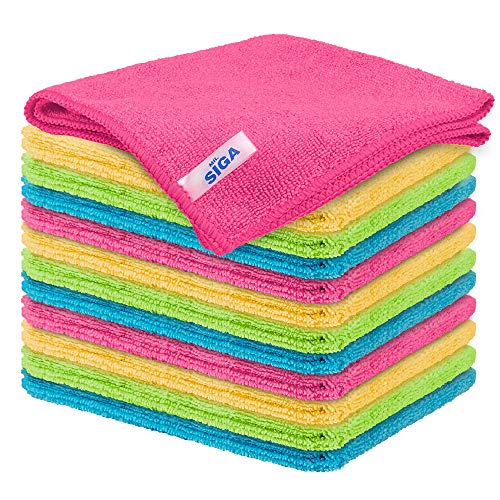
    Clean Your Record

    Clean your vinyl record products. The needle, the player mat, and the record should all be cleaned regularly. Look at your instructions that come with your record player and use their recommendations for cleaning.

    Before washing your record, brush it and get rid of the loose dirt and dust that have built up on it. This will prep your record and get it ready for cleaning. After you’ve done that, get yourself a record solution for cleaning records. These come as sprays for easy cleaning, so simply spray your record down and gently wipe it with a microfiber towel. This towel is very soft and gentle which will work perfectly for your record.

    You’ll also want to clean your player mat and needle. The needle is difficult to clean because you want to be very careful as to not harm or move the needle out of place. For cleaning your needle you can either use a needle cleaning brush that comes with your record, a clean paintbrush, or a Mr. Clean Magic Eraser.

    Record players can come with a little brush that you can use on the needle to clean it. Simply brush the needle in the same direction that the record goes when it is playing. Do not go side to side or backward. You do not want to damage your needle with scratches going in the wrong direction because it can ruin the sound quality. If you have a clean paintbrush that is small, you can use it the same way you use the record needle brush.

    The other option is using the Mr. Clean Magic Eraser. This is very easy for people because chances are you have one of these in your home already. All you need to do is cut off a little piece and place it under your needle. Then, let your needle slowly lower itself down onto the eraser. The needle will push on it a little, then lift up. Do this a couple of times and your needle will be clean. The eraser is good at picking up small pieces of dirt and dust and traping them. Using this method can be fast, and convenient for you!

    You can gently wipe down the platter mat, but a great way to clean it is to sweep it with the antistatic brush that you use (gently) on your record. This product or a clean paintbrush will wipe away any dust and leave your mat clean for your records to be played on.

    Anti-Static Spray

    This spray is great for removing static off of your records and for cleaning. After brushing your vinyl records, spray them with an antistatic spray and wipe them down with a microfiber towel. This spray will help remove static and help prevent static from building on your records. Using this once a month will keep your records in great shape.

    Use an Anti-Static Gun

    This gun is very simple to use. Simply point it at the record and press on the trigger. It removes static electricity very efficiently. It cannot clean your record and remove dirt and dust, but it takes away static better than other products do. This is a simple and fast solution to getting rid of static on your vinyl records.

    Antistatic Tonearm

    This product was made after the record brush’s success. It is basically a thin little antistatic brush that hangs over your record as it plays. This product gets rid of static as soon as it arrives, and it keeps your sound crisp because there is no build-up from static.

    Store Your Record Correctly

    To prevent static from building up on your vinyl record, store your records well. Investing in protective sleeve covers for your records will be a great help in the long run. You can prevent scratches as well as dust build-up. It is great for easy storage too. By keeping your records in protective sleeves you can store them next to one another without them scratching each other.

    Use a Good Platter Mat

    If your record is not set on a good platter mat then it can be a cause for static on your records. Getting a good quality platter mat for your records is a great way to help minimize the amount of static on your records. Ones of good quality help to generate less static charge so that you do not need to deal with static noise.

    Products to Remove Static on Vinyl Records?

    There are many great products for removing static off of records. Getting an antistatic spray, antistatic brush, microfiber towel, antistatic tonearm, vinyl record sleeves, and antistatic gun. These will get rid of static and help preserve your vinyl records to last a long time.

    Antistatic Spray: Antistatic spray is great for cleaning your vinyl record and for getting rid of static. On Amazon, this product sells for $10.95 and it has great reviews.

    Antistatic Brush: An antistatic brush is great for keeping your records clean for removing static. It is not a deep cleaning product, but it is great for keeping up on your records and making sure they are in good condition.

    Facmogu LP Cleaning Brush Vinyl Record Cleaner Anti-Static Soft Turntable CD Album Cartridge Clean

    Microfiber Towel: These cloths are great for all cleaning needs. They do not have lint build-up on them so keeping them clean and without fuzzies on them is easy. They trap in dirt and dust and they are great for dusting, cleaning, and polishing. When you spray your vinyl record with antistatic spray, use this cloth to gently wipe down and remove any build-up on the surface of the record.

    MR.SIGA Microfiber Cleaning Cloth,Pack of 12,Size:12.6" x 12.6"

    Antistatic Record Cleaning Arm: This device is great for constantly keeping your records clean while using them. The arm hangs over the record and the brush gently touches the record to remove static electricity. By removing the static you get better sound and you get cleaner records. The static on vinyl records attracts the dust and dirt in the air so by removing the static you remove a lot of dirt and dust as well.

    Vinyl Record Sleeves: Getting protective sleeves for your records is important in keeping them in prime condition and for keeping out dust and dirt. You can get a 100 pack of vinyl sleeves for $16.13 on Amazon. This is a low cost for keeping all of your precious, expensive, valuable, and collectors’ records safe and protected.

    Antistatic Gun: Antistatic guns are great for getting rid of static on vinyl records. It does not clean them, but it does get rid of static very fast. The static stays off better when using anti-static guns rather than other methods. If you want it, it is a great tool for efficiency in removing the static off of vinyl records.

    Milty 5036694022153 Zerostat 3 Anti-Static Gun, Blue

    Record Cleaning Kit: Getting an all-included cleaning kit is great if you have a record player and vinyl records. That way, you can buy a kit that has all you need instead of buying each item individually that you want and having the cost go up. This kit that is linked from Amazon has 5 pieces included. It includes the cleaning solution, a stylist brush, a velvet brush, a nylon microfiber brush, and a storage pouch for it all. Out of over 3,000 ratings, it has 5 stars, so customers who have bought this product love it. If you want a cheap kit, this one costs $21.99, but normally it is $29.99.

    Vinyl Buddy Record Cleaner Kit 5 Piece Ultimate Cleaning System - Velvet Brush - Nylon Microfiber Brush - Stylus Brush - LP Cleaning Solution - Storage Pouch

    How to Take Care of Your Records?

    To take care of your records you need to use the products listed above and treat your vinyl records and your record player with care. Clean it monthly and make sure you are protecting your vinyl records in protective sleeves. Getting a scratch on your record is horrible and it can ruin the record. By treating your records and equipment with care you will avoid this issue and make your vinyl records last a long time.

    The best way to take care of vinyl records is to keep up on cleaning them. Clean your records after they have been put on your record player and place them in the protective sleeve. Be gentle when you wipe down your records and store them in safe places where they will not get damaged.

    If you like to hang them up on your wall for display or if you like to show them on bookcases or shelves, then clean them before use. By being out in the open they can easily collect a lot more dust and dirt than your records that are stored away in sleeves, so by cleaning it before playing you can get rid of the dust and static. This will help the record to sound clearer and not static. You can get any of the supplies listed and linked above for your records and use them when you pull your records off the wall for playing.

    How to Remove Static Noise Out of Your Speakers

    If your speakers have static noise, then check out any wires that could be connecting to them. When a wire is broken it can make the quality of the speaker sounds bad and can cause static noise. If you do not notice a problem with them, then look at your location and move the speakers from any other cords. If you have your phone connected to your speaker, disconnect your device and see if your phone is the issue.

    If your speaker has coverings that are dirty, then clean those out to improve the sound quality. If you have tried these tips and possibly others, then chances are your speaker is broken, possibly a broken wire or loose connection. You can take your speaker to an electronic store to see if they can diagnose the speaker with a problem, and offer a solution.