Vinyl records have been going through a revival since 2007, and it’s safe to say they’ll still be popular in the foreseeable future. Is that enough to make them a good investment?
Vinyl records are not a good investment from a financial point of view. The future price of a record is difficult to predict. They don’t always increase in value, even if they’re rare. However, if you’re building a collection and know what to buy, you may be able to sell it later at a high price.
Vinyl pricing isn’t a straightforward matter. This article will help you make sense of what makes a vinyl record change its value and answer the question — are vinyl records a good investment — in more detail.
Do Vinyl Records Appreciate?
Some rare vinyl records appreciate over time. However, it’s hard to predict which vinyl records will indeed appreciate. A vinyl record doesn’t become more valuable just because it’s rare.
It’s normal for any vinyl collector, especially a new one, to come to a point where they ask themselves about the future of their collection. After dropping as much as hundreds of dollars every month into rare records, will that investment pay off in the future?
There isn’t a sure and stable way to determine how much a specific vinyl record will cost in the future. It depends on how much the artist’s popularity will endure. It’s not an automatic formula where the rarer a disc is, the more it will be worth in two decades.
However, one thing is sure: if what you care about is finance, vinyl is not a good place to put your money. Vinyl can be a great investment from a musical and hobbyist perspective, but don’t count on them to monetarily pay off in the future.
As you’ll see, some records can fetch extremely high prices, especially for original first pressings. There are few of them, and even fewer among those are in good condition.
And that’s the thing: if you want to get the most monetary value out of vintage vinyl, you’d have to conserve it as much as possible, which means not listening to it at all. And if you like vinyl, chances are you’ll want to listen to the records you buy.
If you’re knowledgeable about music or can make an educated guess on which bands will be big in a few years or decades, then you may get lucky and earn some cash.
It’s also about knowing when to sell. Sgt. Pepper’s Lonely Hearts Club Band sold for cheap a few years back, but its price skyrocketed for its 50th anniversary. Today, you can find an original pressing for under $50, but a rare Capitol Records cover can be sold for tens or hundreds of thousands of dollars.
If you’re passionate about vinyl records, you may be able to make money with the right combination of knowledge and luck. However, if you don’t enjoy vinyl in the first place, there are thousands of better and safer ways to invest your money.
Vinyl Records Worth Investing In
If you want to know which vinyl records are worth investing in, check out new presses of established and unknown artists. You’ll also want to learn about classic first presses and records with a history; records from the 90s might be worth checking out.
Stay Updated With New Presses of Established Artists
You can go different ways when buying new, first presses. One of them is purchasing records from established artists that are likely to keep having a following in the future.
This one might be the safest way of making money. For one, you only pay the standard price of new vinyl. Since these releases are usually very limited and the fan base is large, prices are bound to go up at least a bit in the next few years.
The challenge is often purchasing on time since units can run out quickly.
But there’s another caveat: large vinyl releases won’t be as scarce in the future, to the point where investing in them makes no sense from a monetary perspective. It applies only to a few big artists.
For example, consider Taylor Swift’s Evermore. It sold over 100,000 copies in the U.S. in only one week. With so many copies out there, don’t expect its price to go up anytime soon. This strategy works better for limited releases of only a few hundred copies.
Discover New Presses of Unknown Artists
When buying new presses, you can also go the opposite way and buy new records from lesser-known artists you think will become more valuable over time.
Since these releases are usually very limited, they’re bound to be rare in the future. But rarity won’t be enough to fetch a good price. The record also needs to be sought-after.
This strategy implies predicting which small artists will become popular or gain a cult following over the next months or years.
It’s the less predictable category, but it’s also where there’s more money to be made if you make the right purchases. Think of how the first Arctic Monkeys’ single skyrocketed in price a few months after its release.
Of course, you also run the risk of ending with an endless catalog of the kind of records that sell for pennies in record shops.
Take the chance of buying a new record from a small band you like or that seems to have potential. However, going out of your way to buy every obscure release will generate more junk than profits.
Find Classic First Presses
First presses of old albums are often seen as more authentic, and depending on the circumstances, can even sound better.
First pressings are made with the “original” master of the album, often preferred by many audiophiles. Factors like a change in the pressing plant, the quality of the plates, and the mastering can have huge effects on how later presses sound.
However, there’s also a market for presses made by mastering engineers who’ve made a name for themselves, like Bernie Gundam, Rudy Van Gelder, Kevin Gray, and Lee Hulk. In these cases, a later press may be more valuable than the first.
Search for Records With a History
As with any collectible, records with unique stories tend to increase value. Think of complications during the recording, special copies, and the album’s context.
Sex Pistols’ single God Save the Queen is one of the most valuable vinyl records out there because of its context. The label dropped the band just before the record was issued, and most copies were destroyed. The surviving copies can sell for more than $17,000.
There’s also Ringo’s famous first copy of White Album, which sold for $790,000. Prices like these are extreme outliers, but it shows how much context can affect the price of a vinyl record.
The issue with this approach is that it’s harder to find a gem like that at a low price. They usually require a relatively high investment, even if you’re not buying a thousand-dollar copy.
Finding vinyl records from the 90s is notoriously difficult. The main reason is that around that time, companies were pushing to replace the vinyl with C.D.s.
In 1988, C.D.s had already surpassed vinyl in sales. A year later, they outsold cassette tapes. When the 90s started, vinyl was losing more and more popularity, and they were still far from their revival.
The result was that the vinyl releases pressed during the 90s were usually very limited, even for popular bands. This combination of rarity and a strong following is what you’re looking for when investing in vinyl.
So, if you find vinyl from the 90s at a reasonable price, you should consider buying it, especially if it’s from a popular band.
Conclusion
People collect vinyl records because they love their warm, accurate sound, not because they’re a great monetary investment. However, if you’re smart about your purchases, you might be able to win some money.
If you’re already buying a vinyl collection, then go ahead and hunt for valuable records. But if you’re just looking for somewhere to invest your money, there are countless better options.
Think you can clean your vinyl records with baby wipes? You might want to save those wipes for actual babies.
You can’t and shouldn’t clean vinyl records with baby wipes. Although these wipes seem soft and harmless, they also contain chemicals that strip your records of their protective coating and harm them in the long run. Always use cleaning agents specially made for vinyl records.
In the next section, I’ll explore the topic — can you clean vinyl records with baby wipes — in greater detail and suggest alternative materials to use for cleaning your records. Then, I’ll go into detail on how to clean vinyl records, so stick around until the end.
Can You Use Baby Wipes on Vinyl Records?
In theory, using baby wipes on vinyl records seems like a good idea. After all, baby wipes consist of microfibers which probably won’t scratch your records. But that doesn’t mean baby wipes are indeed suitable for cleaning vinyl records.
You can’t use baby wipes on vinyl records because they can’t adequately clean vinyl records. Here’s why:
Baby wipes contain phenoxyethanol.
Baby wipes have ingredients that leave a residue.
Other substances are more suited to clean vinyl records.
The following sections explain these reasons further.
Baby Wipes Contain Phenoxyethanol
Vinyl records consist of 96 percent PVC/PVA polymer. PVC, or polyvinyl chloride, has the perfect durability for a vinyl record. It’s flexible enough to have grooves carved into it and is strong enough to withstand constant scratching from a turntable stylus. Also, PVC can accommodate large quantities of music and is relatively cheap to produce.
When PVC absorbs phenoxyethanol, the former can deteriorate by up to 20 percent. Since vinyl records consist almost entirely of PVC, the latter shouldn’t be anywhere near phenoxyethanol.
Baby Wipes Have Ingredients That Leave a Residue
Aside from phenoxyethanol, baby wipes have oils, fragrances, and other substances that leave residue on your vinyl records. Even if you think you’ve wiped down your vinyl record thoroughly, tiny particles from the substances above may remain. That said, avoid baby wipes when cleaning your precious vinyl records.
Other Substances Are More Suited To Clean Vinyl Records
Anything that comes into contact with a vinyl record must:
Not sacrifice the integrity of the materials comprising the record.
Be free from even the tiniest impurities.
Have as little contact with the record as possible.
So what specific materials meet the above criteria? Let’s talk about those in the next section.
What Can You Clean Vinyl Records With?
If you despair at the idea of not putting those baby wipes to good use, don’t worry. Plenty of other materials can clean vinyl records instead.
You can clean vinyl records with the following:
Record cleaning machines
Distilled, deionized water
Alcohol-free cleaning solutions
Specialized cleaning solutions
Let’s go into more detail about the above materials.
Record Cleaning Machines
If you have the cash to spare, the best way to clean a vinyl record is with a vacuum cleaner or a record washer.
When I say “vacuum cleaner,” I’m not talking about the one that removes dust balls from your living room floor. I’m talking about vacuum cleaners designed especially for vinyl records.
For example, the Record Doctor Record Washer (available on Amazon.com) is a vacuum cleaner and record washer rolled into one. All you have to do is secure your record using the machine’s platter and turner, turn it by hand and let the record washer work its magic.
The only downside to record cleaning machines is the price. Unless you have enough vinyl records to fill up an entire room, you’re better off with more budget-friendly options.
Distilled, Deionized Water
If you think you can use regular tap water to clean a vinyl record, think again. Tap water contains impurities that build up residue over time.
You don’t want to use regular bottled water, either. Like tap water, bottled water may contain tiny particles that damage vinyl records.
Instead, you need to use purified water such as the Crystal Geyser Since 1977 Purified Water (available on Amazon.com) that can function as a record cleaner and drinking water.
Alcohol-Free Cleaning Solutions
Contrary to what you read in some places online, isopropyl alcohol is the last thing you want anywhere near your vinyl record. Although alcohol is strong enough to remove the kind of dirt that settles on vinyl records, it’s also potent enough to strip away its protective layers.
Unfortunately, many record cleaning products contain isopropyl alcohol. Before buying any record cleaning product, check the ingredients list first.
Specialized Cleaning Solutions
Luckily, you can buy record cleaning solutions online. The good ones have the following characteristics:
Low surface tension: If a cleaning solution has low surface tension, it can penetrate the difficult-to-reach areas of your vinyl record.
Zero reaction to PVC: As noted earlier, PVC comprises over 90 percent of your vinyl record. Therefore, your cleaning solution mustn’t react negatively to PVC.
Residue-free: The cleaning solution shouldn’t leave even the smallest amount of residue on your record once it’s dried off.
One reputable brand of record cleaning solution is GrooveWasher. In particular, the G Groove Washer Record Cleaning Kit from Amazon.com. It comes with a special brush, so you don’t have to worry about buying a cleaning cloth separately.
Now you know the “what” of cleaning vinyl records. What about the “how?” If you don’t have a record cleaning kit or don’t want to buy one because it’s too expensive, I’ll give you a quick walkthrough on cleaning vinyl records with the materials you have on hand.
How To Clean Vinyl Records
As I said earlier, vinyl records are delicate. If you’d rather not spend a fortune on record cleaning materials, you can still clean your vinyl record — though you have to be more careful than people who have specialized cleaning tools.
Brush the Surface With an Anti-Static Brush
Before using your cleaning solution, you must first clear dirt and other particles from the vinyl record’s surface. Otherwise, if you spray your cleaning solution right away, the dirt might stick deeper into your record and make it harder to clean.
Using an anti-static record cleaner brush, brush your record while following the groove lines. If your record cleaning kit doesn’t already have a brush, you can buy something such as the Boundless Audio Record Cleaner Brush (available on Amazon.com). This record cleaner brush safely removes dirt and dust.
Spray Cleaning Solution, and Wipe With a Microfiber Cloth
Earlier, I outlined the possible cleaning solutions you can use to clean a vinyl record. Whichever you choose, spray it over your record and wipe it off using a microfiber cloth. If you’re using water, distill and deionize the water first.
When wiping off your record, make sure you do it in a circular motion that follows the groove lines. Also, put as little pressure on the cloth as possible, lest you scratch or damage the record.
Dry With a Clean Microfiber Cloth
If you have a dry and clean microfiber cloth, use that to wipe the cleaning solution off your record.
If the vinyl record wasn’t cleaned in one go, repeat the steps above in order until your record is spotless.
For a quick guide on how pros clean their vinyl records, I recommend that you watch this YouTube video by Deaf Man Vinyl:
Conclusion
Baby wipes aren’t the best tool to clean vinyl records. Instead, buy record cleaning solutions online that won’t break your budget. Don’t forget to take care while cleaning your precious records.
Despite popular belief, vinyl sales have been steadily increasing for years–and with good reason. As many audiophiles and music collectors know, most albums simply sound better on vinyl. If you’re looking to expand your vinyl collection, this list contains several essential must-haves for you to consider.
Here are 30 essential popular vinyl records to own:
Revolver by The Beatles
Dark Side of the Moon by Pink Floyd
Rumours by Fleetwood Mac
Nevermind by Nirvana
Unknown Pleasures by Joy Division
The Queen Is Dead by The Smiths
The Rise and Fall of Ziggy Stardust and the Spiders from Mars by David Bowie
IV by Led Zeppelin
Blonde on Blonde by Bob Dylan
Paul’s Boutique by Beastie Boys
Back to Black by Amy Winehouse
Thriller by Michael Jackson
Kind of Blue by Miles Davis
Straight Outta Compton by NWA
Blue by Joni Mitchell
Sea Change by Beck
What’s Going On by Marvin Gaye
Bon Iver by Bon Iver
In the Aeroplane Over the Sea by Neutral Milk Hotel
Exile on Main St. by The Rolling Stones
Blonde by Frank Ocean
Songs in the Key of Life by Stevie Wonder
Thickfreakness by The Black Keys
Tapestry by Carole King
Lemonade by Beyonce
The Miseducation of Lauryn Hill by Lauryn Hill
Jolene by Dolly Parton
1989 by Taylor Swift
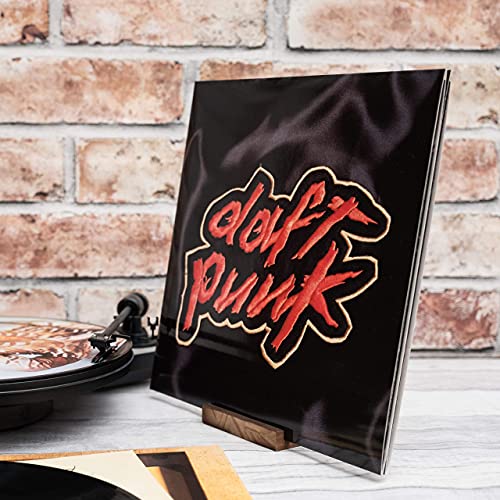
Random Access Memories by Daft Punk
21 by Adele
This is by no means an exhaustive list, as there are thousands of incredible and popular vinyl records to enjoy, but these albums are a great starting point for any music and vinyl lover. So let’s look into why these popular vinyl records are essentials for your music collection. (Note: All suggestions below can be purchased on Amazon.com)
The Fab Four were at their prime when they made Revolver, and it certainly shows. The vinyl version has been enhanced and therefore brings out details you may not notice in other versions of the album. The sound you hear reflects the mastery of studio techniques that The Beatles accomplished this time. Additionally, the string octet featured in “Eleanor Rigby” sounds superior on vinyl.
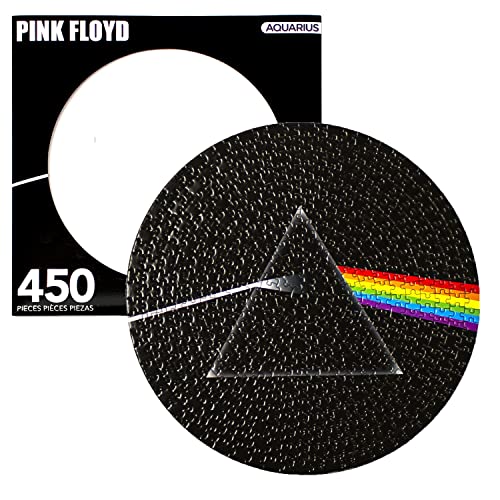
Pink Floyd’s Dark Side of the Moon is a classic rock essential and has one of the most iconic album covers of all time. There are pros and cons to both the U.K. and U.S. vinyl pressings, so you should choose whichever version you can get for a more reasonable price.
The vinyl version of this album presents all the instruments and sound elements with realism and detail due to the deeper soundstage. Additionally, flipping the record over after “The Great Gig in the Sky” is a great opportunity to reflect on the first half of the album, which is a moment you’d miss out on if just streaming the album or listening to the CD.
Rumours is the fifth-best selling record of all time due to its universal themes of heartbreak and pain and its catchy melodies and incredible harmonies. These harmonies sound better and more human on vinyl, especially in the track “Never Going Back Again.” The guitar picking in this song is also clearer on the vinyl version.
The layered vocals of Stevie Nicks, Christine McVie, and Lindsey Buckingham sound more delicate and nuanced, and the instrumentals are louder on record, making vinyl the best way to listen to one of the best albums of all time.
Nirvana’s Nevermind is one of the best-selling albums of all time, and for good reason. Even if you’re not a huge grunge and alternative rock fan, there’s something about this classic album cover in full size that’s sure to appeal to any music collector.
This is an ideal vinyl because it’s split into two sides: the first side contains mainstream songs you’ve likely heard before, whereas the second side is more introverted and unknown. Having to switch from side one to side two makes for an interesting and thought-provoking listening experience that modern media can’t replicate.
One of the draws to owning this title on vinyl is its iconic radio waves cover. Some special edition versions even have an embossed texture to it. But beyond the aesthetics of owning this record, the music itself has been extremely influential within the post-punk genre and modern rock today. Indeed, the angst and heartbreak in Ian Cutis’ vocals are ultimately heard best on vinyl.
Listening to The Queen Is Dead on any modern technology just seems wrong, as the Smiths pay homage to 1980s England on this album. As an added bonus to the amazing music, the sleeve features the lyrics that highlight Morrissey and Marr’s incredible songwriting, so you can sing along as the vinyl turns on the record player.
You’ll want to read along, too, as The Smiths incorporate some humor and political commentary into this album alongside their typical gloom and melancholy. The opening track even invites listeners to picture Prince Charles in drag.
David Bowie’s fifth album, based on the fictional character Ziggy Stardust, is theatricality appreciated best on vinyl.
Side one has Ziggy warning listeners of destruction but holding out for redemption; On side two, Ziggy embodies the modern rock idol who gets destroyed by his success. The two sides of the record suit the “Act One ” and “Act Two ” storytelling of the album, and the orchestration and heavy-metal guitar playing sound better on analog. Any Bowie album is great on vinyl, but if collectors have to choose one, Ziggy is the way to go.
Led Zeppelin’s fourth album is often considered their best, and it’s easy to see why: the LP opens with “Black Dog” and closes with “Stairway to Heaven,” which is seven and half minutes of rock perfection. This record emphasizes acoustic music more than their previous albums, which sounds more authentic on vinyl, and the cover is beautiful in its full-size version. If you’re a classic rock fan, this album is an absolute must to own in your collection.
Bob Dylan’s sound lends itself to the vinyl format, but if you’re only going to add one album to your collection, Blonde on Blonde is the way to go. It’s a great record from start to finish, but a clear standout is “Sad Eyed Lady of the Lowlands,” which was done in just one take at 4:00 am, and all eleven minutes of it sound best on a clean cut of vinyl. Furthermore, the drums and tambourines featured on the album sound more lifelike, and the brass instruments are more focused on the disc format. Voices are talking behind Dylan throughout “Rainy Day Women #12 & 35” that are easier to hear on vinyl. And if all that isn’t enough reason to add this record to your collection, it also has a fold-out sleeve that features a portrait of Dylan.
Paul’s Boutique, the Beastie Boys’ follow-up to their first album, Licensed to Ill, is one of the best hip-hop albums ever made. And truly, the vinyl version is the record at its best. The sleeve photo has a fold-out cover, and the sound is remastered on the vinyl version, so it looks and sounds better than ever. Furthermore, Paul’s Boutique is a landmark in sampling and reinvented a group that seemed gimmicky after their debut.
Back to Black’s jazzy inspiration and sound lends itself to a vinyl format. Not to mention. Winehouse’s deep, sorrowful croon sounds amazing this way. The blend of 1960’s girl groups soul and contemporary R&B is unique and produced well on the album. Her second and final album, Back to Black is considered Winehouse’s legacy
With songs like “Thriller,” “Billie Jean,” and “Beat It,” there’s little debate over whether or not this is an essential album to own on vinyl. It’s the greatest selling album of all time, and the iconic beats and the King of Pop’s voice sound incredible on disc. Play this at your next party or gathering and you’ll have your guests dancing in no time.
If not in person, jazz music is made to be listened to on vinyl, and Miles Davis’ Kind of Blue is one of the better choices you could make. The best-selling jazz album of all time, this record blends jazz, rock, and classical music and has collaborations with John Coltrane and Cannonball Adderley. The Library of Congress even preserves it in the National Recording Registry. Musicians were all given basic outlines of the songs, but Davis ultimately captured the spontaneity considered the heart of jazz–the kind of spontaneity best listened to on vinyl.
If you’re trying to have a well-rounded vinyl collection, Straight Outta Compton–AKA the pioneering album of Gangsta Rap and bulldozer for future rappers–is a must for your record shelves. The album lashed against the system, especially the song “F*ck Tha Police,” and ultimately reshaped the hip-hop genre. The action, anger, as well as its moments of tenderness, are best experienced on vinyl.
There’s a sentimentality that comes with taking a vinyl record off the shelf and spinning it, and Joni Mitchell’s Blue is the perfect album to experience this. There’s not a dishonest note in her vocals, and Mitchell lets listeners in on all her heartbreak and secrets with her melancholy tone and diary-entry songwriting. Blue feels like poetry, which is best heard on vinyl.
Sea Change is a great breakup album–and breakup albums belong on vinyl. Written after splitting with his fiancee after nine years of being together, this album has heartbreaking lyrics and a lush sound that, when listened to on vinyl, almost sounds like Beck’s in the room with you. Additionally, the string arrangements on “Paper Tiger,” “Glass Onion,” and “Lonesome Tears” work better on disc due to the depth of sound the format allows.
Music fans and critics largely consider this record as one of the best albums of all time, so you would be remiss not to have it in your vinyl collection. It’s considered the perfect record to put on while you lounge-about on a Sunday morning, but it’s so much more than just an “easy listening” album. In What’s Going On, Gaye focuses his groovy tunes on serious political issues, mainly the Vietnam War. The sound is particularly high quality since it came out when vinyl was in its heyday. It was mastered for vinyl by people who had been doing it for their entire lives, which makes for a smooth listening experience. Note: You can buy the 50th-anniversary version of this album on Amazon, but you might be able to find an older version at a thrift store or used record store.
You’ll want this self-titled album in your vinyl collection, even just for the full-size version of the gorgeous cover art, which is a painting by Gregory Euclide. The chamber-pop style of Justin Vernon’s sophomore album sounds best on vinyl, as he uses arrangement and dynamics delicately and purposefully. Most notably, the way the song “Perth” builds from total silence to a surprising crash of sound is best experienced on vinyl, as is the bicycle bell that rings in the song “Michicant.”
There’s a reason this album continues to rank among the top sellers in vinyl, even as we move further and further away from its 1998 release date. The indie rock band uses organ, accordion, brass, and pipes for a dreamy, unique sound, and the music addresses trauma, shame, and joy. Jeff Mangum stated in an interview that the album was inspired by Anne Frank’s The Diary of a Young Girl, but the perspective spans centuries. The vinyl is a cult classic, one that has a well-deserved place in any record collection.
Any album by the Stones has a place in a record collection, but Exile on Main St. is the best choice, as it’s grown to become the Rolling Stones’ most universally acclaimed record. Written and recorded in the basement of a villa in France, the album has every rock and roll theme you can ask for: rebellion, drugs, and love. The band was in its most fractured state at this point, but you’d never know based on this killer album. This vinyl is priced higher than other Stones’ titles, but it’s well worth the extra dough for any true rock and roll fan.
Blonde is Frank Ocean at his storytelling best and is much more minimalist than Channel Orange, making for a unique and reflective record-listening experience.
The songs are intimate, and listening to a record is intimate and physical in a way streaming albums isn’t, as you have to physically remove the disc from its sleeve, set it up on your player, and be close to it to hear. Blonde is sorrowful and nostalgic, and you’ll find yourself lost in the music when you listen to this masterpiece on vinyl.
Songs in the Key of Life is two LPs plus another four-song EP considered to be Wonder’s magnum opus. It’s a multi-genre experience that displays a reel of life experiences. The variety of sounds found throughout the album include gospel highs, string instruments, and a baby’s cries. And you’d be missing out if you listened to this album in any other media, as these sounds are heard best on vinyl.
Songs in the Key of Life is two LPs plus another four-song EP considered to be Wonder’s magnum opus. It’s a multi-genre experience that displays a reel of life experiences. The variety of sounds found throughout the album include gospel highs, string instruments, and a baby’s cries. And you’d be missing out if you listened to this album in any other media, as these sounds are heard best on vinyl.
Thickfreakness by The Black Keys was recorded in a nonstop 14-hour session using old analog recording equipment in drummer Patrick Carney’s basement. The result was an album full of unique details that are best heard on vinyl. The garage-rock blues album features the Akron duo stripped to their core, and Dan Auerbach’s voice has never sounded better.
Carole King’s lyricism is conversational and uncluttered, and the album itself is intimate, as it sounds like the demos she recorded while writing songs for other artists. Her voice breaks add a layer of authenticity, and her songwriting is simple but not overly sentimental. Listening to this record on a lazy afternoon will make it feel like King is playing the piano and singing in the room with you, and who wouldn’t want that?
Lemonade is a visual album, but there’s something to say about just experiencing it auditorily. The songwriting has cinematic scenes on their own, so you can imagine the characters (namely, Beyonce and her cheating husband, Jay-Z) living them on their own, without any accompanying visuals. The album’s first half features mostly rage songs about infidelity, with the latter half focusing on her refusal to give up on her marriage, despite the cheating. This clear side A and side B distinction makes the vinyl listening experience particularly interesting.
You already know “Jolene” and “I Will Always Love You,” but this album also has other incredible songs, including “Randy,” “Lonely Comin’ Down,” and “River of Happiness.” The blend of country, folk, gospel, and pop sounds best on disc, so pick up your copy today.
One of the most iconic records by one of the most iconic women in the country, this album is a must-have on vinyl. At this point, Parton had severed ties with her musical partner Porter Wagoner and was moving on to her solo career; Jolene was the incredible result. Out of all Swift’s albums, 1989 has the most vinyl-ready cover art and its songs, which largely tell the story of an on-again, off-again romance, are great to play on your record player and dance around your living room, particularly the synth-pop track “Style.” Be sure to get a deluxe version so you don’t miss out on “New Romantics,” which features synth and drums that sound great on the vinyl format.
The French duo put a lot of effort and production into their fourth album, even flying out musicians like Nile Rodgers, Panda Bear, and Pharell from worldwide to perform live instrumentation. This is a shockingly analog approach for an electronic album that pays off. These grooves feature every sound vinyl is meant to capture, so this is one not to miss.
Adele’s gritty, growled voice is made to be heard on vinyl, especially when it’s accompanied by jazzy piano, as it so often is, so you can’t go wrong with any albums from Adele’s discography. However, Adele’s signature heartbreak album 21 features timeless and gorgeous tracks, and it deserves a place on any music collector’s vinyl shelf.
If you’re new to the vinyl record hobby, you may wonder what the best way to store your vinyl records is. If you want to keep your records in as good of condition as possible for as long as possible, you’ll want to ensure they get stored in the correct environment. Now, can vinyl records be stored in cold?
Vinyl records can be stored in the cold. However, there are some things you’ll want to look out for. The vinyl records will become brittle and more prone to breakage at low temperatures. As they thaw, moisture will condensate, which can cause problems if you’re not careful.
Keep reading as I discuss the changes your records go through when exposed to heat and cold and the proper protocol for storing vinyl records.
Can the Cold Damage Vinyl Records?
The cold can damage vinyl records if the temperatures are below freezing. Temperatures below freezing, 32°F (0°C), can cause your records to become more brittle and attract moisture, both of which can damage your vinyl records.
While the brittleness itself doesn’t have a negative effect on the record, it makes them far easier to break. Suppose you’re planning on transporting your records in this weather. In that case, you’ll need to be especially careful to ensure they’re properly packed so that they don’t shatter or crack during the shipping process.
Another issue you’ll run into with the cold is when temperatures start to rise. As the temperatures rise, your record will begin to thaw. The thawing process attracts moisture, which can damage your record and its case.
It’s best to thaw your records in a controlled environment where you can gradually make the temperature change and wipe away any moisture as it accumulates.
Can the Heat Damage Vinyl Records?
The heat can damage vinyl records. Heat effects on vinyl records are far more severe than cold effects. Heat and direct sunlight can easily warp your vinyl records and distort the sound to the point where it’s no longer playable.
Generally speaking, most temperatures that are comfortable for you are comfortable for your vinyl record, so if you’re not sweating or shivering, you shouldn’t have to worry too much. However, once the temperature reaches 100°F (37.78°C), you’ll start to see damage from the heat in the form of warping and distortion.
Note that the air around your record doesn’t need to reach 100°F (37.78°C) before damage starts to occur. Only your record does. Most records are black, meaning they tend to absorb heat more quickly than other objects. If you place your records directly near a heater or in the sunlight, they’ll absorb that heat, and their temperature will rise very quickly.
Once your vinyl reaches the melting point, varying from 212 to 500°F (100 to 260°C) depending on the manufacturer, the damage will be irreparable. That’s why it’s so important to keep your vinyl records out of the sun and extremes in temperature, especially heat.
How To Properly Store Vinyl Records
You should keep your vinyl records in a cool area. 50 to 70°F (10 to 21.11°C) is generally safe, without excess humidity, and away from any damaging UV rays. You’ll also want to ensure you’re not putting excess weight and pressure on your vinyl records.
Don’t Keep Your Records in Very Low or High Temperatures
One of the most important aspects of storing your records to think about is the temperature they’re being stored at. As stated earlier in this article, both very low and very high temperatures can harm your vinyl records.
At temperatures below freezing, vinyl records become brittle, making them more likely to break, especially if they’re under any additional pressure from other records. At temperatures over 100°F (37.78°C), you’ll start to run into issues with your vinyl warping.
Minor cases of warping can be repaired by reheating and shaping the record, but if it becomes too severe, your only option will be to toss the record and start over. Or you can keep your vinyl record as decoration.
Avoid Keeping Records in Rooms With High Humidity
Another thing to think about with your vinyl storage is the average humidity in the room. Over time, high humidity levels will cause significant damage to your vinyl records.
It’s recommended that you keep your vinyl storage room at 30 to 40% humidity to avoid causing any damage.
Remember that humidity is another concern that comes along with storing your records in cold temperatures. As the temperature fluctuates, the humidity will be attracted to the record. It will damage both the actual record and its sleeve. So, if your records freeze at any point, monitor them as they thaw to remove excess moisture before it causes damage.
Avoid UV Rays
Another environmental factor that’s damaging to vinyl records is UV rays. Over time, UV rays will start to break down your vinyl and its casing.
Fortunately, this is a relatively easy problem to avoid. All you need to do is ensure that your records are stored away from any windows so that they’re not receiving any direct sunlight. Even if UV rays weren’t damaging to records, it would still be a good idea to keep them far away from the windows to avoid any temperature fluctuations that windows can bring.
If you have any animals that require heat lamps or use grow lights on your plants, those also release UV rays, so make sure you place your vinyl collection far away from these items.
Don’t Stack the Records
Although it’s common to see vinyl collections stacked up against each other, and it looks amazing, it’s not the best way to store a vinyl record.
Vinyl records typically weigh a little over 5 ounces (141.75 g) — that’s not too much. But if you have a stack or shelf of 30 vinyl and they’re all leaning against each other, they become too heavy. With that much weight, your records are likely to warp over time, ruining them.
If you’re planning on storing your vinyl for an extended period, then you’ll want to make sure you have no more than 15 stored together. It will reduce the amount of weight that the pieces of vinyl have to carry and, if all the other conditions are right, should prevent them from warping.
Where Should You Store Vinyl Records?
You should store vinyl records in a temperature-controlled room in your home that has low humidity and no big windows that could introduce UV rays. For most people, a furnished basement will be the place that meets most of these requirements.
To keep your records in tip-top shape, you’ll want to store them in an area with as few temperature fluctuations as possible and away from any humidity producers such as bathrooms.
If you have a furnished basement, this will likely be the best place to store your records as long as you can keep the humidity under control. Basements are less sensitive to rapid temperature fluctuations, tend to stay cool, and don’t have an issue with UV rays.
Conclusion
After all that information, it may seem like it’s impossible to store your vinyl records without damaging them, but that’s not the case. As long as you follow as many of the guidelines as possible, you shouldn’t have any significant damage occur.
Your records should be stored in a cool environment, but not too cold as they can become brittle. As a general rule, if you’re comfortable, your records are, too.
Whether you own five or five hundred records, organizing your vinyl collection can be tricky. There are lots of ways to organize records, but depending on the size of your collection, how often you play the records, and how you’d like to display your collection, some options are better than others.
Here are a few great ways to organize your vinyl record collection:
By genre
By value
Alphabetically
Chronologically
Aesthetically (by Album Art)
Let’s discuss each of these organizational methods, how to implement them, and why they might be a great fit for you. Additionally, most of these methods can be done in combination, as organizing your collection should be best fit for your listening habits and taste.
1. By Genre
Organizing by genre can be an excellent way to make your collection organized but still easy to access.To divide by genre, first, decide which genres most of your records fall into.These can include:
Rock
Pop
Hip Hop
Electronic/Dance
Indie
Jazz
Once you have an idea of which categories your music falls into, start dividing the records.You can do this by separating record genres into stacks or boxes, as you can always arrange them on an organizer afterward.
Once you have your music sorted by genre, it’s time to put everything away. You can also use this process to take out items you’d instead donate or sell.This way, you’ll free up room for new records in your collection.
The most significant benefit of organizing by genre is how easy it makes listening. If you’re in the mood to hear a genre rather than a particular artist, organizing this way makes it incredibly easy to locate records, even out of extensive collections. It’s also an excellent fit for people who enjoy the way streaming platforms like Spotify and Pandora categorize music.
However, one downside of this method is that many albums don’t fall into concrete genres. It’s difficult to classify certain records if they’re genre-bending, experimental, or just don’t fit with your typical listening tastes.
Another thing to consider is how many records you have within a genre. If you mostly listen to hip hop, you may want an additional method of organization within the division by genre. You could do this by implementing almost any other option on this list.
The best way to organize by genre is through a shelving system, which you can easily create by designating a record organizing rack (or racks) for each genre.
If you sell records as a side hustle, this is the option for you. Organizing by value is a great way to divide your record collection if you eventually plan on selling items in your collection. Or, you could do this as a way to prioritize higher value records, as many collectors like to show off their most prized items.
Organizing by value can be done similarly to organizing by genre. However, keep in mind that stacking records or not relocating them can compromise the album’s condition. For example, if you have a mint-condition record, you wouldn’t want to put it at the bottom of a stack where it could be damaged.
This organizational method can be complicated for those unfamiliar with record values. However, there are plenty of helpful resources for determining record value. Moreover, even if you don’t want to sell your records in the near future, it’s good to know the value of some records to help you take better care of valuable items.
Most collectors use the Goldmine Grading System, which you’re already familiar with if you’ve bought a record listed as “mint,” “excellent,” or “fair.” This grading system is widespread, so familiarizing yourself with it in order to organize your record collection is truly a helpful skill for any collector.
Organizing by value doesn’t require any special equipment, apart from sturdy shelving that applies to any method of organization. But if you’re dealing with high-value records, it’s wise to purchase some protective sleeves. These Invest In Vinyl Plastic Sleeves from Amazon.com are perfect for collectors that want to keep their vinyl in the best condition possible.
3. Alphabetically
Organizing your vinyl records alphabetically is perhaps the most versatile option on this list. If you want to organize alphabetically, you could use a variety of different alphabetizing systems, such as:
Artist first name
Artist last name
Record title
Artist name + record title
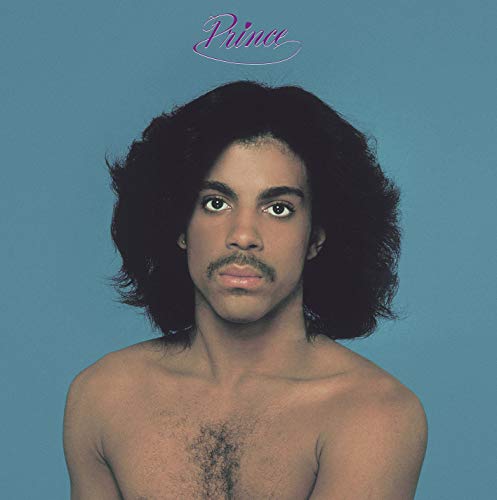
How you choose to alphabetize your records depends on how many records you have by a particular artist (for example, if you have all thirty-nine Prince albums, organizing by artist name alone won’t help you very much).
However, if you have a few albums by each of your favorite artists, this can be a perfect way to organize your records. Dividing your collection by artist name, in particular, is an excellent fit for people who are more fans of individual artists rather than one specific genre.
Alphabetizing is an excellent option for people who love Spotify’s “This Is” playlists or enjoy an artist’s complete collection. Organizing this way allows these kinds of listeners to have an artist’s discography easily accessible.
Alphabetizing by album name is also a good choice, but not for certain collectors. Suppose you consider it disrespectful to put Olivia Rodrigo’s Sour next to The Beatles’ Sgt. Pepper’s Lonely Hearts Club Band, for example. In that case, this method won’t be the best option for you.
The other major downside of alphabetizing by album name is it may be hard to remember what songs are on which albums. When artists aren’t grouped together, you may have to pull multiple records to find a particular song.
All in all, alphabetizing by last name/band name is probably your best option. This way, all of the music from one artist is kept together but still organized. Plus, you can take out records and play them without too much hassle in finding their exact home on your shelf when you’re done.
If this method sounds like a good fit for you, consider some alphabetical tabs for organizing your records. These Cap Collectibles Black Vertical Record Dividers from Amazon.com are the perfect way to make your collection even more organized and accessible.
4. Chronology
Whether you love music from a specific time period or you like seeing how artists progress, organizing your music chronologically can be perfect for some collectors.
Organizing chronologically has an additional benefit for fans of artists with defined eras. For fans of Taylor Swift, for example, a chronologically organized record collection would show the shift from country, to country-pop, to pop, to indie pop.
One downside of organizing your records based on when they were released is that this system makes rereleases, remasters, and special/limited edition records hard to classify. If you want to categorize your copy of Fleetwood Mac’s Tango in the Night, but it’s the 2017 remaster, then how do you classify it?
If this issue doesn’t bother you, though, it’s a wonderful option for organizing your vinyl collection.
5. Aesthetically (by Album Art)
If you love your records and pride yourself on your vinyl collection, why not display it? Organizing your records by cover art is a perfect option for those who listen to their records frequently and want to show them off.
One advantage to organizing your records like this is that you can do it in addition to another organizational method. If you have ten favorite albums, display them on your wall or prominently on your shelf, and have the rest organized by band name, for example.
Additionally, having a way to display your records means you can easily change them out when your favorite records change.
If you want to organize your records in a way that makes them easiest to display, you’ll need wall mounts. This NIUBEE Vinyl Record Mount 6 Pack from Amazon.com is perfect for listeners who want their records to double as wall art and still be able to play them frequently.
Why You Should Organize Your Vinyl Records
There are lots of benefits to organizing your record collection, and although it can be a time-consuming task, it’s well worth the effort. Organizing your records:
Makes them easier to listen to. You can’t listen to your records if they’re in a box in the attic.Organizing your records makes them easily accessible so you can play them as often as you’d like.
Keeps them in good condition. Disorganized stacks of records collect dust, fray at the edges, and even get bent or scratched. Making sure your collection is in a comprehensive, organized arrangement will keep them upright, easy to dust, and damage-free. Additionally, keeping your records in good condition means you have the option of selling them later, which is discussed more below.
Helps you know the contents of your collection. Perhaps your collection has reached the point where you don’t even know what you have anymore. Organizing your records gives you the opportunity to see what you have and remember to revisit albums you used to love. However, you should remember to remain disciplined and whenever you listen to one record, put it away afterward.
Gives you the chance to switch things up. Part of the fun of collecting records is getting to add to your collection! Reorganizing your records lets you know what you can get rid of and what you’d like to add to your vinyl repertoire. Even if you don’t want to sell some of your records, you can always purchase new ones that you forgot you wanted.
Things To Consider
When deciding to organize your record collection and choose the best method for you, there are a few things to keep in mind, as not every organizational strategy will suit every collector.
Time
Number of records
Frequency of use
Time
If you have over 100 records, organizing them chronologically, for example, might require a little more research than you’d like to put in. Moreover, if you don’t want to spend a lot of time organizing your record collection, grading every single record to find its value may be too much work.
If you’re willing to start a slightly more significant undertaking, however, finding the value of all of your records or alphabetizing may be well worth your time.
Number of Records
If you have hundreds of records, you likely can’t display all of them on your walls. However, other methods of organizing can be perfect for those with extensive vinyl collections. Alphabetizing by band name, for example, can be a beneficial investment of your time if you have lots of records and no way of knowing how to find anything.
Frequency of Use
If you listen to one or two albums year-round, organize your collection accordingly. Your records are for you to enjoy, so keeping it stuck between two records on your shelf that you never listen to doesn’t benefit anyone.
If you have just a few records you love more than the rest, consider organizing album art and displaying them on your wall. This method not only makes them super easy to access, but displaying these albums is also a way of expressing your love for particular music.
You could also dedicate an extra shelf to the records you last played. This way, you can access the ones that seem more appealing to you or fit your mood.
Final Thoughts
Organizing your record collection can be difficult, especially if you don’t know where to start. There are many ways to organize vinyl, but a few stand out as the easiest and most accessible for most collectors.
For most listeners, organizing music by band name and artist last name is helpful, easy, and efficient. However, other listeners may benefit from displaying their records and organizing by the cover art.
However you choose to organize your music, doing so makes it easier to access and appreciate your vinyl collection.
If you’ve never cleaned your vinyl records collection, the needle on your record player probably hates you for it. Besides that, your precious records could also be on the brink of succumbing to dust mites! Here’s a step-by-step guide to getting squeaky clean vinyl records.
Here’s how you can clean your vinyl records using soap and water:
Use a record brush to dust off the records.
Check for imperfections and fingerprints.
Prepare a cleaning solution using dish soap and water.
Spray your DIY cleaning solution on the dirtiest patches.
Rinse and wipe the records clean.
Dry them up.
A responsible record junkie must understand the importance of keeping your collection clean. It has various benefits, such as improved playback, preventing needle wear, and longer vinyl life. Read on to follow the easiest method of cleaning your vinyl records properly!
1. Use a Record Brush To Dust Off the Records
Start by stripping the sleeves and dust cover off your vinyl record. Inspect both sides of the record carefully to assess how bad the dust and grime situation is and which parts of the record need more attention.
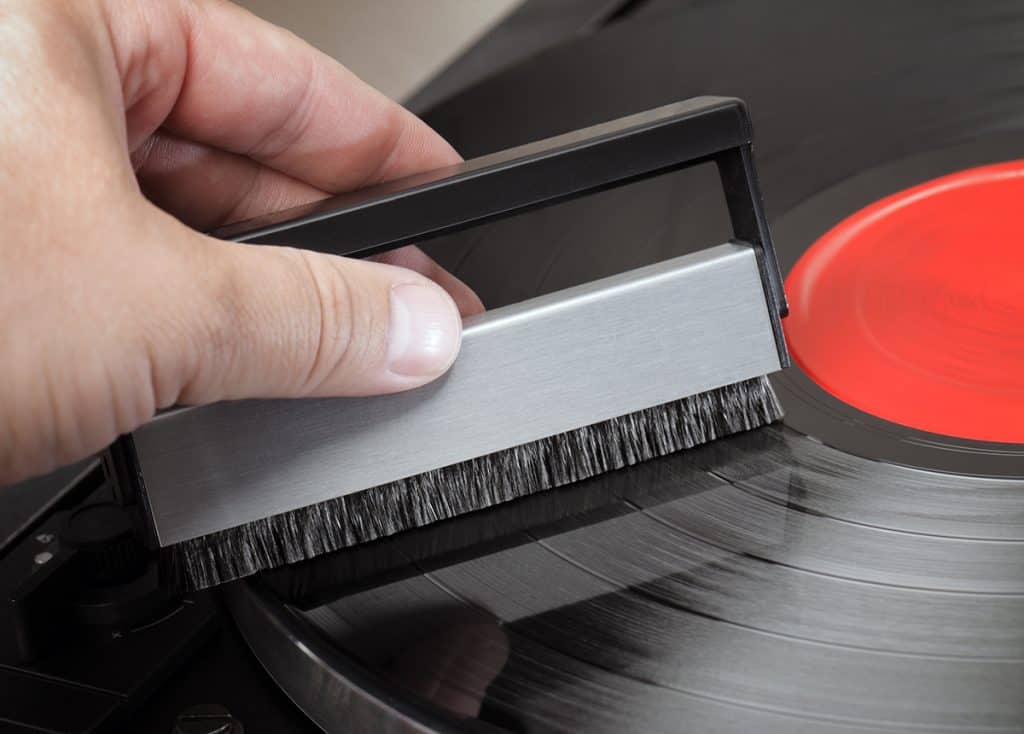
The first step is to use a record brush to dust it off properly. The most efficient way to do that is by spinning it on your turntable without dropping the needle.
Spin the record at a high RPM and get your record cleaning brush into contact with the spinning vinyl applying gentle pressure. Move the brush back and forth between the inner and outer grooves of the record to cover its entire surface area. Keep it up until there’s no visible dust on the record.
Be careful not to press the brush too hard on the vinyl as that can damage it and push the gunk deeper into its grooves. Also, try not to touch the vinyl after you’ve freshly brushed off all the dust off its surface.
You can also clean the vinyl without spinning it on a record player if you prefer a toned-down method. Make sure you apply gentle pressure and brush the record with soft sweeping movements.
2. Check for Imperfections and Fingerprints
After brushing, look closely at the vinyl record to look for marks, scratches, fingerprints, and imperfections on either side. If you find anything on the surface that’s easily removable, revisit step 1 with a record cleaning brush.
Shine a bright light over the record to find imperfections. You can also hold the record up against bright light and pivot it in a circular motion to get the light to bounce off of the slightest imperfections. You can’t do much about scratches as they’re permanent marks of rough use, but leftover dust and grime on the surface can be removed before using the cleaning solution on it.
3. Prepare a Cleaning Solution Using Dish Soap and Water
The next step is to make a cleaning solution for your vinyl records using dish soap and water. I’d highly recommend adding isopropyl alcohol to the mix, but if you can’t get your hands on any of that, some water and a few drops of dish soap will do just fine.
The ideal cleaning solution consists of one part distilled water, one part isopropyl alcohol, and a couple of drops of dish soap. This exact mixture is a tried and tested mixture to clean vinyl records with a DIY mixture that’s pretty easy to put together.
From there, simply fill this mixture up into an empty spray bottle, and that’s it for step 3!
4. Spray Your DIY Cleaning Solution on the Dirtiest Patches
Remember that spray bottles aren’t a must-have for this cleaning procedure; they just make it easier to apply the cleaning mixture evenly across the vinyl records. If you don’t have spray bottles, you can carefully pour the solution onto the dirtiest patches of the records.
Once you’ve sprayed or poured the cleaning solution all over the vinyl, spread it around in a circular motion using a microfibre cloth. Apply gentle pressure to make sure you get to the gunk that’s trapped inside the grooves of the vinyl and work the stains away.
If you can’t seem to clean some stubborn patches of dirt or grime, feel free to spray or pour some more of your cleaning solution in those spots. You can also try letting the solution sit and soak into the problem areas for a few minutes before wiping it with a cloth. Repeat until there’s a clear before/after difference on difficult patches.
Some records are more challenging than others to clean, depending on the storage conditions and the number of years they’ve spent in your dusty drawers. It’s easy to lose patience and get aggressive while cleaning these, but that can easily lead to irreversible damage to your beloved records.
Don’t lose your patience — stay calm and clean them gently without using any caustic cleaning products that might harm the vinyl.
5. Rinse and Wipe the Record Clean
Once you’re done spraying and rubbing the grimiest spots on your vinyl record, the next step is to rinse and wipe it clean. This involves getting every bit of the cleaning solution off it. For this, you can either use a water spray bottle — or if you’re brave enough — wash it under the kitchen faucet.
The leftover cleaning solution on the vinyl acts as a grime and dust magnet, so it’s necessary to get it all off before moving on to the next step of drying it up. Rinsing the record will eliminate excess cleaning solution and fingerprints.
6. Dry Them Up
Finally, all that’s left to do is dry up your vinyl record. You’ll need a dry microfiber cloth for this. Get a fresh one since the ones from steps 4 and 5 are already wet. Wipe your record down to absorb all of its moisture into the dry cloth. This step also removes any static buildup from the vinyl record.
You’ll also get rid of those grimy fingerprints (if any) as you wipe the record clean with a dry cloth.
Proper Storage for Vinyl Records
Now that you’ve worked so hard on cleaning your vinyl records, it’s essential to store them properly to maintain them well. Since vinyl is a heat-sensitive material, it’s best stored in a cool and dark place. For instance, keeping them on a hot and sunny windowpane for several days can cause the metal on the record to melt and deform.
To store records safely, you need a hard case durable container that can fit your vinyl. Some are 12 by 12 inches (30.48 x 30.48 cm) in size, while others are 7 by 7 inches (17.78 x 17.78 cm). Ideally, the container should have sharp corners, flat sides, and almost identical dimensions to your record sizes.
You’ll also find lots of vinyl crates and shelves online — they’re one Google search away. For instance, check out this Amazon’s Choice Wooden Vinyl Records Case — it can hold records of several different sizes including 33s, 45s, and 58s. Remember that wherever you keep your records, make sure they’re at least secured in an inner sleeve, a plastic dust cover, and a cardboard jacket.
Regular carpet vacuum cleaners aren’t meant for your delicate records, and you shouldn’t use them for cleaning your vinyl either. However, there are vacuum wands in the market that are specially designed to clean records. They’re effective enough to suck out the majority of the dirt from the vinyl’s grooves, but the record won’t be ‘squeaky’ clean without the traditional cleaning procedure mentioned above.
Using Vinegar To Clean Records
Thanks to vinegar’s strong acidic properties, it’s commonly used as a cleaning agent. It might be super effective against grease buildup in the kitchen, but it doesn’t do a better job at cleaning vinyl records than good old dish soap or isopropyl alcohol. I wrote a separate article about how to clean records with vinegar. You can find it here: Is Vinegar a Good Way to Clean Vinyl Records?
Cleaning Records With an Ultrasonic Cleaner
Another alternative method of cleaning vinyl records is using record-specific ultrasonic machines. They do a great job at cleaning up your records requiring minimum effort on your part, but they’re expensive. Not everyone has one of these lying around the house, no matter how big of an audiophile they are.
Even the mid-range models aren’t a cheap solution to some dust buildup on your records — at least not as cheap as some dish soap and a microfibre cloth. However, affordability is subjective, so if you don’t have any budget constraints and want an easy and effective way to keep your vinyl records clean, an ultrasonic cleaning machine might be worth it.
Using Windex To Clean Vinyl Records
Windex is great for cleaning windows, so it’s natural for this one to pop into your mind as a potentially promising cleaning agent for records. However, it’s a caustic cleaner with a ton of chemicals in its ingredient list. The most problematic chemicals are ammonia and alcohol, which can eat pits into the vinyl.
Caustic cleaning agents are generally super harsh on vinyl, so if you love your records, you wouldn’t want to risk exposing them to Windex. Even if it doesn’t damage them, it’ll leave behind a pungent smell of chemicals that doesn’t belong on vinyl records. I’d strongly advise you to steer clear of this one!
Don’t confuse this option with regular washing machines — because those will destroy your vinyl records. Instead, record washing machines are specially designed to clean records. However, people have mixed feelings about them.
They can clean your records quite well, but they’re not nearly as gentle as the hands of a true audiophile, so your records might develop some scratches with regular use of record washing machines.
If you’re tired of hearing random pops and hiccups on your record player, it’s probably time to give your vinyl records a proper cleaning. Not only will your record player’s needle thank you for it, but also your ears when you play a squeaky clean vinyl record without any imperfections to mess with the audio.
Vinyl records have been exploding in popularity over the past decade. From popular artists releasing limited edition LPs to the comeback of record players, you may be wondering if there’s a market for selling your vinyl records.
Here are the main places where you can sell your vinyl records:
Local record stores
Book shops
Antique stores
Online platforms like eBay, Etsy, and Mercari
Social media
Whether you’re a casual vinyl listener or you’ve been collecting for decades, there are plenty of great ways to sell your records near you and online. In this article, we’ll discuss the best places to sell your vinyl records, as well as all the information you’ll need to get started.
Local Record Stores
Local record stores can be a good way to support small businesses and get some extra cash for your vinyl.
Stores like We Buy Records (Chicago and Midwest), Amoeba (Los Angeles), Rough Trade (Brooklyn, New York), and Criminal Records (Atlanta) are all great spots depending on what part of the US you’re selling in. All of these, as well as tons of other record stores across the country, also have online shops!
The downside of selling with record stores is that they still need to make a profit, meaning you’ll probably only receive about 20-30% of what you paid for the record. However, it may be okay if you have an extensive collection you want to get rid of, or if you bought a record at a thrift or antique store at an excellent price.
But the negative parts of selling with a record store may be worth it for those looking to save time. Choosing one of these shops instead of selling on an online platform or through social media means you’ll probably get paid much faster, as there’s usually not too much hassle with determining the sell rate.
Book Shops
Depending on where you live, there may be used bookstores interested in buying your vinyl records. Many places that buy books, DVDs, and CDs also appeal to a clientele that buys vinyl, meaning you’re likely to find book stores willing to pay for records, too.
Unfortunately, book stores have the same downsides as record stores in that you probably won’t make very much off of the sale. Again, that’s good for people with extensive collections or records that don’t mean much to them, but it’s probably not the best option for those looking to sell pretty valuable records.
Like record stores, however, selling at a bookstore almost guarantees quick cash. It may not be as much as they’ll sell the record for, but selling this way does have a speedy turnaround compared to some of the other options on this list.
Antique Stores
Like the previous two, antique stores will buy from you, but the rate may be less than ideal. However, what separates selling here from the last two is that you can sell multiple items here, not just music, movies, and books. If you have any sizable collection of antique items, including vinyl records, it may be wise to sell with an antique store rather than other places.
One limitation is that antique stores may not want newer vinyl records. However, if you have collectible records or older records in reasonably good condition, antique stores may be the right place for you to cash in.
Online Platforms
Online platforms, which are discussed in detail later in this article, can be a solid option for those willing to spend a bit more time finding the right buyer. Websites like Discogs, eBay, and Mercari can be hit or miss for some users, but they prove to be a valuable and lucrative way to sell vinyls for others.
There are two significant drawbacks to using online platforms. The first is the fees you have to pay for your sales. Depending on the site, you can expect to pay anywhere near 3-15% of your list price, not including shipping.
If you sell a record for $200, this fee isn’t terrible. Considering a record store may not give you $170 for the record, it could be a great option. However, factoring in shipping, plus time waiting for the item to sell, plus the original price you paid for the record can all impact profit.
The second drawback is negotiation and bidding. It’s less acceptable on certain platforms, but on eBay and Mercari, it’s virtually the entire means of making sales. It can feel like a massive waste of time for some people, especially considering there’s no guarantee that the potential buyer will even follow through with the purchase.
These factors will be discussed further in the sections about the benefits and limitations of selling records online.
Social Media
If you’re relatively active on social media, using your platform to sell records may be an excellent fit for you. Platforms like Facebook and Instagram are built around connecting with people you either know or share interests with. If you’re a vinyl collector looking to sell some of your records, it’s likely you already know people who’d be interested in buying them.
Facebook and Instagram are also relatively easy to list items on, as you can make a Facebook page for your online record shop. For Instagram, you can create a pinned Instagram story with listings for the records you’re selling. Prices can be negotiated, but unlike other online methods of record selling, you can also choose to make the prices firm.
When using social media, it’s important to remember that there’s still little guarantee that interested buyers will actually follow through. Similar to other online platforms, the process for selling can be slower, more tedious, and less certain. However, if you find the right buyer, this venture can be incredibly profitable.
Best Places To Sell Records Online
Here are some of the best places to sell records online:
Discogs
Launched in 2000, Discogs is probably the most well-known online platform for selling records. Because it’s been operating for over twenty years, the site is not only a great place to sell vinyl, but also an excellent resource for learning about it. The site hosts a blog, forum, and even groups (similar to Reddit Subreddits) for fans and collectors of particular genres of records.
The site has over 45 million records listed, making it a great place for buying and selling. Additionally, between Discog guides and user forums, there’s no shortage of information on how to sell your records on the site. All in all, it’s an excellent option for selling vinyl.
eBay
There’s a good chance you’ve bought something from eBay before; it’s one of the most used websites in the world for buying and selling almost anything, including vinyl records.
Although eBay’s bidding system can be frustrating for some, it separates this platform from others and allows you to make a lot more money on a sale than other sites.
However, eBay charges some of the highest fees of the websites on this list, so keep that in mind when considering it over other options.
CD and LP
Like Discogs, CD and LP has been around for quite a while. Founded in 2002, the site has been a staple in the record world for years and currently hosts over 15 million record listings.
One unique part of CD and LP is their international market. Although sites like Discogs and eBay host sellers from all over the world, CD and LP operates out of Saint Etienne, France, making it especially good for finding music you may not be able to in the US.
If you’re an international seller or just a collector looking for another place to list records, CD and LP is a perfectly acceptable option.
Your Own Website
While building your own website may sound like too much work, it’s relatively easy with sites like Wix, Squarespace, and Shopify. If you have any kind of experience with these sites, you’ll know they make building your own website relatively straightforward. If you’re a seller looking for greater independence and less competition, this option could be for you.
If you’re only selling a few records, it’s probably easier and less time-consuming to choose a different method of selling your vinyl. However, if you want to make selling records a long-term side hustle, making your own website may be just what you need to make your business take off.
Etsy
The benefit of using Etsy to sell vinyl is twofold. First, Etsy is one of the only places that allows you to turn a profit on junk records. If you have a sizable collection of records that unfortunately aren’t in excellent condition or just aren’t valuable, Etsy is a great place to sell them as craft supplies.
While Etsy can keep poor condition records out of thrift stores and into your pocket, it’s also suitable for selling collectibles. A search for “Beatles Vinyl Record” on Etsy, for example, pulls up thousands of product listings, some of which selling for hundreds of dollars.
Another benefit of Etsy is that they take a 5% transaction fee, which is far lower than other fees on this list.
Mercari
Like eBay, Mercari is a platform for almost everything. Unlike eBay, however, Mercari appeals to a younger generation, as it’s a relatively new platform and is mainly used to sell clothing for teenagers and young adults.
Mercari is an excellent option for collectors looking to sell newer vinyls, as the target audience for these records is more likely to search for them on Mercari (or similar platforms, such as Depop and Poshmark).
Factors To Consider Before Selling
If you’re just getting started selling records, either online or near you, there are several things to learn about and consider first.
The Condition of Your Record(s)
Many novice sellers and collectors can’t distinguish between different record conditions. When you go to sell and don’t know the condition of your product, you open yourself up to lower payment and lowballing.
The Availability of Your Record
A quick Google search will immediately let you know if a record you want $150 for is all over eBay selling for $15. If the record seems relatively hard to find, you’ll want to be aware of it before making an asking price.
The Time You Want To Put In
If you don’t want to wait around for days (or possibly longer) for your records to sell, look into local options that will buy immediately. If you’re willing to put in more time and be more patient with your sales, selling online may be better.
Your Buyer
If you have a limited edition vinyl record of Harry Styles’ Fine Line or Taylor Swift’s folklore, you should probably market it to a different type of collector than a Pink Floyd or Queen album. There’s nothing wrong with this, but it’s essential to remember that a potential buyer may be more likely to purchase from certain platforms.
For example, you would probably want to sell Fine Line on social media, Etsy, or Mercari, since platforms like Discogs and eBay are less popular with younger vinyl collectors.
Benefits of Selling Vinyl Records Online
There can be many benefits to selling your records online, and for many collectors, online platforms work much better than selling in person at a physical record store.
Here are some of the benefits you can get from selling your vinyl records online:
Can Be Much More Profitable Than Selling Near You
If you have particular records you know are pretty valuable, you can earn more profit. If you have one of these records, it wouldn’t make sense to settle on selling it for 20-30% of its value. While record stores can be great for some records, others that you know you could profit from are worth putting more time into selling.
May Be a Better Use of Your Time
You can better use your time selling vinyl online depending on how close you live to a record or book store. Even though you may have to wait longer between when you list the record to sell and when you sell it, you won’t have to drive somewhere, have the record or record collection appraised, and then sell it. Selling online can mostly be done from your couch!
More Control Over the Price
If you go to a record store to sell something, the price they offer you is almost always final. With selling online, especially on social media, multiple buyers may offer different prices, and you can choose the highest one.
Limitations of Selling Vinyl Records Online
While selling online is definitely the better option for some, there are a few drawbacks to consider when choosing it over other options.
Your Buyer May Want To Negotiate
This was discussed briefly earlier, but it’s important to mention again as this can be a significant factor in choosing to sell online, especially on Mercari or Facebook Marketplace.
If negotiation is an option on your chosen platform, potential buyers will likely try to get the lowest price possible. Although this is understandable, it can be very frustrating to receive offers of one-third of your asking price. Moreover, more informal platforms like Instagram or Facebook are sometimes home to unclear or poorly communicated requests from buyers, further complicating the selling process.
If you’d like to avoid negotiation, there are some online platforms where it’s unacceptable. On Etsy, for example, you can message sellers for requests, but there’s no option for buyers to specifically ask for a lower price. On platforms like eBay, sellers can list items as “Buy It Now,” with no possibility of placing bids.
You May Not Want To Deal With Shipping
If you use social media, you could make agreements with your buyers to come and pick up the item from you, but with other platforms, you’ll likely need to ship the record to them.
It’s a major drawback for some people, depending on how many records you want to sell and where you want to sell them. If you only ship within the United States and are only planning on selling a few records, it shouldn’t be too much hassle. However, going back and forth to the post office, dealing with international shipping fees, and shipping heavier packages can all be reasons sellers find online sales less than ideal.
Most Platforms Charge Fees
If you’re selling a record in mint or near mint condition, you’re probably going to turn a good profit from it, making fees from online platforms manageable. However, if you’re selling less valuable records, shipping costs plus platform fees might be more trouble than it’s worth.
These downsides may be enough to turn some sellers towards in-person vinyl selling, but it’s worth the effort and potential expenses for others. Selling online can be a great option, but weigh the pros and cons of doing so with your goals for selling vinyl. If you decide it’s not worth it, there are plenty of benefits to selling at a record, book, or antique store.
Benefits of Selling Near You
If selling online sounds like a bit too much for you, selling near you at a physical store definitely has its upsides.
You Can Avoid Fees From Online Platforms
This is discussed above, but it’s especially important for sellers looking to sell multiple, slightly lower value records. While you will be paid less at a record store than the vinyl will be sold for, this is still a better option for some.
Helps Support Your Local Music Community and Small Businesses
Because it’s so easy to shop online, many bookstores and music shops lose business and customers to internet retail. Selling at a record shop helps keep local, community-oriented businesses afloat and supports your neighborhood music fans.
Can Save You Time
Not only can you walk out of a record store with cash in hand, selling to a record store means selling to experts. If you have records you want off your hands but don’t know much about collecting them, selling locally can save you the research and time required to appraise your vinyl.
Limitations of Selling Vinyl Records Near You
While selling vinyl records has a lot of benefits, there are a few things to consider before choosing to sell this way.
Expect a Low Rate
Record stores have to make a profit, which means you’ll get significantly less for your record than you may want. It’s probably the biggest drawback of selling locally and possibly the biggest deal breaker for some sellers.
It’s Not the Best Option for Very Valuable Records
If you have a record you know is valuable, either because it’s in excellent condition, sealed, or limited edition, put in the extra time and effort in selling it online. Collector’s items often sell much better online as you can take advantage of bidding and being selective about your buyer.
Why Sell Vinyl Records
Over the past few years, vinyl records have become extremely popular. Although most artists release their music on streaming platforms, there’s still an enormous (and lucrative!) market for vinyl. That’s partially because the availability of affordable record players has also gone up
Buying and selling vinyl is also popular among a wide variety of people. Because music fans have been buying and selling vinyl records since the late 1940s and early 1950s, there’s no shortage of record collectors and record marketplaces.
Selling vinyl can also be a great side hustle. If you’re knowledgeable about your records, there are lots of ways to sell your records successfully at a potentially lucrative rate.
Additionally, selling vinyl within your community is a great way to build connections with other music collectors. Because vinyl has been around so long, collectors often come from all different backgrounds and age groups. If you meet someone who isn’t interested in buying from you, it’s possible they may know someone else in the community you could sell to.
Finally, selling your vinyl is the perfect way to expand your collection. Everyone has music that will always be meaningful to them, but music tastes and preferences are constantly changing. Selling your records is a great way to clear some space on your shelf for things you’ll listen to more, which means you’re also giving someone else the chance to hear something new.
Final Thoughts
Selling vinyl records can be overwhelming, mainly because there are so many options for doing so. However, picking the right option depends on how much you’re selling, how much time you have, and what prices you want to charge.
For selling locally, opt for a record, book, or antique store. These may give you lower rates than online options, but they will probably be much faster.
For selling online, Discogs, eBay, and Mercari are great options, but negotiation, time commitment, and shipping should be considered so you can decide the best way to sell your vinyl.
As an audiophile, it can be hard to decide which vinyl records are worth investing in when choosing between a plethora of highly-appraised and critically-acclaimed albums, and finding excellent records can be even more challenging for those new to vinyl. To help you better start or expand your collection, I’ve compiled a list of some of the best vinyl records of all time. The selection is based on the records’ popularity, critics’ reviews, and quality of sound.
Here are 25 of the best vinyl records for audiophiles:
Miles Davis – Kind of Blue
Ella Fitzgerald and Louis Armstrong – Ella and Louis
Pink Floyd – The Dark Side of the Moon
My Bloody Valentine – Loveless
Neil Young – Tonight’s the Night
Amy Winehouse – Back to Black
The Beatles – Abbey Road
Frank Sinatra – In the Wee Small Hours
Led Zeppelin – Led Zeppelin III
Daft Punk – Random Access Memories
Miles Davis – Bitches Brew
The Clash – London Calling
Carole King – Tapestry
Aretha Franklin – Amazing Grace
Michael Jackson – Thriller
The Congos – Heart of the Congos
Stevie Wonder – Songs in the Key of Life
Pink Floyd – Wish You Were Here
Marvin Gaye – What’s Going On
Queen – Queen II
Stevie Wonder – Innervisions
Janis Joplin – Pearl
Joni Mitchell – Blue
Prince – Prince
David Bowie – Blackstar
This comprehensive list offers an excellent suggestion for every audiophile, no matter their preferred genre or era of music.
I had to start this list with what’s widely considered to be the best jazz record of all time. Miles Davis introduced a new era of the genre with a gentle, laid-back, innovative sound that wasn’t heard before in the world of jazz. Davis was known for his unexpected and thought-provoking creations, as he tailored every musical piece he composed to a specific era of his life.
This record’s ability to effortlessly transmit its emotions through gentle-yet-crisp sounds is one of the many reasons why it quickly became the best-selling jazz album of all time.
Kind of Blue influenced the genre as a whole and helped it evolve into what we hear today. Even if you’re not the biggest fan of jazz itself, this vinyl represents a crucial part of music history that needs to be experienced by any audiophile.
One of the most beloved, dreamiest, upbeat records you’ll come across, Ella and Louis will leave you speechless with its composition and overall artistry. The album manages to outshine many subsequent records, even though it was created in 1956 when there were many technical limitations.
Fitzgerald’s tone is unmatched in power and clarity, and Armstrong’s smooth, deep harmonies perfectly complement it.
The album’s production, lyricism, and vocal power place it far above most LPs you’ll find in the music market today. Its warm, emotional feel shows the impeccable dynamic between the two artists, who deliver a piece of art history that simply can’t be reproduced.
Choosing Ella and Louis as part of your vinyl collection will undoubtedly elevate it to a new level. Furthermore, I assure you that after a single listen to the record, it’ll quickly become one of (if not the) best albums you’ve ever heard.
The Dark Side of the Moon is one of Pink Floyd’s greatest achievements, reaching unprecedented heights of commercial and critical success simultaneously.
This 43-minute album stands out as a remarkable piece of work when it comes to the experience it takes you through. As an expression of philosophical and humanitarian empathy, the album is characterized by a diversity of sounds that’s hard to replicate.
What makes the vinyl stand out even more among its competition is the impeccable sound quality that rivals even the most modern records released half a century after its debut. If you want to get the most out of your vinyl player, the crisp, melodic sound of The Dark Side of the Moon would be my first suggestion.
When it comes to My Bloody Valentine’s Loveless, you’ll need a vinyl record that can handle this album’s fierce spirit, as you’ll need to blast the volume to the absolute maximum to enjoy its modern, thunderous, and hypnotic sound properly.
The legendary vinyl combines approaches and techniques from many different genres, resulting in a progression that consists of overdriven guitars and impressive pop-like riffs. A must-have in every audiophile’s collection, this record introduced a new and improved era of rock that quickly became widely loved by any music enthusiast.
This iconic rock album was released two years after it was recorded due to its intensity and high emotional charge. As listeners and critics would agree, the record was worth the wait. Young delivered an album that perfectly captured the era’s warm-yet-chaotic energy, perfectly mirrored in the instrument’s texture and timbre.
The record’s sound has been improved and refined over the years, making it available for listeners worldwide to enjoy it in high resolution with a 192kHz master quality.
Amy Winehouse was a revolutionary of her time, reviving retro-sounding soul and jazz in an era when bubblegum pop was all the rage.
Her unique, groundbreaking last album still remains unparalleled in the way in which it conveys unfiltered emotion. Back to Black has been widely considered as one of the best albums released after the turn of the century, rightfully making a place for Winehouse in the list of history’s musical greats.
This contemporary spin on soul took a refreshingly blunt approach to heartbreak, making it widely beloved and deeply understood. Back to Black is an absolute must for those looking to add a modern but timeless record to their collection.
It’s hard to choose a single album from The Beatles’ vast and beloved discography.
Still, this eight-track record is generally considered to be the best representation of the band’s captivating sound. Its production speaks of an album released way ahead of its time, while its melodies bring us a side of pop that showcases genuine artistry that withstands the test of time.
Abbey Road was remastered and re-released in 2009, 40 years after its debut. The 2009 vinyl brings The Beatles’ discography to a new era, with a high-quality sound that would be an excellent addition to any audiophile’s collection.
This smooth, smoky, jazz-influenced record was brought to life during a dark time in Sinatra’s life. The loneliness and isolation felt in each masterfully sung note are goosebump-inducing, opening you up to a world of emotion that can give each listener a unique feeling they’ve never experienced before.
The smooth, vivid orchestration oddly complements the melancholic sentiment due to the sounds of a celesta, a rhythm guitar, and Bill Miller’s exquisite piano. Any of the artist’s other records would be an excellent addition to a great vinyl collection, but among Sinatra’s vast discography of masterpieces, In the Wee Small Hours stands on a league of its own.
Led Zeppelin III is an underrated, masterfully composed record that perfectly complements the band’s other classic albums. The melody progression will take you on a thoroughly enjoyable ride of folk, rock, and Welsh countryside music, from which the sound notably takes great inspiration.
This love letter to disco is Daft Punk’s most complex and richest-sounding record. Random Access Memories is a groundbreaking 2013 album that far exceeded its expectations by instantly turning into a classic, a feat that’s been proven near-impossible to achieve by contemporary musicians.
This ode to 70s discotheque quickly became a public and critic favorite due to its excellent production, dynamic sound, and innovative use of instruments.
The deep, bassy sound upon which the whole album was built doesn’t take from its complexity, setting it apart from many records debuted around the same time that have fallen victim to what audiophiles consider as the “loudness war.”
Random Access Memories is bound to be a hi-fi favorite for decades to come, so make sure to add this contemporary must-have to your collection as soon as possible.
Miles Davis makes his second appearance on this list with what you’ll see is a progressive and unstructured record with little relation to Kind of Blue. This love child of modal jazz and rock rhythm solidified the musician’s role as one of the biggest influencers of the genre.
Because Davis’ discography is inherently unique and unparalleled, no two of his albums will sound alike. This means that Bitches Brew and Kind of Blue will add two different but equally essential flavors to your collection.
This fun, upbeat album is a celebration of British outsider music. London Calling is a must-have when it comes to punk albums, as it brings the genre’s passionate and aggressive spirit in all its late 70s glory.
The remastered London Calling Double LP vinyl brings the record’s sound to the new era with impeccable quality and resolution. Therefore, if you’re thinking of expanding your rock collection, this timeless classic would make an excellent, worthwhile investment for any genre’s fan, audiophile, or vinyl collector.
Tapestry is one of the most monumental musical creations of the 20th century, carving a rightful place for King on the wall of the music’s greats. With this record, she solidified herself as one of the best composers and lyricists of her time. Critics praised her soulful melodies, and fans showcased their appreciation with more than 25 million sales worldwide.
The album masterfully showcases the artistry of fusion, pulling inspiration from rock, jazz, and pop simultaneously. The innovative sound perfectly complements the plainspoken, captivating lyrics that only King can deliver. This album impeccably showcased her growth as an artist, most evident in the renewed version of “Will You Love Me Tomorrow?” included in the record.
This song, whose original version jump started her career during her teen years, was presented in a mature, grown-up version that served as an ode to King’s personal and artistic growth. For any enthusiast looking for a timeless classic that can polish and improve their musical point of view, Carole King’s Tapestry will not only reach but exceed your expectations.
This list wouldn’t be complete without Aretha Franklin. Her third and best-selling album plays havoc with her traditional style while offering a never-heard-before sound that’s centered on liberation and freedom of spirit.
This record is much more than a great gospel album, as it showcases Franklin’s groundbreaking range and power. It combines soul, R&B, and pop in a refreshingly dynamic and upbeat sound that any audiophile can enjoy, regardless of genre preferences. The reason for this is that anything Aretha sings is no longer just soul, R&B, or pop; it’s simply hers.
Franklin can take any sound or genre and put her own artistic touch on it, turning it into a masterpiece in the process. So if you’re thinking about investing in this timeless classic, I’m here to assure you that it would make an excellent start or addition to a high-quality vinyl collection.
This Michael Jackson masterpiece has undoubtedly proven to be one of the most influential records of the 20th century, reshaping the music industry and influencing following generations of musicians for decades to come. Thriller is the best-selling album of all time, which alone speaks volumes about the recording’s unparalleled importance in the music industry.
Its mainstream success was accompanied by endless critical acclaim, praising Jackson for this immaculately recorded and produced album. The creating process was long and exhausting, as no song was released without being deemed absolutely perfect. This level of attention to detail contributed to the formation of an album that combined soul, rock, disco, and R&B in a way that was never so seamlessly achieved before.
Therefore, Michale Jackson’s Thriller is an absolute must, especially for those just starting their vinyl collection. If you decide to pick up a copy, though, you’ll need to be diligent, as there’s still an incredible demand for this album. For this reason, the vinyl record often goes out of stock, so try to get your hands on it as soon as you can. I wrote an entire article about MJ that you might be interested in. You can find it here: Michael Jackson Albums You Should Own on Vinyl.
This 86-minute record is one of the most brilliant and well-received debuts in music history.
The Congos were able to bring a hypnotic blend of rhythms that brought reggae to a new era. The unique sounds, the vocalists’ seamless harmonies, and the timeless and thought-provoking lyrics made this album stand out among its peers. Still, its brilliance is indeed brought out by the album’s production approach.
Roots reggae gained a great deal of mainstream and critical success through this impeccably-created record. When it comes to the genre, The Congos are able to capture its essence perfectly, introducing a rhythm and melody progression that is hard to replicate.
I highly suggest investing in this vinyl for any audiophile looking to experience a soulful and captivating musical point of view.
Songs in the Key of life is generally considered the epitome of Wonder’s highly appraised discography and has forever remained the culmination of his historical period of creativity. This upbeat record, which mixes 70s funk and soulful writing, perfectly showcases the artist’s ambition and scope.
Stevie Wonder brought a new layer of artistry to pop with this hit-filled album, which has granted him a lifelong legacy in the genre.
Decades after the record’s debut, young generations of musicians still take a great deal of inspiration from Wonder’s unique writing style and singing flair. The public support was backed up by critics as well, who still treat this album as a golden standard when it comes to pop records.
Songs in the Key of Life is an excellent vinyl to invest in, as its fresh, inviting sound is a timeless classic that will retain its power for decades (even centuries) to come.
The beloved rock legends are already a favorite amongst music enthusiasts, so there’s a high chance most audiophiles already own one or two (or 15) of their vinyl records. Still, in case you don’t and you’re interested in getting your hands on the greatest representation of their work, I highly suggest Wish You Were Here.
Their complex and excellently produced albums are full of lengthy, widely adored hits, which is most evident in this specific album. You won’t find any filler songs thrown in there just to complete the album time in Wish You Were Here. The record is only composed of five tracks and runs for more than 40 minutes.
The album is a beautiful, emotional tribute to Syd Barrett, whose extended drug use led to him moving on from the band. So even for those of you who aren’t the biggest fans of the genre, Wish You Were Here is an excellent addition to your collection that brings a soul-shaking quality that not many other records can.
Only Marvin Gaye can bring to light heavy themes of social injustice through a silky, satin-like voice. The theme of this album took inspiration from Gaye’s brother’s experiences in the Vietnam War and his depiction of what he viewed as uncontrolled, widespread injustice in America. This album was written to depict the state of the world through his point of view in a touching, soulful, soaring tone.
The spacious jazz and blues arrangements felt along this record give the album’s nine tracks an unparalleled flow.
The quality that set apart Gaye’s creation from many other artists tackling the same issues at the time was his stance built on love, not anger or hatred. It’s hard for a musician to take on heavy topics such as drug addiction, poverty, and political injustice in a way that still transmits affection and warmth to the listener.
This hugely influential album still holds relevance not only regarding the topics and issues it tackles but also when it comes to Gaye’s musical artistry and charisma.
What’s Going On continues to influence the formation of young jazz, blues, and soul musicians to this day, as its sound has proven to be timeless. Therefore, try to get your hands on this iconic record that will shape your musical and personal growth.
This 1974 album showed Queen’s impressive range and ability to reach their listeners and lift them spiritually. Say you’re only looking for one Queen album as part of your carefully curated vinyl collection; if so, Queen II would undoubtedly be the way to go.
This prog-rock staple will never disappoint when it comes to its ability to convey raw emotion. Widely considered Queen’s finest piece of work, the album packs a series of progressive elements gathered in dense, chaotic clusters. The deep contrasts of sounds and sensations will take you through a wild ride when listening to this vinyl.
So no matter your preferred genre or era of music, I guarantee this album will become an undisputed favorite on your ever-growing collection.
Innervisions is a beautiful depiction of the world as Steve experiences it and the crucial role that sensations created by music play inside it. This innovative fusion of soul, funk, and gospel is produced with such precision and poise that it is near-impossible to recreate.
This album quickly became one of Wonder’s fan and critic favorites, as it transmitted raw emotion within such a moving sound that makes you experience the world from his point of view. This work of constant, progressing surprise adequately celebrates the artist’s evolution and maturity throughout his musical career.
Pearl, released in 1971, was the album that reformed the image of Janis Joplin in the public eye. With this fusion of rock, blues, and soul, she consolidated her musical persona as a fearless, uninhibited artist that spoke her mind through her creations.
Through this record, she was able to gain an amount of control over her art that was never given to her before, which allowed her to fully evolve as a musician before passing away.
The album quickly became a testament to her free, artistic spirit and turned into a point of inspiration for many generations to come. This is what makes Pearl a crucial point in musical history that needs to be thoroughly enjoyed as part of your vinyl collection.
This beloved masterpiece still proudly holds its place in the industry more than 50 years after its release. It’s a one-of-a-kind record that excellently showcases Mitchell’s authentic, raw songwriting.
Her naked guitar playing as one of the sole sources of instrumentation in this album adds to its confessional, intimate nature. Every love song feels like a diary entry enriched by soulful improvisational jazz sounds. The tracks were created to be as honest and revealing as possible, and the production choices showcase this aspect wonderfully.
Its stripped-down nature doesn’t take away from the melody’s unexpected flights and turns, which goes to show Mitchell’s exceptional ability to transcend any musical rule or genre. Her strikingly precise depiction of emotion made the album a rare creation that can enrich any audiophile’s library.
This self-titled record showcased the artist’s first signs of his adventurous sound. This perfectly balanced combination of pop and urban R&B featured many tracks that were able to instantly turn into classics.
The album displayed a much more pronounced sense of self from the artist, depicting his signature production and songwriting more authentically than any of his previous records. Therefore, even though this self-titled album wasn’t the artist’s debut, it truly felt like his musical persona’s genesis, giving life to what the world widely knows and admires as “Prince.”
His simple but striking approach with this synth-funk piece of work revolutionized the music industry as a whole, which makes it a must-have vinyl for any enthusiast.
The icon’s last album is widely regarded as one of his best, which is a very rare achievement for most artists of his caliber who have already set impossible-to-reach standards through their work. The record’s release days before Bowie’s passing feels like a final acknowledgment to his fans, with a dark, inciting narrative that we’ve grown to expect and love from him.
Blackstar made waves through its impeccable production that combined rock, jazz, and a splash of electronica that made all seven tracks a transcending experience to enjoy. Beautifully fusing its iconic 80s flare with contemporary sounds, Bowie ensured that his last piece of work would surpass generational limitations and instantly become a timeless classic.
Vinyl records have surged in popularity. Perhaps to the surprise and delight of many, outliving other mediums like CDs (compact discs) and MP3 players. If you are one of the many interested in buying and collecting vinyl records, you likely have many questions. A popular question is how many tracks fit on a vinyl record?
There is no set amount of tracks that will fit on a vinyl record. Vinyl records are available in three standard sizes. The size impacts the number of tracks it can hold. You can expect to fit one to twelve songs on a vinyl record between the three standard sizes
As you may realize, figuring out how many tracks will fit on a vinyl record is complex. You must factor in the size of the vinyl record and the speed. This article will elaborate on the variances of vinyl records to help you determine how many tracks you can expect to find on a vinyl record.
Standard Size of Vinyl Records
There are three standard sizes of vinyl records. The size of a vinyl refers not only to the size of the vinyl but the RPM or revolutions per minute. RPMs refer to a record’s speed. These factors all play a role in the number of tracks that can fit on a vinyl.
The three standards vinyl records sizes you will find are:
7-inch
10-inch
12-inch
Further explanation is needed to better understand how many tracks can potentially fit on a vinyl record.
7-Inch Vinyl Records
Most 7-inch vinyl records are 45 RPM; for this reason, they are often called 45s. The 7-inch is generally smaller than full-length albums. Singles are typical for the 7-inch vinyls. It is also common to use this size for extended versions of songs. You can expect about 4 minutes and 30 seconds per side of a 7-inch cut at 45 RPM.
Sometimes, a 7-inch vinyl record is cut at 33RPM. This RPM provides a longer play time. You can expect about 6 minutes of music per side on a 7-inch vinyl cut at 33 RPM.
10-inch Vinyl Records
10-inch vinyl records can be cut at 33 RPM, 45 RPM, and sometimes, but rarely, 78 RPM. Below is a breakdown of estimated play time on each RPM. It is important to remember that more music could be added below the suggested times, but it could potentially impact the sound quality.
10-inch vinyl cut at 33 RPM: around 12 minutes per side
10-inch vinyl cut at 45 RPM: approximately 9 minutes per side
10-inch vinyl cut at 78 RPM: approximately 3 minutes and thirty seconds to about 4 minutes and thirty seconds.
The 33 RPM cut is most commonly used for 10-inch vinyl records. This is ideal for EP (extended play) albums. EPS are often considered mini-albums, and the 10-inch vinyls cater to this niche album length.
12-inch Vinyl Records
The 12-inch vinyl records are most often used for standard club DJs and LP or long-playing albums. This size vinyl is cut at either 33 RPM or 45 RPM. On the 12-inch vinyl cut at 33, you can expect about 18 minutes per side. The 12-inch vinyl cut at 45 RPM produces about 15 minutes per side. 45 RPM is the most common cut 12-inch vinyl.
The Most Common Vinyl Records
With so many sizes and speeds to choose from, determining how many tracks will fit on a vinyl record can be exhausting and overwhelming. Instead, we will look at the most common vinyls to help you determine how many tracks they might have. We will consider the average song length of three to four minutes to calculate the approximate number of tracks on each of the most common vinyl records.
The three most common vinyl records are:
45s or the 7-inch 45 RPM vinyl record. With about four and a half minutes on each side, you can expect about two songs to fit on a 7-inch vinyl cut at 45 RPM. 45s are considered singles because a single track fits without compromising the sound quality.
The 10-inch vinyl record cut at 33 RPM. Perfect for extended play or EP albums, this size boasts about 12 minutes per side. 12 minutes will give three to four tracks. When calculated for both sides, the 33 RPM vinyl record provides about six to eight songs. The EP is the sweet spot between a single and LP album.
The industry standard, 12-inch vinyl record cut at 45 RPM. This size vinyl record offers about X minutes. The 12-inch vinyl has become synonymous with long-playing. With about 15 minutes per side, it would hold approximately ten songs.
Buying Vinyl Records
Once you understand how many tracks may fit on a vinyl record, your next natural step would likely be purchasing your first records. Fortunately, there is no shortage of avenues for buying vinyl records as this audio format has exploded in recent years. In fact, in 2020, vinyl records outpaced CD sales for the first time in 34 years and continued this trend throughout 2021.
Some good places to start (and continue) to buy vinyls are:
Locally. Local record stores will offer a diverse selection of new and used albums. You get the experience of thumbing through crates. You will get the best prices. And, you may stumble across a rare album.
Discogs. Discogs is an international marketplace. Other media formats are offered, but you can narrow it down by format, genre, artist, and condition. There are also Community pages where you can connect with other record collectors.
Vinyl Me, Please. This online service features a Record of the Month Club. Members receive pressed albums monthly, and plans start at $33 per month. Vinyl Me Please collaborate with record labels to ensure quality products. You may get extras like colored vinyls instead of the traditional black vinyl, special packaging, added artwork, and cocktail recipes.
Large Retailers.
Best Buy. This retailer is well-known for its wide array of music in various formats. One upside of buying vinyl records at Best Buy is that the store has a price match guarantee.
Target. While Target carries a small selection of vinyl records in the store, they offer free shipping on orders over $35. They also have their own exclusives, like Taylor Swift’s 2-disc Lover album.
Amazon. Of course, Amazon sells everything, and vinyl records are no exception.
Urban Outfitters. Urban Outfitters has a small yet solid selection of vinyl records to choose from.
Vinyl records require care. They can crackle, pop, and scratch. Adequate cleaning of your vinyl records will extend the life and maintain the quality. Fortunately, some simple steps will protect your investment and give you hours of enjoyable listening.
Brushes
You will need two kinds of brushes. One is a vinyl cleaning brush. The groves on your vinyl records collect dirt, dust, and hair. Brushing removes these particles. To brush your vinyl records, you place them on your turntable, turn it on, and gently rest the brush on the record at a 90-degree angle. The record is cleaned as it spins.
The other brush you’ll need is a stylus brush. Like the grooves of your vinyl records, your stylus can also collect dirt and other tiny particles. Without regular cleaning, over time, your stylus may get damaged.
Cleaning Solution
Brushes work well to clean the surface of your vinyls, but sometimes, they need a deeper clean. There are cleaning solutions made specifically for cleaning vinyls. They should be wiped in a circular motion with a microfiber cloth.
Besides cleaning, storage is another important aspect of vinyl record care. Vinyls should always be stored vertically and not exposed to extreme temperatures or humidity. They should be kept in their sleeves inside their covers.
Some vinyl record users purchase additional inner and outer sleeves. The inner sleeves that typically come with vinyls are paper, which can flake off and stick to the record’s surface. The outer record cover is more durable, but it can wear over time as the record is removed and replaced over and over. There is a large selection of aftermarket sleeves available.
Conclusion
How many tracks fit on a vinyl album is not a simple answer. It depends on the size and speed of the record, but the general answer is one to twelve tracks fit on a vinyl album. Regardless of the size of your vinyls, with proper cleaning and storage, they can last quite a while for your enjoyment.
We all have that person in our life who’s hard to shop for. But if you have a vinyl record lover in your life, there are countless options for gifts that will satisfy them. Whether you’re buying them their favorite record or a new accessory, the possibilities are endless.
Here are 26 great gifts for the vinyl record lover in your life:
Vinyl record dividers
Record storage
New turntable
Stylus cleaner
Record weight
Turntable mat
Custom vinyl record
Vinyl cleaning system
Record sleeves
Dust & Grooves: Adventures in Record Collecting
Vinyl Me, Please: 100 Albums You Need in Your Collection
Turntable isolators
Record jacket repair strips
Record display
Carrying case and portable turntable
Vinyl subscription service
Vinyl record coasters
Vinyl mug
Stylus needles
Gift card
Matching vinyl and tee
Autographed vinyl record
Vinyl record phone case
Personalized gold music plaque
Vinyl record jigsaw puzzle
Ambiance Enhancers
In this article, I’ll explain why these items make such good gifts and even recommend some specific options.
*Note: All product recommendations are available from Amazon.com.
1. Vinyl Record Dividers
A must-have for any vinyl record collector, vinyl record dividers allow you to organize your records in various ways.
Every vinyl record collector has their own way of organizing their records, so before buying record dividers, you should do some sleuthing and figure out how they choose to manage their records.
Most commonly, records are organized alphabetically. Because of this, it’s easy to find pre-made alphabetical vinyl record dividers, such as these Pearlead 6 pc. Vertical Acrylic Vinyl Dividers.
These dividers are an excellent option for those just starting their record collection because they’re budget-friendly and group records together in sections of four or five letters at a time.
However, they might not be ideal for those with an extensive collection, as the subgroups will still be too large. Instead, consider these Kozy Wooden Vinyl Record Dividers.
At a slightly higher price point, these dividers can be oriented horizontally or vertically and group records into groups of two letters at a time, creating much more manageable subgroups.
Also, a common choice for organizing records, but slightly harder to find, is organizing records by genre.
While less widely available than alphabetical vinyl record dividers, websites such as Etsy and smaller design companies offer various options for record storage by genre.
You could also consider looking into custom-made vinyl record dividers from a local artisan or a website such as Etsy if the vinyl-lover in your life has a unique organizational system.
2. Record Storage
A requirement for any vinyl record collector, record storage comes in all shapes and sizes. Whether the record lover in your life is at the beginning stages of their collecting or they’re seasoned pros, there are storage options for all.
If you’re looking for a gift for someone just starting to build their record collection, consider a small storage option, such as the Way Basics Vinyl Record Storage Cube.
This option is like a modern milk crate; perfectly designed to fit standard records. These storage cubes are a buildable storage option, as you can continue to buy them and stack them as your record collection grows.
Not only that, but they come in multiple color and finish options, meaning you can tailor them to the personal style of your gift recipient.
If you’re looking for something a little more interior design-friendly, record stands are a great way to go. Stands such as the Crosley Manchester Turntable Stand offer a small storage option on which you can set your turntable.
While this is an attractive and relatively affordable option, this too is for the beginner collector in your life.
If you’re buying a record storage system for someone in your life who has a substantial collection, you’ll need a storage solution to match.
Attractive and practical, these larger storage systems are specifically designed to house an extensive collection of records and have plenty of space on top for your turntable, amps, and speakers.
3. New Turntable
Chances are, if they’re a vinyl record lover, they already own a turntable. But it could very well use some upgrading.
Most people don’t start with their dream turntable, so this is likely an area for improvement that they’ve been putting off themselves, making it a great gift choice.
With many great options for turntables, it can be challenging to narrow down which one to get. The key is to match your budget with the preferred specs of your gift recipient.
The Fluance RT81 HiFi Vinyl Turntable is a highly rated, reliable turntable choice and possibly a significant upgrade from their current turntable.
Both options are excellent mid-level turntables that are a step above what they may already have but still fall in a reasonable gift-giving budget.
While it’s best to know what the vinyl record lover in your life is looking for before buying them a new turntable, an upgraded record player can be a very thoughtful gift.
4. Stylus Cleaner
If you’re trying to impress the hardcore vinyl record lover in your life, a stylus cleaner is an excellent gift choice.
While many people understand the importance of cleaning records themselves, a lesser-known but equally important part of vinyl maintenance is stylus cleaning.
Keeping the stylus clean is essential for several reasons. First and foremost, a dirty stylus can damage the records.
Styluses collect dirt and dust, even when you can’t see it, and can grind this dust into the grooves of records if not adequately cleaned.
Furthermore, a dirty stylus can affect the sound quality when playing records, causing them to sound grainy or muffled.
A go-to for vinyl record lovers, the ONZOW ZeroDust Stylus Cleaner, is tried and true. Simply lower your stylus onto the cleaning gel surface, and when you lift it back up, it will be free of dust and dirt.
If you’re looking for a more budget-friendly option, Amazon has a huge selection of less expensive cleaners, such as this KAIU stylus gel cleaner.
An ideal choice for a design-forward record lover, the KAIU gel cleaner comes in a compact, attractive wooden container that is both functional and eye-catching.
5. Record Weight
Record weights are another excellent accessory for the vinyl record collector. Small and subtle, they’re the kind of item that a person is less likely to buy for themselves, making them a great gift choice.
Record weights are designed to improve sound quality. They work by providing extra weight to the top of the record, helping to stabilize the record.
While they’re not a necessity when playing records, they help reduce the vibrations during playback, allowing a more accurate sound to be produced.
Record weights are helpful with slightly warped records, which may otherwise cause issues with playback; however, they will not affect more severely damaged records.
With a rubberized outside and a velvet pad, the Fluance Vinyl Weight Stabilizer will weigh down your records without ever scratching or harming them
6. Turntable Mat
A turntable mat, also known as a platter mat, is another helpful tool in providing quality sound when playing records.
While many turntables come with mats (especially high-quality ones), some turntables require you to buy mats separately. Alternatively, it may be time to upgrade the mat that came with the turntable.
There are a variety of mat styles, and ultimately it comes down to the user’s preference, but for most at-home use, sticking with rubber or cork is a great idea.
Rubber turntable mats help reduce vibration by ensuring that the record sticks to the mat and sits flat. An excellent option for rubber mats is the Fluance Turntable Mat.
The Fluance mat is a subtle and reliable option that makes your turntable look just as good when it’s not in use.
Cork turntables are beneficial for several reasons. They do an excellent job of preventing slipping of the records without actually sticking to them, meaning there is no resistance when placing or removing records.
The PRO SPIN Cork Turntable Mat is an excellent option if you’re considering buying a cork mat as a gift, thanks to it’s highly reviewed and minimalistic design.
7. Custom Vinyl Record
A truly thoughtful gift that requires both time and effort, you can give the gift of a custom vinyl record.
Websites like Vinylify and Freestyle Vinyl allow you to choose which tracks you want on your vinyl record and even let you upload your own album jacket art.
Are you looking for a creative anniversary gift to commemorate your big day? With these sites, you can choose specific songs from your wedding and upload a photo from your wedding album as a cover.
Creating a custom vinyl record is an intimate and meaningful gift that is sure to warm the heart of the vinyl lover in your life.
8. Vinyl Cleaning System
A record collection is never complete without an appropriate cleaning method. If the vinyl record lover in your life doesn’t already have a cleaning system, this is the perfect gift.
Like cleaning the stylus, cleaning records themselves is crucial not only to the audio quality but also to the longevity of the records.
The dirt and dust that can cause abrasion in the grooves of the records should be cleaned out before running the stylus over it, forever damaging the records.
There are many options for cleaning records, but the beauty of this gift is that it doesn’t need to be complicated or expensive.
This brush not only effectively cleans down into the grooves of the records, but it’s anti-static, meaning it helps remove the static charge that all records have when they’re removed from their sleeves.
Not only will it be an attractive addition to your gift recipient’s vinyl record collection, but the alcohol-free cleaning solution and microfiber cleaning pad guarantee a deep clean.
9. Record Sleeves
While record sleeves may not seem like a glamorous gift, they’re instrumental in protecting vinyl records and will undoubtedly be appreciated.
Most records are sold with lightweight inner sleeves that don’t do a great job protecting the record. Combine that with the open side of their album jacket, and you leave a high probability that dust will be able to make its way to the records.
Upgrading record sleeves is an inexpensive and easy way to take that extra step to keep records like new.
With the heavyweight paper and rounded corners, records will not only be more protected, but they’ll be easier to take in and out of their album jackets.
The outer plastic sleeve is essential in vinyl record care. It protects the records themselves from being damaged from dust and dirt and preserves the art on the album jacket.
10. Dust & Grooves: Adventures in Record Collecting
A classic coffee table book, Dust & Grooves: Adventures in Record Collecting is sure to be a fun read for any vinyl record lover and will allow visitors to share in their love of vinyl collecting.
An exploration into the vinyl community, this book is a collection of photographic essays from photographer Eilon Paz.
Paz paired his photographs with interviews with all types of vinyl collectors, including many famous ones, and compiled them into this book.
Not to be missed, this is a great gift option for the vinyl record lover who already has seemingly everything.
11. Vinyl Me, Please: 100 Albums You Need in Your Collection
Part coffee-table book, part guide, this comprehensive book will let any record collector know where their collection stands.
This book is a perfect gift for a vinyl lover at the beginning of their collection as it is both visually appealing and informative.
This book might even be a good gift-giving guide for you, as you can slowly fill the holes in their record collection with these classic albums.
12. Turntable Isolators
Turntable isolators are another great gift for the vinyl record collector. They function to remove any excess vibration that may affect sound quality.
They come in various styles, such as isolation platforms, pads, or feet. The type you choose is dependent on your preference and the weight of the turntable.
There is a vast range in price for turntable isolators, so go with one that fits their needs and your budget.
The Tuneful Cables Sound Isolation Pads is a fundamental and inexpensive option. These pads are sold in a 4-pack and are made of rubber and cork to absorb vibrations.
If you’re looking for a higher quality, higher budget option, the IsoAcoustics Orea Series Isolators are a fantastic choice. They have different selections for different weight requirements.
Be sure to check that your gift recipient doesn’t already have isolators installed, as they can sometimes be very subtle.
13. Record Jacket Repair Strips
Designed to go on the inside of damaged vinyl album jackets, these Seamzeazy Record Jacket Repair Strips are a must-have for the vinyl lover in your life.
Most vinyl collectors buy both new and used records, so even if they take excellent care of their new records, it is likely that some of the records in their collection are a little worse for wear.
That’s where these record jacket repair strips come in handy. They are designed specifically for record jackets and don’t require any tape to be on the outside.
Because of this, records look better, and the tape doesn’t get snagged or torn when rubbing against other album jackets.
14. Record Display
A gift that is sure to be appreciated, a record display gives the audiophile in your life the ability to display whatever record is currently being played.
Not only is the display an attractive way to present the spinning record, but it gives the player the ability to leave the album jacket out without getting in the way.
Record displays come in all shapes and are made with all kinds of materials. Try to find a record display that will match the aesthetic of the record owner’s style.
A classic option is this KAIU Vinyl Record Stand. Offered in various colors, this solid wood display looks attractive whether there’s a record being displayed on it or not.
If the vinyl record lover in your life is the type to bring records wherever they go, consider buying them a carrying case and portable turntable.
Carrying cases are typically not designed to lug around an entire record collection but would be an excellent choice for a long weekend or evening out.
Consider a padded carrying case such as this Trunab Vinyl Record Carrying Bag. This case comes with multiple compartments, pockets, and a shoulder strap for easy transport.
To complete this gift set, consider investing in a portable turntable; this Crosley Vintage Suitcase Turntable is a great option. Reliable and offered in various colors, there’s an option for everyone.
Your gift recipient will appreciate the understated design and the continuity that comes with having a matching set. Best of all, if one of them breaks, each item is also sold individually.
16. Vinyl Subscription Service
A vinyl subscription service is a perfect gift for any vinyl record collector. Designed for someone with a growing record collection in mind, subscription services are the gift that keeps on giving.
Ranging in price and the number of records delivered each month, you can find the vinyl subscription service that best meets their needs.
While there are several services, one popular option is Vinyl Me, Please, which offers four tracks to choose from:
Classic
Essential
Hip-hop
Country
Once you choose their track, they will be notified each month of the selection and given a chance to switch the record if they’re not interested in it or already own it.
Another option is Black Box Record Club, which has a specific gift package option. The recipient gets two vinyl records a month with this subscription service, and the selection is curated explicitly to their taste.
There are a lot more subscription services out there, but whichever one you choose, any vinyl lover is sure to appreciate the additions to their collection.
17. Vinyl Record Coasters
A lighthearted option for the vinyl record lover in your life, these Retro Vinyl Record Coasters are a great gift choice.
Complete with a display that looks like a mini turntable, these anti-skid coasters are each designed to look like a different retro vinyl record.
This fun and functional set of six coasters is a great standalone gift or accompaniment to any vinyl-themed gift.
18. Vinyl Mug
Another silly gift for the record lover in your life, this Vinyl Record Shaped Mug is a fun way of letting them know you care.
Shaped like a vinyl record with the album title “Cool Brew,” this mug is an ideal choice for someone in your life with a combined love of not only records but also coffee or tea.
This novelty mug is sure to be a favorite and is an excellent record-themed gift for you to give without breaking the bank.
19. Stylus Needles
While perhaps less fun than record-themed novelty gifts, giving the gift of extra stylus needles will never go amiss.
Even with proper cleaning and maintenance, stylus needles will need to be replaced over time. Having extras on hand is a requirement for any serious vinyl collector.
Consider a simple pack of universal stylus needles such as this 3-Pack of Soofotoo Needles. Understated and dependable, these needles are highly rated and you can choose to upgrade to a diamond stylus if you want.
The vinyl record lover in your life is sure to appreciate the practicality of this gift and will think of you when they inevitably find themselves needing to replace their stylus needle.
20. Gift Card
Still not sure? Gift cards are an excellent option for the vinyl record lover in your life who’s a little more challenging to shop for.
Whether they already have all the fancy accessories or their music taste is super niche, you can’t go wrong with a gift card.
Consider getting a gift card at their favorite local record or music shop. This gives them the freedom of deciding what they want to spend the money on, and nobody has a better idea of what it is they’re looking for than themselves.
If the vinyl lover in your life doesn’t live near a record store, you can also get them a gift card to an online retailer such as Amoeba Music or Discogs.
21. Matching Vinyl and Tee
If there’s a specific album that you know the vinyl lover in your life has been wanting, why not pick it up for them?
If they haven’t mentioned an album in particular, why not look through their collection, and see if there are any albums missing from their favorite bands or artists.
Better yet, sweeten the deal with a matching tee of the artist or album that you bought to make it a set.
22. Autographed Vinyl Record
If you can somehow manage it, a signed vinyl from one of their favorite musical artists or bands is sure to be a hit.
While this might run a little higher in budget and effort, an autographed vinyl has the potential to be an unforgettable gift, and a prized possession.
The vinyl lover in your life is sure to appreciate you going the extra mile, and getting them such a meaningful gift. You’ll sometimes get lucky, too, and find an already signed one on Ebay or Amazon, eliminating the need for you to have to put in all the legwork of getting an album signed yourself.
23. Vinyl Record Phone Case
An easy and simple gift, consider a vinyl record phone case. There are countless cases on the market, for all different types of smartphones.
A case such as this Selection Vinyl Record Case with records on it is sure to be a hit if you’re looking for a good gift for your vinyl-loving teenager.
Plus, this phone case is fun, eye-catching, and inexpensive, so if they grow out of it, it’s no big deal.
If that choice is a little too flashy for the vinyl lover in your life, consider this Demelza Retro Vinyl Record Case instead. Designed to look like a classic turntable, this phone case is fun and subtle.
24. Personalized Gold Music Plaque
For the true artist in your life, consider getting a personalized gold music plaque, like this one from Etsy.
Gold records are given to musical artists in the United States who sell (or stream) more than 500,000 copies of a song or record.
The possibilities are endless with this personalized gold music plaque. If the vinyl lover in your life is also a musician, you could get a gold record of their newest album to hang in their practice space or recording studio.
If there’s an album or song that is particularly meaningful to your loved one, you could get a gold record for them to hang near their record player.
25. Vinyl Record Jigsaw Puzzle
Another great novelty gift, a vinyl record jigsaw puzzle is the perfect gift for the person in your life who has a love for both records and puzzles.
Puzzles like this Springbok 1000-piece puzzle of the Melody shop would be an excellent choice if you’re looking for a real challenge.
But listening to vinyl isn’t just about the music itself, but the overall ambiance that allows them to relax and lean into the music.
Depicting a busy record store, this puzzle offers the nostalgic scene of a retro vinyl store, and is sure to take up a few evenings with how many pieces it has.
You could also consider getting a jigsaw puzzle of your gift recipient’s favorite band or album, such as this AQUARIUS Dark Side of the Moon puzzle.
This round, 450-piece puzzle is an exact replica of the album cover, and would be a huge hit for any Pink Floyd fan.
There are endless jigsaw puzzle options, and if you know what you’re looking for, the likelihood is high that you’ll be able to find it.
26. Ambiance Enhancers
Every true vinyl record lover knows the simple joy of sitting next to their turntable, enjoying their favorite record through headphones.
Consider getting your vinyl lover a few items to enhance their listening experience.
A comfortable pouf, such as this MAHAO Seat Cushion is a great gift choice. It’s large enough to lounge on, and attractive enough to keep out, even when it’s not in use.
You could also consider adding a weighted blanket to your gift list, for when they want to listen to records in the colder winter months.
Blankets such as this ThrowStyle chunky knitted blanket are sure to be a hit thanks to their soft and attractive designs. This one comes in multiple colors, meaning you can tailor this gift to your recipient’s personal style.
If the vinyl lover in your life already has a cushion and blanket, consider any item that you feel would enhance their listening experience.
Sometimes simple items like salt lamps, candles, or essential oil diffusers really help set a relaxing mood.
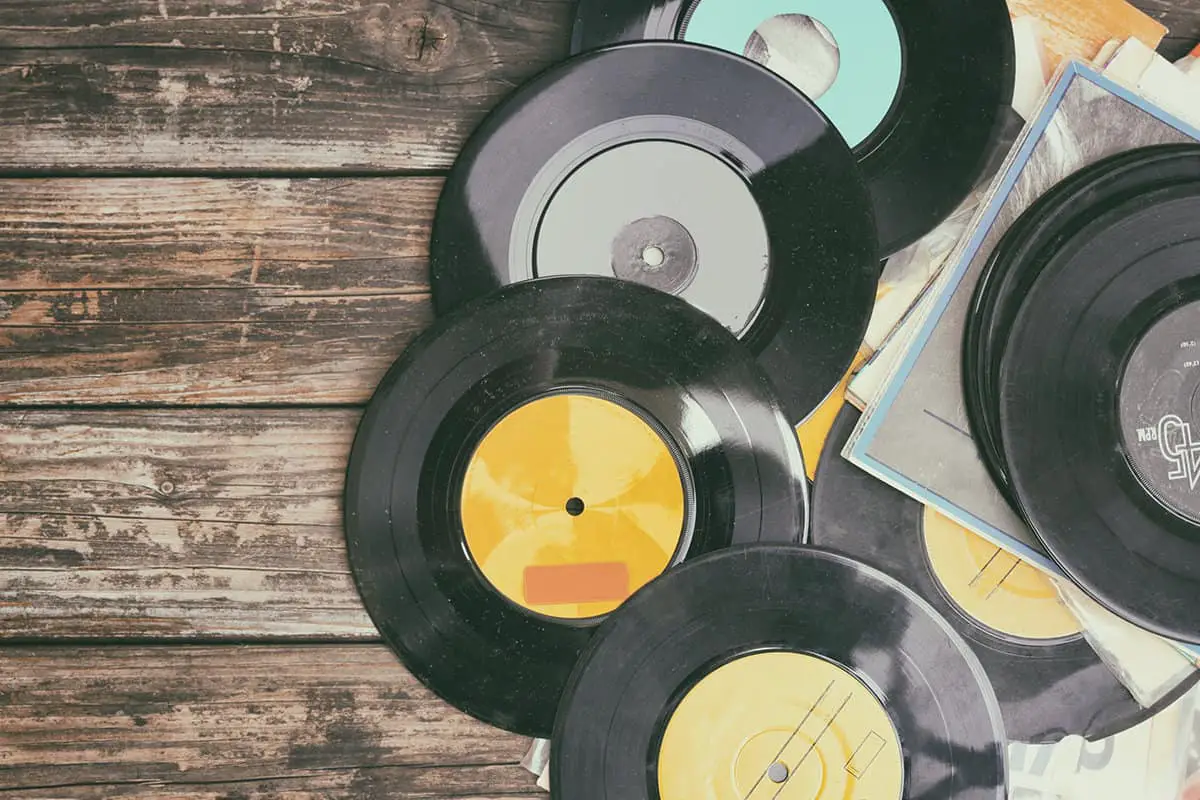
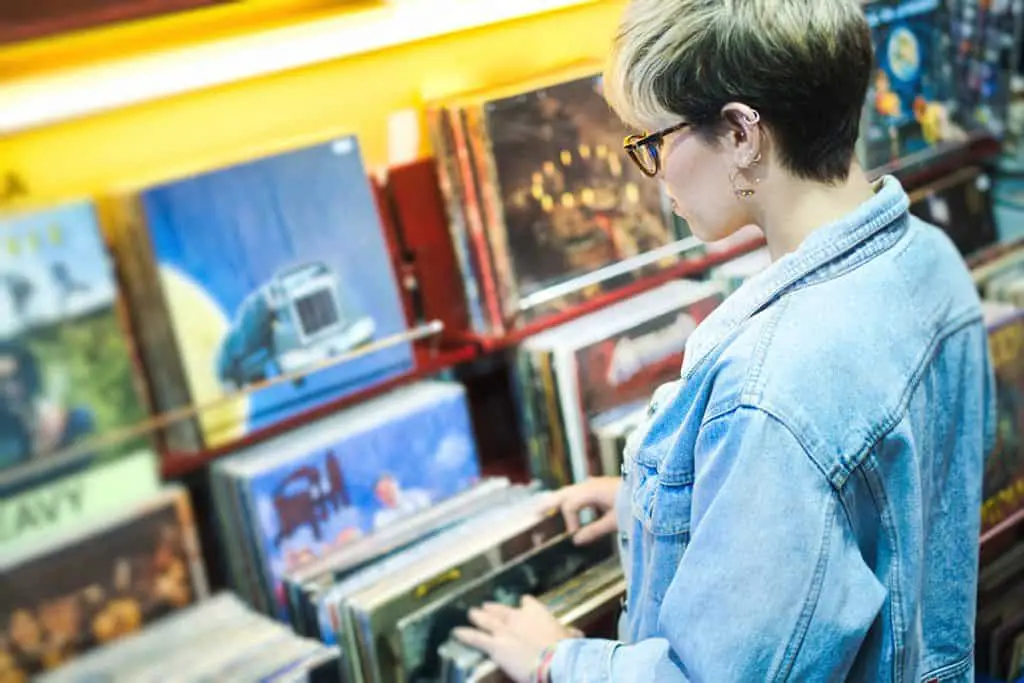

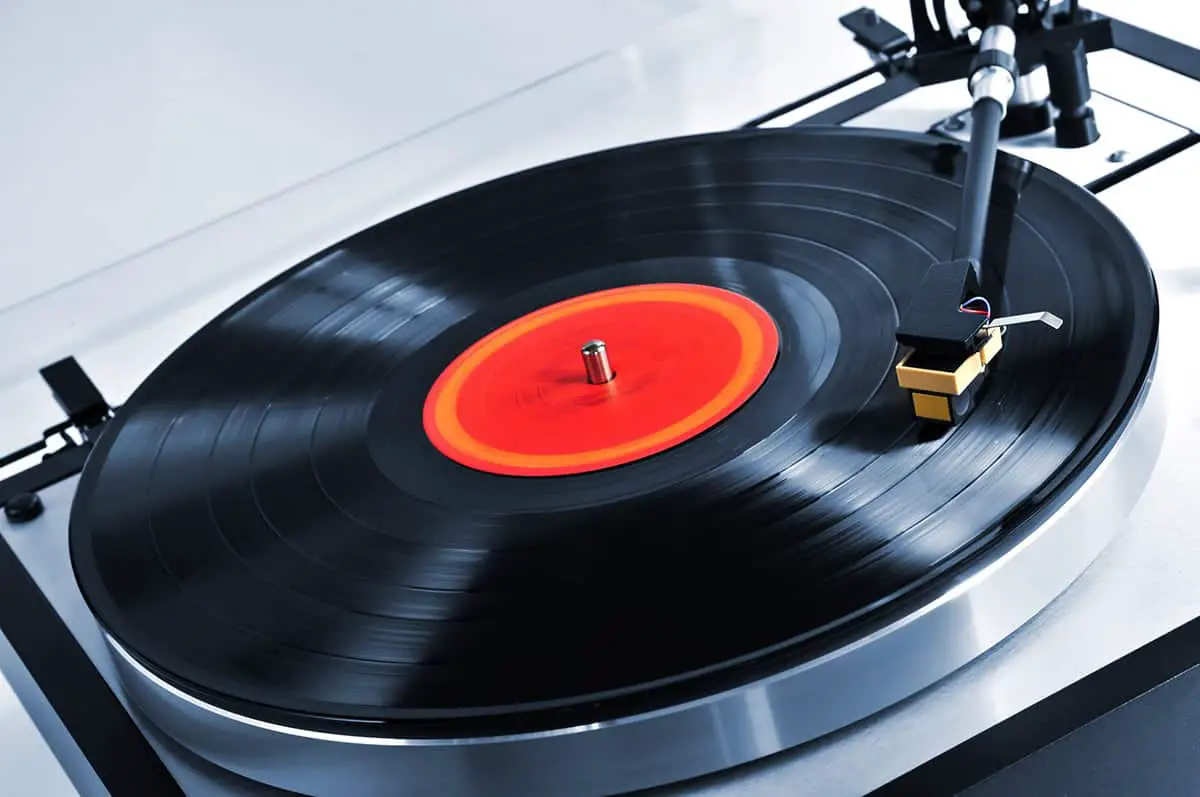
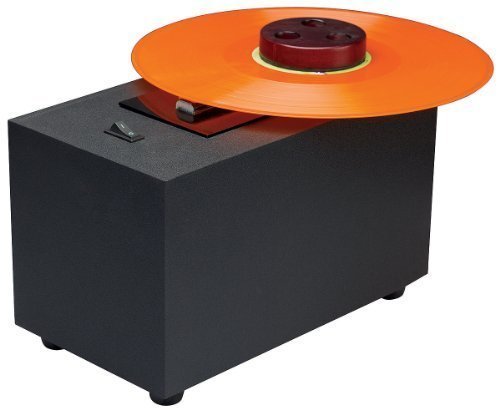
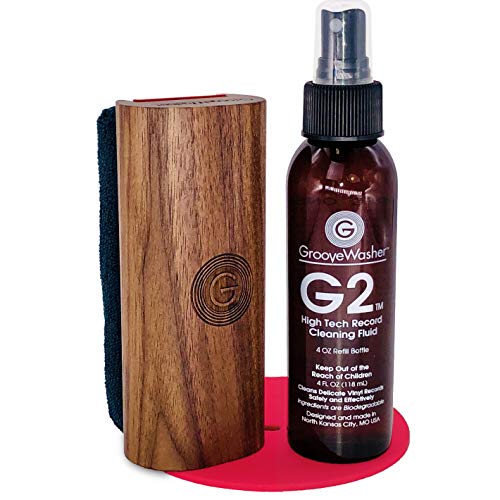
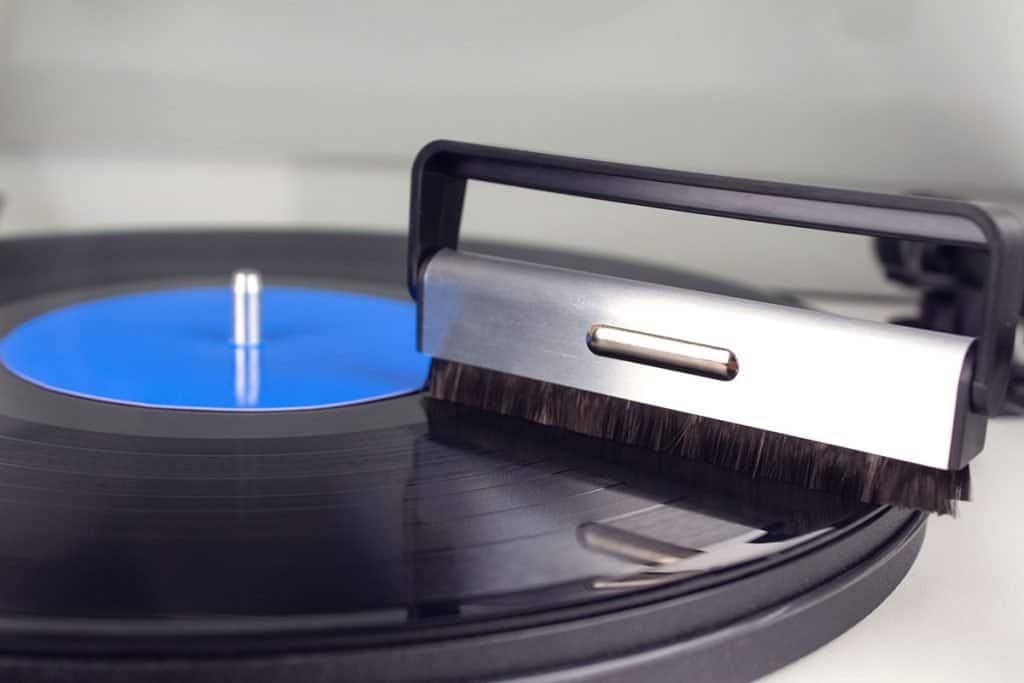
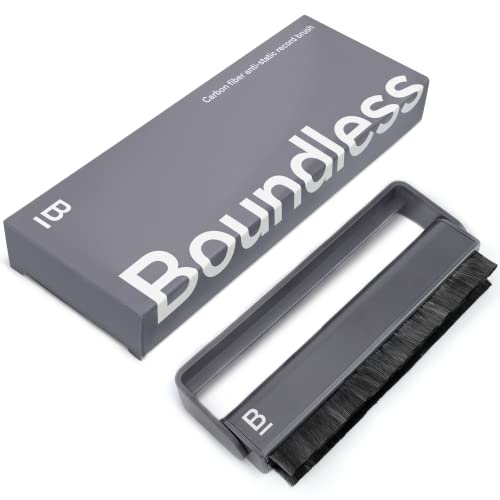


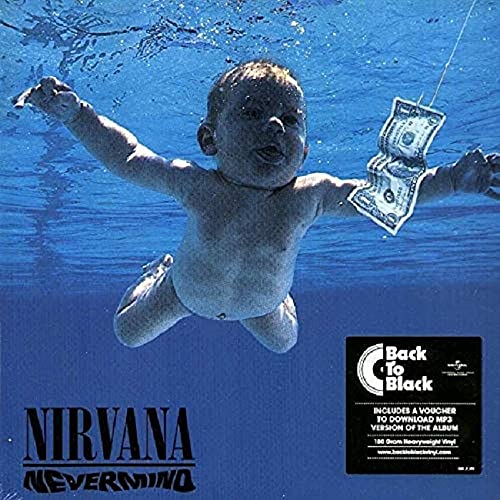

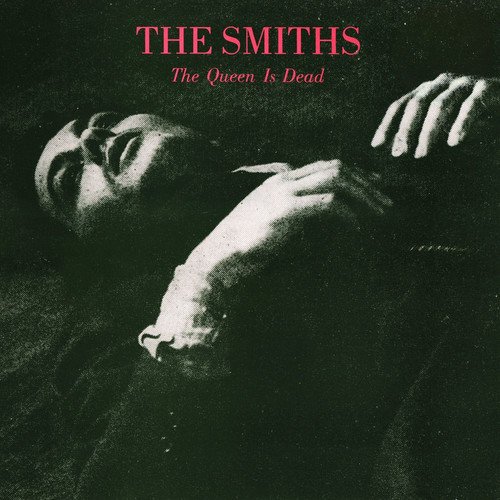
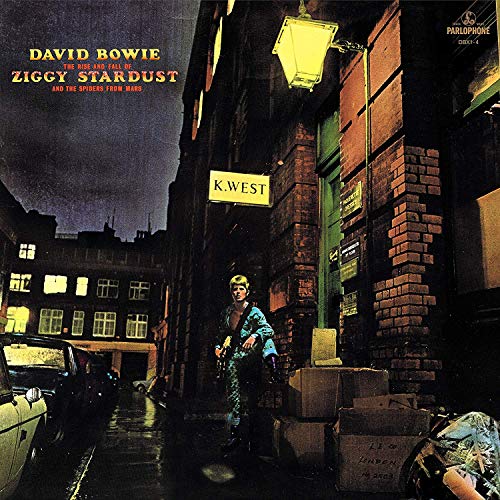

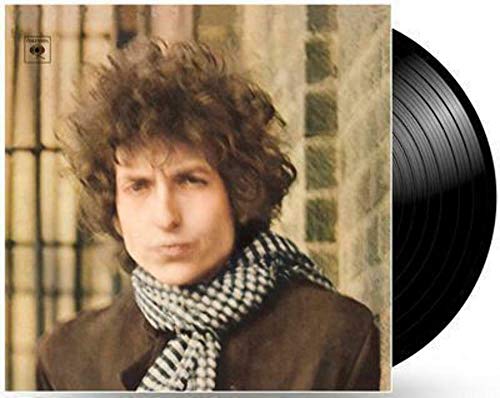
![Paul's Boutique [2 LP]](https://m.media-amazon.com/images/I/51H9ocm3CoL._SL500_.jpg "Paul's Boutique [2 LP]")
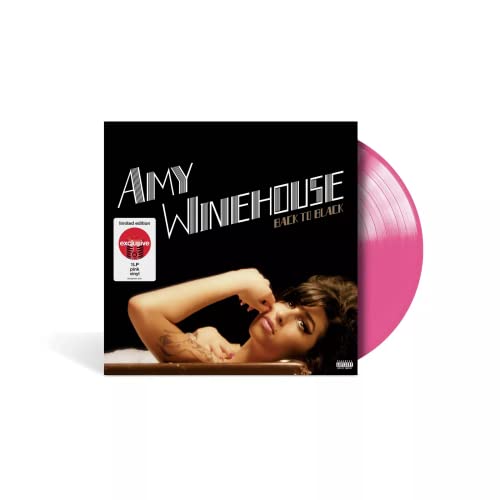
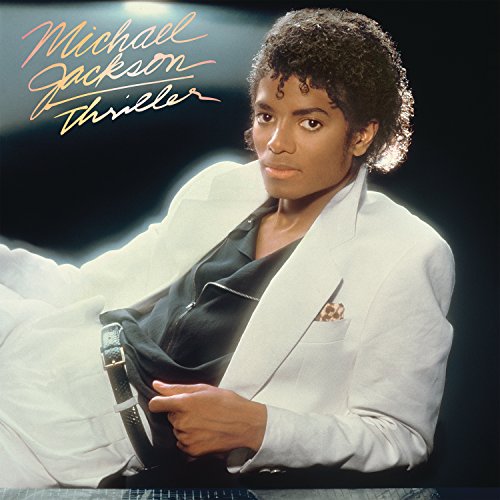

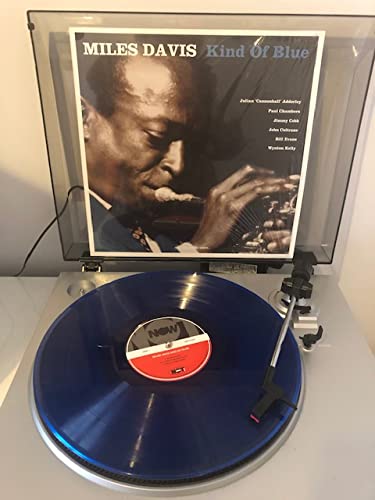
![Straight Outta Compton [LP][Remastered][Explicit]](https://m.media-amazon.com/images/I/5148nspjBBL._SL500_.jpg "Straight Outta Compton [LP][Remastered][Explicit]")
![BLUE [Vinyl]](https://m.media-amazon.com/images/I/51OEoxOOCdL._SL500_.jpg "BLUE [Vinyl]")
![Sea Change [2 LP]](https://m.media-amazon.com/images/I/41YMWq0rWyL._SL500_.jpg "Sea Change [2 LP]")
![What's Going On [50th Anniversary 2 LP]](https://m.media-amazon.com/images/I/51dAA1e2vWL._SL500_.jpg "What's Going On [50th Anniversary 2 LP]")

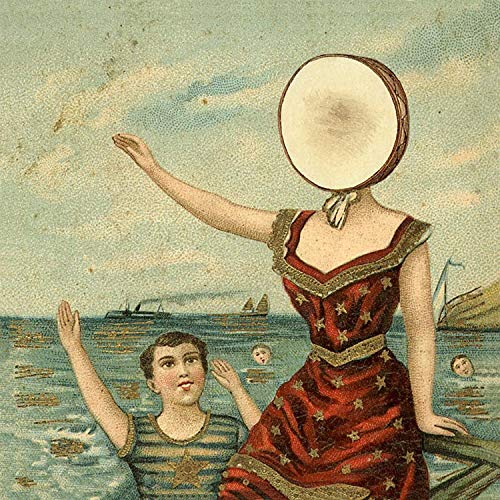
![Exile On Main Street [2 LP]](https://m.media-amazon.com/images/I/51AKb9rbQyL._SL500_.jpg "Exile On Main Street [2 LP]")
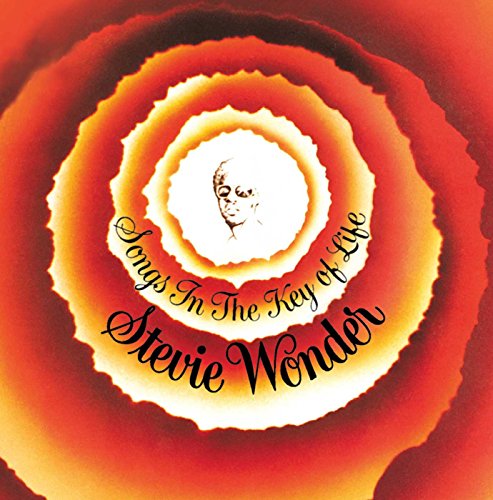
![Thickfreakness [Vinyl]](https://m.media-amazon.com/images/I/41wcd9Kl2UL._SL500_.jpg "Thickfreakness [Vinyl]")
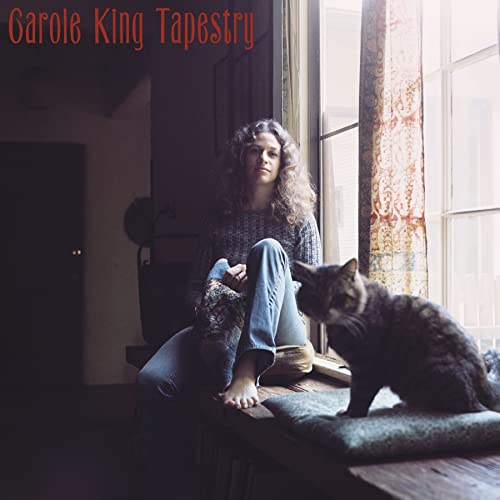
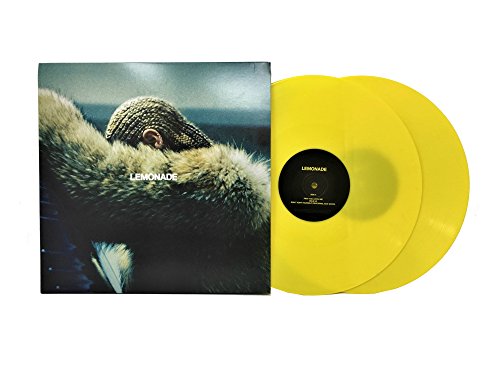
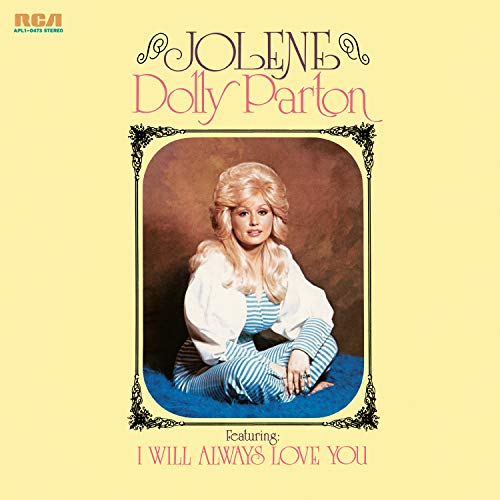
![1989 [2 LP]](https://m.media-amazon.com/images/I/41Ib8QwdUwL._SL500_.jpg "1989 [2 LP]")
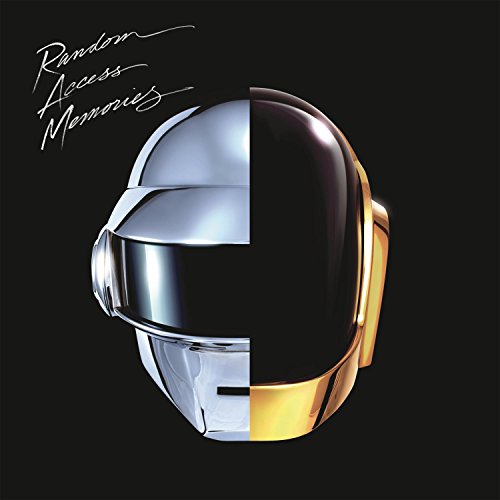
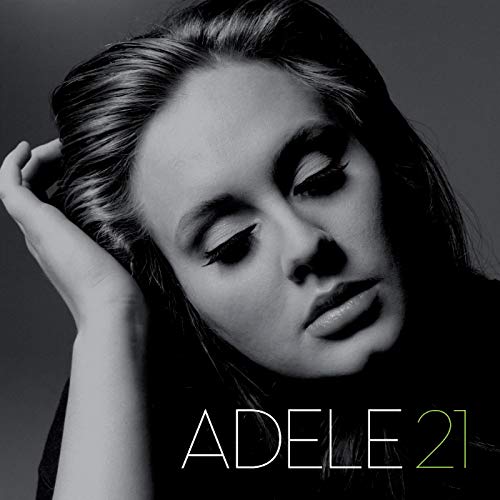
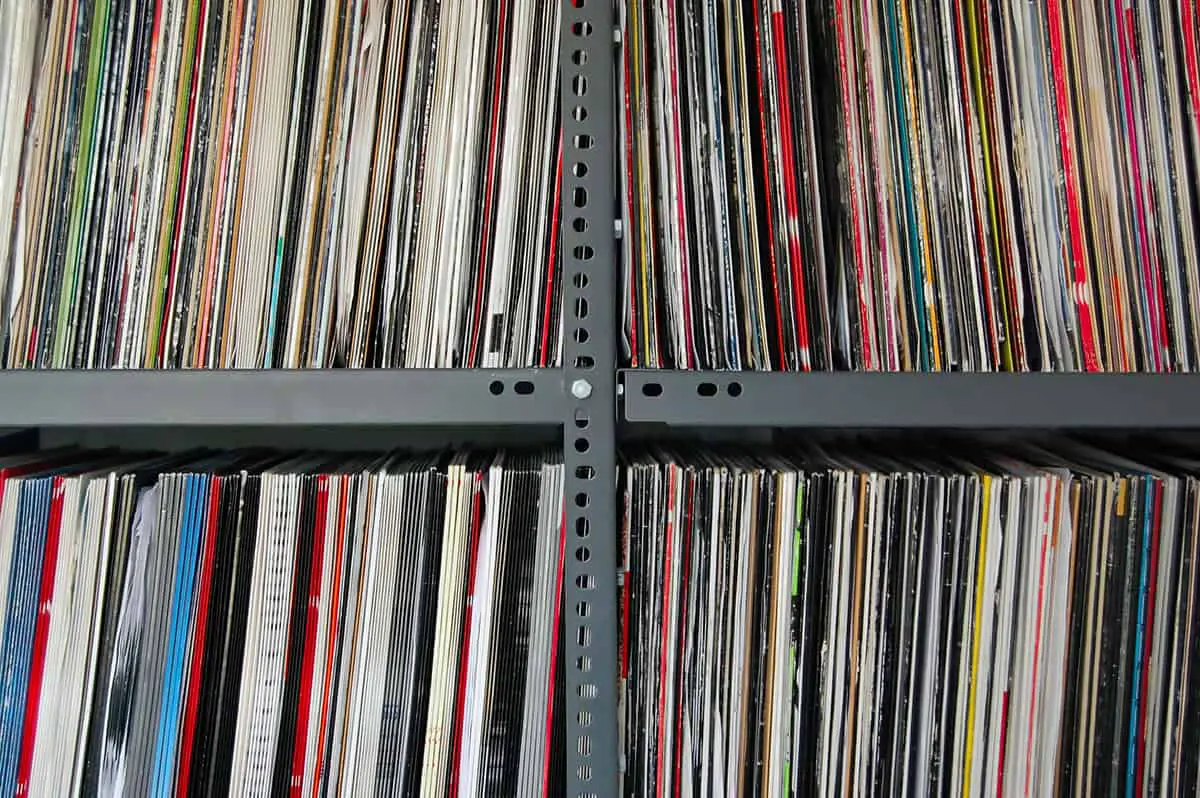
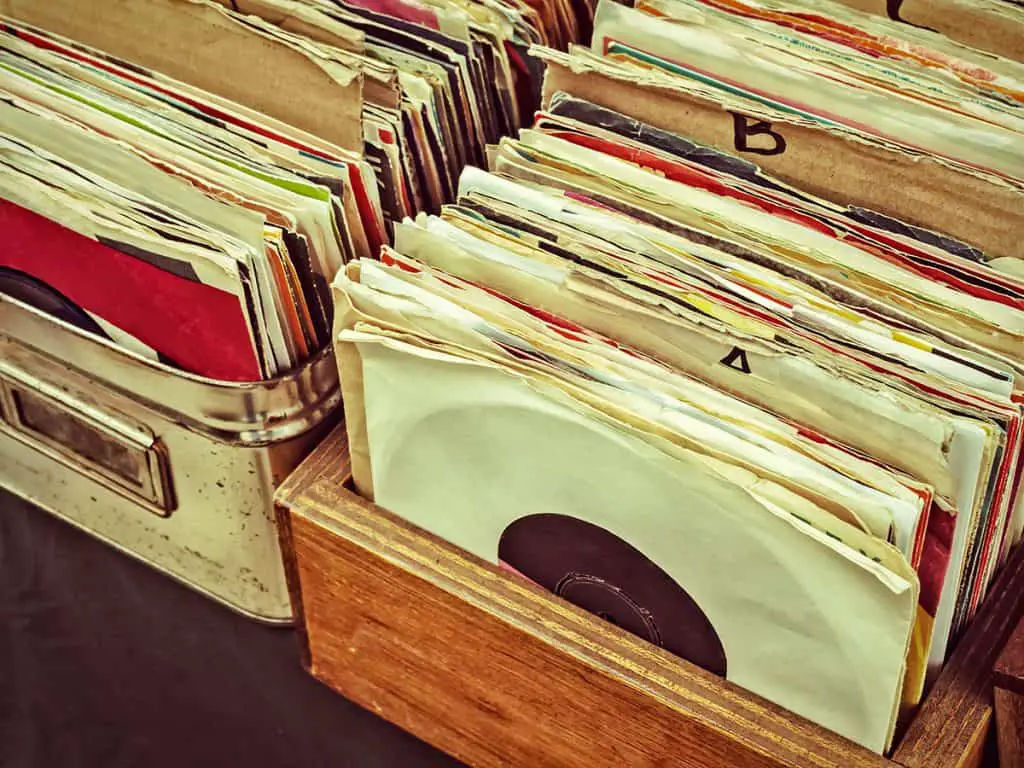
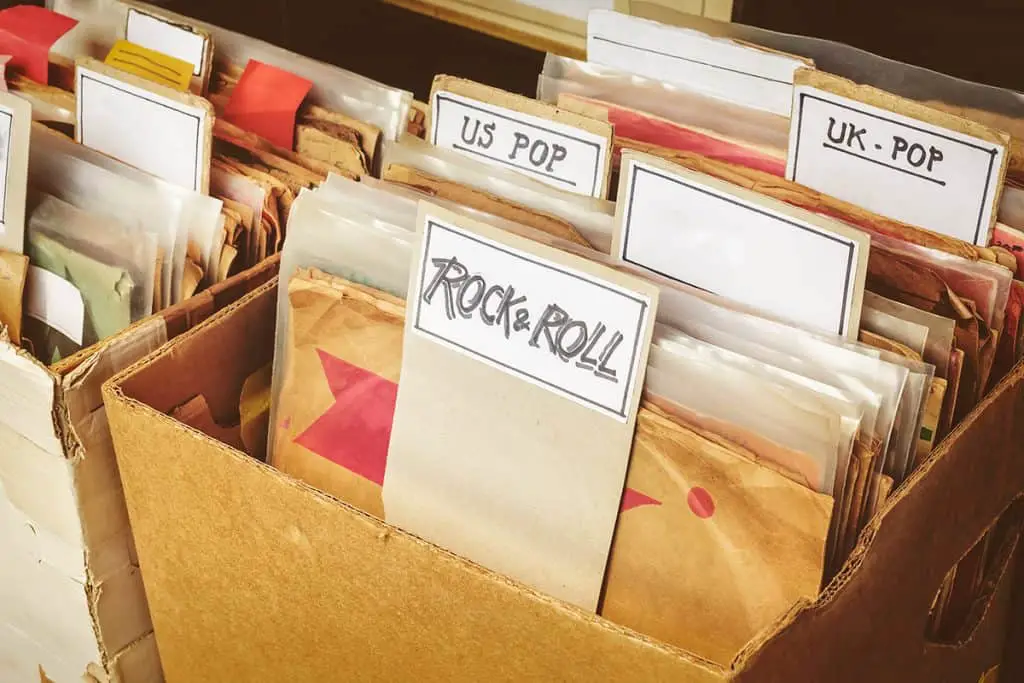
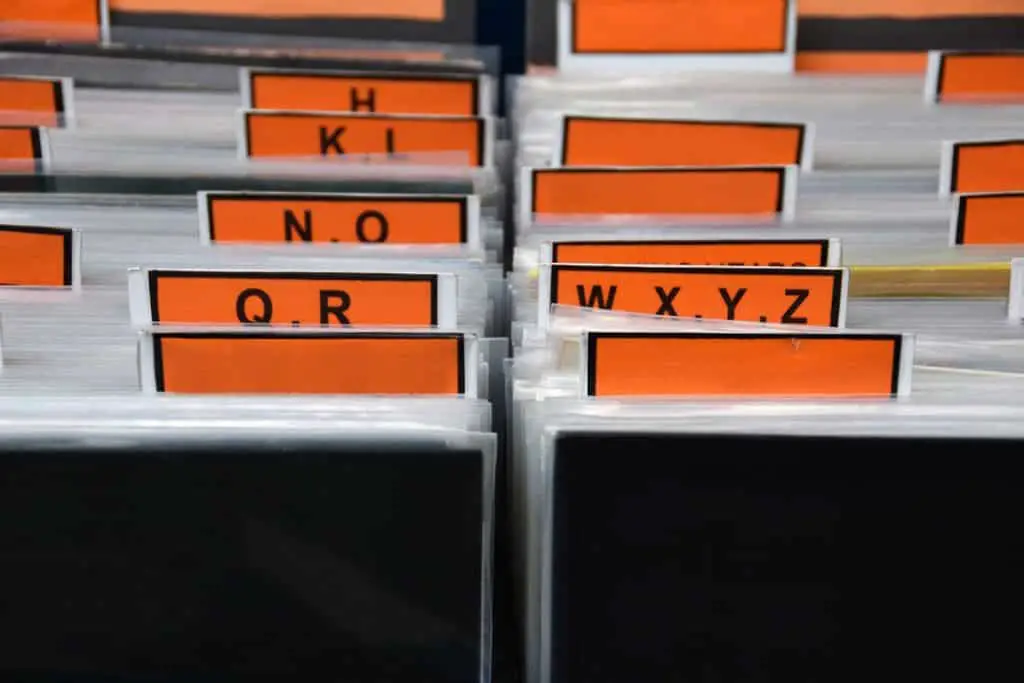
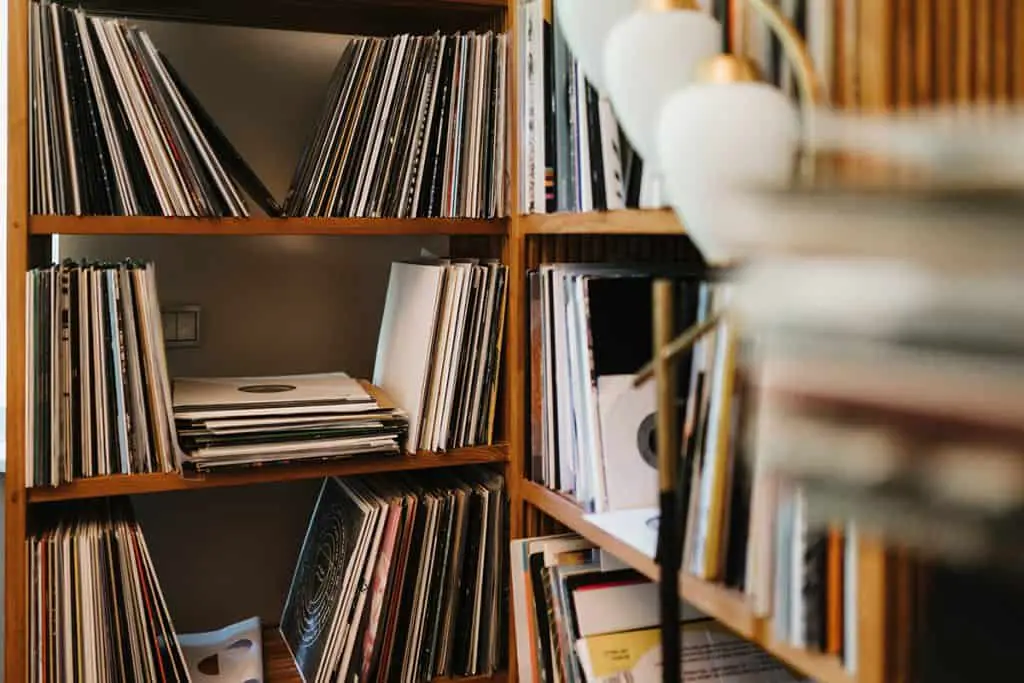


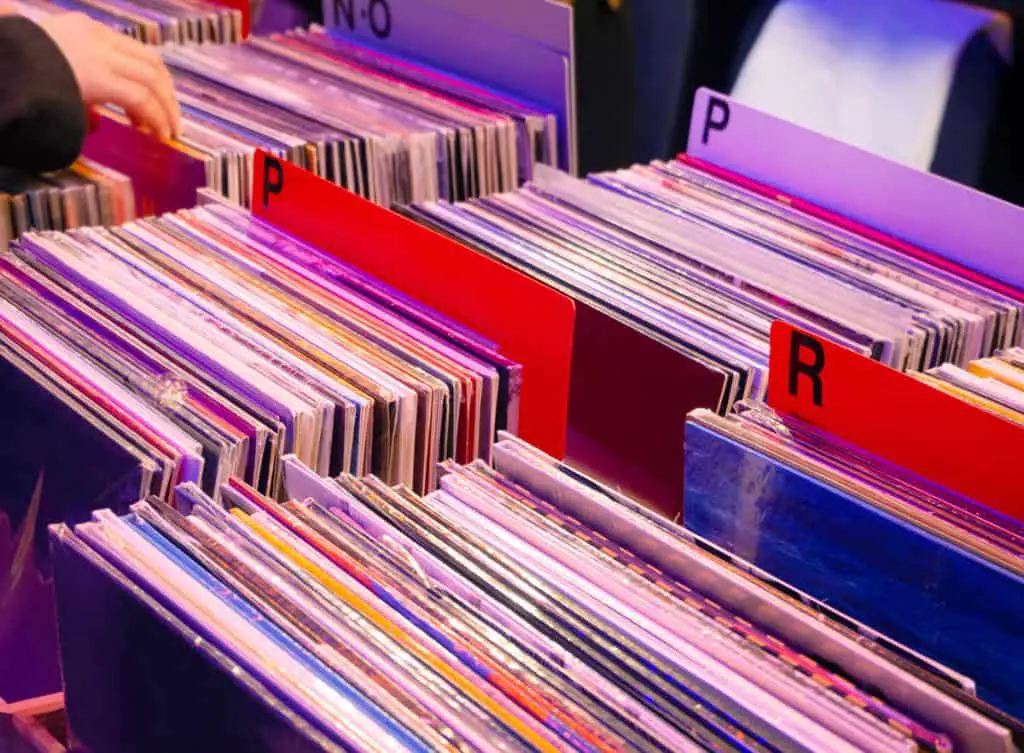
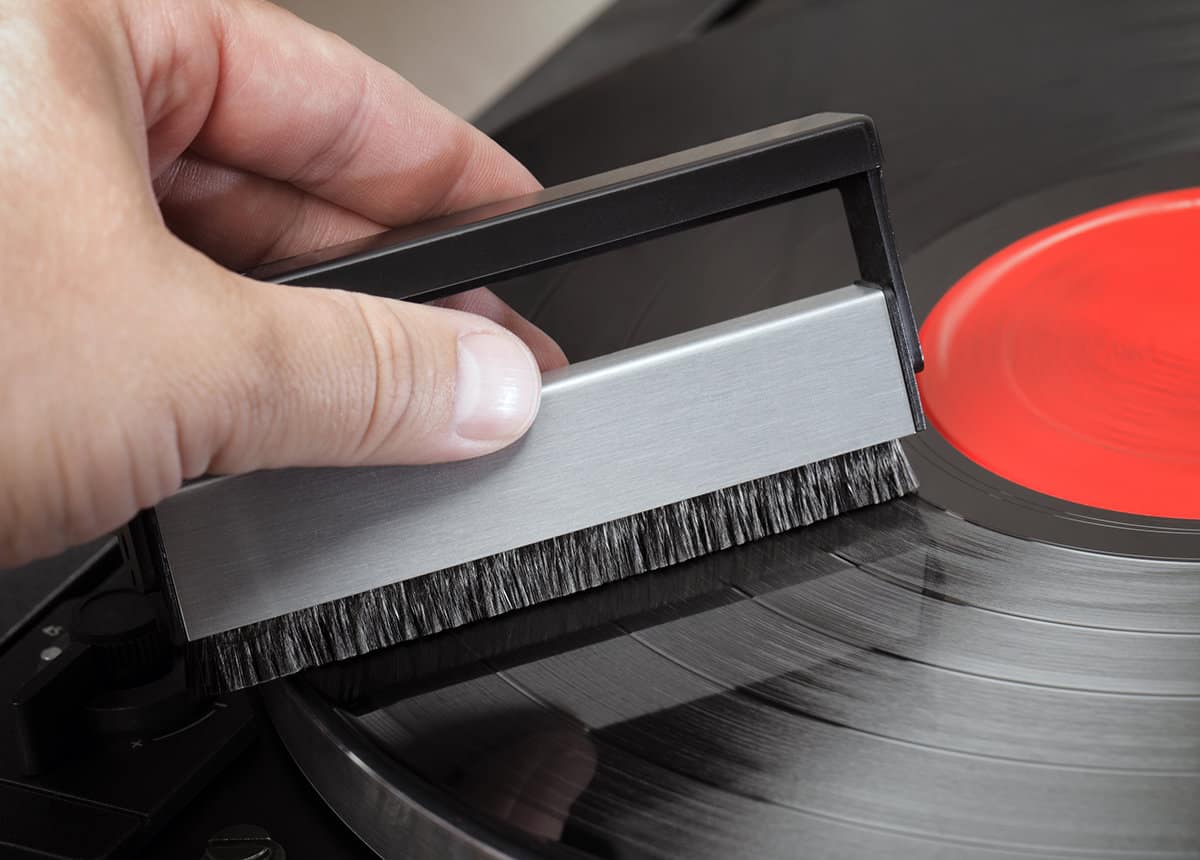
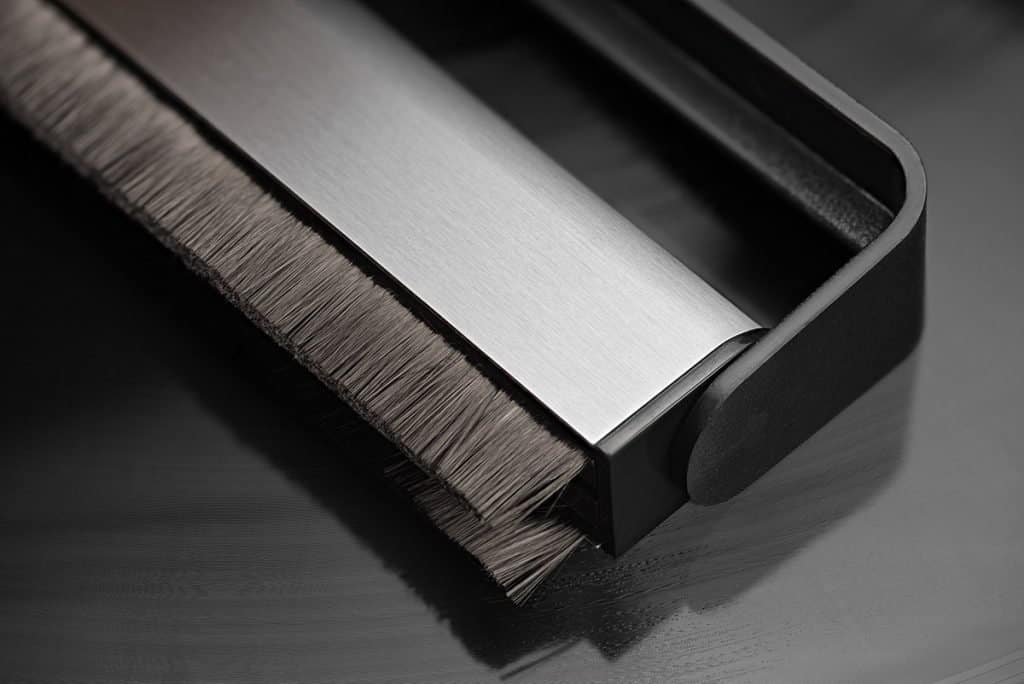
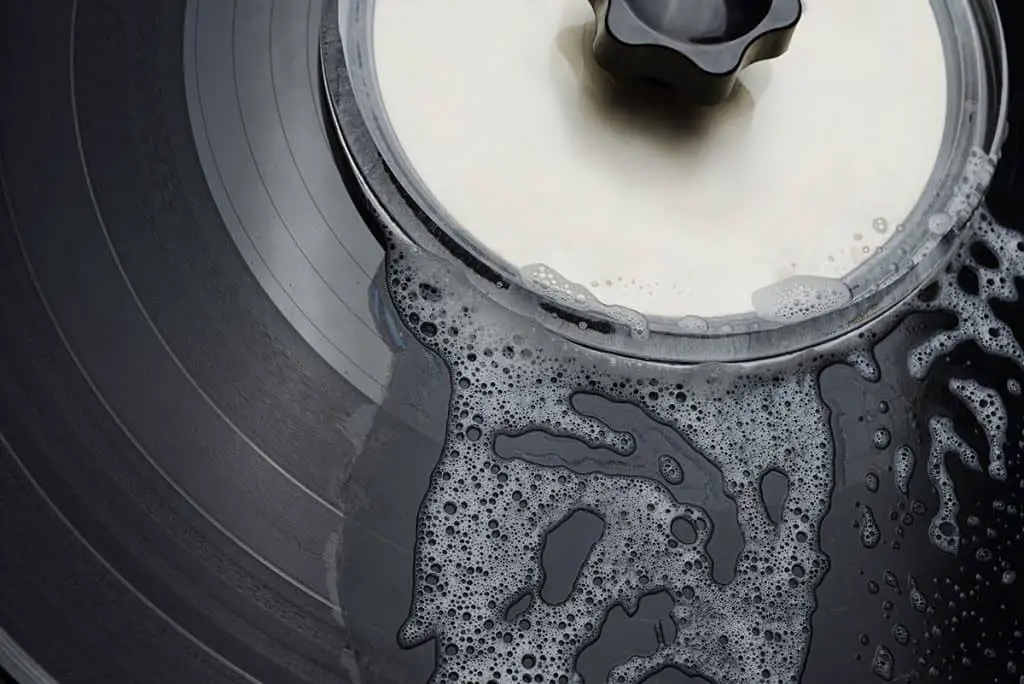
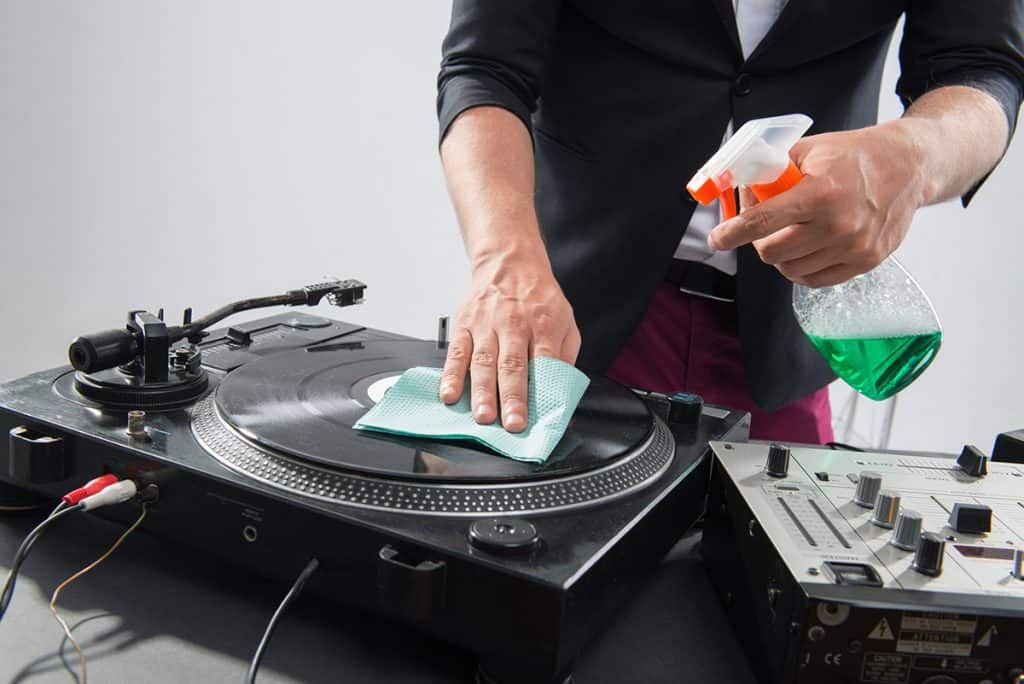


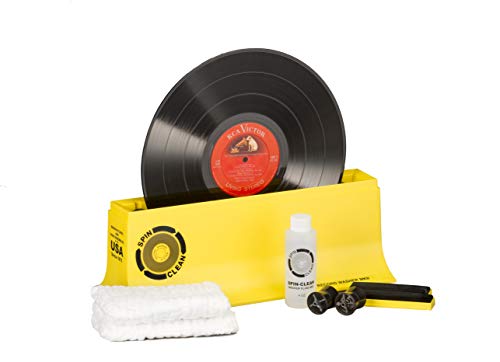




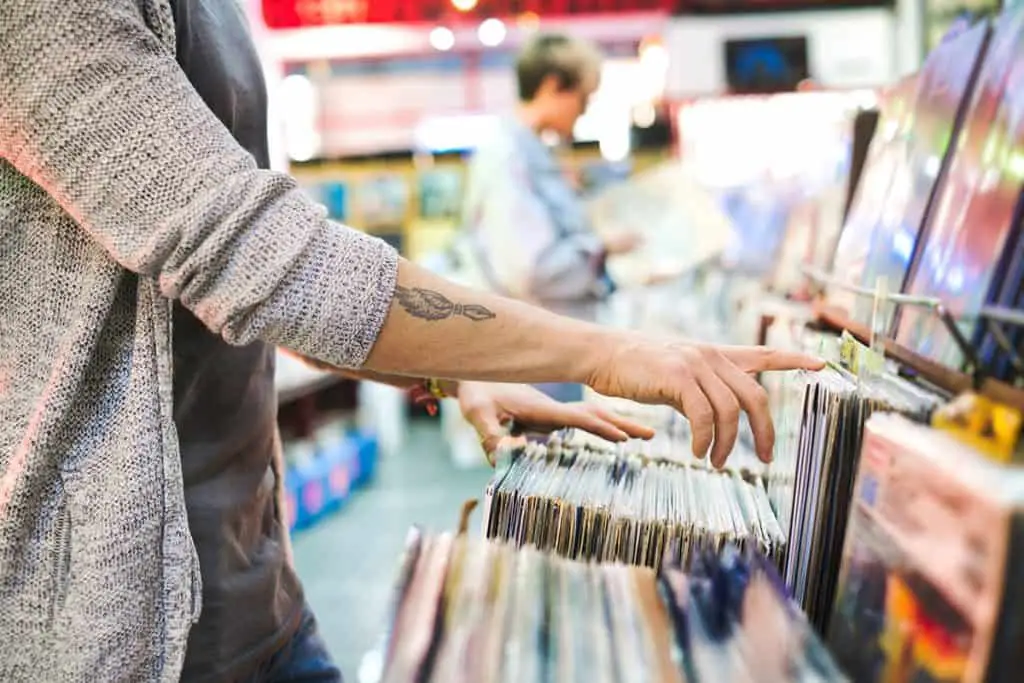
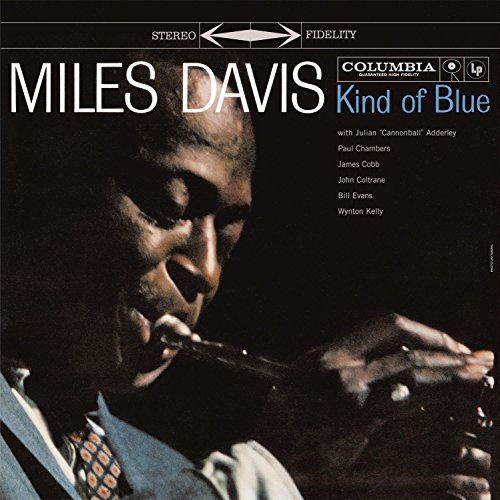
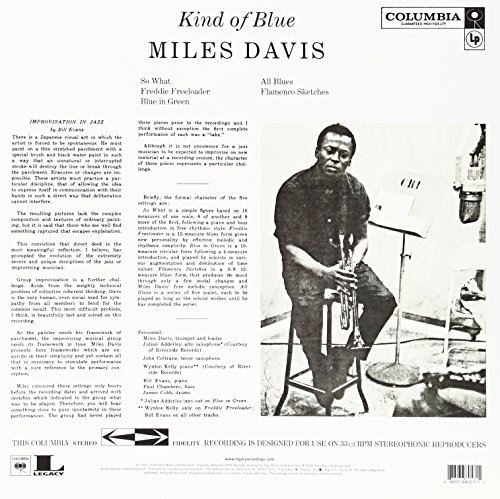
![Ella And Louis [LP]](https://m.media-amazon.com/images/I/51RX4ZOtL8S._SL500_.jpg "Ella And Louis [LP]")

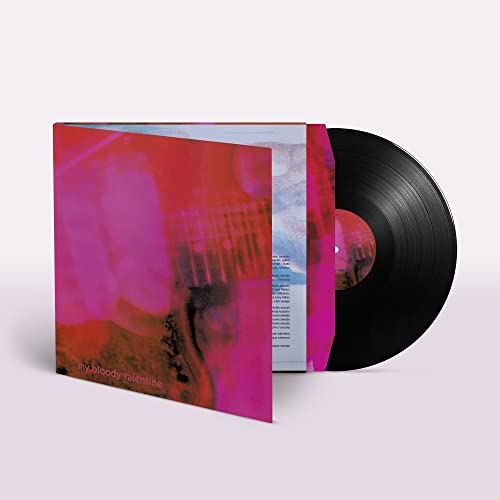
![Tonight's the Night [Vinyl]](https://m.media-amazon.com/images/I/41SEE0DG3GL._SL500_.jpg)
![Back to Black [Vinyl]](https://m.media-amazon.com/images/I/5193DWWE1DL._SL500_.jpg "Back to Black [Vinyl]")
![Abbey Road [Vinyl]](https://m.media-amazon.com/images/I/51QFGpP5mOL._SL500_.jpg "Abbey Road [Vinyl]")
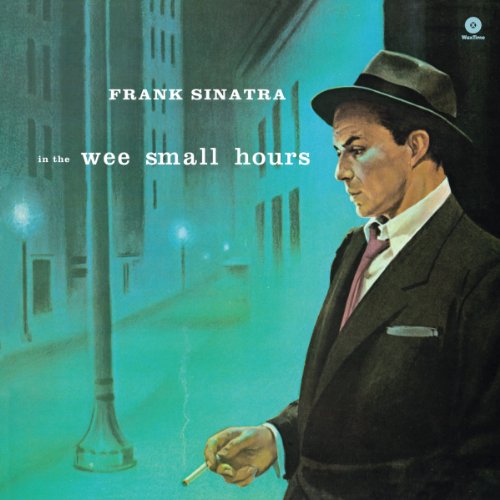
![Led Zeppelin III [Vinyl]](https://m.media-amazon.com/images/I/51QJBM7JFVL._SL500_.jpg)
![Bitches Brew [Vinyl]](https://m.media-amazon.com/images/I/51Px1BqQa1L._SL500_.jpg "Bitches Brew [Vinyl]")
![London Calling [Vinyl]](https://m.media-amazon.com/images/I/51uJ35ucoKL._SL500_.jpg "London Calling [Vinyl]")

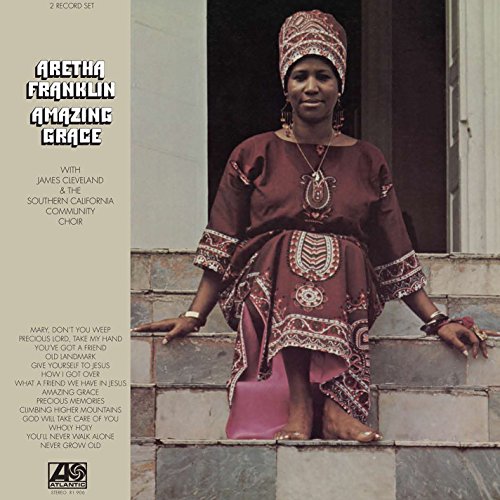
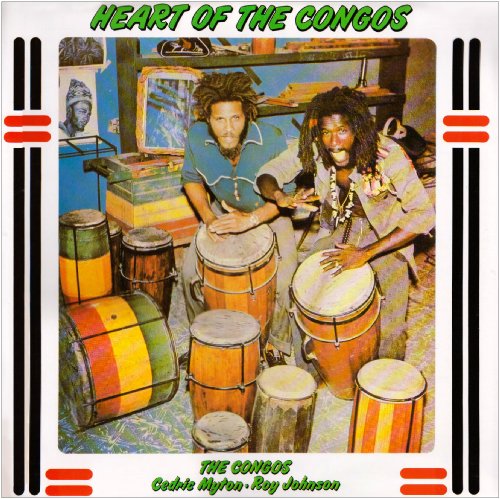
![Songs in Key of Life [Vinyl LP]](https://m.media-amazon.com/images/I/51eFe+k0t3L._SL500_.jpg "Songs in Key of Life [Vinyl LP]")
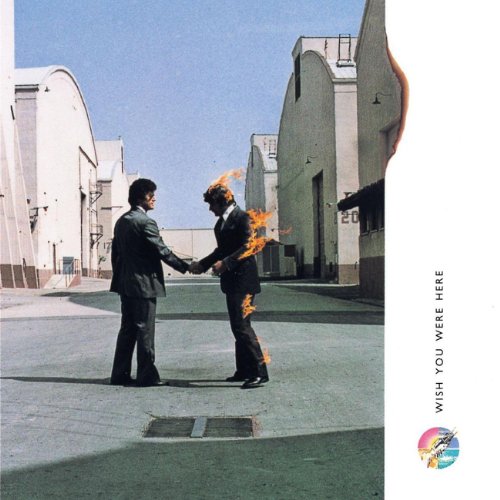
![What's Going On [Vinyl]](https://m.media-amazon.com/images/I/51NeDRjoNDL._SL500_.jpg "What's Going On [Vinyl]")
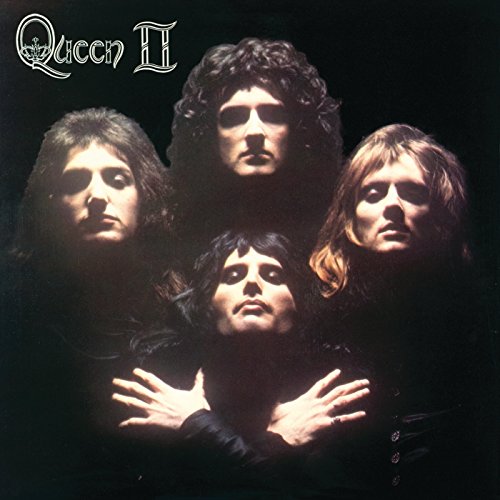
![Innervisions [Vinyl]](https://m.media-amazon.com/images/I/51IQr56ORHL._SL500_.jpg "Innervisions [Vinyl]")